
Discovering Tarshish: An Ancient Mystery
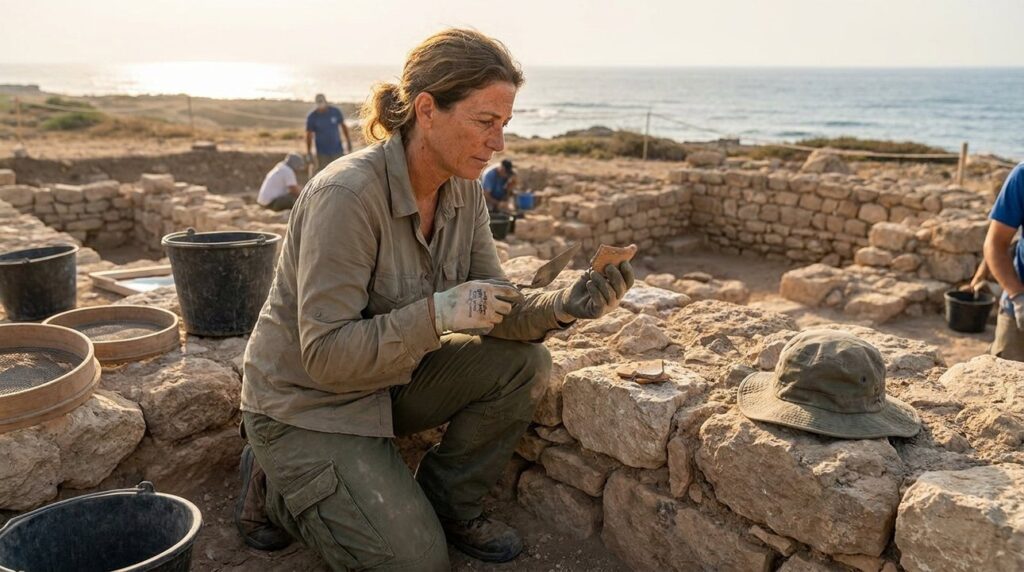

Tarshish is one of the most puzzling places named in the Bible. People have argued about where it stood for a very long time. The Bible describes it as a faraway land, rich in metals and reached by sea.
Many scholars link it to Tartessos in southern Spain. Others place it closer to home in the eastern Mediterranean. This article looks at what the Bible says, and at what is known and unknown today.
The Bible mentions Tarshish more than twenty times. It appears in lists of nations, in trade records, and in the story of the prophet Jonah.
One clue about its location is its metals. The prophet Ezekiel says Tarshish traded silver, iron, tin, and lead with the city of Tyre (Ezekiel 27:12). Southern Spain was famous in the ancient world for exactly these metals.
The Enigma of Tarshish
Tarshish first appears in the Table of Nations. There it is listed as a son of Javan, alongside Kittim and Dodanim (Genesis 10:4). Javan is linked to the Greek and Mediterranean world.
This placed Tarshish among the seafaring peoples of the west. But the Bible never gives its exact spot. That silence is one reason the debate has lasted for centuries.
The most famous mention is in the book of Jonah. Jonah tried to flee from his mission by sailing to Tarshish, taking a ship from the port of Joppa (Jonah 1:3).
He was heading west, away from Nineveh in the east. Many scholars take this as a sign that Tarshish lay far to the west, across the Mediterranean Sea.
Historical References to Tarshish
Tarshish is often named next to valuable goods. Ezekiel links it to silver, iron, tin, and lead (Ezekiel 27:12). Other passages connect it to gold and ivory.
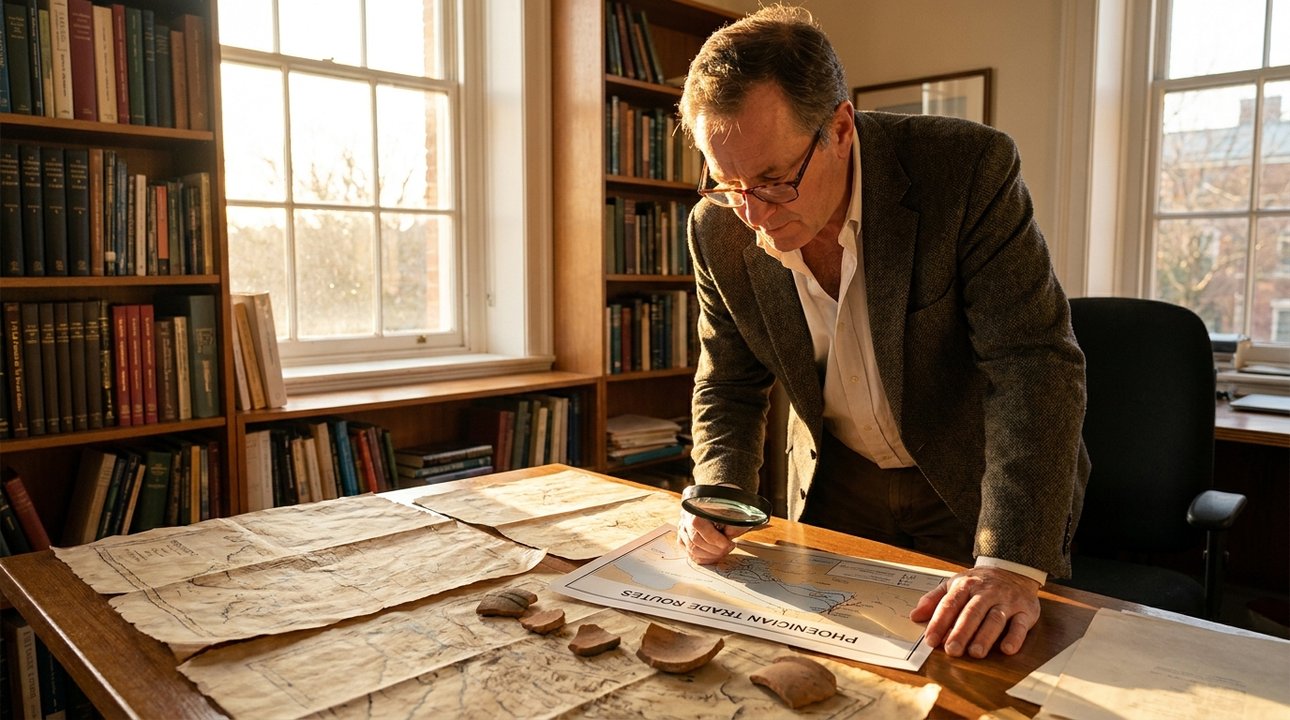
The prophet Isaiah writes about the ships of Tarshish that carried cargo across the sea (Isaiah 23). These references show a place known for wealth and long sea trade.
The phrase ships of Tarshish needs care. Over time it came to mean a type of ship, not only ships going to Tarshish. It described large vessels built for long ocean voyages.
King Solomon used such ships. The Bible says his fleet, working with King Hiram of Tyre, returned every three years with gold, silver, ivory, apes, and peacocks (1 Kings 10:22). The account links much of this cargo to trade with the distant land of Ophir.
Competing Theories About Location
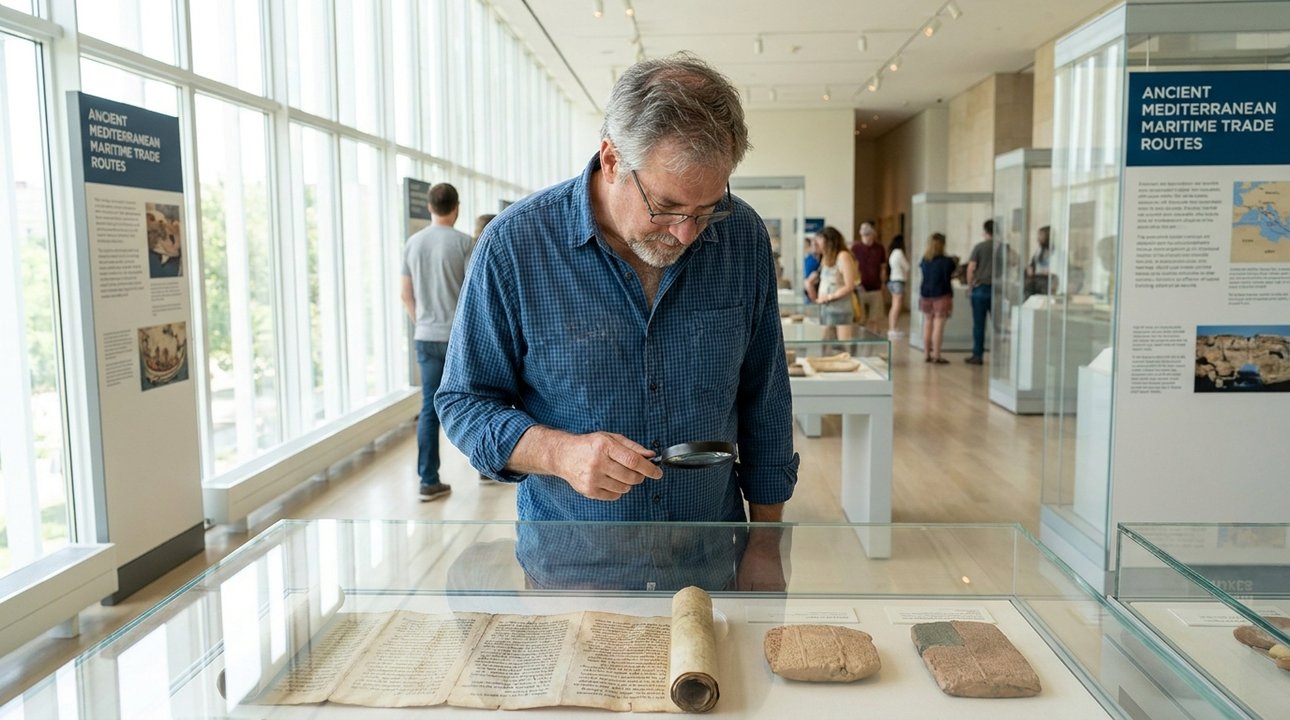
The leading theory places Tarshish in southern Spain. Scholars connect it to Tartessos, an ancient trading region near the Guadalquivir River in Andalusia.
This area held some of Europe’s richest metal mines. Its silver and other metals fit the Bible’s description well. The names Tarshish and Tartessos also sound alike, though that by itself does not prove the link.
Other ideas point east. The first-century historian Josephus identified Tarshish with Tarsus, a city in Cilicia in what is now Turkey. He based this mainly on the similar-sounding names.
A few ancient translations, such as the Greek Septuagint, rendered Tarshish as Carthage in North Africa. Because Solomon’s and Jehoshaphat’s fleets also sailed from the Red Sea port of Ezion-Geber, some have even looked toward the Red Sea or Indian Ocean.
Tarshish in Trade and Commerce
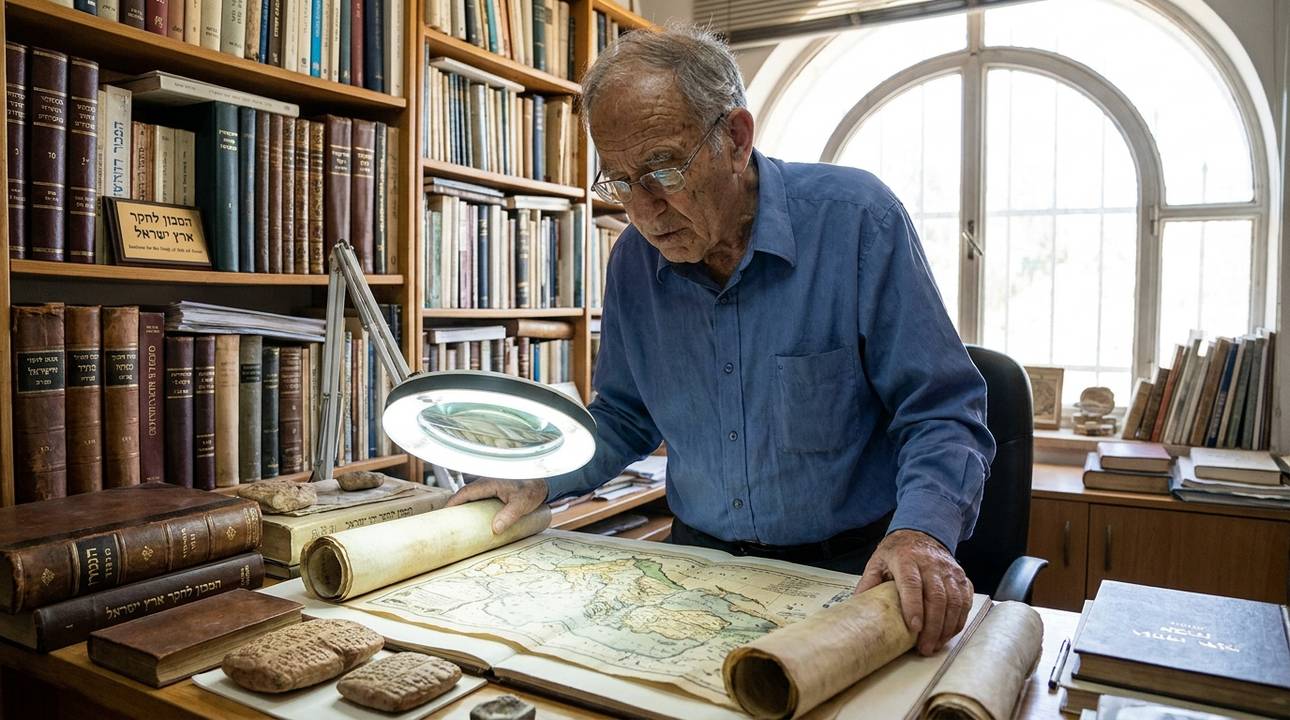
In the Bible, Tarshish stands out as a center of sea trade. It sent metals to Tyre and appears in accounts of royal fleets.
This trade linked far-apart regions. Merchants moved metals, ivory, and other goods across long distances. The picture is one of a busy ancient market reached mainly by sea.
The ships of Tarshish became a symbol of large-scale trade. Prophets used the phrase when they spoke of great wealth and of proud cities brought low (Isaiah 2:16; Isaiah 23).
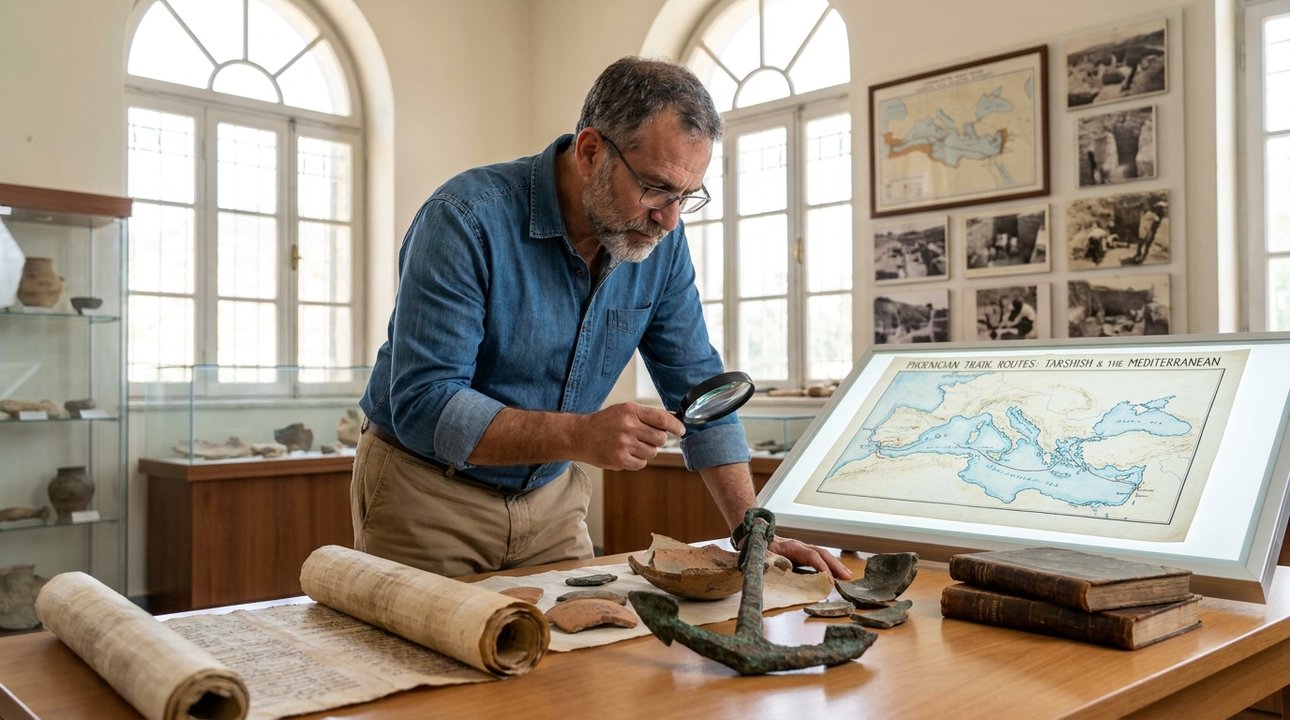
Whoever built and sailed these ships needed skill and money. This suggests Tarshish, wherever it lay, was tied into a wide trade network that included the Phoenicians of Tyre.
Cultural Impact of Tarshish
Tarshish also had a place in the wider story of the Bible. Its name appears in poetry, in prophecy, and in lists of distant nations.
In the book of Isaiah, Tarshish is named among faraway lands that will one day hear of God (Isaiah 66:19). Here it stands for the edge of the known world, a place at the far reach of trade and travel.
Because it felt so remote, Tarshish took on a larger meaning. It came to stand for distant places in general.
Writers used it to picture the limits of the map. This is part of why the name kept its hold on the imagination long after the old trade routes changed.
Modern Search for Tarshish
Today, no site has been proven beyond doubt to be Tarshish. The strongest case still points to the Tartessos region in southern Spain.
Archaeologists have found early Phoenician pottery and metalworking near Huelva, close to the proposed site. These finds fit the timing, but they do not settle the question for certain.
Part of the problem is the Bible’s own clues. Some passages point west across the Mediterranean, while others, tied to Red Sea fleets, point east.
Because of this, careful writers say plainly what is known and what is not. Tarshish was a real trading land known for metals. Its exact location remains unproven.
Tarshish in Historical Symbolism
Tarshish came to mean more than one spot on a map. In the Bible it often stands for wealth and far-off trade.
It is linked with silver, iron, tin, and lead, and with the gold and ivory carried by great ships. Over time it became a kind of shorthand for riches brought from distant shores.
Scholarly Debates and Conclusions
Scholars still debate where Tarshish stood. Most favor Tartessos in southern Spain, while some hold to Tarsus in the east or to other sites.
The main reason for the debate is simple. The Bible names Tarshish many times but never marks it on a map.
What can be said with confidence is limited but clear. Tarshish was a distant, sea-linked source of metals and other goods in the ancient world.
Its fame rested on trade and on the great ships tied to its name. Where it stood exactly is still an open question, and honest study leaves it that way.
Understanding Tarshish
