
Discovering Zoar: A Journey Through History
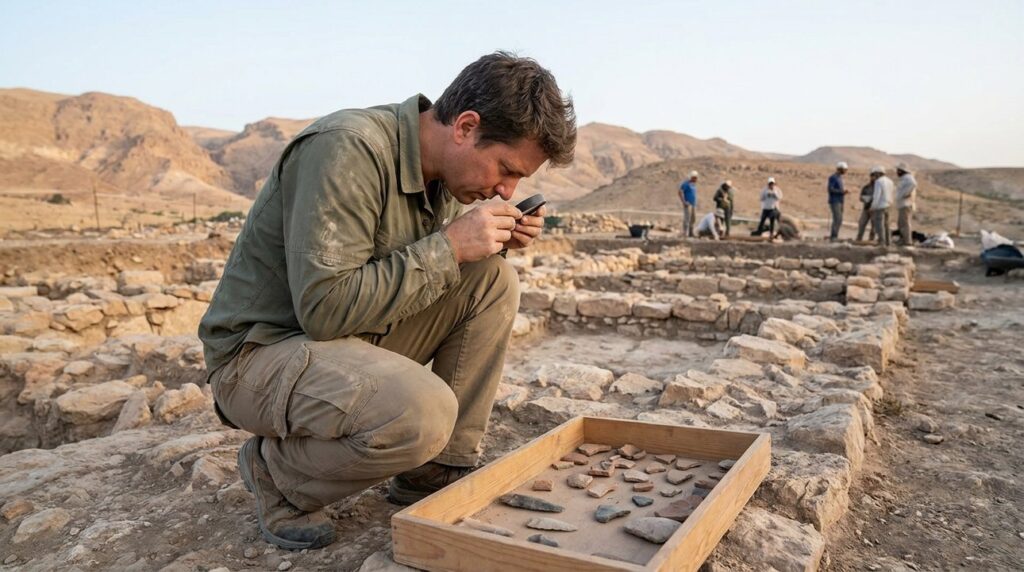

The ancient town of Zoar has a small but memorable place in the Bible. It sat near the southern end of the Dead Sea.
Zoar is best known from the story of Lot in the book of Genesis. When Sodom and Gomorrah were destroyed, Lot fled to Zoar for safety.
This article looks at where Zoar was, where it appears in the Bible, and what is known about the site today.
Zoar lay near the Dead Sea, a region tied to several well-known events in the Bible. It was one of the few towns in the area that was not destroyed.
In the book of Genesis, Zoar is the place Lot escaped to when fire fell on the nearby cities. Its name in Hebrew means “small” or “little.”
Because it was spared, Zoar became a lasting example of a safe refuge in the biblical story.
What Is Zoar?
Zoar first appears by name in Genesis 13. Lot, the nephew of Abraham, looked out over the well-watered plain of the Jordan, which stretched toward Zoar. He chose to settle in that fertile region.
Zoar is also called Bela in Genesis 14. It was one of the five “cities of the plain,” along with Sodom, Gomorrah, Admah, and Zeboiim.
In Genesis 19, when Sodom was judged, Lot was told to flee. He asked to escape to Zoar because it was a small town nearby, and he and his two daughters were kept safe there.
Lot’s request to flee to Zoar is a key part of the story. He said he could not reach the hills in time, so he asked to go to the little town instead.
The Bible explains the town’s name through this plea. Lot called it “a little one,” and so the place was called Zoar, which means “small.”
Zoar was spared while the other cities were destroyed. This is why the town is remembered as a place of safety.
Zoar in Historical Context
Many scholars place Zoar near the southeastern end of the Dead Sea. Its likely site is the area of modern Ghor es-Safi in Jordan.
The exact location is still debated. Some scholars look to the north of the Dead Sea, and others to the south.
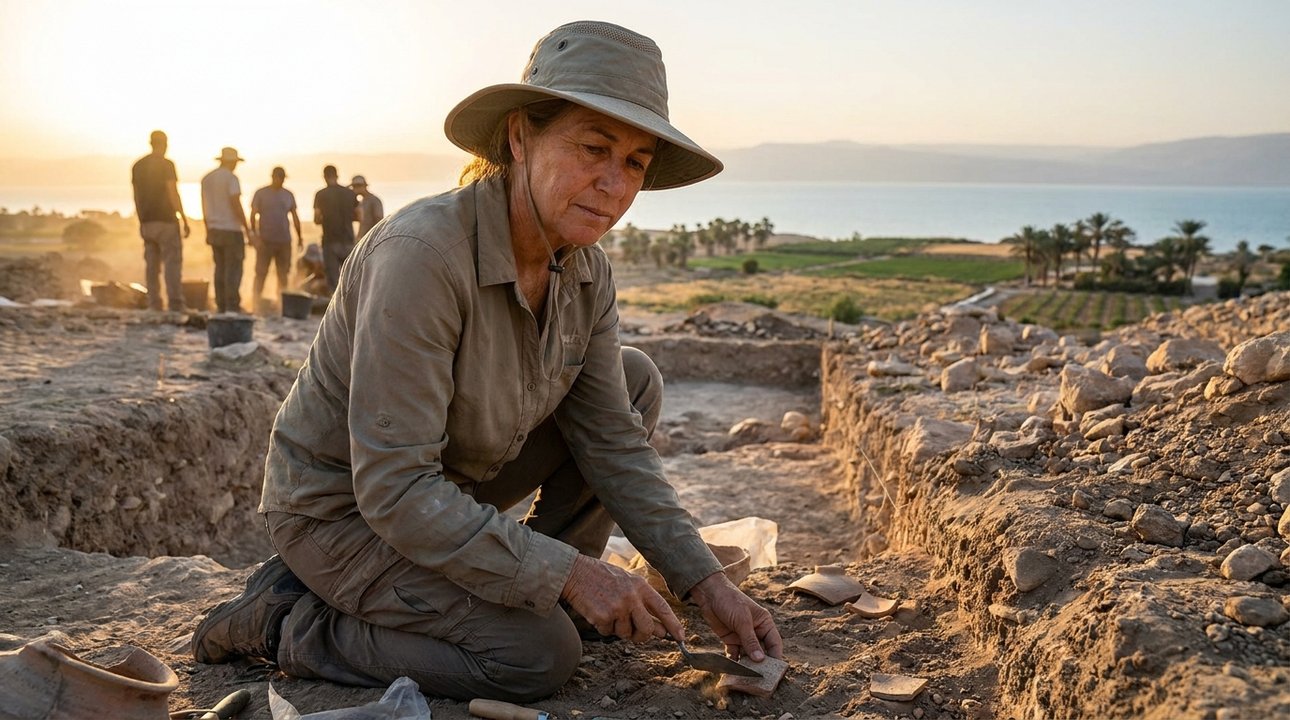
The region around Zoar had water and fertile land, which made farming possible. But firm archaeological evidence for the town of Lot’s day is limited, so much is still uncertain.
Historical Narrative and Zoar
Zoar appears again near the end of the Torah. In Deuteronomy 34, Moses climbs Mount Nebo before his death.
From there, God shows him the whole land. The view reaches from Gilead in the north down to Zoar in the south.
This passage places Zoar at the far edge of the land that Moses was shown. It shows the town as a known landmark in the region.
Zoar is also named in later prophecy. It appears in the messages against Moab in Isaiah 15:5 and Jeremiah 48:34.
In those passages, people fleeing danger head toward Zoar in the south. The town marks the far southern point of the region.
These mentions show that Zoar was still a known place long after the time of Lot.
Zoar as a Place of Refuge
In the biblical story, Zoar stands out as a place of safety. It was spared when the cities around it were destroyed.
Lot escaped there with his two daughters during the judgment on Sodom. He had asked to flee to the small town rather than the hills.
Because of this, Zoar is often remembered as an example of a refuge in the Genesis account.
The story of Zoar fits into the larger account of Lot and his family. It helps explain how Lot survived when the cities of the plain fell.
The town also serves as a geographic marker. Its place near the Dead Sea ties the story to a real region.
For readers today, Zoar is mainly of interest as a biblical location and as part of the story of Sodom and Gomorrah.
Zoar Today
The site linked with Zoar lies at Ghor es-Safi, near the southeastern end of the Dead Sea in Jordan. In later centuries a town called Zoara stood in this area.
Archaeologists have uncovered Byzantine-era remains there, including a church with mosaics dated to the sixth and seventh centuries. A nearby cave has long been remembered as the place where Lot took shelter.
More than 400 inscribed tombstones in Greek and Aramaic have also been found in the area.
The finds at Ghor es-Safi show that the area was settled and active for many centuries. They do not prove the exact spot of the town from Lot’s day.
Still, they help explain why this location is linked with Zoar. The site connects the biblical account to a known place on the map.
For students of the Bible, Zoar remains a useful anchor for the story of the cities of the plain.
Legacy of Zoar in Jewish Tradition
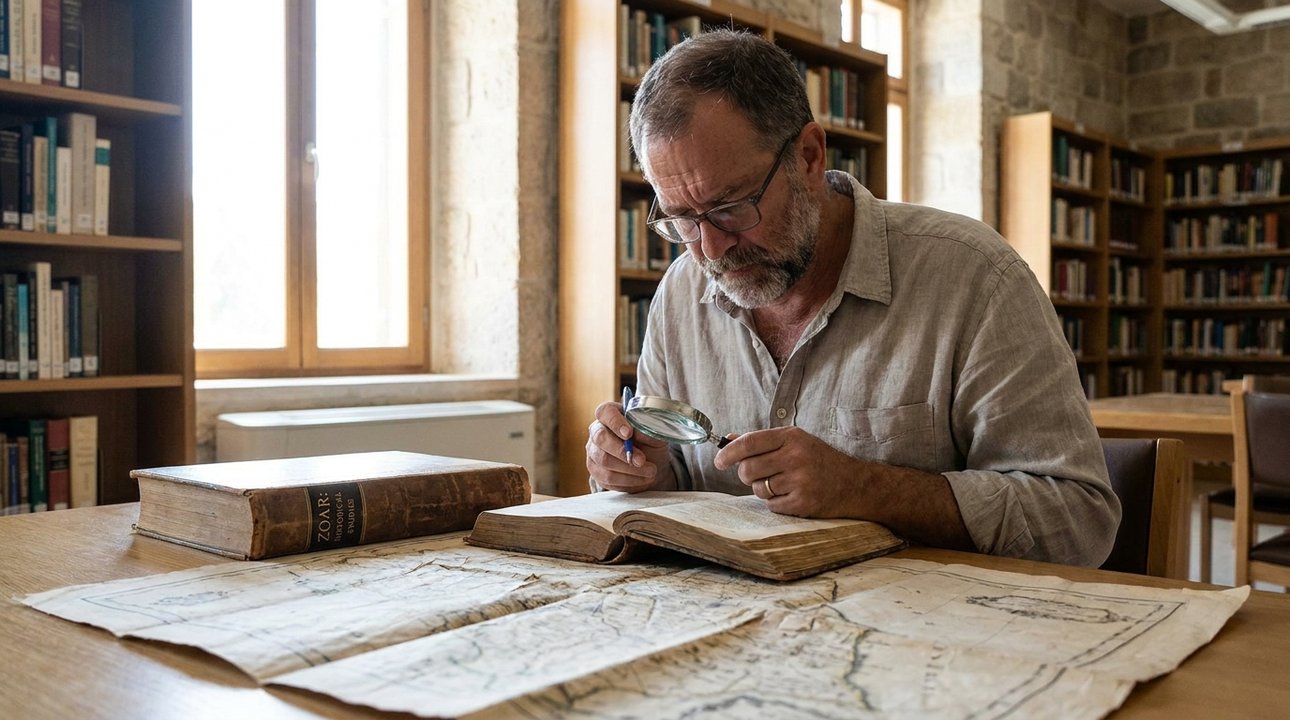
Jewish sources continued to refer to Zoar long after the time of Genesis. The town is mentioned in later Jewish writings as a real, inhabited place.
In the Byzantine period, a mixed population lived in the area. Some of the inscribed tombstones found there are written in Aramaic.
Within the biblical story, Zoar is remembered mainly as the town that was spared when Sodom and Gomorrah were destroyed.
Zoar in the Context of the Land of Israel
Zoar sat at the southern end of the Dead Sea, in the low valley that the Bible connects with the cities of the plain. Genesis 14 links this area with the Valley of Siddim and the Salt Sea.
This places Zoar within the wider land that features in many biblical events. It lay on the southern edge of that land.
Knowing where Zoar was helps set the story of Lot in a real place, next to Sodom and the other cities of the plain.
Conclusion: Understanding Zoar’s Role
Zoar has a small but steady place in the Bible. It appears in the story of Lot, in the view Moses was given from Mount Nebo, and in later prophecy.
In each case, Zoar marks a real spot near the southern end of the Dead Sea. It is best known as the town that was spared when Sodom and Gomorrah fell.
For readers, Zoar is a helpful landmark for understanding the story of the cities of the plain.
To sum up the sources, Zoar is named in Genesis 13, 14, and 19, in Deuteronomy 34:3, and in Isaiah 15:5 and Jeremiah 48:34.
Together these passages show a small town near the Dead Sea that was spared and long remembered. Its likely site today is Ghor es-Safi in Jordan.
That mix of biblical text and archaeology is what keeps interest in Zoar alive.
Historical Context of Zoar
