
Exploring the Arabah: From Ancient Lands to Modern Understanding

The Arabah is a magnificent expanse located within the Rift Valley, stretching between the Dead Sea and the Red Sea. It is a land etched with ancient journeys. This region was part of the wilderness where significant events took place, providing a setting for pivotal moments in history. In this exploration, we delve into its breathtaking scenery and its role across narratives, bringing forth stories that connect to our shared heritage. The landscape itself, with its rugged beauty, serves as a sign of the enduring spirit of those who traversed it.
What Is the Arabah?
Geographically, this desert region within the Jordan Rift Valley extends about 112 miles from the Dead Sea to the Gulf of Aqaba. The area is characterized by its stark, dramatic landscapes and unique ecology.
The towering cliffs and vast sand dunes create a striking contrast against the clear blue skies, offering breathtaking views. Historically, it served as a backdrop for various events, linking narratives of nomadic life and significant journeys.
It was frequently mentioned as an area traversed by travelers and leaders. This passage highlights its importance as a transit route in historical times.
Arabah in Historical Narratives
The Hebrew texts mention this path taken during significant journeys. This journey was not just a physical path but also a period of transition and growth. It provided both challenges and sustenance during travels to new lands. Its harsh climate symbolized tests and endurance, offering a narrative of perseverance and hope. The experience here is a sign of perseverance and reliance on guidance, as they faced the trials of the desert.
The Geography and Climate of the Arabah
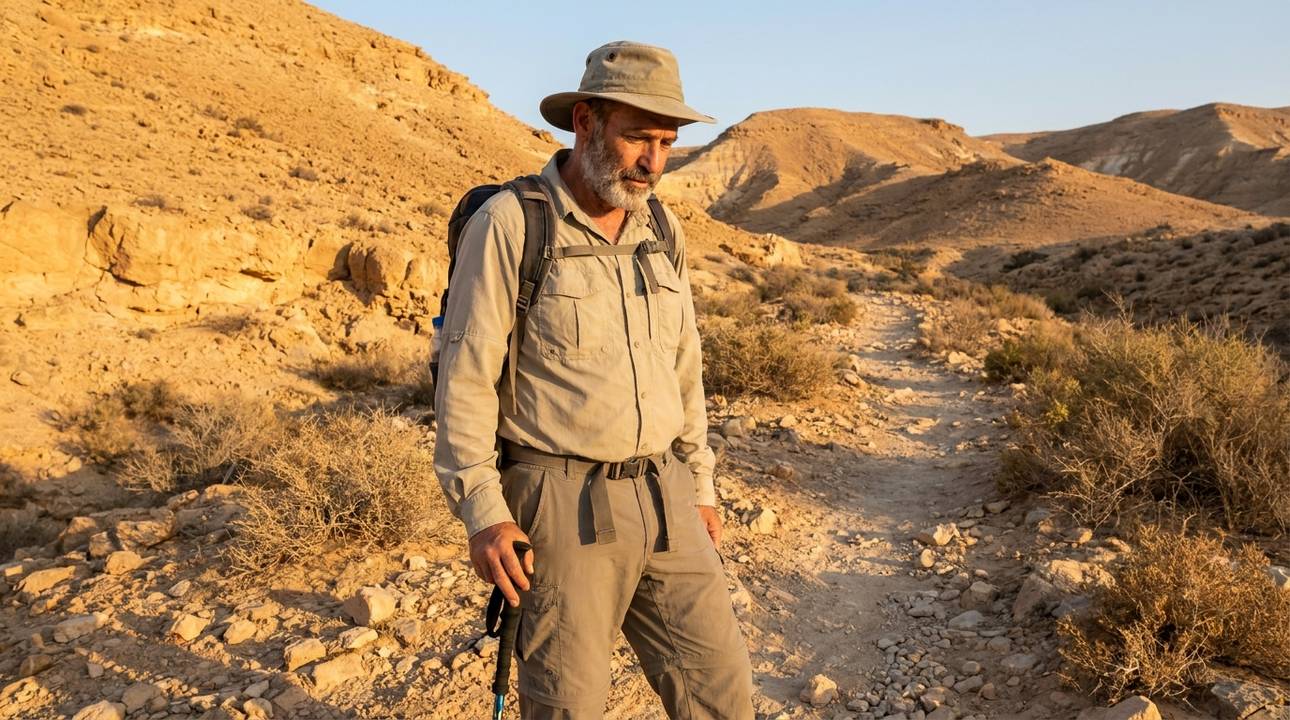
Known for its searing temperatures and arid conditions, this region hosts a variety of unique flora and fauna adapted to desert life. The geography includes salt flats and mountainous terrains that paint a picture of a remarkable wilderness.
The rare Acacia trees and resilient desert foxes are just a few examples of life thriving here, each species uniquely adapted to survive.
This environment shaped many experiences detailed in historical accounts, providing both literal and metaphorical landscapes for narratives of reflection and redemption.
It is mentioned in contexts like significant journeys, where the harshness of the land mirrored trials and triumphs. The desert’s challenges became a canvas for stories of perseverance.
Archaeological Discoveries in the Arabah
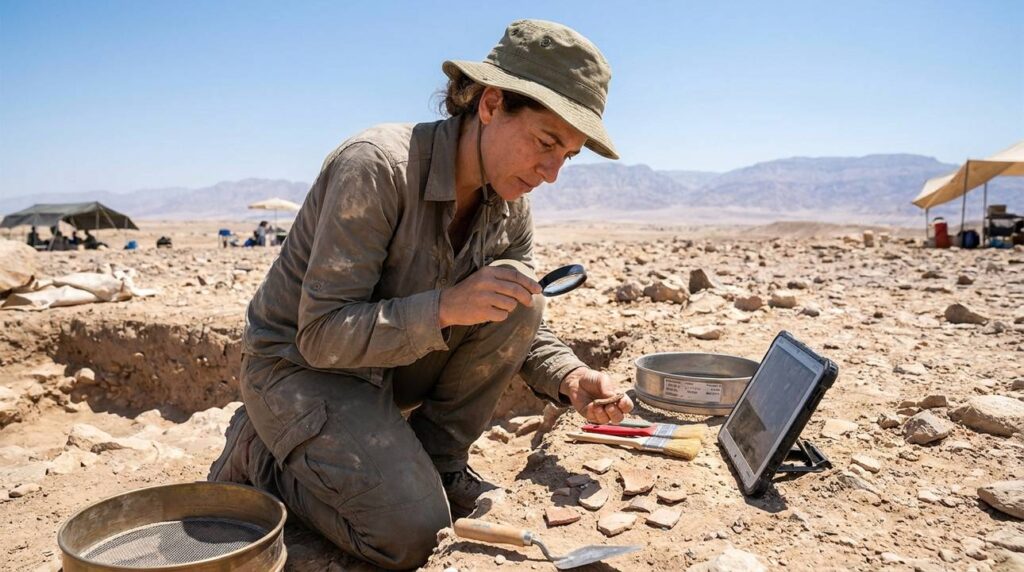
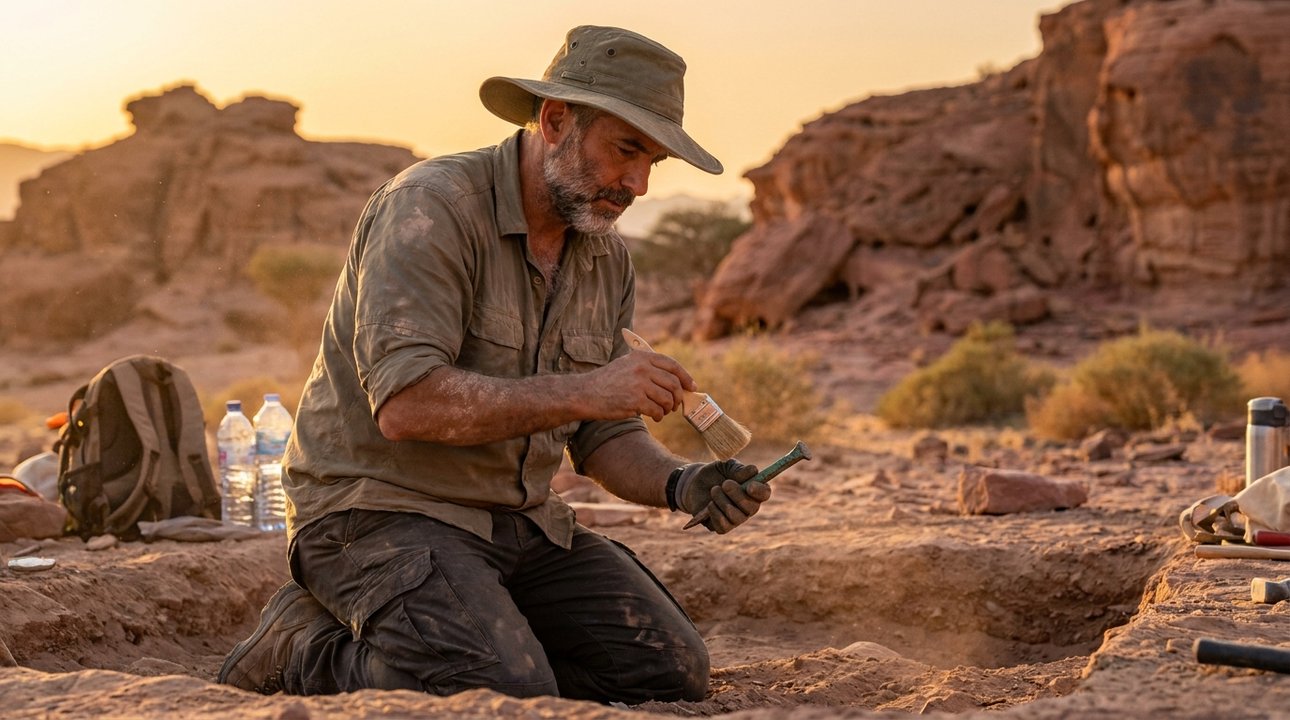
This region has revealed various archaeological findings, including ancient copper mines and remnants of settlements. The Timna Valley is one such site that dates back to the 10th century BCE. Excavations have uncovered tools and artifacts that suggest advanced mining techniques, indicating a sophisticated understanding of metallurgy. These discoveries offer insights into the economic activities during historical periods. Artifacts found in sites like Timna Valley suggest a history of trade and cultural exchanges within these desert borders. The presence of Egyptian hieroglyphs indicates interactions with neighboring civilizations, showcasing it as a hub of commerce and cultural exchange.
Cultural and Spiritual Aspects of the Arabah
This region not only figures in geographical and historical texts but also holds cultural importance. It is a symbol of solitude, reflection, and the arduous paths to growth found in many stories.
The experiences of those who traversed this land resonate with themes of struggle, enlightenment, and ultimately, deliverance.
The harsh desert conditions often served as a backdrop for personal transformation and encounters, illustrating the profound impact on narratives. The region’s stark beauty and isolation provided a setting for introspection and awakening.
Each gift box may feature a curated selection of 6-8 products, and the contents vary, offering a thoughtful gift for those who appreciate unique cultural items.
Present-Day Arabah: an Informational Overview
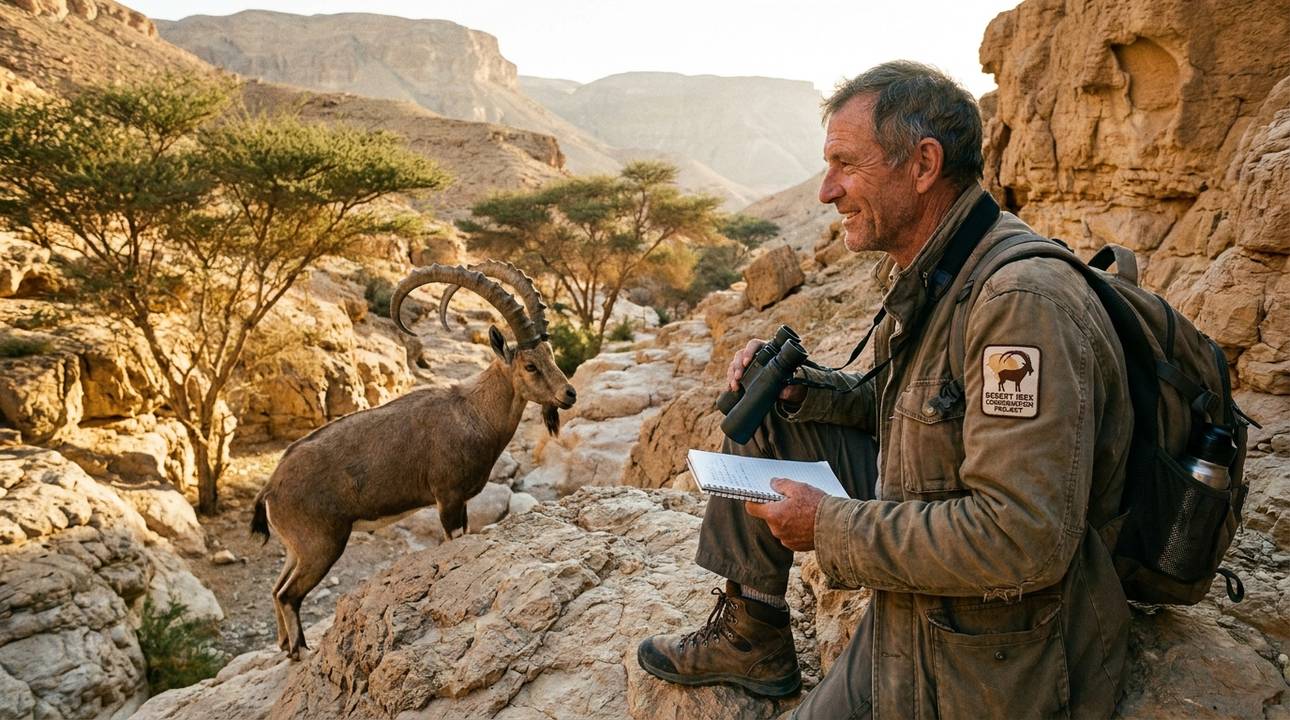
Today, this area is appreciated for its natural beauty and geological features, maintaining its status as a unique desert ecosystem. The region is home to diverse species, including the rare Nubian ibex and various migratory birds.
The ibex can often be seen scaling the rocky cliffs with agility, a sight that captures the essence of survival in such a harsh environment. Modern studies focus on its biodiversity and conservation efforts.
Understanding its historical role enriches modern views, linking the past’s rich narratives to present-day appreciation of this majestic region. Conservationists work to preserve its unique habitats, ensuring that future generations can enjoy its wonders.
Efforts include protecting the natural flora and fauna and maintaining the delicate ecological balance.
Rediscovering the Arabah Through Lev Haolam
As you explore the intricate history of this region, Lev Haolam invites you to discover more about Israel’s diverse landscapes through our curated products. Each item reflects the spirit of this land, enabling you to support small businesses and connect with the heart of Israel. Our boxes may include products like artisanal olive oil and handcrafted ceramics, each telling a story of tradition and craftsmanship. Our subscription boxes offer an authentic taste of Israeli culture, making it possible to cherish and support the communities arising from such historical areas. By choosing these products, you are part of a story that bridges historical roots with modern creativity. The items serve as a tangible connection to the land and its heritage.
Geographical and Historical Insights
