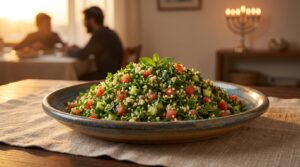
Vibrant Israeli Tabbouleh Salad
4 March 11:51
229
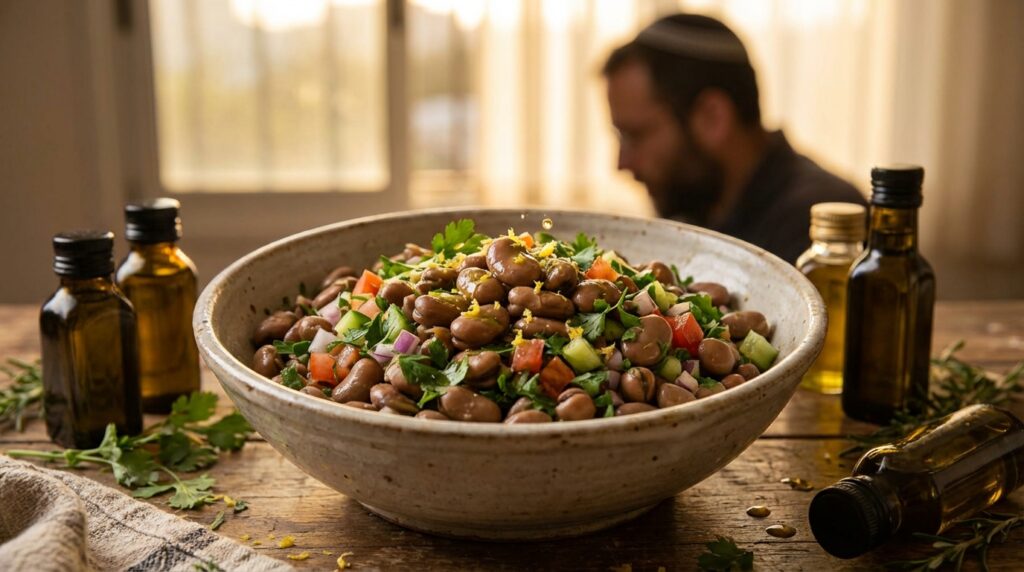

Foul salad, made primarily with fava beans, has roots in Middle Eastern culinary traditions. It is a staple in many Israeli households, often served as part of a mezze spread. The dish is celebrated for its nutritious ingredients and vibrant flavors, making it a favorite among those who enjoy healthy eating.
The origins of foul salad can be traced back to ancient times when fava beans were a common crop in the region. Over the centuries, the recipe has evolved, incorporating various herbs and spices that reflect the diverse influences on Israeli cuisine. Today, it is enjoyed by people from all walks of life, symbolizing the rich cultural tapestry of Israel.
In modern Israeli kitchens, foul salad is often prepared with a personal touch, with each family adding their unique twist. Some might include a hint of garlic or a sprinkle of cumin, while others prefer a more straightforward approach. This adaptability is part of what makes foul salad so special and enduring.
The nutritional benefits of foul salad are numerous, thanks to its primary ingredient, fava beans. These beans are an excellent source of plant-based protein, essential for maintaining muscle health and energy levels. Additionally, they provide dietary fiber, which aids digestion and promotes a feeling of fullness, making the salad a satisfying meal option.
Foul salad is also rich in vitamins and minerals, including iron, magnesium, and potassium. These nutrients support various bodily functions, such as oxygen transport, bone health, and nerve function. The inclusion of fresh herbs like parsley and mint adds an extra boost of antioxidants, which help protect the body from oxidative stress.
The salad’s dressing, typically made with olive oil and lemon juice, contributes healthy fats and vitamin C. Olive oil is known for its heart-healthy properties, while lemon juice provides a refreshing tang and aids in the absorption of iron from the beans. Together, these ingredients create a balanced and flavorful dish that is both nourishing and delicious.
Whether served as a side dish, a light lunch, or part of a larger feast, foul salad is incredibly versatile. Its fresh and zesty flavors complement a wide range of dishes, from grilled meats to roasted vegetables. This adaptability makes it a popular choice for gatherings and celebrations, where it can be easily paired with other traditional Israeli foods.
In addition to its culinary versatility, foul salad is also easy to prepare. With just a few simple ingredients and minimal cooking time, it is an ideal dish for those who want to enjoy a taste of Israel without spending hours in the kitchen. This simplicity, combined with its health benefits, makes foul salad a staple in many homes.
The communal aspect of sharing a meal is deeply ingrained in Israeli culture, and foul salad plays a role in this tradition. Often served as part of a mezze, it encourages people to gather around the table, share stories, and enjoy each other’s company. This social element adds another layer of enjoyment to the dish, making it more than just a meal but a shared experience.