
Discovering the Unique Flavors of Israeli and Moroccan Couscous
3 May 15:23
274
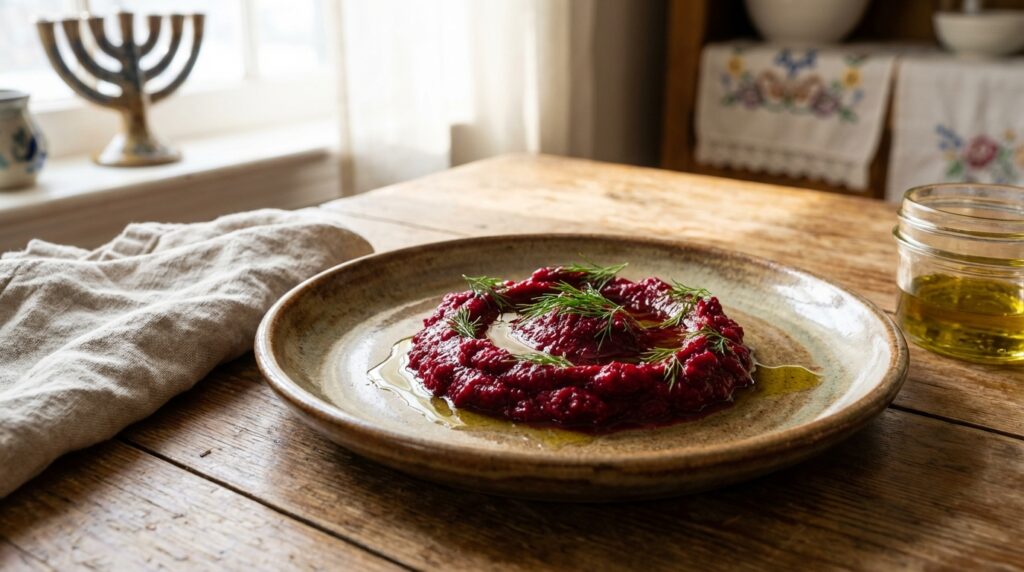

This vibrant condiment has its roots in Eastern European Jewish cuisine, where it was traditionally served during festive occasions. The combination of beets and horseradish creates a unique flavor profile that is both earthy and spicy, making it a favorite among many families.
In Israel, beet horseradish has become a beloved addition to various dishes, from roasted meats to sandwiches. Its bright color and bold taste make it a standout on any table, often used to add a pop of flavor and color to meals.
The preparation of beet horseradish is simple yet rewarding. Fresh beets are cooked until tender, then grated and mixed with freshly grated horseradish root. This mixture is then seasoned with vinegar and sugar to balance the flavors, creating a condiment that is both tangy and spicy.
During Passover, beet horseradish is often served as part of the Seder meal, symbolizing the bitterness of slavery and the sweetness of freedom. Its presence on the table is a reminder of the resilience and strength of the Jewish people throughout history.
Beyond its cultural significance, beet horseradish is also appreciated for its health benefits. Beets are rich in antioxidants and vitamins, while horseradish is known for its anti-inflammatory properties. Together, they create a nutritious addition to any diet.
Many Israeli families have their own variations of beet horseradish, passed down through generations. Some add a touch of garlic or a hint of lemon juice to enhance the flavors, while others keep it simple and traditional.
Whether served alongside a hearty brisket or spread on a slice of challah, beet horseradish brings a vibrant touch to meals. Its versatility and bold taste make it a cherished condiment in Israeli cuisine, enjoyed by both young and old.
The process of making beet horseradish can be a fun and engaging activity for families. Involving children in the preparation not only teaches them about their culinary heritage but also creates lasting memories in the kitchen.
As more people discover the unique flavors of beet horseradish, it continues to gain popularity beyond Israel. Its appeal lies in its simplicity and the way it elevates everyday dishes into something special.