Authentic Israeli Hummus Delight
23 March 10:58
554
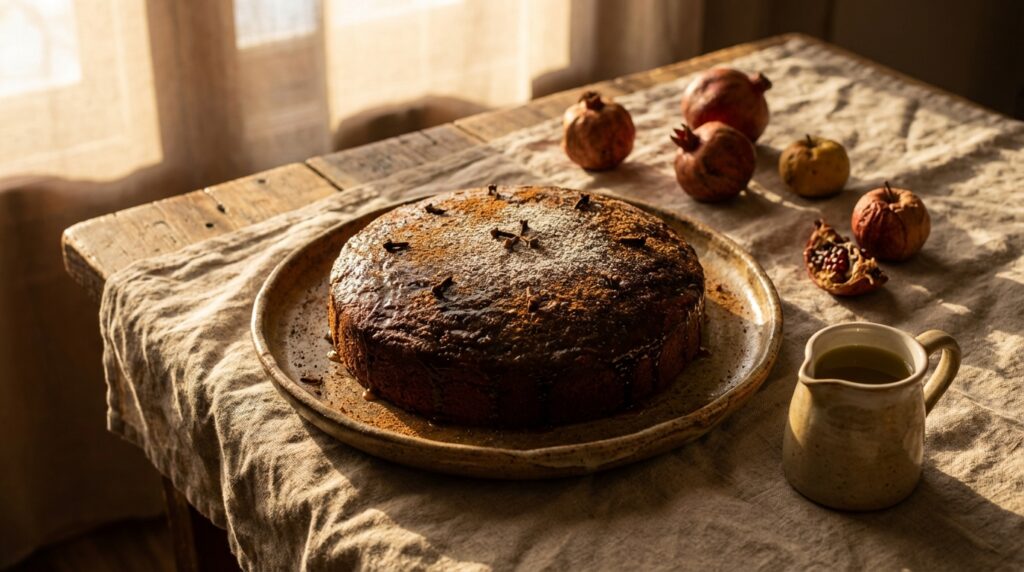

The tradition of eating honey cake during Rosh Hashanah dates back centuries. It is believed that the sweetness of honey represents the hope for a sweet and prosperous new year. Families gather to share this delightful dessert, often passing down cherished recipes through generations.
In many Jewish households, honey cake is more than just a dessert; it’s a symbol of continuity and togetherness. The act of baking and sharing this cake brings families closer, reinforcing bonds and creating lasting memories. Each bite is a reminder of the love and warmth shared among loved ones.
The ingredients used in honey cake are simple yet meaningful. Honey, the star of the recipe, is a natural sweetener that has been treasured for its health benefits and symbolic significance. Spices like cinnamon and cloves add depth and warmth, enhancing the cake’s comforting flavors.
While the basic ingredients remain consistent, variations in honey cake recipes reflect the diverse cultural influences within the Jewish community. Some families add nuts or dried fruits, while others incorporate coffee or tea for a richer taste. These adaptations showcase the creativity and adaptability of this timeless tradition.
In Israel, honey cake is often enjoyed not only during Rosh Hashanah but throughout the year. Its popularity extends beyond the holiday, making it a staple in many Israeli bakeries and homes. The cake’s moist texture and aromatic spices make it a favorite for any occasion.
As Rosh Hashanah approaches, the aroma of honey cake fills homes, signaling the start of a new year. This beloved tradition continues to bring joy and sweetness to families around the world, uniting them in celebration and hope for the future.
The process of making honey cake is as enjoyable as eating it. Families gather in the kitchen, with children and grandparents alike participating in the baking. This shared activity fosters a sense of community and connection, as stories and laughter are exchanged over mixing bowls and baking pans.
The recipe itself is often a closely guarded family secret, passed down through generations. Each family adds its own special touch, whether it’s a secret spice blend or a unique baking technique. These personal touches make each honey cake unique, adding to its charm and significance.
For many, the highlight of Rosh Hashanah is the moment when the honey cake is served. The anticipation builds as the cake is sliced, revealing its golden interior. The first bite is a celebration of flavors, a sweet promise of the year to come.