
Savor the Heartwarming Madrid Stew
26 April 10:35
253
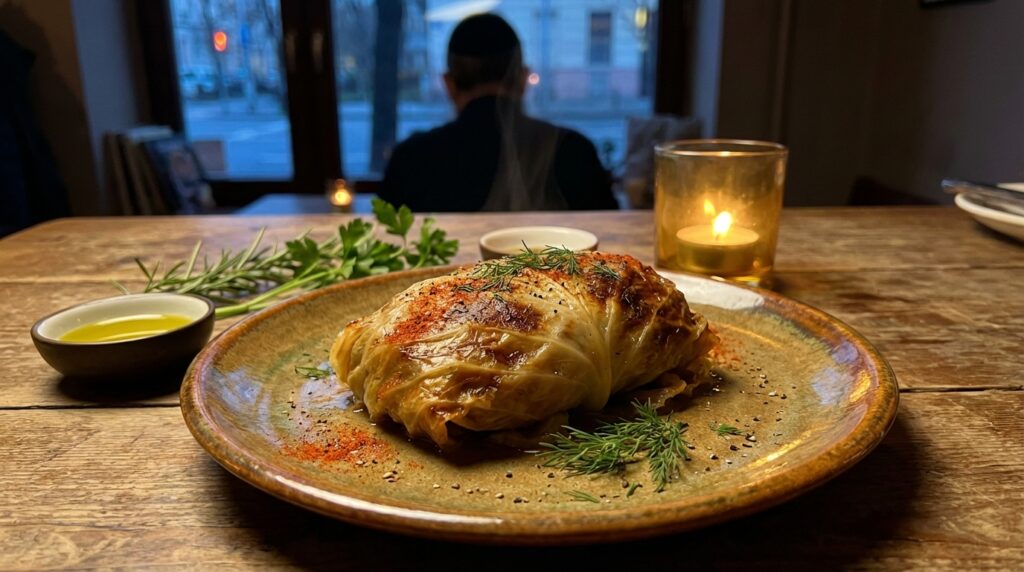

Originating from Eastern Europe, this dish made its way to Israel through Jewish immigrants. It quickly became a staple due to its hearty ingredients and comforting flavors. Families across Israel have embraced it, often adding their unique twists to the traditional recipe.
The dish is typically made with cabbage, ground beef, and a blend of spices that create a rich, savory taste. It’s often served during family gatherings and special occasions, bringing warmth and joy to the table. The combination of flavors is both nostalgic and satisfying, making it a favorite among many.
In Israel, Hungarian cabbage is more than just a meal; it’s a connection to the past. Many families have passed down their recipes through generations, each adding a personal touch. This cultural exchange has enriched the dish, making it a symbol of unity and tradition.
While the traditional recipe includes beef, many have adapted it to suit different dietary preferences. Vegetarian versions with mushrooms or lentils are popular, showcasing the dish’s flexibility. This adaptability has helped Hungarian cabbage remain relevant and cherished in modern kitchens.
Cooking Hungarian cabbage is often a communal activity, bringing families together in the kitchen. The process of preparing the ingredients and simmering the dish creates an opportunity for bonding and sharing stories. It’s a culinary experience that goes beyond taste, fostering connections and memories.
The aroma of Hungarian cabbage simmering on the stove is a familiar and comforting scent in many Israeli homes. It evokes memories of family gatherings and celebrations, where the dish takes center stage. This sensory experience is a testament to the dish’s enduring appeal and cultural significance.
The dish’s popularity continues to grow, with many chefs and home cooks experimenting with new ingredients and techniques. This innovation keeps the tradition alive while introducing the dish to new audiences. It’s a testament to the enduring appeal of Hungarian cabbage and its place in Israeli culinary heritage.
As the dish evolves, it remains a symbol of resilience and adaptability. Its roots in Eastern European cuisine and its transformation in Israeli kitchens reflect a journey of cultural exchange and culinary creativity. Hungarian cabbage is more than a meal; it’s a story of tradition, innovation, and community.
The future of Hungarian cabbage looks bright, with its flavors and history continuing to inspire new generations. As it adapts to modern tastes and preferences, it remains a beloved dish that brings people together. Its legacy is a celebration of culinary heritage and the joy of shared meals.