
Warm Poppy Seed Crescent Rolls for Family Gatherings
26 April 10:42
366
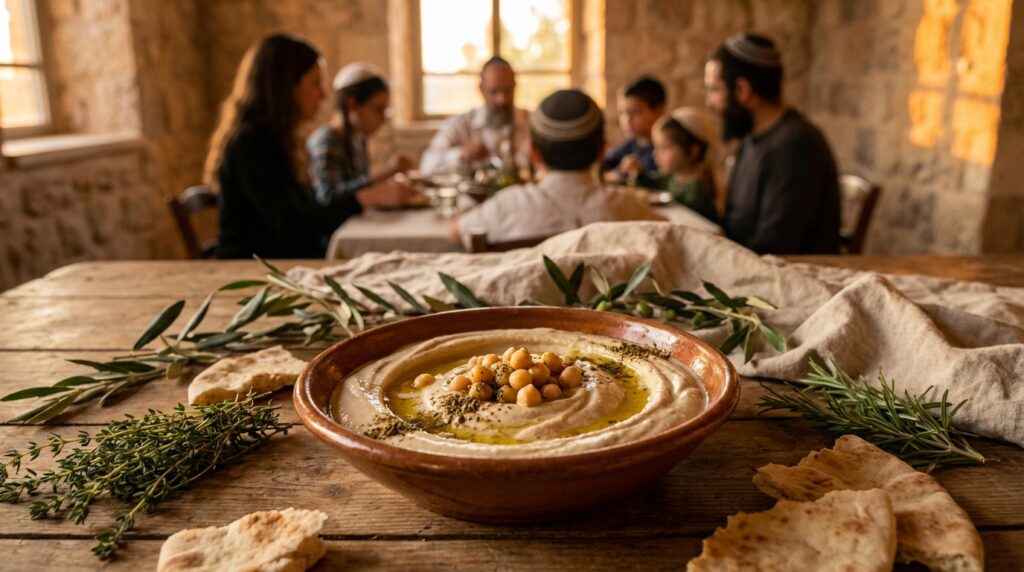

Originating from the Levant region, tahini is made from ground sesame seeds. Its rich, nutty flavor has made it a beloved ingredient across various cultures. In Israel, tahini is not just a condiment but a symbol of culinary tradition, often used in dishes like hummus and baba ganoush.
The process of making tahini involves roasting sesame seeds to enhance their flavor. Once roasted, the seeds are ground into a smooth paste. This method has been passed down through generations, preserving the authentic taste that many cherish today.
In Israeli households, tahini is more than just a food item; it represents a connection to the land and its history. Families often have their own unique recipes, adding personal touches that reflect their heritage. This cultural significance is what makes Israeli tahini truly special.
Rich in healthy fats, vitamins, and minerals, tahini is a nutritious addition to any diet. It is particularly high in calcium and protein, making it an excellent choice for those looking to boost their nutrient intake. Its health benefits are widely recognized, contributing to its popularity worldwide.
The versatility of tahini is another reason for its widespread use. It can be incorporated into both sweet and savory dishes, offering a unique flavor profile that enhances any meal. From salad dressings to desserts, tahini’s adaptability is unmatched.
Despite its ancient origins, tahini continues to evolve in modern cuisine. Chefs around the world are experimenting with new ways to incorporate this traditional paste into contemporary dishes, ensuring its place in the culinary world for years to come.
The quality of tahini can vary greatly depending on the sesame seeds used. Israeli tahini is often praised for its superior quality, attributed to the careful selection of seeds and meticulous preparation methods. This attention to detail results in a product that stands out in both flavor and texture.
Tahini’s role in Israeli culture extends beyond the kitchen. It is a part of social gatherings, family meals, and festive occasions, bringing people together through shared culinary experiences. This communal aspect highlights the importance of food in Israeli society.
As global interest in Middle Eastern cuisine grows, tahini’s popularity continues to rise. Its unique flavor and health benefits make it a sought-after ingredient in kitchens around the world, bridging cultural gaps and introducing people to the rich culinary heritage of Israel.