Due to the war in Israel, shipments may be delayed. Thank you for standing with Israel.

Kaskaval Cheese Delight

A Taste of Israel's Rich Culinary Heritage
Explore the delightful taste of Kaskaval, a beloved Israeli cheese, in this comforting dish. Perfect for family gatherings or a cozy night in.
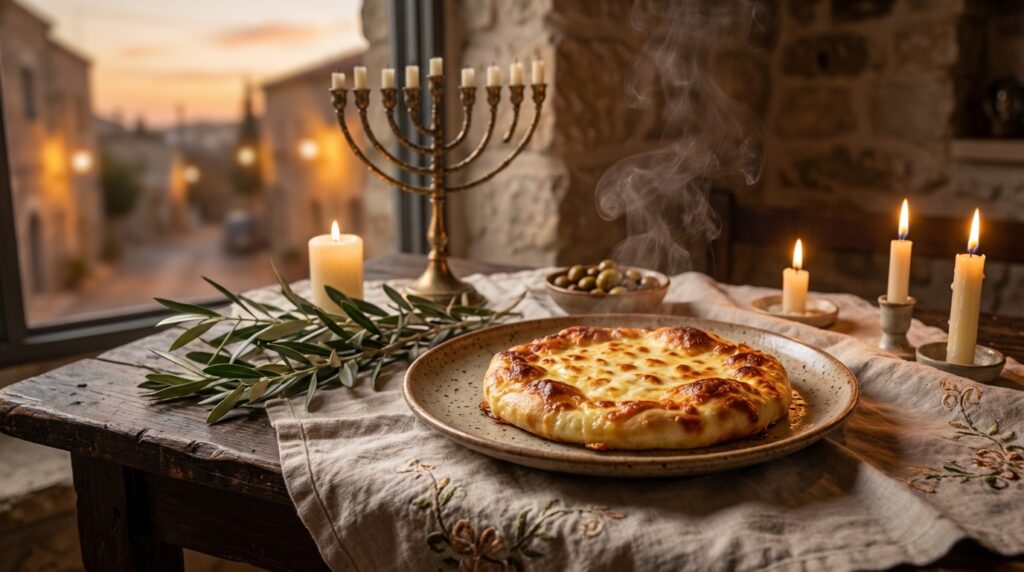
Image illustrating:Kaskaval Cheese Delight
5
David Pliner
Culinary & Israeli Heritage Enthusiast
Discover the rich flavors of Kaskaval, a cherished Israeli cheese dish, with our detailed recipe guide.

Health Benefits

  • Rich in calcium, supporting bone health.
  • Contains protein, aiding muscle repair.
  • Provides essential vitamins like B12.

Ingredients

Kaskaval cheese
200g
Olive oil
2 tablespoons
Fresh rosemary
1 sprig
Garlic cloves
2, minced
Salt
to taste
Black pepper
to taste

Chef's Tips for Perfect Kaskaval

For the best flavor, allow Kaskaval to reach room temperature before serving. This enhances its creamy texture and brings out its full taste. Pairing it with fresh herbs or a drizzle of olive oil can further elevate the dish.

Instructions

  • 1
    1
    Prepare the Cheese
    Slice the Kaskaval cheese into thick pieces. Allow it to sit at room temperature for about 30 minutes to enhance its flavor.
  • 2
    2
    Heat the Oil
    In a skillet, heat olive oil over medium heat. Add minced garlic and rosemary, sautéing until fragrant.
  • 3
    3
    Cook the Cheese
    Place the cheese slices in the skillet. Cook for 2-3 minutes on each side until golden brown and slightly melted.
  • 4
    4
    Season and Serve
    Season the cheese with salt and black pepper to taste. Serve immediately, garnished with fresh rosemary.

The Story of Kaskaval

Kaskaval cheese has deep roots in Mediterranean cuisine.

Originating from the Balkans, Kaskaval has become a staple in Israeli kitchens. Its unique flavor and texture make it a versatile ingredient in various dishes. This cheese is often enjoyed in both everyday meals and special occasions, reflecting its cultural significance.
In Israel, Kaskaval is cherished for its rich taste and melting quality. It is commonly used in pastries, sandwiches, and as a topping for baked dishes. The cheese’s adaptability has made it a favorite among chefs and home cooks alike.
The production of Kaskaval involves a traditional process that has been passed down through generations. This method ensures that each wheel of cheese maintains its authentic flavor and texture, making it a true representation of Israeli culinary heritage.

Kaskaval pairs wonderfully with fresh herbs and spices.

The cheese’s ability to absorb flavors makes it ideal for pairing with a variety of herbs and spices. Whether it’s rosemary, thyme, or za’atar, Kaskaval complements them beautifully, enhancing the overall taste of the dish.
Serving Kaskaval with a side of olives or sun-dried tomatoes can elevate its flavor profile. These accompaniments bring out the cheese’s natural richness, creating a harmonious blend of tastes that is both satisfying and memorable.
Kaskaval’s versatility extends to its use in both hot and cold dishes. Whether melted over a warm dish or sliced cold in a salad, its creamy texture and robust flavor make it a delightful addition to any meal.

Kaskaval is often featured in Israeli festive meals.

During holidays and celebrations, Kaskaval takes center stage in many traditional dishes. Its presence in these meals is a testament to its importance in Israeli culture, symbolizing togetherness and shared enjoyment.
The cheese’s popularity during festive occasions is not just due to its taste but also its ability to bring people together. Sharing a dish made with Kaskaval is a way to connect with loved ones and celebrate the richness of Israeli culinary traditions.
Kaskaval’s role in festive meals highlights its versatility and appeal. It can be used in a variety of dishes, from savory pies to cheese platters, making it a beloved choice for gatherings.


Related Recipes

FAQ

What is Kaskaval?
Kaskaval is a semi-hard cheese often used in Mediterranean and Middle Eastern cuisines.
Can I substitute Kaskaval with another cheese?
Yes, you can substitute with another semi-hard cheese like Gouda or Provolone.
How should I store Kaskaval cheese?
Store Kaskaval in the refrigerator, wrapped in wax paper or a cheese bag.