
Kaskaval Cheese Delight
19 April 09:03
214
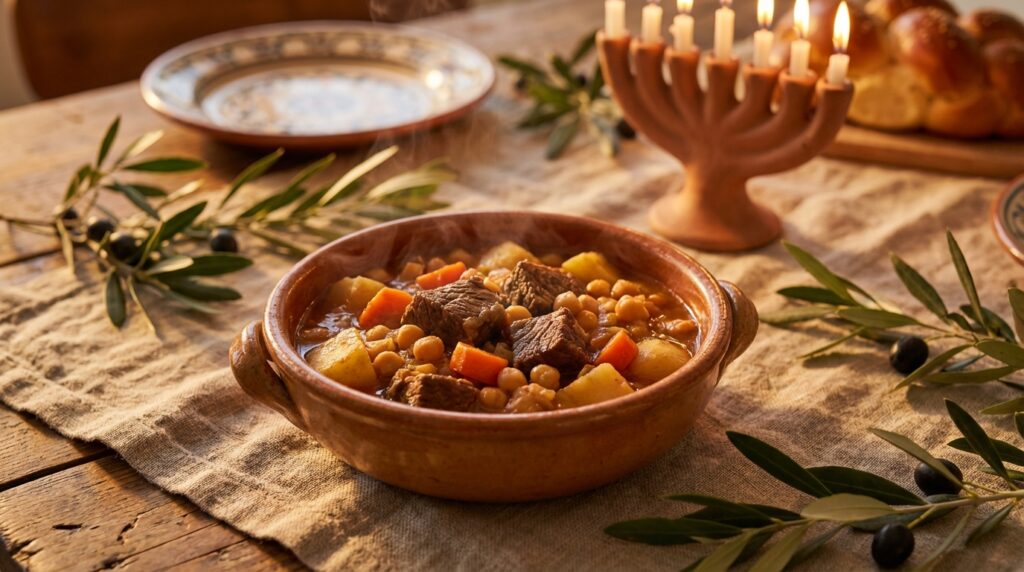

Originating from Spain, Madrid Stew has been embraced by Israeli families for its hearty and comforting nature. The dish typically includes a variety of meats and vegetables, simmered to perfection. It is often enjoyed during the colder months, providing warmth and nourishment.
The stew’s introduction to Israel is linked to the Sephardic Jewish community, who brought their culinary traditions with them. Over time, the recipe has evolved, incorporating local ingredients and flavors, making it a staple in many Israeli households.
In Israel, Madrid Stew is not just a meal; it’s a symbol of cultural fusion and adaptation. Each family may have its own version, passed down through generations, reflecting their unique heritage and taste preferences.
Cooking Madrid Stew is often a communal activity, with family members gathering to prepare the ingredients. The process of slow-cooking allows the flavors to meld beautifully, creating a dish that is both satisfying and deeply flavorful.
Traditionally, the stew is served in large bowls, accompanied by fresh bread to soak up the delicious broth. This practice highlights the communal and sharing nature of the meal, bringing people together around the table.
The popularity of Madrid Stew continues to grow, with many modern chefs adding their own twist to the classic recipe. Despite these innovations, the essence of the dish remains unchanged, celebrating its historical roots and cultural significance.
For those who wish to explore Israeli culinary traditions, Madrid Stew offers a perfect starting point. Its rich history and comforting flavors provide a taste of the past, while its adaptability ensures it remains relevant in contemporary kitchens.
Whether enjoyed at a family gathering or a festive occasion, Madrid Stew embodies the spirit of togetherness and cultural heritage. Its ability to bring warmth and joy to any table makes it a cherished dish in Israeli cuisine.
The dish’s versatility allows it to be adapted to various dietary preferences, making it accessible to a wide audience. This adaptability is a testament to its enduring appeal and cultural significance.