Due to the war in Israel, shipments may be delayed. Thank you for standing with Israel.

Creating a Traditional Sesame Seed Dish for Passover

A Taste of Tradition: Sesame Seeds in Israeli Cuisine
Explore the delightful use of sesame seeds in a traditional Israeli dish, perfect for Passover. This recipe combines taste with cultural heritage.
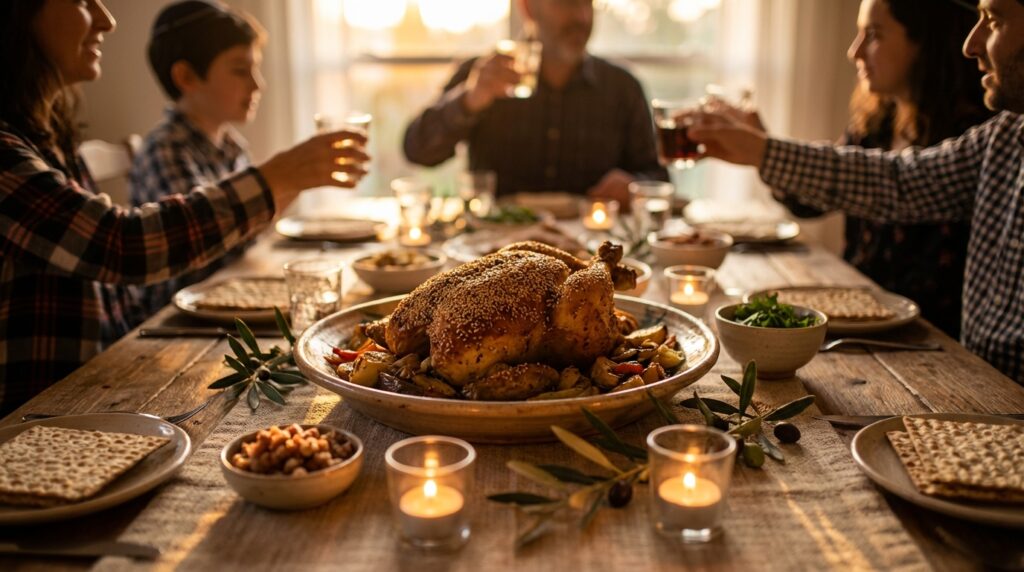
Image illustrating:Creating a Traditional Sesame Seed Dish for Passover
21
David Pliner
Culinary & Israeli Heritage Enthusiast
Discover the rich history and cultural significance of sesame seeds in Israeli cuisine, especially during Passover. Learn how to make a delightful sesame seed dish.

Health Benefits of Sesame Seeds

  • Rich in calcium and iron, supporting bone health.
  • Contains antioxidants that promote overall wellness.
  • Provides healthy fats and protein for energy.

Ingredients

Sesame seeds
1 cup
Honey
1/4 cup
Olive oil
2 tablespoons
Salt
1/2 teaspoon
Lemon juice
1 tablespoon

Chef's Tips for Cooking with Sesame Seeds

Toasting sesame seeds before using them in recipes enhances their flavor. Be sure to store them in a cool, dry place to maintain freshness. Experiment with sesame seeds in both sweet and savory dishes for a unique twist.

Instructions

  • 1
    1
    Prepare the Sesame Seeds
    Toast the sesame seeds in a dry skillet over medium heat until golden brown and fragrant. Stir frequently to prevent burning.
  • 2
    2
    Mix Ingredients
    In a bowl, combine the toasted sesame seeds, honey, olive oil, salt, and lemon juice. Mix well until all ingredients are thoroughly combined.
  • 3
    3
    Shape and Chill
    Form the mixture into small balls or bars. Place them on a baking sheet lined with parchment paper and refrigerate for at least 30 minutes to set.
  • 4
    4
    Serve and Enjoy
    Once chilled, serve the sesame seed treats as a delightful addition to your Passover meal. Enjoy the nutty flavor and rich history of this traditional dish.

The History of Sesame Seeds in Israeli Cuisine

Sesame seeds have been a staple in Middle Eastern cuisine for centuries.

The use of sesame seeds in cooking dates back to ancient times. In Israel, these tiny seeds have been cherished for their rich flavor and versatility. They are often used in both savory and sweet dishes, adding a unique texture and taste.
During Passover, sesame seeds are a popular ingredient due to their symbolic significance and adaptability. They can be incorporated into various recipes, from breads to desserts, providing a nutty flavor that complements many traditional dishes.
The cultivation of sesame seeds in the region has a long history, with evidence of their use found in archaeological sites. This deep-rooted tradition continues to influence modern Israeli cuisine, where sesame seeds are celebrated for their health benefits and culinary potential.

Sesame seeds are rich in nutrients and offer numerous health benefits.

Incorporating sesame seeds into your diet can provide essential vitamins and minerals. They are an excellent source of calcium, iron, and magnesium, making them a nutritious addition to any meal. Their health benefits have been recognized for generations, contributing to their enduring popularity.
The versatility of sesame seeds allows them to be used in a wide range of dishes. From tahini to halva, these seeds are a key ingredient in many beloved Israeli foods. Their ability to enhance flavors while offering nutritional value makes them a favorite among chefs and home cooks alike.
As you prepare your Passover meals, consider the rich history and cultural significance of sesame seeds. By incorporating them into your dishes, you not only honor tradition but also enjoy the delightful taste and health benefits they bring.


Related Recipes

FAQ

Are sesame seeds kosher for Passover?
Yes, sesame seeds are generally considered kosher for Passover, but it's best to check with your local authority.
Why are sesame seeds popular in Israeli dishes?
Sesame seeds add a nutty flavor and crunchy texture to dishes, making them a popular choice in Israeli cuisine.