Due to the war in Israel, shipments may be delayed. Thank you for standing with Israel.

Delicious Sfinge: A Sweet Israeli Delight

Experience the joy of making traditional Sfinge at home.
Learn how to make Sfinge, a beloved Israeli treat, with our detailed recipe. Perfect for family gatherings and festive occasions.
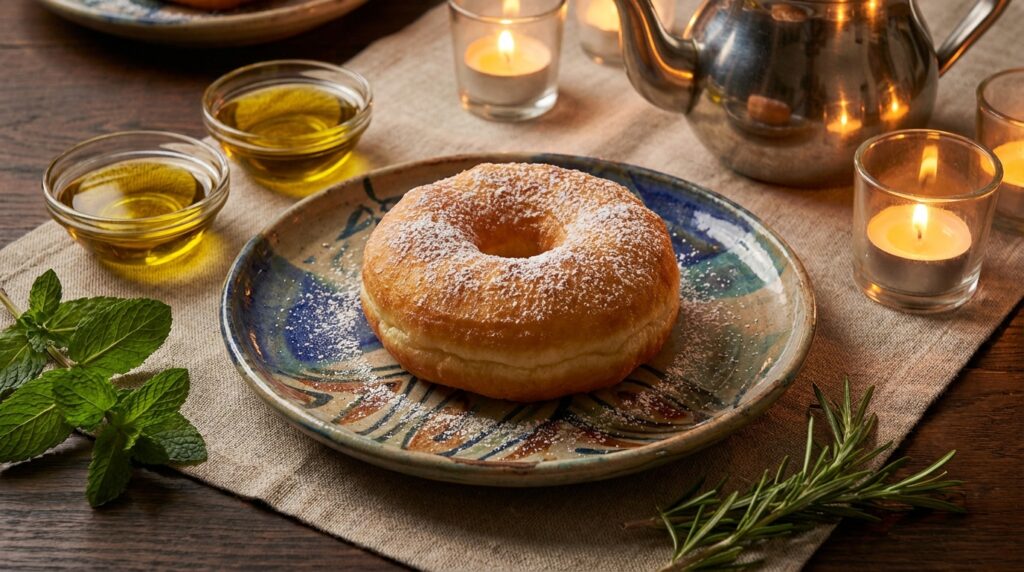
Image illustrating:Delicious Sfinge: A Sweet Israeli Delight
20
David Pliner
Culinary & Israeli Heritage Enthusiast
Discover the delightful taste of Sfinge, a traditional Israeli treat, with our easy-to-follow recipe. Perfect for sharing with family and friends.

Health Benefits

  • Sfinge is a source of carbohydrates, providing energy.
  • Frying in vegetable oil offers unsaturated fats, which are healthier than saturated fats.
  • Enjoying Sfinge in moderation can be part of a balanced diet.

Ingredients

All-purpose flour
3 cups
Warm water
1 1/2 cups
Active dry yeast
1 tablespoon
Sugar
2 tablespoons
Salt
1 teaspoon
Vegetable oil (for frying)
As needed
Honey or powdered sugar (for topping)
To taste

Chef's Tips

For the best results, make sure your oil is hot enough before frying. Use a thermometer to maintain a consistent temperature, ensuring your Sfinge turns out perfectly golden and crispy.

Instructions

  • 1
    1
    Prepare the Dough
    In a large bowl, combine the flour, sugar, and salt. In a separate bowl, dissolve the yeast in warm water and let it sit for about 5 minutes until frothy. Gradually add the yeast mixture to the dry ingredients, mixing until a sticky dough forms.
  • 2
    2
    Let the Dough Rise
    Cover the bowl with a clean cloth and let the dough rise in a warm place for about 1 to 2 hours, or until it has doubled in size. This step is crucial for achieving the light and airy texture of Sfinge.
  • 3
    3
    Heat the Oil
    In a deep frying pan, heat the vegetable oil over medium heat. Use a thermometer to ensure the oil reaches a consistent temperature of 350°F (175°C). This will help the Sfinge cook evenly and achieve a golden color.
  • 4
    4
    Shape and Fry the Sfinge
    Once the dough has risen, use your hands to pull off small pieces and shape them into rings or balls. Carefully drop them into the hot oil, frying a few at a time to avoid overcrowding. Fry until golden brown, about 2 to 3 minutes per side.
  • 5
    5
    Drain and Serve
    Remove the Sfinge from the oil using a slotted spoon and place them on a paper towel-lined plate to drain excess oil. Drizzle with honey or dust with powdered sugar before serving. Enjoy your homemade Sfinge warm with family and friends.

The Story of Sfinge

Sfinge is a beloved treat in Israeli culture, especially during festive times.

Originating from North Africa, Sfinge has become a staple in Israeli cuisine. These doughnuts are traditionally made during Hanukkah, symbolizing the miracle of the oil. Families gather to enjoy these sweet treats, sharing stories and laughter.
The preparation of Sfinge is a cherished ritual in many households. The dough is carefully mixed and allowed to rise, creating a light and airy texture. Once fried, the doughnuts are drizzled with honey or dusted with sugar, adding a delightful sweetness.
Sfinge is more than just a dessert; it represents community and togetherness. In Israel, it’s common to see families and friends coming together to make and enjoy these delicious doughnuts, creating memories that last a lifetime.

The name ‘Sfinge’ is derived from the Arabic word for sponge, reflecting its soft texture.

In many Israeli homes, the making of Sfinge is a multi-generational affair. Grandparents pass down their recipes and techniques to the younger generation, ensuring that the tradition continues. This sharing of knowledge strengthens family bonds and preserves cultural heritage.
The ingredients for Sfinge are simple, yet the result is extraordinary. Flour, water, yeast, and a touch of sugar come together to create a dough that is both light and flavorful. The key to perfect Sfinge lies in the frying process, which requires patience and skill.
As the doughnuts sizzle in the hot oil, their golden hue and enticing aroma fill the kitchen. This sensory experience is a highlight for many, as the anticipation builds for that first sweet bite. Sfinge is often enjoyed with a cup of tea or coffee, enhancing the overall experience.

Sfinge is often enjoyed during Hanukkah, celebrating the miracle of the oil.

The tradition of making Sfinge has spread beyond Israel, with many Jewish communities around the world embracing this delightful treat. Each community adds its own unique twist, whether it’s a special filling or a different type of sweetener. This adaptability has helped Sfinge remain a beloved dessert across generations.
In recent years, Sfinge has gained popularity among food enthusiasts who appreciate its simplicity and rich cultural background. Chefs and home cooks alike experiment with various flavors and toppings, keeping the tradition alive while adding modern flair.
The joy of making and sharing Sfinge is a testament to its enduring appeal. Whether enjoyed during a festive occasion or as a simple dessert, Sfinge brings people together, creating moments of happiness and connection.


Related Recipes

FAQ

What is Sfinge?
Sfinge is a traditional Israeli doughnut, often enjoyed during Hanukkah and other celebrations.
Can I use a different sweetener instead of honey?
Yes, you can substitute honey with maple syrup or agave nectar for a different flavor.
How long can I store Sfinge?
Sfinge is best enjoyed fresh, but you can store them in an airtight container for up to two days.