Delicious Nutella Hamantaschen for Every Occasion
17 May 17:09
202
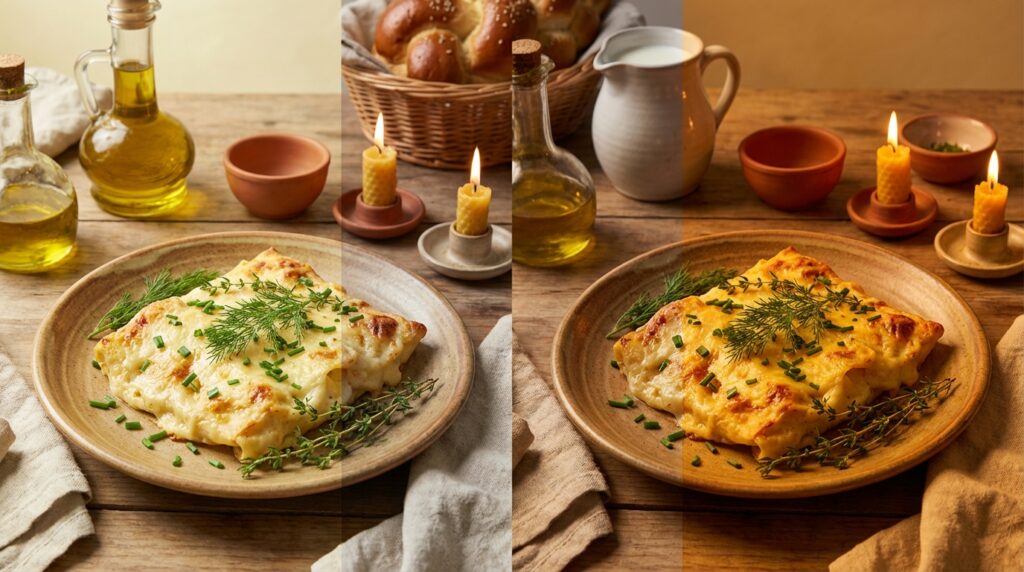

The festival of Shavuot marks the giving of the Torah at Mount Sinai. It is a joyous occasion celebrated with dairy foods, symbolizing the ‘land flowing with milk and honey.’ This tradition has been cherished for generations, bringing families together to enjoy special meals.
In Israel, Shavuot is not only a religious holiday but also a cultural event. Communities gather to celebrate the harvest, and the streets are filled with festive activities. The holiday is a time for reflection, gratitude, and connection with loved ones.
The culinary traditions of Shavuot are deeply rooted in history. Dairy dishes, such as cheesecakes and blintzes, are popular choices. These foods are not only delicious but also carry symbolic meanings, representing purity and abundance.
One of the most beloved Shavuot dishes is the cheese-filled pastry. This dish has evolved over time, with various regions adding their unique twists. It is a testament to the creativity and adaptability of Israeli cuisine, blending tradition with innovation.
The preparation of Shavuot dishes is often a communal activity. Families gather in kitchens, sharing recipes and stories passed down through generations. This sense of community and shared heritage is at the heart of Shavuot celebrations.
Shavuot is also a time for giving and sharing. Many people prepare extra dishes to share with neighbors and those in need. This spirit of generosity and kindness is a fundamental aspect of the holiday, reinforcing the values of community and compassion.
The holiday is an opportunity to reconnect with family and friends. Gatherings are filled with laughter, music, and, of course, delicious food. The shared meals and traditions create lasting memories, strengthening bonds and fostering a sense of belonging.
In modern Israel, Shavuot has taken on new dimensions. It is celebrated not only in homes but also in public spaces, with events that highlight the agricultural and cultural significance of the holiday. These celebrations reflect the vibrant and diverse nature of Israeli society.
The enduring appeal of Shavuot lies in its ability to adapt and remain relevant. While the core traditions remain, new customs and dishes continue to emerge, enriching the holiday experience. This dynamic nature ensures that Shavuot remains a cherished celebration for all generations.