Due to the war in Israel, shipments may be delayed. Thank you for standing with Israel.

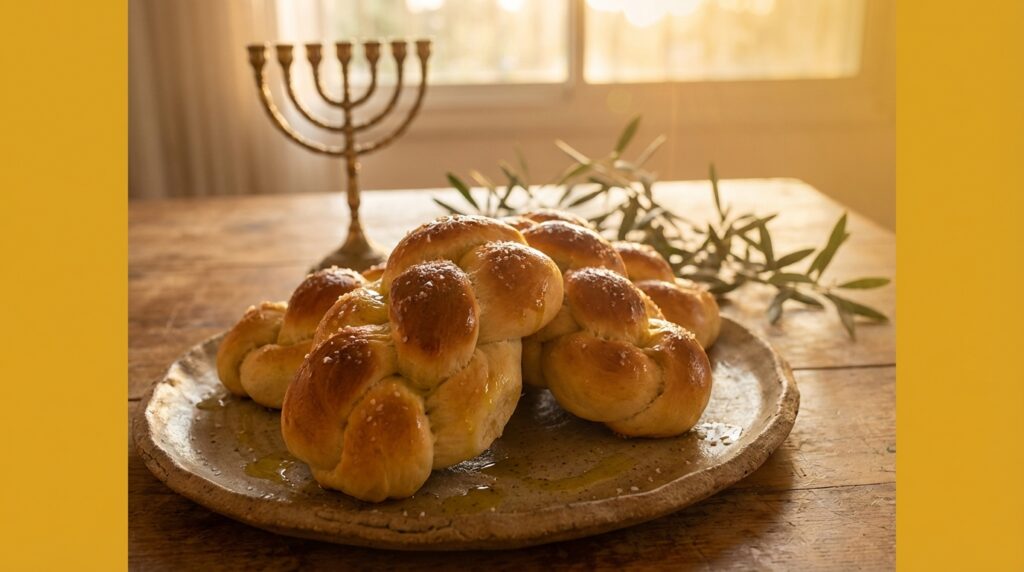
Traditional Jewish Rolls from the Heart of Israel

A beloved Israeli dish, Jewish rolls are perfect for sharing.
Explore the comforting taste and cultural heritage of Jewish rolls, a staple in Israeli cuisine, perfect for gatherings and celebrations.
Image illustrating:Traditional Jewish Rolls from the Heart of Israel
9
David Pliner
Culinary & Israeli Heritage Enthusiast
Discover the rich history and delightful flavors of traditional Jewish rolls, a beloved Israeli dish perfect for sharing with family and friends.

Health Benefits

  • Rich in carbohydrates for energy.
  • Low in fat when made with olive oil.
  • Can be a source of fiber if whole wheat flour is used.

Ingredients

All-purpose flour
4 cups
Warm water
1 1/2 cups
Active dry yeast
2 teaspoons
Salt
1 teaspoon
Sugar
2 tablespoons
Olive oil
2 tablespoons

Chef's Tips for Perfect Jewish Rolls

For the best results, let the dough rise in a warm, draft-free area. This ensures the rolls are light and fluffy. Experiment with toppings like sesame seeds or poppy seeds for added flavor and texture.

Instructions

  • 1
    1
    Prepare the Dough
    In a large mixing bowl, combine the warm water, yeast, and sugar. Stir gently and let it sit for about 5 minutes until the mixture becomes frothy. This indicates that the yeast is active and ready to use.
  • 2
    2
    Mix the Ingredients
    Add the flour, salt, and olive oil to the yeast mixture. Stir until a rough dough forms. Transfer the dough to a floured surface and knead for about 10 minutes until smooth and elastic.
  • 3
    3
    First Rise
    Place the dough in a lightly oiled bowl, cover with a damp cloth, and let it rise in a warm area for about 1 hour, or until it has doubled in size. This step is crucial for developing the flavor and texture of the rolls.
  • 4
    4
    Shape the Rolls
    Punch down the dough to release excess air. Divide it into 12 equal pieces and shape each piece into a roll. Place the rolls on a baking sheet lined with parchment paper, leaving space between each roll.
  • 5
    5
    Second Rise
    Cover the rolls with a damp cloth and let them rise again for about 30 minutes. This second rise ensures that the rolls will be light and fluffy when baked.
  • 6
    6
    Bake the Rolls
    Preheat the oven to 375°F (190°C). Bake the rolls for 20-25 minutes, or until they are golden brown and sound hollow when tapped on the bottom. Let them cool slightly before serving.

History of Jewish Rolls

Jewish rolls have been a staple in Israeli households for generations.

The origins of Jewish rolls trace back to the early Jewish communities in Eastern Europe. These communities cherished bread-making as a daily ritual, infusing their loaves with love and tradition. As families migrated to Israel, they brought their cherished recipes with them, adapting them to local ingredients and tastes.
In Israel, Jewish rolls have become more than just a food item; they are a symbol of community and togetherness. Often served during Shabbat and festive occasions, these rolls are a testament to the enduring spirit of the Jewish people. The process of making these rolls is often a family affair, with each member contributing to the preparation.
The simplicity of the ingredients—flour, water, yeast, and salt—belies the depth of flavor and texture that these rolls offer. The secret lies in the technique, passed down through generations, ensuring that each roll is perfectly soft and fluffy. The aroma of freshly baked rolls is enough to bring families together around the table.

Today, Jewish rolls are enjoyed by people of all backgrounds in Israel.

Modern Israeli bakers have put their own spin on traditional Jewish rolls, experimenting with different flours, seeds, and spices to create unique variations. Despite these innovations, the essence of the rolls remains unchanged, preserving the connection to their historical roots. This blend of tradition and innovation is a hallmark of Israeli cuisine.
Jewish rolls are often accompanied by a variety of spreads and dips, enhancing their flavor and making them a versatile addition to any meal. From hummus to olive tapenade, the possibilities are endless. This adaptability has helped Jewish rolls maintain their popularity in a rapidly changing culinary landscape.
The cultural significance of Jewish rolls extends beyond their taste. They represent a link to the past, a way to honor the traditions of ancestors while embracing the future. Each roll tells a story of resilience, community, and the joy of sharing food with loved ones.

Jewish rolls continue to be a favorite in Israeli bakeries and homes.

As more people discover the delights of Jewish rolls, their popularity continues to grow. Whether enjoyed fresh from the oven or toasted with butter, they offer a comforting taste of home. The rolls are a reminder of the warmth and hospitality that are central to Israeli culture.
For those who have never tried making Jewish rolls at home, the process can be a rewarding experience. The tactile nature of kneading the dough and shaping the rolls connects bakers to a timeless tradition. Sharing these homemade rolls with family and friends is a way to create new memories while honoring old ones.
Jewish rolls are more than just a recipe; they are a celebration of life, love, and the enduring spirit of the Jewish people. As they continue to be passed down through generations, they remain a cherished part of Israeli culinary heritage.


Related Recipes

FAQ

Can I use whole wheat flour instead of all-purpose flour?
Yes, you can use whole wheat flour for a healthier version. Adjust the water as needed.
What dishes go well with Jewish rolls?
Jewish rolls pair well with soups, salads, or as a side to any main dish.
How should I store leftover Jewish rolls?
Store them in an airtight container at room temperature for up to two days.