Persian Kosher Lamb Stew
7 May 10:36
235
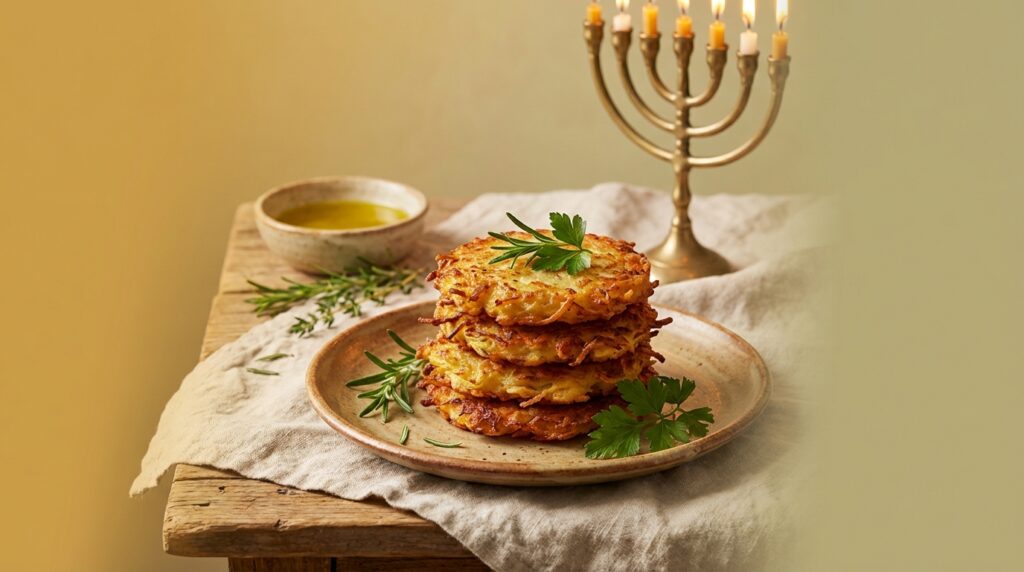

Originating from Eastern Europe, latkes have become an integral part of Israeli culinary tradition. These crispy potato pancakes are not only delicious but also carry a rich cultural significance. Traditionally, they are fried in oil, symbolizing the miracle of the oil that lasted eight days in the Hanukkah story.
The word ‘latke’ itself comes from the Yiddish language, reflecting the dish’s Ashkenazi Jewish roots. Over time, latkes have evolved, with various regions adding their unique twists. In Israel, they are often enjoyed with sour cream or applesauce, adding a delightful contrast to their savory flavor.
In modern Israeli kitchens, latkes are not just reserved for Hanukkah. They are a beloved comfort food, enjoyed by families throughout the year. Whether served as a side dish or a main course, latkes bring people together, celebrating heritage and community.
The preparation of latkes is often a family affair, with recipes passed down through generations. Each family might have its secret ingredient or method, making their latkes unique. This communal cooking experience strengthens bonds and preserves cultural heritage.
In Israel, latkes are more than just a dish; they are a connection to the past. They remind us of the perseverance and creativity of those who came before us. By making latkes, we honor these traditions and keep them alive for future generations.
The simplicity of ingredients—potatoes, onions, eggs, and flour—belies the depth of flavor and history they carry. Each bite of a latke is a taste of history, a reminder of the enduring spirit of the Jewish people.
For those looking to explore different flavors, latkes can be made with sweet potatoes, zucchini, or even carrots. These variations offer a fresh take on the classic recipe while maintaining the essence of the dish. Experimenting with spices and herbs can also add a new dimension to the traditional latke.
Incorporating different vegetables not only adds color and flavor but also makes latkes accessible to a wider audience, including those with dietary restrictions. This adaptability ensures that everyone can enjoy the joy of latkes, regardless of their dietary preferences.
As latkes continue to evolve, they remain a beloved symbol of Jewish culture and Israeli cuisine. Whether enjoyed during Hanukkah or as a comforting meal any time of the year, latkes bring warmth and joy to the table.