
Create Delicious Dishes with Preserved Lemons
26 April 10:53
254
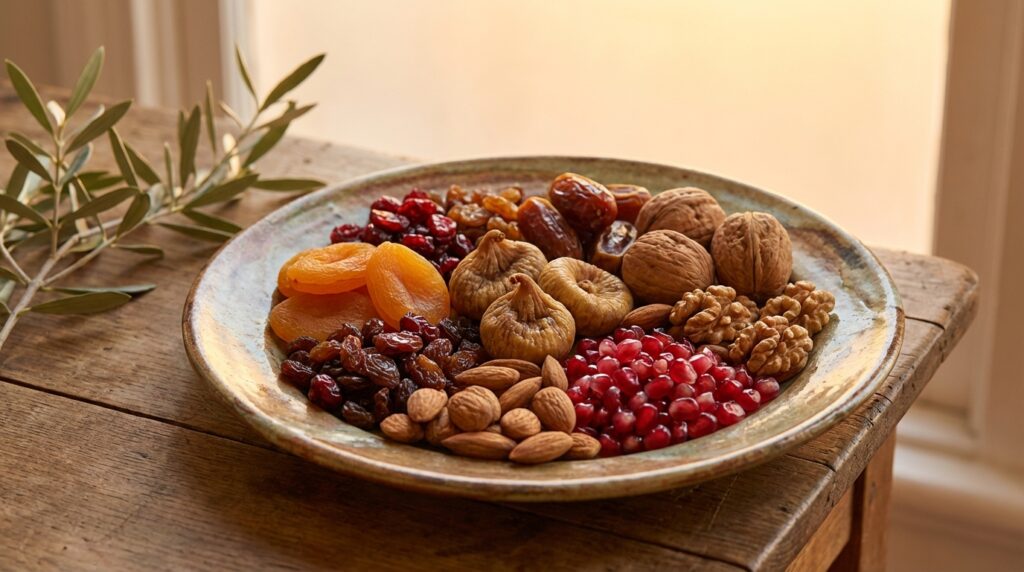

The holiday of Tu Bishvat has its roots in ancient Jewish tradition, marking the beginning of the agricultural cycle. It is a time when the first blossoms appear on the trees, symbolizing renewal and hope. Traditionally, it is celebrated by eating fruits and nuts, especially those that are native to the land of Israel, such as figs, dates, and almonds.
In modern times, Tu Bishvat has also become a day of environmental awareness, with many communities planting trees and promoting ecological sustainability. This connection to nature and the land is a central theme of the holiday, making it a meaningful occasion for many.
The seder meal for Tu Bishvat is a relatively new tradition, inspired by the Passover seder. It involves a ceremonial meal with symbolic foods, each representing different aspects of the holiday. This practice has been embraced by many Jewish communities around the world, adding depth and meaning to the celebration.
The idea of a seder for Tu Bishvat was popularized in the 16th century by the Kabbalists of Safed, a city in northern Israel. They saw the holiday as a mystical time to connect with the divine through the fruits of the earth. This spiritual dimension adds a layer of richness to the celebration, inviting participants to reflect on their relationship with nature and the divine.
Each food on the seder plate has a specific symbolic meaning. For example, nuts and fruits with hard shells represent protection and strength, while those that are soft and sweet symbolize kindness and compassion. These symbols encourage participants to contemplate their own personal growth and development.
The seder is often accompanied by readings and songs that highlight the themes of the holiday. These can include passages from the Torah, as well as modern reflections on ecology and the environment. This blend of ancient and contemporary elements makes the Tu Bishvat seder a unique and enriching experience.
In Israel, Tu Bishvat is celebrated with great enthusiasm, often involving community events and activities. Schools and organizations may organize tree-planting ceremonies, while families gather to enjoy festive meals together. This communal aspect of the holiday fosters a sense of unity and shared purpose, reinforcing the importance of caring for the earth.
The foods enjoyed during Tu Bishvat are not only symbolic but also delicious. Recipes often feature a variety of fruits, nuts, and grains, showcasing the diverse agricultural heritage of Israel. These dishes are a testament to the creativity and resilience of the Jewish people, who have adapted their culinary traditions to reflect the changing seasons and landscapes.
For those celebrating outside of Israel, Tu Bishvat offers an opportunity to connect with the land and its traditions from afar. By incorporating Israeli ingredients and recipes into their meals, participants can experience a taste of the holiday’s essence, even if they are miles away from the Holy Land.