Does Nature Valley Support Israel? Facts, BDS Links & How to Help
Nature Valley has been discussed online regarding alleged support for Israel, but authoritative watchdogs and formal lists do not clearly name the brand as a BDS target. U.S.
Some social media posts do allege ties between the brand and Israeli suppliers, yet those claims often lack sourcing or documentary proof such as customs records or supplier invoices.
Careful, source-based checks are important so shoppers can decide about purchases using verified facts and not unverified rumors.
Insider's Guide to Israel
and can't-miss places most tourists never find.

Nature Valley does not publish a widely circulated corporate policy specifically about Israel in the public materials cited here, and it is primarily known as a consumer food brand rather than a company with a public corporate presence in Israel. Coverage of corporate listings tied to activity in Israeli areas appears on industry and policy pages such as the UN blacklist summary hosted by Jewish Virtual Library UN Publishes Blacklist of Companies, and U.S. guidance to companies after that release is also summarized in a related report U.S. Guidance to Companies. Those sources do not present Nature Valley as a named corporate actor on the lists they document.
Nature Valley is not named on the BDS Movement’s official boycott list; mentions that circulate are informal on social media rather than part of an organized campaign.
The BDS Movement’s public materials (see their published lists since 2010) do not include Nature Valley as a formal target.
Activists on social platforms sometimes allege consumer brands have ties to Israeli markets or supply chains, but such posts are often unverified and need documentary backing.
Authoritative summaries-like the UN business listings and Jewish Virtual Library reviews of blacklist reporting-do not identify Nature Valley among named companies.
🚫 What Is BDS and Why It Matters
BDS stands for boycott, divestment, and sanctions and the movement’s initial public call was issued in 2005 by a coalition of Palestinian civil society organizations BDS history. The BDS National Committee was formed later to coordinate activities and alliances described in historical summaries BDS history. The movement’s stated tactics include economic, cultural, and academic boycotts aimed at applying pressure through refusal to buy, partner, or engage; those aims and methods are described in the linked movement histories and overviews. This section uses those summaries to explain the movement in factual terms without endorsing or condemning it.
The Israeli government has funded public diplomacy and legal efforts to counter BDS, creating targeted support for exporters since about 2015.
That unit worked with trade organizations like the Manufacturers Association of Israel to offer legal aid and market access programs through the late 2010s.
Official reports from 2016-2019 document grants and public diplomacy campaigns to protect exporters and challenge misleading boycott claims.
- 2020 – The UN-related list of companies described as doing business with Israeli settlements was published and summarized in public reports UN blacklist published.
- 2020 – Following the UN list, government and corporate guidance documents and media coverage prompted responses and advisories to companies, summarized in a follow-up report U.S. guidance to companies.
- 2005 – The BDS campaign’s initial public call was issued by a coalition of Palestinian civil society organizations, forming the movement’s public start BDS history.
Documented BDS activity naming Nature Valley is limited in official sources and academic summaries such as U.S. State Department country reports and peer-reviewed monitoring studies.
Social media posts may allege links between Nature Valley and Israeli markets without verifiable sourcing, so researchers rely on outlets like Reuters and AP for named targets and evidence.
When tracing claims, reviewers check media coverage timestamps (2017-2022) and company supply-chain disclosures before listing any brand as a boycott target.
How You Can Support Israel Today
In Israeli communities across Judea and Samaria, families run small businesses making wine, honey, jewelry, soap, and textiles sold locally and abroad.
Examples include boutique vineyards in the Golan Heights and family apiaries in the Galilee that sell varietal honey to specialty shops.
Many of these producers lack large export channels and depend on steady retail orders, tourism, and seasonal contracts to pay workers and cover harvest costs.
Ruth’s story (Ruth 2) models gleaning and neighborly provision; local sales today function as a practical community support system.
Insider's Guide to Israel
and can't-miss places most tourists never find.
Many families face higher per-unit costs because small production runs and remote factory locations increase manufacturing expenses and logistics fees.
Direct sales can help cover wages by cutting middlemen and shipping layers.
Limited market access also keeps producers from reaching large international buyers and tourists, making seasonal contracts vital to cash flow.
When customers buy directly, revenue helps cover production costs and provides predictable monthly income to retain workers through harvests and low seasons.
Here’s how you can make a real difference: buy from small Israeli makers such as boutique producers in the Galilee, subscribe to curated boxes, and share their stories with friends and community groups.
Practical steps help families in Galilee and the Negev earn steady income through orders and tourism.
Practical actions include:
– Purchasing direct from named vendors
– Subscribing to monthly boxes
– Sharing verified producer profiles and origin labels with others
Each step helps cottage industries stay solvent and pay workers on time.
Subscribe to a Lev HaOlam Box
Each monthly box may include multiple Israeli-made treats, chosen for quality and story, such as Jaffa-style marmalade from Tel Aviv and halva produced by artisan makers in central Israel.
Many small producers cite honest commerce and fair labor practices when labeling origin and labor.
Other likely items are Dead Sea mineral salts and handmade soap from Ein Kerem, named with clear origin labels and often made by cooperatives in Jerusalem.
Specific product claims-like Dead Sea salt composition and Ein Kerem workshops-help customers verify provenance and support transparency.
Boxes may also include Israeli olive oil with a labeled olive grove origin, and artisan honey from the Galilee, often harvested by family apiaries near Nazareth.
Producers sometimes list harvest dates and floral source so buyers know whether honey came from citrus blooms or wildflowers in 2023.
Your subscription helps families by providing predictable income to small producers in places like the Galilee and Judea, supporting payroll and seasonal harvest expenses.
Steady orders allow small businesses to plan and pay workers on time, reducing reliance on irregular tourist traffic.
Supporting Jewish-owned businesses counters anti-Semitic economic pressure and preserves artisan crafts, enabling exporters to reach markets such as the U.S.
Regular orders help shops and workshops meet payroll and keep traditional skills alive.
Craft Israel Boxes
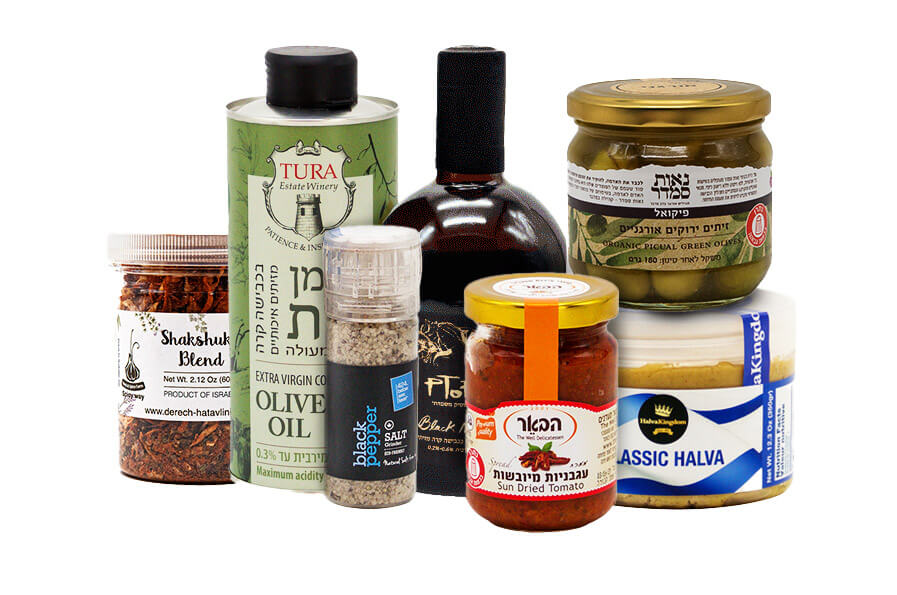
Delicious Food & Spices
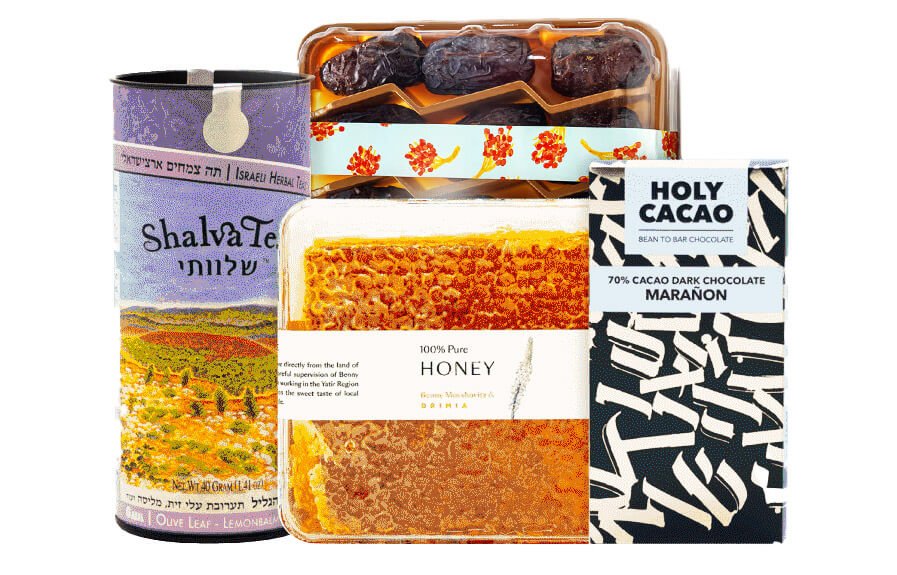
Organic Sweets, Perfect Tea & Coffee
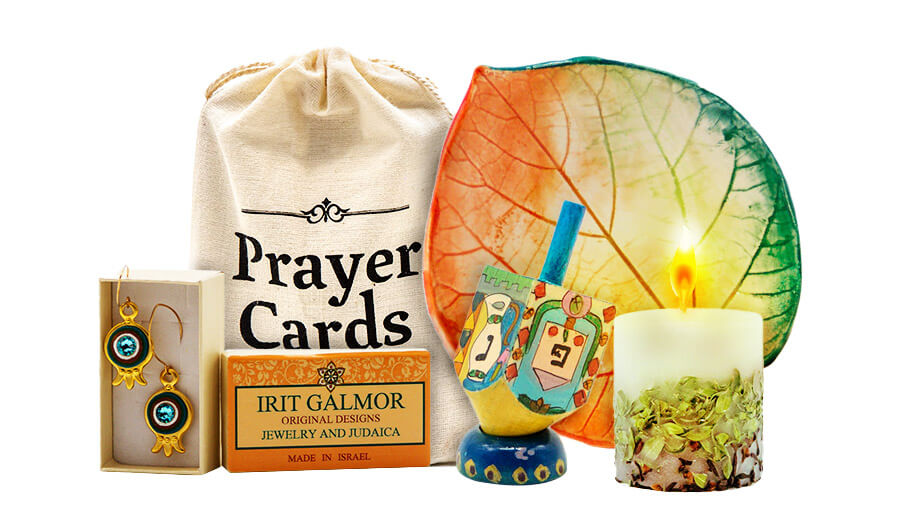
Original Jewelry & Judaica
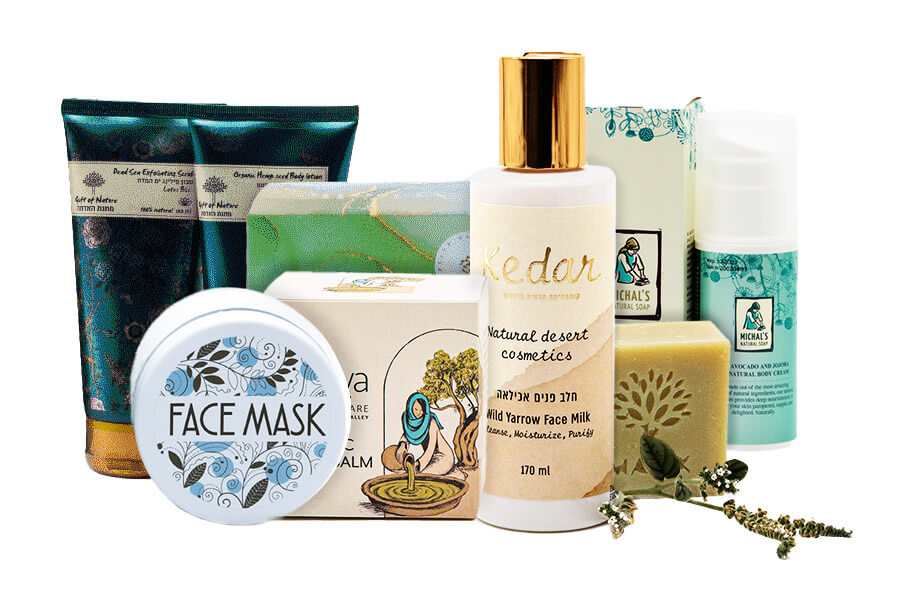
Exclusive Organic Cosmetics

Authentic Ceramics & Housewares
Frequently Asked Questions
About Nature Valley
Summary
Nature Valley is not listed on the BDS Movement’s official boycott list and online claims often trace to social media rather than formal campaigns. Consider standing with Israeli families by purchasing goods or subscribing to a Lev HaOlam box to support small producers.