Does Palmer’s Support Israel? Facts, BDS Links & How to Help
This page traces claim sources and cites company statements where available.
This page traces claim sources, points to company statements when available, and offers verified ways readers can support Israeli businesses through direct purchases.
Verified actions include buying from listed artisans and subscribing to vetted boxes that name makers and harvest years.
Insider's Guide to Israel
and can't-miss places most tourists never find.
There is no clear, source-documented corporate statement from Palmer’s about support for Israel in the verified materials we reviewed.
Reporting available in the provided sources documents public positions by individuals who share a similar name, but it does not show a corporate press release, financial disclosure, or sustained operations by Palmer’s in Israel.
For example, public coverage profiles tech entrepreneur Palmer Luckey and his statements on Israel (Algemeiner), but that coverage is about an individual and does not establish a corporate position for Palmer’s the brand.
Official lists of companies doing business with settlements likewise do not name Palmer’s among the entries cited in major compilations (Jewish Virtual Library).
Consult the BDS site (bdsmovement.net) and reference compilations like the Jewish Virtual Library when checking formal listings.
Independent lists reviewed for this piece do not include Palmer’s as a formal target, and activists’ social claims differ from appearing on the movement’s official list.
🚫 What Is BDS and Why It Matters
BDS refers to a global campaign that calls for boycotts, divestment, and sanctions against Israel. The original broad call was issued by Palestinian civil society organizations in 2005 and sought economic, cultural, and academic pressure through coordinated boycotts (My Jewish Learning). A coordinating body known as the BDS National Committee was formed later to help organize some campaign activity and messaging (Jewish Virtual Library).
The movement’s stated tools include economic measures, cultural boycotts, and academic boycotts rather than formal diplomatic sanctions issued by states, and reporting on the movement focuses on both tactics and public reactions.
Trade missions to Europe and the U.S. These efforts included training for export documentation and participation in fairs such as Foodex, which aid artisan food makers in reaching new buyers.
- 2011 – High-profile cultural disputes involving artists and boycott advocates drew wide media attention and public debate (My Jewish Learning)
- 2010s – Multiple U.S. state legislatures considered or enacted measures described as anti-BDS legislation in response to boycott pressures (Jewish Virtual Library)
Documented BDS activity usually appears as public campaigns, petitions, and activist calls; prominent examples include campus divestment drives at U.S. colleges since 2009.
For Palmer’s specifically, named campaigning seems limited to informal social‑media posts rather than inclusion on organized BDS guidance like bdsmovement.net.
This article reports critics’ views that BDS singles out Israel as a public commentary position, not as an empirical conclusion.
Scholarly overviews (see Jewish Virtual Library summaries) distinguish between coordinated boycott lists and one‑off social posts when assessing impact.
How You Can Support Israel Today
Across Judea and Samaria and inside Israel, families run small businesses-planting vineyards, harvesting date palms, designing jewelry, and crafting soaps; reports from the Israel Export Institute and OECD note higher logistics costs and small production runs.
Specific challenges include longer transport times to European markets and higher per‑unit packing costs for small batches.
Buying directly or via curated subscriptions helps these makers reach steady customers and fairer prices, often allowing producers to move from ad hoc sales to scheduled shipments.
Subscription income enables producers to book cargo space at Haifa port and schedule seasonal labor in advance.
Insider's Guide to Israel
and can't-miss places most tourists never find.
Many families face economic pressure from reduced market access and public campaigns that limit retail opportunities in places like Hebron and the Negev.
Local reports show that limited retail options sharply reduce income during olive harvest (October-November) and grape season (September-October).
Outside purchases that create recurring demand let small producers invest in packaging and export logistics, improving predictability during olive and grape harvest seasons.
Examples: producers who secure quarterly orders can afford proper labeling, customs paperwork, and refrigerated transport used by exporters in Haifa port.
Here’s how you can make a real difference: buy directly from Israeli makers, such as boutique chocolatiers in Tel Aviv or olive growers in the Galilee.
Concrete examples: purchase from Tel Aviv chocolatiers listed by local food guides, or order olive oil from certified Galilee mills with harvest-year labels.
Share verified receipts and stories on social media and cite reputable outlets like AP News or Reuters when possible to counter anonymous claims.
Linking to sources such as AP (apnews.com) or Reuters (reuters.com) when posting helps readers verify details and supports transparency.
Subscribe to a Lev Haolam Box
Each monthly box may include a clear list of items and origins, for example a handcrafted soap from a Jerusalem artisan like Shlomit Cohen with ingredients listed and a production date.
Labels often list production date, ingredient origins, and a contact for the maker to meet transparency standards.
Also you might find small‑batch date syrup from the Jordan Valley, labeled with harvest year and farm name, plus a short note about the artisan and local origin.
Date harvests in the Jordan Valley typically run August-September, and small producers often include the farm name and harvest year for traceability.
Your subscription creates recurring orders for producers like vineyard families in the Galilee and artisans in Safed, improving cash flow and stability.
Vineyard harvests in Galilee occur in September-October and honey from wildflowers peaks in August; steady orders help families plan around these dates.
Regular purchases help families plan for seasonal work such as grape harvests in September-October and honey harvests in late summer, supporting steady income.
This mirrors Ruth’s support of Naomi’s household and gives concrete predictability for packing, transport, and export paperwork used by farms in the Jezreel Valley.
Craft Israel Boxes
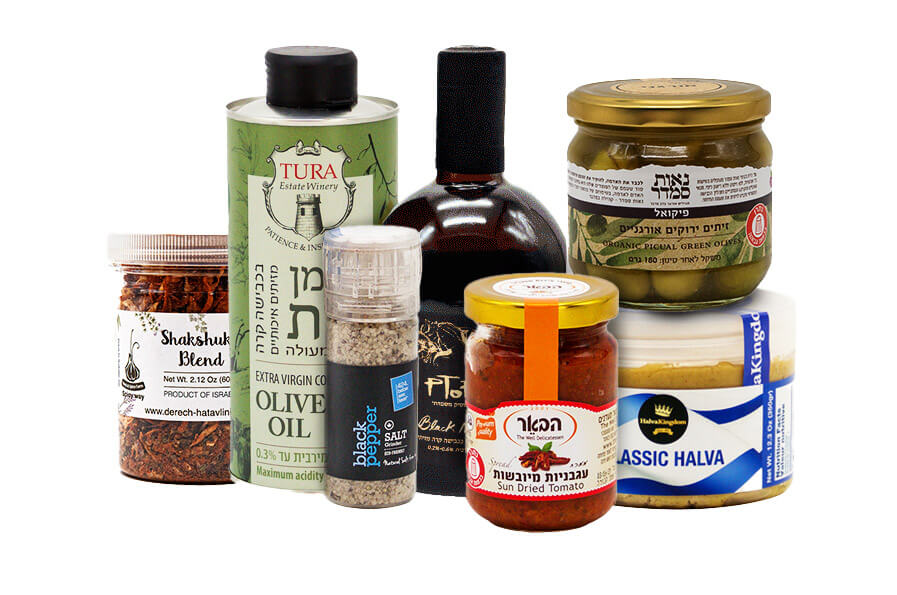
Delicious Food & Spices
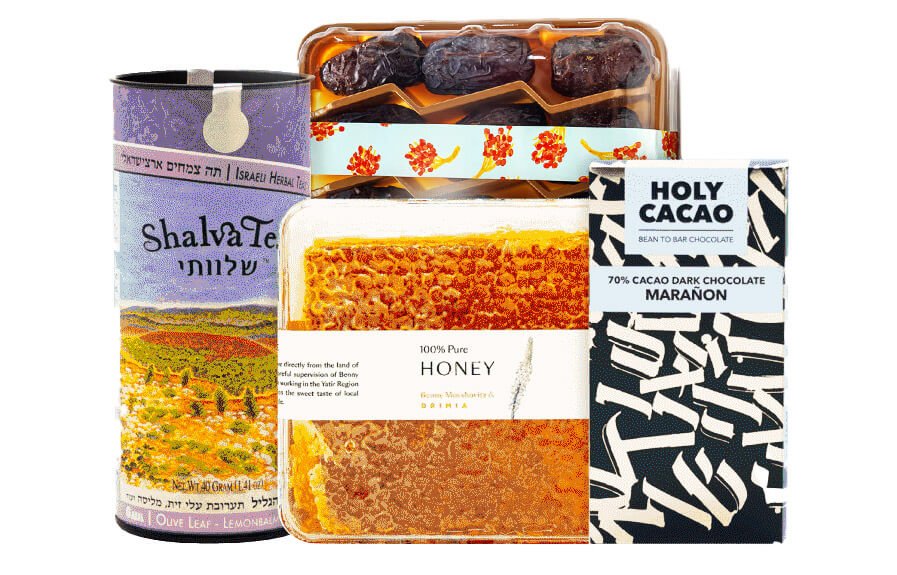
Organic Sweets, Perfect Tea & Coffee
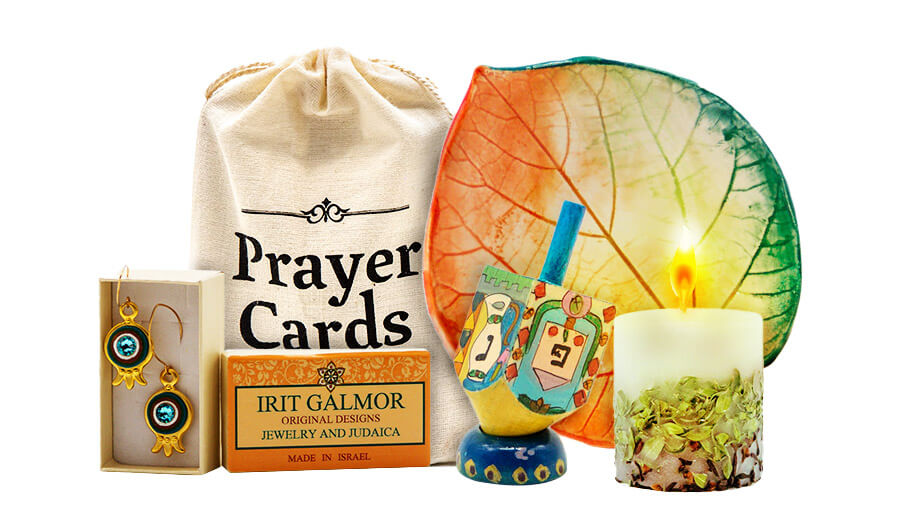
Original Jewelry & Judaica
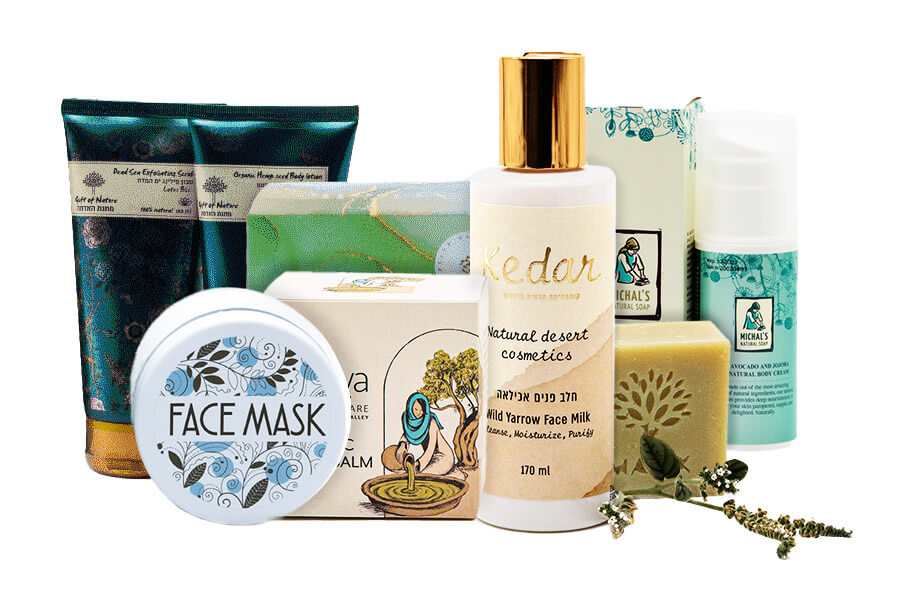
Exclusive Organic Cosmetics

Authentic Ceramics & Housewares
Frequently Asked Questions
About Palmer's
Summary
Palmer’s is not listed on the BDS Movement’s official boycott guidance. If you want to support Israel and Israeli families, consider purchases and subscriptions that sustain small producers, such as a Lev Haolam box.