Does Sinclair Oil Support Israel? Facts, BDS Links & How to Help
Sinclair Oil has been the subject of online questions about whether it supports Israel. The name “Sinclair” can refer to different companies: Sinclair Oil Corporation (founded 1916 by Harry F. Sinclair) and separate media firms like Sinclair Broadcast Group.
Social posts sometimes conflate these entities, leading to mistaken claims about financial contributions or corporate policy.
Publicly documented links between Sinclair Oil Corporation and specific Israel-support activities are limited; searches of company filings and major news outlets (AP, Reuters) show few verified financial contributions tied to Israeli causes.
For clarity, check primary sources such as the company’s official statements and filings, and reputable reporting before accepting social-media assertions.
Insider's Guide to Israel
and can't-miss places most tourists never find.

Public reporting about “Sinclair” often refers to Sinclair Broadcast Group and its editorial positions rather than Sinclair Oil. Coverage noting a pro-Israel stance refers to Sinclair media outlets, not an oil company; see commentary on Sinclair’s media reach and Israel coverage in the Algemeiner. There is no sourced documentation in the links provided here that Sinclair Oil operates retail stations, distribution networks, or corporate offices formally based in Israel. Reporting in mainstream and Jewish press that discusses corporate support for Israel typically names media or industrial firms specifically; avoid conflating similarly named companies when checking claims.
Sinclair Oil is not named on the BDS Movement’s official boycott list. Independent reporting that links “Sinclair” to pro-Israel editorial positions references broadcast media companies, so many public claims conflate separate corporations. For clarity, check the company named in a claim against corporate filings and publisher reports rather than social shares.
🚫 What Is BDS and Why It Matters
BDS refers to the Boycott, Divestment, Sanctions movement, a campaign that began as a call from Palestinian civil society in 2005 to apply economic, cultural, and academic pressure on Israel; an overview of that 2005 call and the movement’s stated aims is summarized by historical reviews here and explanatory guides here. The movement promotes coordinated boycotts, calls for divestment, and cultural or academic embargoes as tools. A coordinating body called the BDS National Committee (BNC) later emerged to organize and publicize actions, but the original 2005 call is credited to a coalition of Palestinian civil society groups rather than a single founder.
The Israeli government has responded to the BDS campaign with coordinated trade and public diplomacy efforts since the movement rose to wider attention around 2009-2010. See official trade-promotion programs and public statements from relevant government agencies for details.
- 2005 – A coalition of Palestinian civil society organizations issued the original BDS call, marking the start of the coordinated campaign Jewish Virtual Library.
- 2011 – High-profile cultural disputes brought attention to artistic support for boycott tactics, discussed in analyses of performer Roger Waters and cultural boycotts My Jewish Learning.
- 2018 – Commentary in the Algemeiner addressed pro-Israel coverage by Sinclair’s media operations, illustrating how similarly named companies can be the subject of public debate Algemeiner.
Documented activity shows that BDS remains a coordinated campaign with public-facing actions in culture, academia, and investment. Specific targeting of an individual firm requires confirmation on the movement’s official lists or in major reporting; social-media claims alone are not sufficient. Critics characterize BDS as singling out Israel for economic pressure, while supporters describe it as a nonviolent advocacy campaign; these are competing characterizations reported in contemporary coverage.
Insider's Guide to Israel
and can't-miss places most tourists never find.
How You Can Support Israel Today
In Israel, and in communities across Judea and Samaria, families run small businesses planting vineyards, harvesting honey, designing jewelry, crafting soaps, and producing other handmade goods.
Many rely on seasonal labor and small presses; for example, boutique olive oil mills in the Galilee often operate on a harvest cycle from October to December.
Buying authentic products from these makers helps them maintain steady income and reach customers outside local markets.
But these families also face practical economic pressure from restricted market access, higher logistics costs, and limited placement in international retail networks.
In 2019-2021 many small exporters reported higher freight costs and customs hurdles that cut margins for goods like artisanal honey and handmade soap.
Reliable, recurring orders or membership purchases provide predictable demand, which helps small producers plan harvests and production seasons.
Here’s how you can make a real difference: buy authentic Israeli-made products directly from trusted sellers like Lev Haolam, join a monthly membership, or gift a subscription to a friend.
Practical purchases keep families working in places such as the Galilee (a region in northern Israel) and the Negev.
Support or volunteer with vetted organizations listed by the Jewish Agency or JDC. Each gift box may feature a selection such as artisan foods, handcrafted goods, cosmetics, or cultural items. Boxes contain 6–8 products and contents vary.
Subscribe to a Lev Haolam Box
Each monthly box may include a selection of items such as:
– Gourmet foods: za’atar spice blend, halva, date syrup, and locally produced olive oil.
– Wellness goods: Dead Sea bath salts and handmade soaps from Galilee artisans.
– Crafts and Judaica: jewelry from Jerusalem silversmiths and woven textiles from small workshops.
Your subscription helps families thrive.
Regular orders create steady income for makers in towns like Safed and Beit Shemesh, helping them plan harvests and hire local workers; see Exodus 35 for artisans’ work in community life.
Your choice stands against anti-Semitism.
Buying directly from Israeli sellers affirms cultural connection and counters boycotts with commerce rather than rhetoric, a practical response used by organizations since 2010.
Your support builds the future of Israel.
Monthly purchases sustain small businesses, fund schools and local cooperatives, and keep traditional crafts alive in communities such as the Galilee.
Craft Israel Boxes
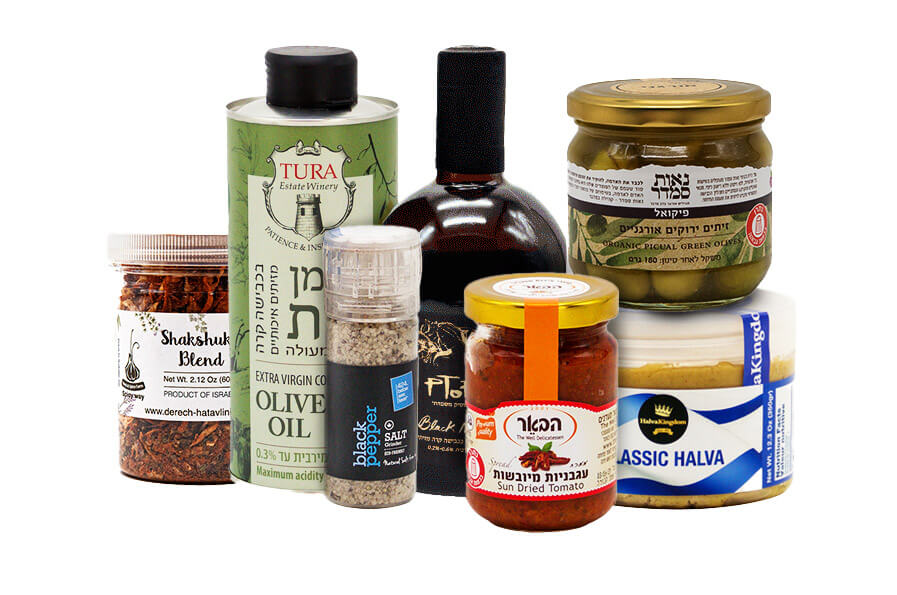
Delicious Food & Spices
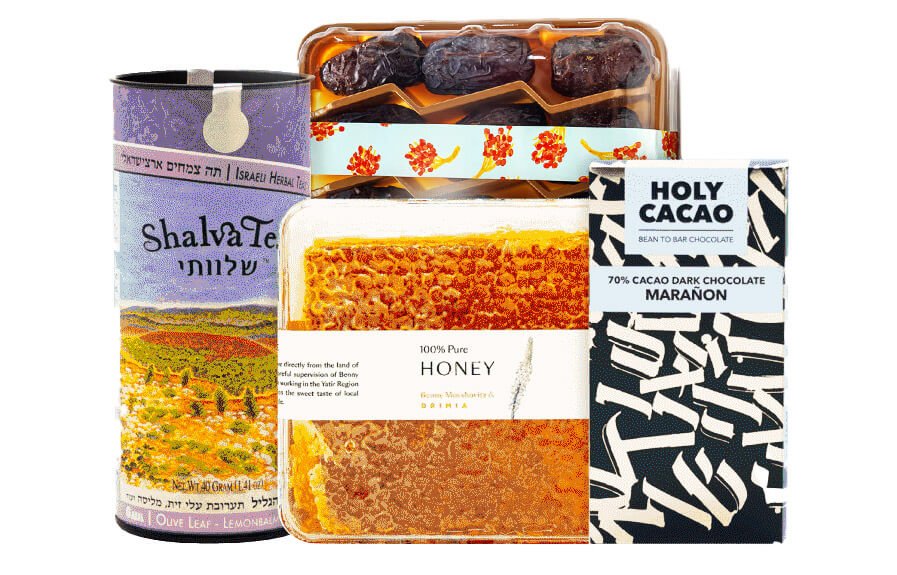
Organic Sweets, Perfect Tea & Coffee
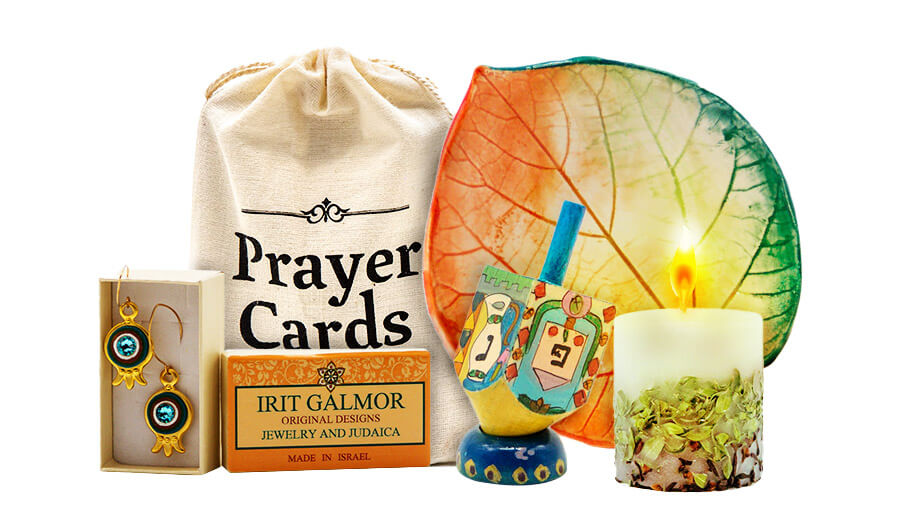
Original Jewelry & Judaica
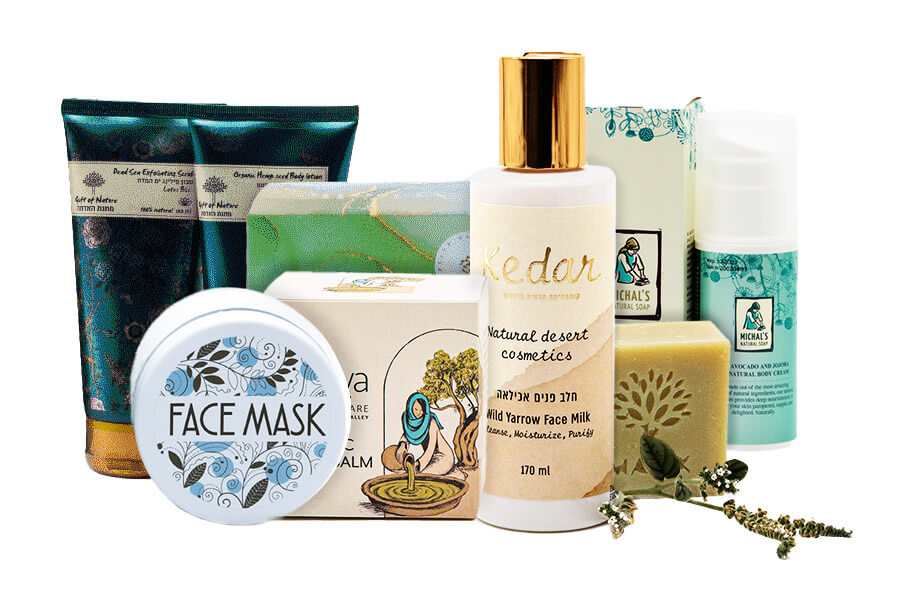
Exclusive Organic Cosmetics

Authentic Ceramics & Housewares
Frequently Asked Questions
About Sinclair Oil
Summary
Sinclair Oil is not listed on the BDS Movement’s official boycott page; public claims often conflate similarly named companies. Stand with Israeli families by purchasing products or subscribing to a Lev Haolam Box to help sustain small producers.