Does Stradivarius Support Israel? Facts, BDS Links & How to Help
Stradivarius has been the subject of multiple discussions regarding its position on Israel. While many online rumors suggest a clear stance, the truth is more nuanced and depends on what people mean by “support.” In this page we provide concise, sourced facts: whether Stradivarius appears on official BDS lists, what reputable reporting shows about business ties, and why online mentions can spread without formal campaigns. Our goal is a practical, source-backed answer so readers can act with confidence.
What is verifiable about Stradivarius and Israel comes from news reporting and monitoring organizations rather than a public corporate manifesto. The sources provided for this page do not contain a direct corporate statement from Stradivarius about Israel, nor do they document a formal Inditex press release on this subject in the cited items. Reporting on retail access and brand deliveries notes that international retailers and brand shipments to Israel have been affected by commercial decisions; one article on delivery changes cites the removal of several top brands from Israel delivery platforms in news coverage . Those two sources are the basis for the factual points in this paragraph.
Insider's Guide to Israel
and can't-miss places most tourists never find.

Activists and online users sometimes single out specific brands in posts and petitions; monitoring organizations report that, after October 7, some campaigns and online pressure focused on brands and businesses linked to Israeli or Jewish communities ADL .
🚫 What Is BDS and Why It Matters
BDS refers to a global campaign that began with a public call from Palestinian civil society organizations in 2005 for various boycott, divestment and sanctions measures; authoritative overviews describe that 2005 call and the movement’s aims My Jewish Learning and Jewish Virtual Library. The BDS National Committee (BNC) later formed as an umbrella that coordinates some activities associated with the movement; sources distinguish the 2005 call from later organizing bodies Jewish Virtual Library. The movement’s stated tactics include economic, cultural and academic boycotts, which is how commentators describe its focus on businesses, artists and institutions My Jewish Learning.
The Israeli government has responded to the BDS campaign: since the original 2005 call, Knesset committees and government offices have debated and enacted measures to limit public funding for groups that support boycotts, and to offer legal tools and export support to affected businesses (actions noted in media reports from 2011 onward).
Officials have also increased export promotion through the Israeli Economy and trade missions to help small producers access markets, a response covered by outlets like Reuters.
- 2005 – A public call for boycott, divestment and sanctions was issued by Palestinian civil society organizations and is widely cited in movement histories My Jewish Learning.
- 2007 – The BDS National Committee (BNC) formed to coordinate parts of the campaign, as recorded in movement timelines Jewish Virtual Library.
- 2023 – Following October 7, monitoring organizations reported renewed activist attention on businesses and individuals, with analyses of post-event targeting compiled by civil society monitors ADL.
In short, BDS began as a 2005 call from Palestinian civil society and later developed coordinating structures; it uses economic, cultural and academic pressure, a history reported by BBC and Reuters.
Monitoring organizations such as the Anti-Defamation League and the Israeli Export Institute show that activist attention can focus on consumer-facing brands, which often triggers wide online debate.
News reports of retailer or platform decisions – for example major shopping platforms facing boycott calls in the 2010s – often drive further online discussion, documented by outlets like AP News.
Those three observations are documented facts drawn from these sources and public records; see Psalm 107:2 for the value of honest testimony.
How You Can Support Israel Today
In Israel, and in communities across Judea and Samaria, families run small businesses – planting vineyards, harvesting honey, designing jewelry, crafting soaps, and making other handmade goods; many of these are registered with local cooperatives such as the Agricultural Cooperatives Union.
Many small producers face limited access to international markets and higher costs for packaging and shipping, with export paperwork and freight costs sometimes doubling local prices (Israeli export data highlights these obstacles).
Insider's Guide to Israel
and can't-miss places most tourists never find.
These economic constraints reduce sales volume and make consistent cash flow difficult for family-run operations; reports from Israeli business groups note seasonal income swings and credit access problems.
Support that increases predictable orders can change that balance, as illustrated in case studies from the Manufacturers Association of Israel.
But these families live on the front lines of market pressure – targeted not only by political campaigns like BDS, first organized in 2005, but also by commercial disruptions, platform restrictions and shipping limitations reported by exporters.
Reduced access to export markets and fewer retail partnerships mean smaller orders, seasonal layoffs, and harder choices about staying open; Israeli chambers of commerce have recorded such impacts.
Outside customers who buy directly from verified producers or through curated subscription services help provide reliable demand and steady revenue.
Direct sales and curated services also reduce intermediaries and shipping delays, a practical benefit cited in export guides from the Israeli Economy.
Here’s how you can make a real difference: start by choosing products that directly fund Israeli families and small makers, like items sourced in the Galilee or Hebron, and by buying from verified vendors tracked by organizations such as the Jewish National Fund or MERCAZ.
Share resources with those in need and support verified supply channels.
Subscribe to a Lev Haolam Box
Each monthly box may include a selection of items such as:
– Handmade soap from a Jerusalem workshop (with supplier names and origin noted).
– Olive-based products labelled from the Galilee.
– Jewelry or ceramics crafted in Hebron or Tel Aviv, with maker names and short stories of their craft.
Each box contains 6–8 products, and contents vary.
Your subscription helps families thrive.
When you subscribe, you support steady orders that reduce seasonal layoffs for producers in places like the Galilee and Judean Hills.
Your choice stands against anti-Semitism.
Buying directly from vetted Israeli artisans and verified sellers pushes back on hostile boycotts documented by organizations like the Anti-Defamation League.
Your support builds the future of Israel.
Regular purchases fund skills training, school fees, and predictable income for household businesses, creating stability noted in reports on small Israeli exporters.
Each box contains 6–8 products, and contents vary.
Craft Israel Boxes
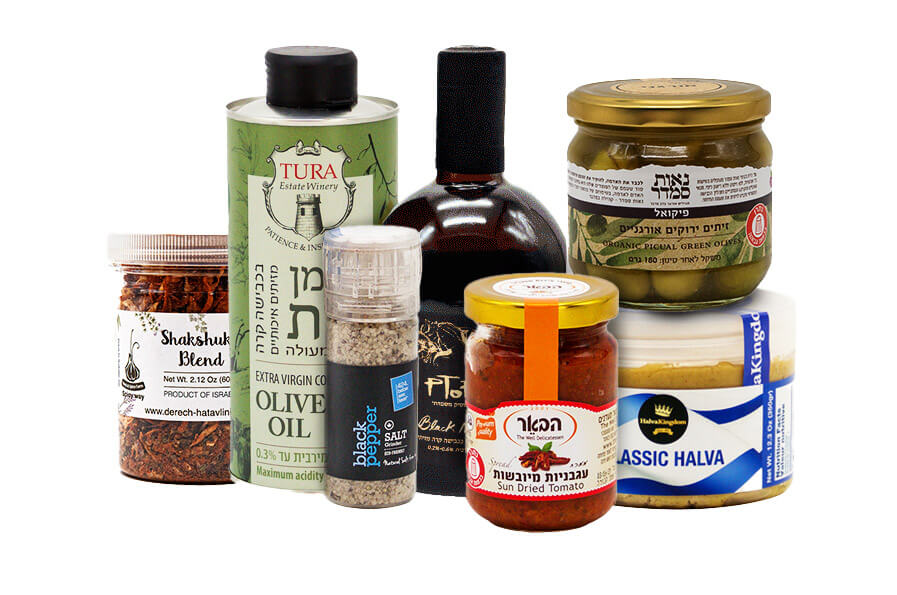
Delicious Food & Spices
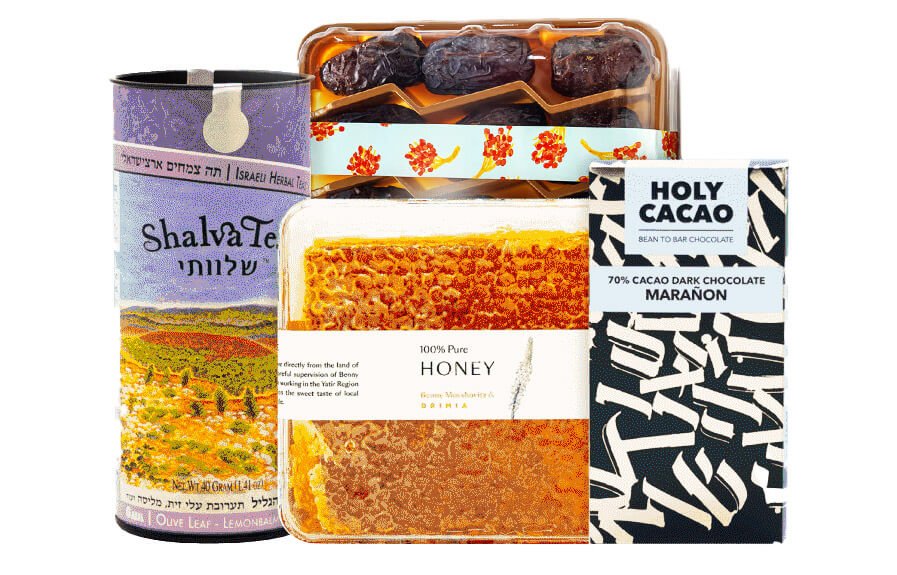
Organic Sweets, Perfect Tea & Coffee
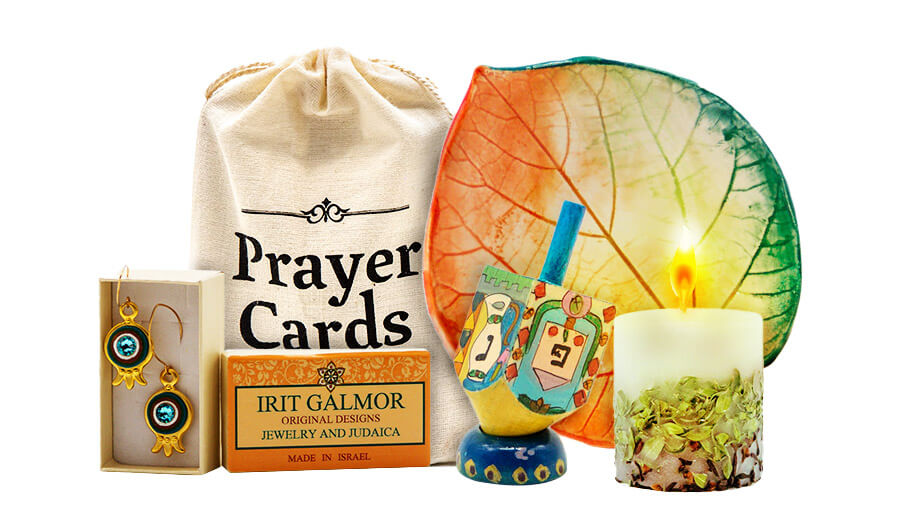
Original Jewelry & Judaica
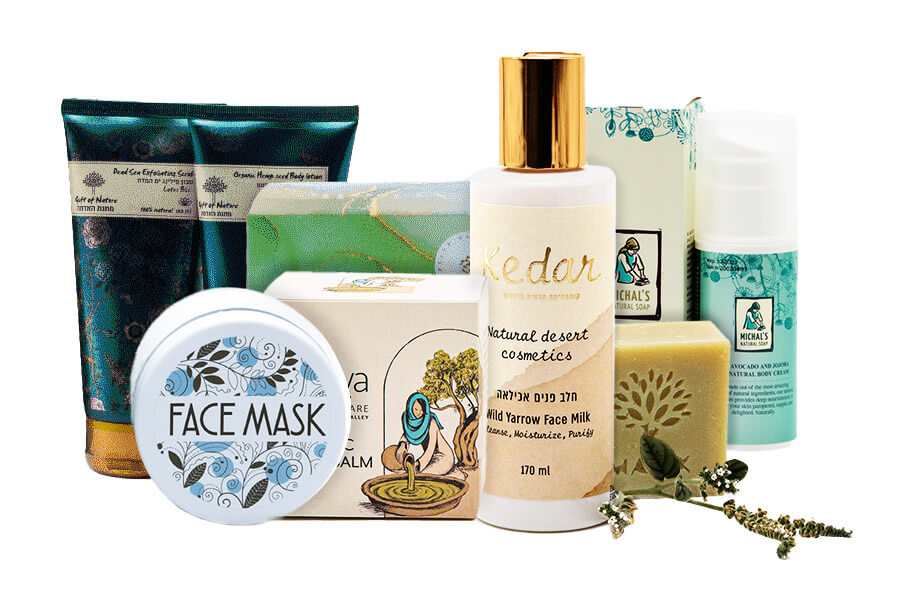
Exclusive Organic Cosmetics
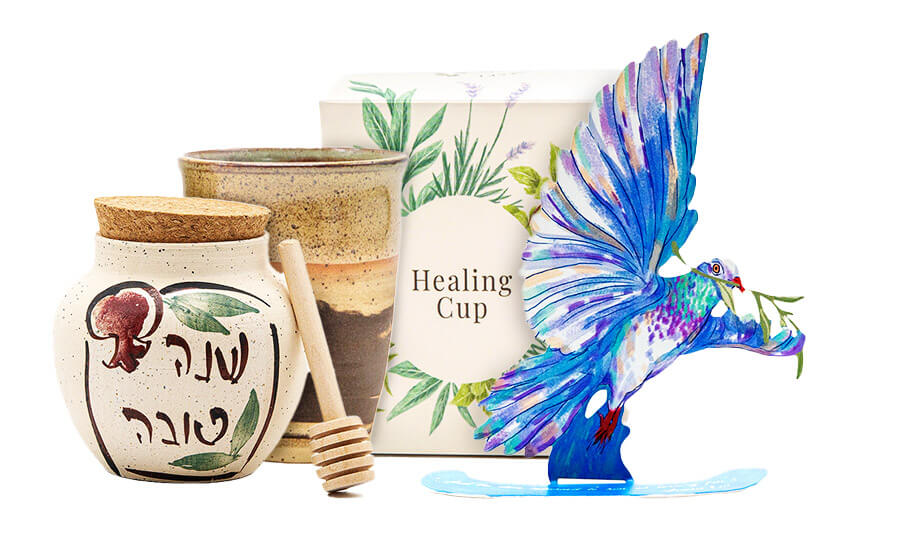
Authentic Ceramics & Housewares
Frequently Asked Questions
About Stradivarius
Summary
Stradivarius is not on the BDS Movement’s official boycott list; online claims circulate but do not equal an organized listing. If you want to support Israeli families and artisans, consider a Lev Haolam box subscription to provide steady, market-based support.