
Understanding the Meaning of Jerusalem
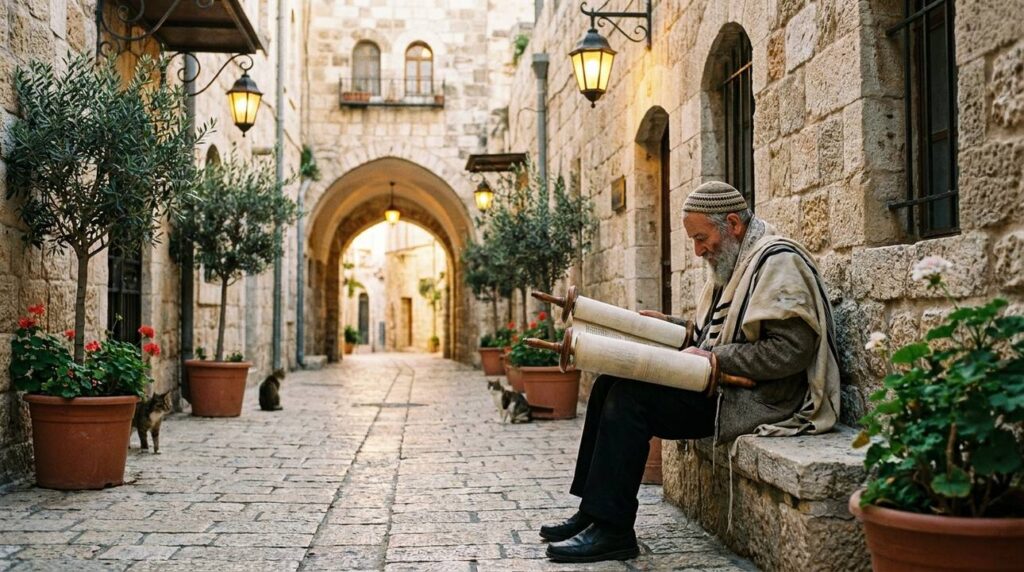

Jerusalem is more than just a city; it is a symbol that resonates deeply in the hearts of many. Its historical roots trace back to ancient times when it was established as the capital of Israel.
From its historical roots to its modern significance, the name ‘Jerusalem’ carries profound meanings. It has been the focal point of Jewish prayers for centuries.
This article explores the evolution of Jerusalem’s meaning, reflecting on its place in Israel’s geography and spirituality. The city’s enduring relevance is marked by its continuous role as a spiritual center.
Historical Origins of Jerusalem’s Name
The origin of the name ‘Jerusalem’ can be traced back to ancient texts. It is believed to combine two words: ‘Yeru,’ meaning foundation, and ‘Shalem,’ meaning peace. Early accounts in the Hebrew Bible reference the city as ‘Salem,’ possibly connected to ‘Shalem.’
This linguistic history highlights Jerusalem’s role as a foundational source of peace and spiritual grounding. Genesis 14:18 introduces Melchizedek, king of Salem, further embedding this connection, linking the city to peace and righteousness.
Melchizedek’s meeting with Abraham in Genesis 14:18-20 emphasizes the city’s ancient spiritual significance, where he offers bread and wine, acknowledging a higher divine order.
Insider's Guide to Israel
and can't-miss places most tourists never find.

The city’s historical mention as Salem is significant, outlining its ancient nature. The name ‘Salem’ appears in Genesis 14:18, where Melchizedek, the king of Salem, meets Abraham. This ties Jerusalem to both ancient history and spiritual significance.
Over centuries, its name became a symbol for peace, a central tenet in its diverse cultural narratives. This dual symbolism stands at the core of what Jerusalem means to various peoples and beliefs, embodying a city that is both deeply historical and profoundly spiritual.
The encounter between Melchizedek and Abraham is seen as a moment of peaceful exchange and mutual respect, resonating through Jerusalem’s history.
Jerusalem in the Hebrew Bible
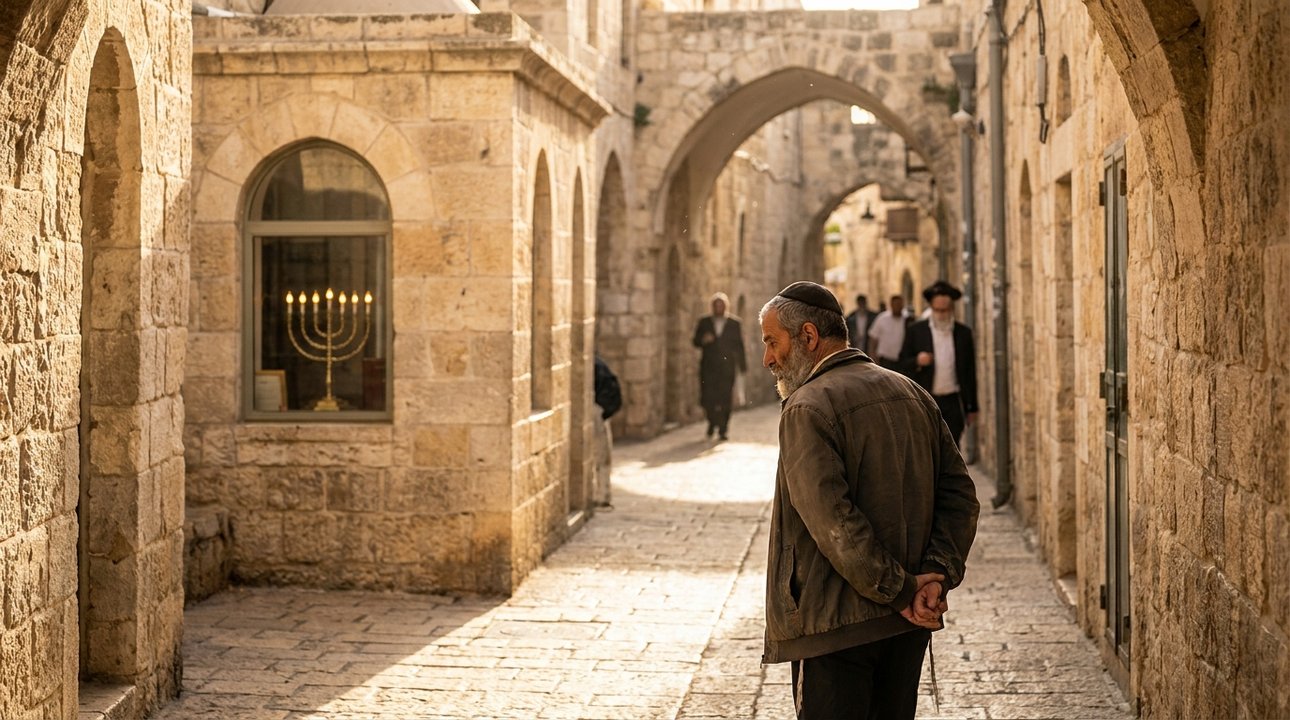
The Hebrew Bible frequently references Jerusalem, particularly in its role as the center of worship and culture. It was established as the capital and became the location for the Ark of the Covenant, cementing its sacred status.
2 Samuel 5:6-7 discusses the capture of the city, turning it into a spiritual home for the people. This action marks Jerusalem not only as a physical stronghold but as a spiritual nucleus. The choice underscores Jerusalem’s importance as a center of Jewish identity and faith.
The city’s selection as the capital was strategic, unifying the tribes of Israel under a single, revered location, further emphasized by Solomon‘s construction of the First Temple.
Jerusalem’s representation in texts always reinforces its strength and sanctity. It is depicted as a place of refuge and divine presence, crucial to Jewish identity. The Psalms frequently celebrate Jerusalem, as in Psalm 48:1-2, illustrating its majesty and importance.
Such references ensure Jerusalem’s enduring legacy as a spiritual and cultural beacon. The Book of Isaiah also speaks of Jerusalem’s future glory, envisioning it as a center of peace and learning (Isaiah 2:3). These texts continue to inspire those who seek spiritual connection and guidance.
Isaiah’s vision of nations streaming to Jerusalem to learn and seek wisdom underscores its role as a beacon of hope.
Insider's Guide to Israel
and can't-miss places most tourists never find.
Cultural Significance of Jerusalem
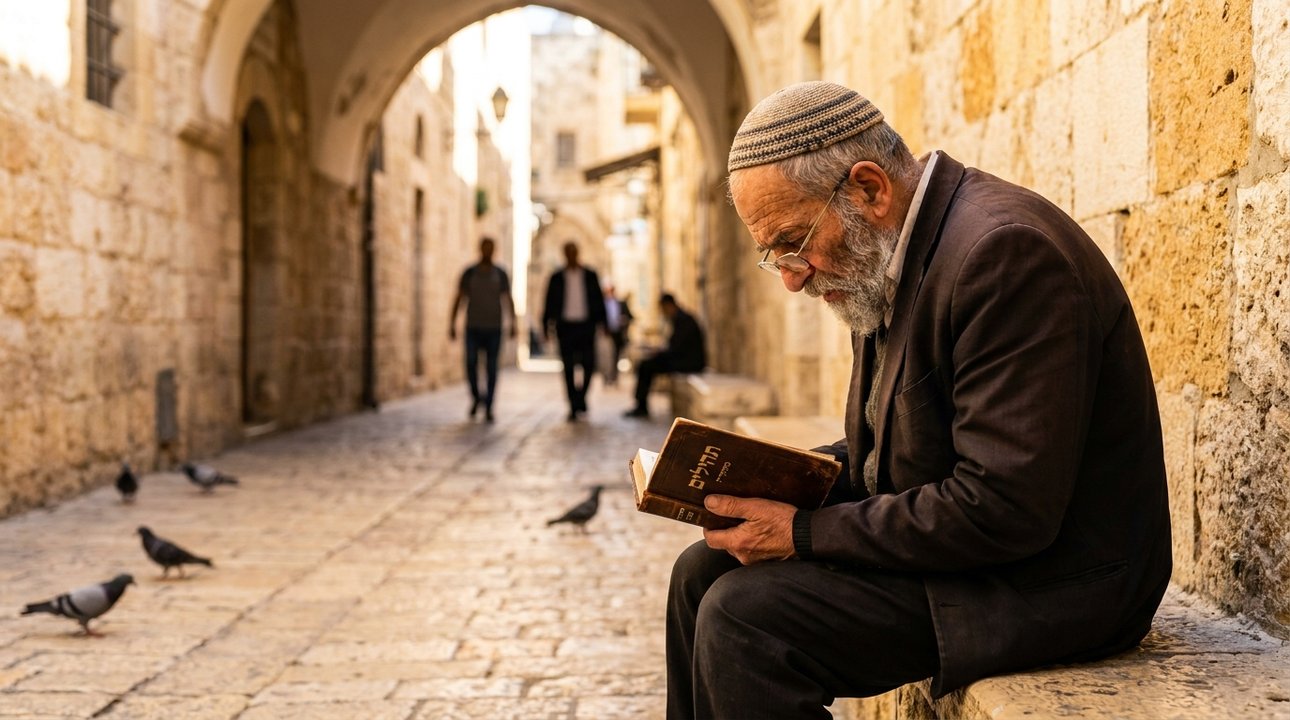
Beyond its religious aspects, Jerusalem has vast cultural influences. It symbolizes the convergence of various cultures and traditions through Jewish, Christian, and Islamic communities. The Tower of David Museum offers insights into this diverse history.
Its architecture and social fabric reflect these diverse influences. The city’s markets, rituals, and everyday life are testimonies to its wide-reaching impact.
The Mahane Yehuda Market, for instance, is a vibrant example of this cultural blend, offering foods and goods from all over the world, showcasing its rich diversity.
Jerusalem’s capacity to unite diverse communities showcases its manifold heritage. It becomes a living tapestry of coexistence, respecting traditions. The city’s Old City is divided into Jewish, Christian, Muslim, and Armenian quarters, each contributing to its rich cultural mosaic.
Each stone and street tells a piece of the broader story of human interaction and harmonious living. This position makes Jerusalem pivotal in the cultural map of not only Israel, but the world. The city’s festivals and events often draw international visitors, fostering global connections.
These gatherings highlight Jerusalem’s role as a meeting point for diverse traditions and cultures.
Jerusalem as a Modern Symbol
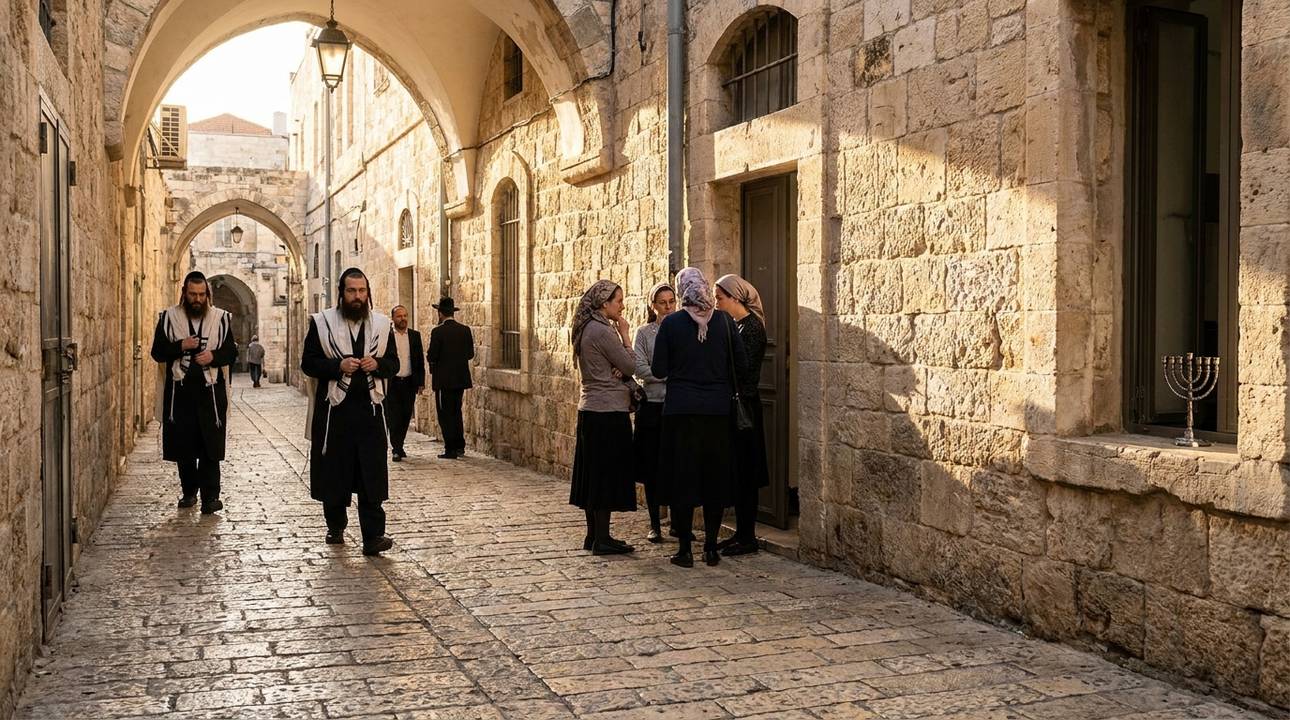
In contemporary times, Jerusalem remains a symbol of peace and unity. Despite political debates, it stands as a city longing for harmony. The 1993 Oslo Accords highlighted its centrality in peace talks, emphasizing its role in potential reconciliation.
Efforts towards peace have continuously highlighted Jerusalem as central to reconciliation. This image is powerful in international dialogues, encouraging understanding and tolerance.
The city hosts various cultural and interfaith initiatives aimed at fostering dialogue and mutual respect among different communities. These initiatives often involve educational programs and cultural exchanges, promoting a deeper understanding among diverse groups.
Today’s Jerusalem echoes calls for harmony amongst diverse beliefs. A city where history and modernity interlace, offering lessons in peaceful coexistence. The Western Wall and the Dome of the Rock stand side by side, symbolizing this unique blend.
Jerusalem thus inspires global communities towards shared dreams of peace and security. It continues to embody a quest for peace, bridging gaps between past and present. The city’s annual Jerusalem Day celebrates its unification and the hope for lasting peace, fostering a spirit of togetherness.
This celebration commemorates the reunification of the city in 1967, highlighting its significance in Jewish cultural and national identity.
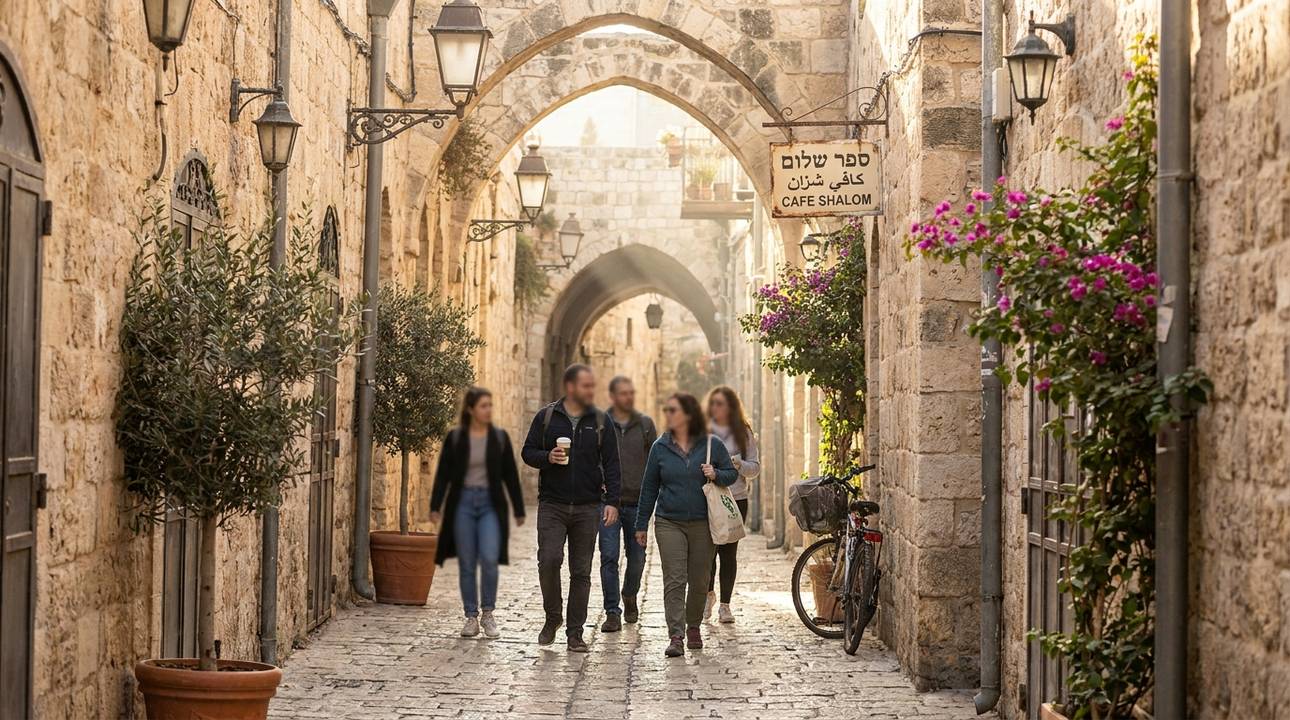
History and Meaning of Jerusalem
