
Discovering En Hakkore Spring in Lehi Today
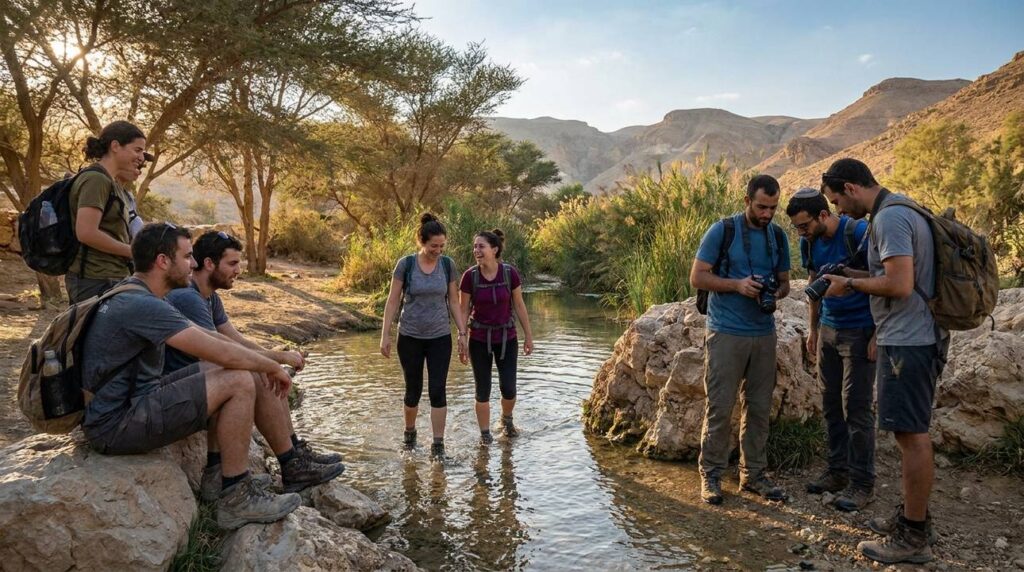

En Hakkore is a spring named in the Bible, in the book of Judges. It appears in the story of Samson.
It is not a well-known landmark today. We know about it mainly from the account in Judges 15, where Samson calls out to God and the spring is named.
This article looks at what the Bible says about En Hakkore, what its name means, where the area of Lehi may have been, and how the site is understood today.
The spring is remembered mostly for its part in the story of Samson. That story is one of several in the book of Judges.
The Bible ties the name directly to a single event. Because of this, En Hakkore often comes up when people study the language and places of the Bible.
The sections below explain what the text says, what the name means, and what is and is not known about where the site was.
The Story of En Hakkore
En Hakkore first appears in Judges 15:19. The name is usually translated as ‘spring of the caller,’ or ‘spring of the one who called.’ It comes from two Hebrew words: ‘en,’ meaning spring, and a form of the verb ‘qara,’ meaning to call.
Many scholars point out a play on words in the Hebrew. The same letters can also be read as ‘spring of the partridge,’ a kind of wild bird.
The traditional reading links the name to Samson, who called out to God at this spot.
According to Judges 15, the name is given after Samson’s battle with the Philistines. Using the jawbone of a donkey, he struck down many of them. He called that place Ramath-lehi.
Afterward he was exhausted and very thirsty, and he cried out to God for help. The text says God split open a hollow place at Lehi, and water flowed out. Samson drank, felt strong again, and named the spring En Hakkore.
In the book of Judges, this is one of several stories where help arrives at a moment of crisis. The account moves from Samson’s victory, to near-collapse from thirst, and then to relief at the spring.
It is this turn of events, more than the spring itself, that has kept the passage well known in both Jewish and Christian tradition.
The text also says the spring was still ‘in Lehi to this day.’ The biblical writer uses this phrase to show that the place could still be found when the account was written.
Writers have often noted how this detail ties the story to the land. The place-names Lehi (which means ‘jawbone’) and Ramath-lehi both point back to the events in the chapter.
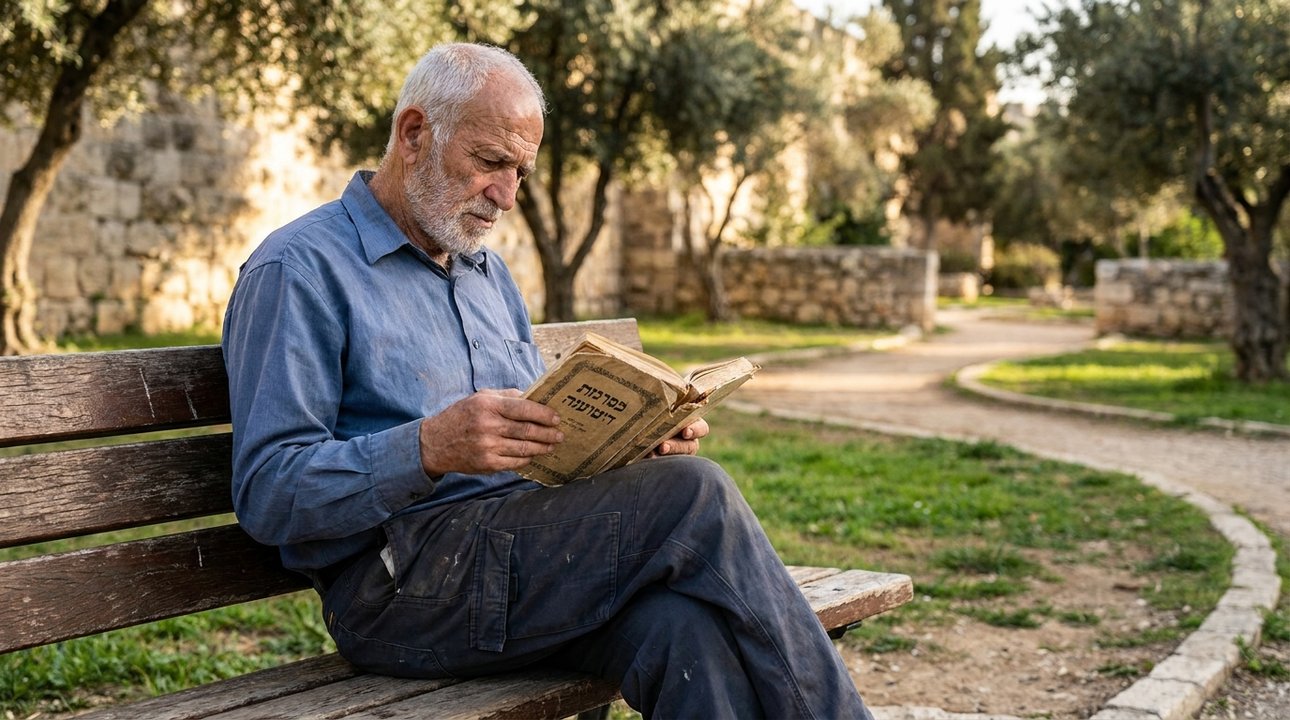
Geographical and Historical Context
Lehi lay in the border area between the territory of Judah and the neighboring Philistine territory. The Samson stories (Judges 13-16) are set mostly in this border area, where Israelites and Philistines lived near each other.
The exact spot of Lehi is not known. Scholars usually treat Lehi as the name of a general area rather than one specific town.
A steady water source in a border area like this would have been valuable. That fits the importance the spring is given in the account.
Some scholars have suggested Lehi was in the hills and valleys southwest of Jerusalem, near roads that led toward the Philistine cities. None of these ideas has been confirmed.
This kind of uncertainty is common for places known from just one short story.
What the text does make clear is that the area’s setting matters to the story. Its place between two peoples, and its access to water, are part of the account itself.
Because the spring cannot be tied to a known location, En Hakkore today is understood mainly through the text and the people who study it. It is not a marked archaeological site.
Most discussion focuses on the passage in Judges 15, the meaning of the name, and the question of where Lehi was.
The names in the story, Ramath-lehi and En Hakkore, are examples of a common feature in the book of Judges. In it, places are often given names that recall a specific event.
This naming pattern is part of why the account has stayed a point of reference in later writing about Samson.
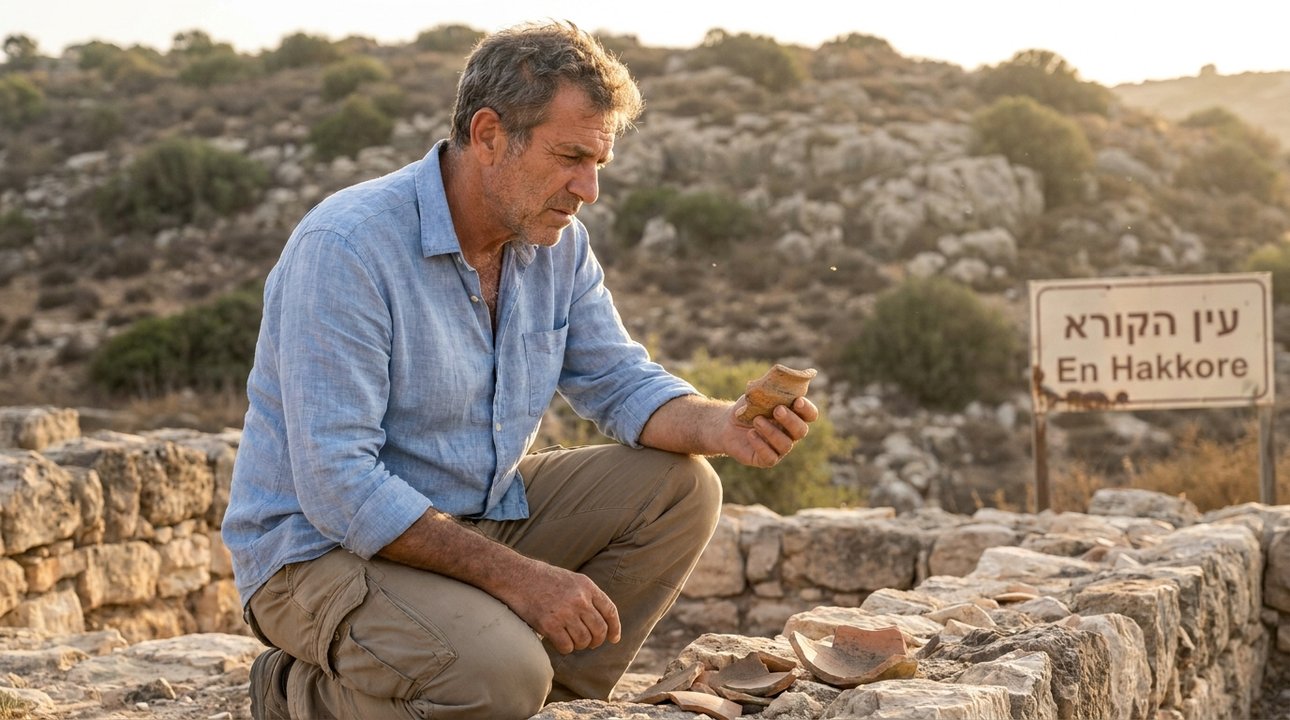
En Hakkore in Modern Memory
In later study, En Hakkore is usually treated as part of the larger Samson story. Writers look at the play on words in the name, the location of Lehi, and where the episode fits in the book of Judges.
In this sense the spring is less a place to visit and more a point of historical and textual interest.
Modern reference books, such as Bible dictionaries and encyclopedias, usually list En Hakkore under Lehi or under the story of Samson. These entries sum up the account in Judges 15. They note the two possible meanings of the name, and they record that its exact location is still debated.
Because the main evidence is the biblical text, most writing about En Hakkore depends on translation and on the study of the words and language. Translations differ, for example, on whether the name means ‘caller’ or ‘partridge.’
That difference comes from the uncertainty in the original Hebrew, not from any disagreement about what happened.
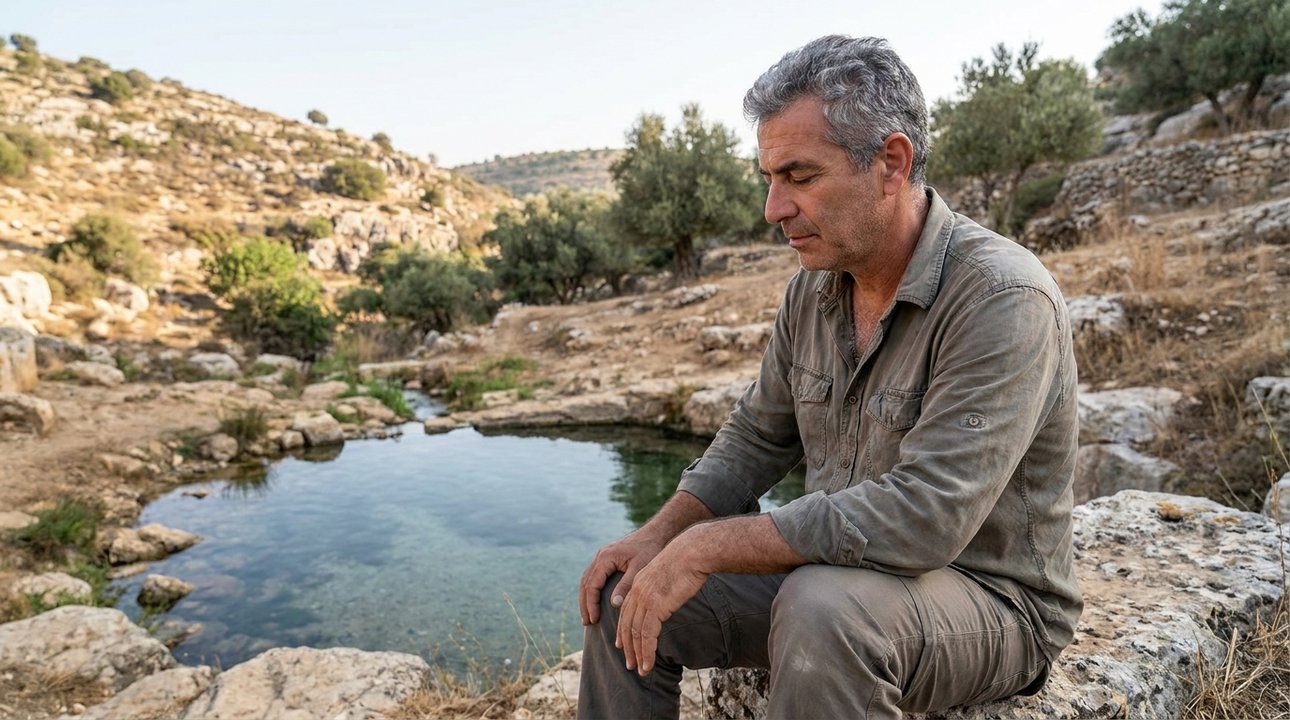
Cultural Representation and Symbolism
Over the centuries, the story of Samson has drawn the attention of painters, sculptors, and writers who return to scenes from his life.
Most of these works focus on the broader Samson story rather than the En Hakkore episode itself. Still, they show how lasting the figure of Samson has been in art.
In retellings and study of the book of Judges, the En Hakkore episode is often used as an example of a common pattern: a crisis followed by rescue.
It is a short passage. But one vivid detail, a spring appearing at a named place, has made it easy to remember within the larger story of Samson’s life.
The account is short and complete on its own: a victory, deep thirst, a plea for help, and the naming of the spring.
That shortness is part of why it is often mentioned when the Samson stories are summed up. It is also why the name En Hakkore, tied so closely to the event, is still known through the biblical text.
En Hakkore Today
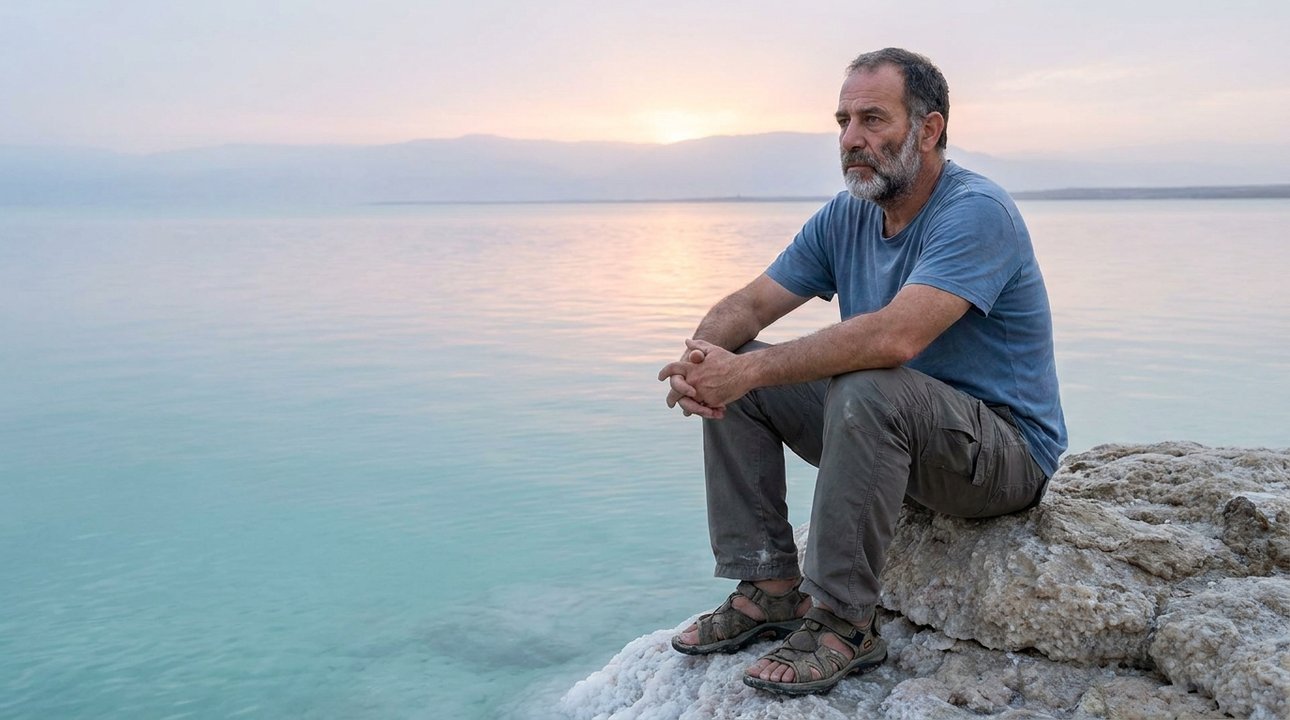
There is no site that can be identified with certainty as En Hakkore. Because Lehi itself has not been located, the spring is not a fixed, marked place like many other biblical sites.
When books and study guides mention it, they usually do so as part of the story of Samson, set in the low hills and foothills of Judah where the events are thought to have taken place.
The area behind the story lies southwest of Jerusalem, between the hill country of Judah and the coastal plain once settled by the Philistines. Several scholars place Lehi and its spring somewhere in this area.
These remain educated guesses, though, not confirmed locations.
As a result, En Hakkore today is understood mainly through reading and history rather than through a visit. Reading Judges 15 alongside maps of the area and reference-book entries gives a clearer picture of the setting than any single marker on the ground, given how much about the exact location is still unknown.
The wider setting of the Samson stories is a region known as the Shephelah, the low hills of Judah. This is the general area linked to the accounts in Judges 13-16.
Knowing this gives helpful background for episodes like the one at En Hakkore, even though the exact spring cannot be pinpointed.
Maintaining the Legacy
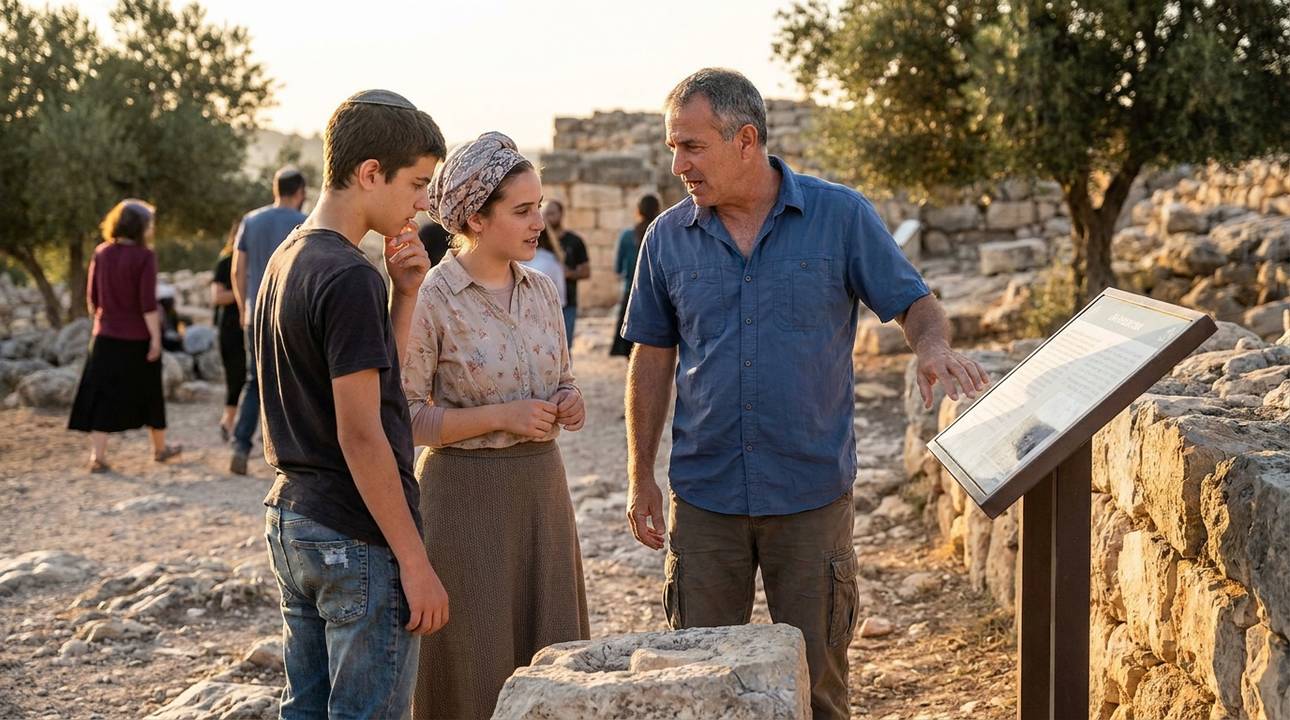
The lasting record of En Hakkore rests mainly on the biblical text and on how that text was copied and passed down. The account in Judges 15 has been preserved and translated for well over two thousand years.
That is why the story and the name are still available today. Modern editions, translations, and reference works keep the passage within easy reach for readers.
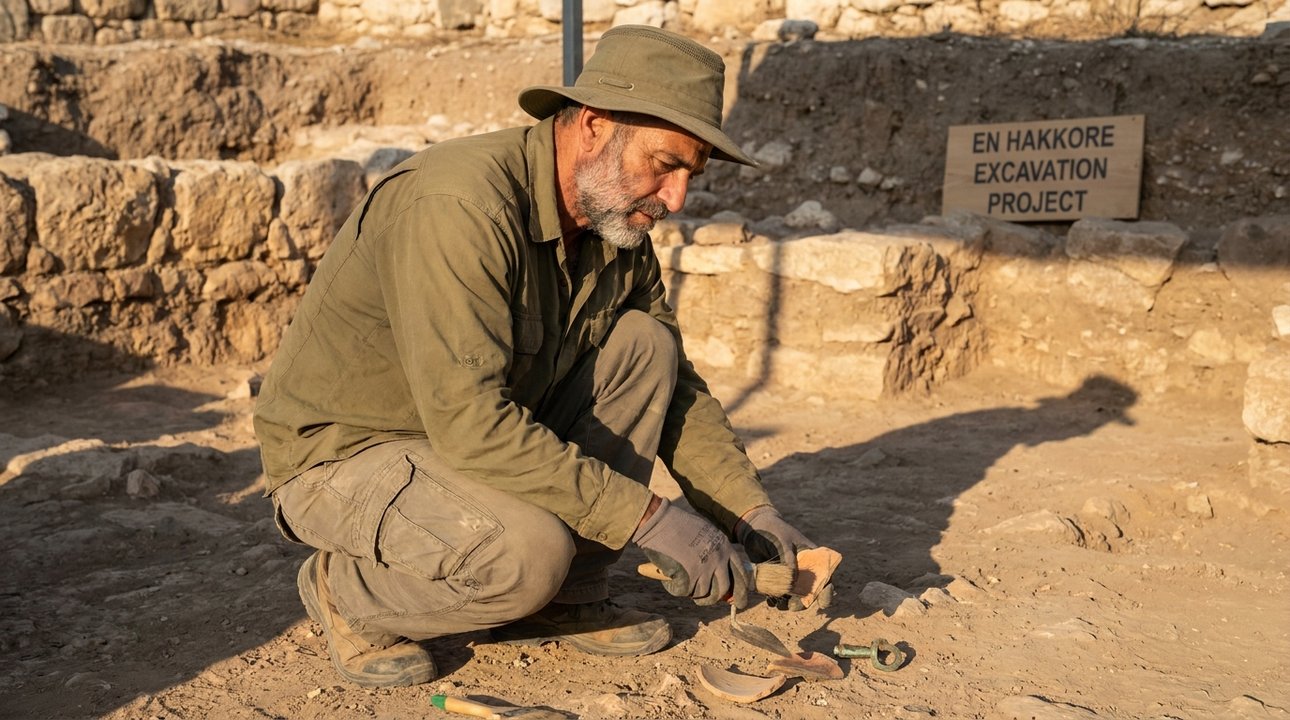
Scholars also help keep the account clear. They study biblical Hebrew, where the places were located, and the archaeology of the low hills of Judah.
This work helps explain what the text likely meant by Lehi and En Hakkore, even though a definite location is still out of reach. New research revisits the earlier ideas from time to time.
Because the site itself has never been pinned down, the legacy of En Hakkore lives on mainly through study rather than through a maintained place.
Encyclopedia entries, commentaries, and research articles make up most of the work that keeps the episode part of the discussion of the book of Judges.
In short, what lasts is the story and the questions it raises. What does the name mean? Where was the area of Lehi? How does the episode fit within the story of Samson?
Reference works and scholars continue to look at these questions. That keeps the account of En Hakkore recorded and understood.
Common Questions about En Hakkore
