
Discovering the Location of Gomorrah: Past and Present
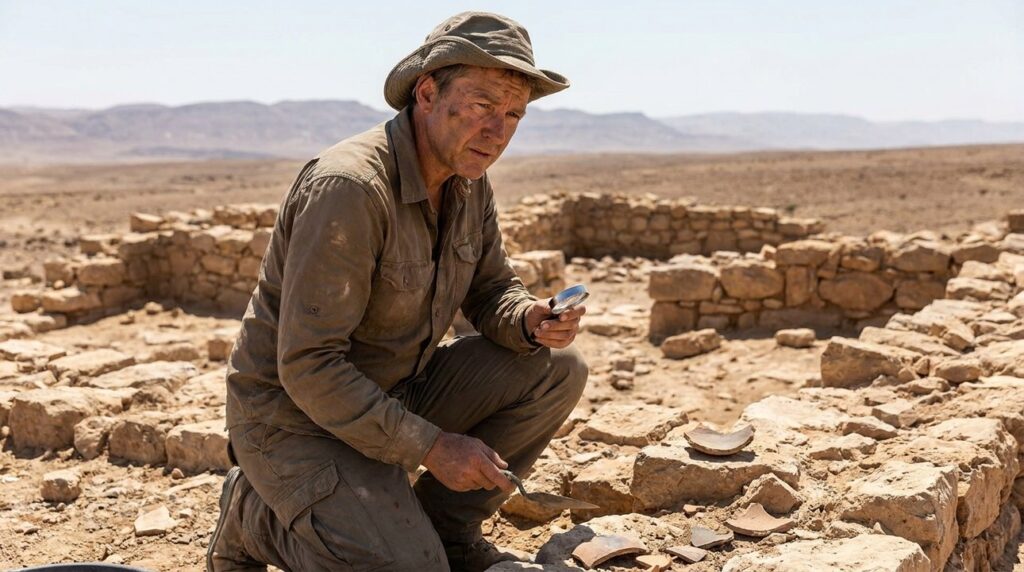

Gomorrah and its neighbor Sodom are among the best-known cities in the Bible. Their story has drawn scholars and curious readers for centuries, all trying to learn where the cities stood and what happened to them.
According to the book of Genesis, the two cities were destroyed by burning sulfur, often called “fire and brimstone.” That account has led to long debate about where the cities were and whether anything remains of them.
Genesis describes Gomorrah as one of the “cities of the plain,” a well-watered, fertile area before its destruction. Many readers place this plain near the southern end of the Dead Sea.
The story has lasted because it mixes history with a moral lesson about the results of a community’s choices.
Historical Background of Gomorrah
Gomorrah and its sister city Sodom are known mainly from the Bible. The account describes them as places of great wickedness that were destroyed. Genesis says the destruction came with “fire and brimstone.”
The exact location of Gomorrah is not known. Most researchers look to the region around the Dead Sea, where ancient settlements once stood. The area holds many old sites that may offer clues to its past.
from the Western Wall to Masada.
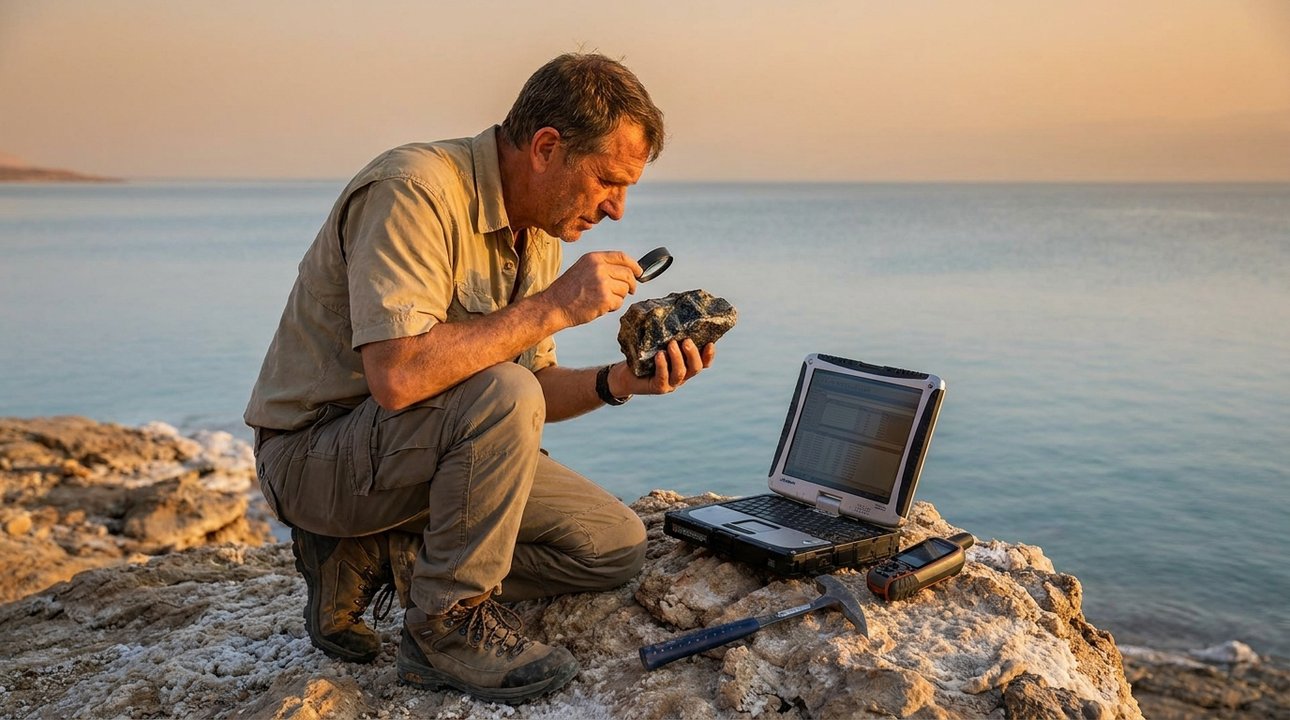
Some researchers have focused on the southern basin of the Dead Sea, where they believe Gomorrah may have stood. The area has salt formations and mineral deposits that fit the general picture in Genesis.
The search for Gomorrah is part of a larger effort to understand the ancient world and the stories that have shaped it.
Historical Theories
Scholars have suggested several ideas about where Gomorrah stood. One popular idea is that it lies under the shallow water at the southern end of the Dead Sea, covered as the shoreline changed over time.
This idea fits the description of the cities sitting in a low, fertile plain. Others think the ruins may be buried under sediment along the edge of the seabed, based on studies of the ground.
Support for the underwater idea comes from studies of the Dead Sea’s unusual geology. Researchers examine sediment cores and mineral deposits to trace how the landscape changed.
The debate over Gomorrah’s location shows how hard it is to match an ancient account with modern findings.
These studies point to major changes in the land over time, likely caused by earthquakes. The Dead Sea Transform, a large fault line, runs through the area, and its movements could have reshaped the ground.
Researchers keep studying the region, hoping to match physical evidence with the old descriptions of a fertile plain.
Geological surveys show clear shifts in the earth’s crust in this region. Some researchers think these movements could have buried parts of an ancient city near the Dead Sea.
They also study mineral deposits and records of past earthquakes, looking for events that could line up with the account of Gomorrah’s destruction.
Archaeological Insights
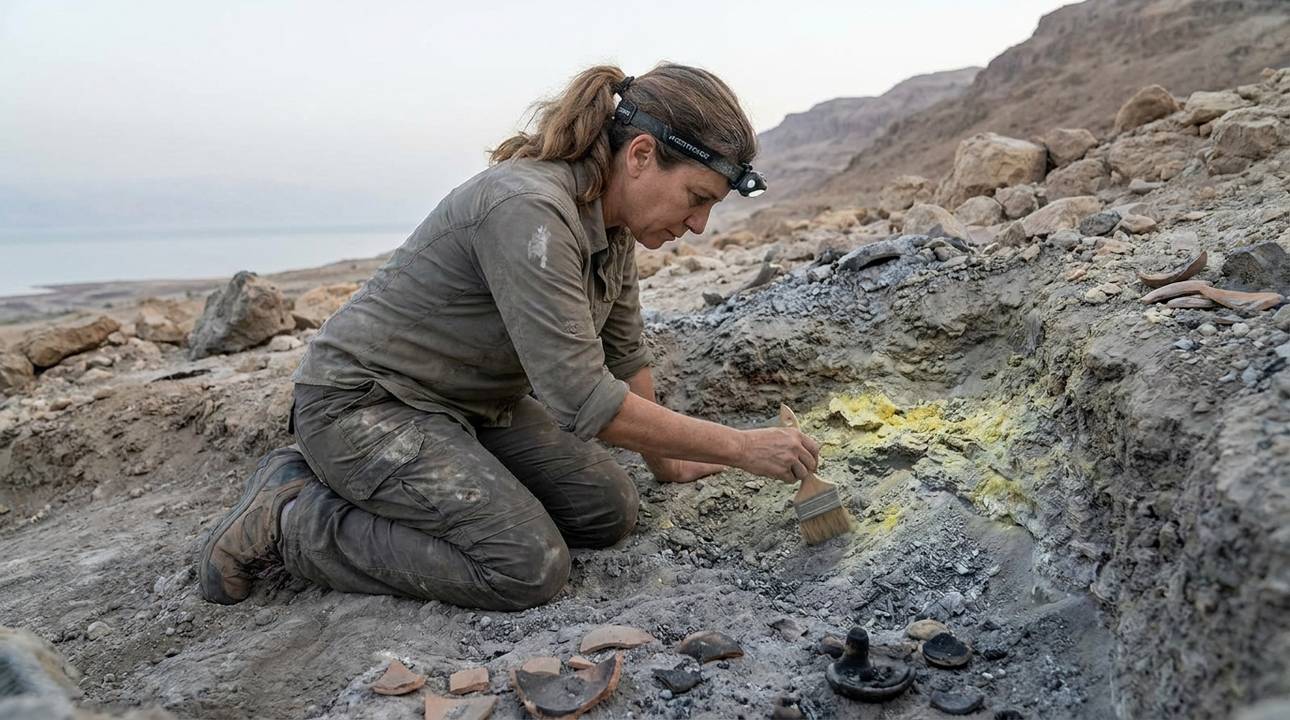
Several digs have searched for the cities of the plain, with mixed results. One well-known site is Tall el-Hammam, in present-day Jordan, which some archaeologists link to the story of Sodom and Gomorrah.
Tall el-Hammam sits in the Jordan Valley, near where the Jordan River meets the northern end of the Dead Sea. Its excavators have proposed it as a candidate for Sodom, though many scholars dispute that view. The site holds remains from the Bronze Age.
Work at Tall el-Hammam includes close study of pottery, building materials, and other finds to build a timeline of who lived there. Researchers look for signs of a sudden disaster, such as widespread fire.
This work is part of a broader effort to understand the cities of the plain and their place in history.
These finds have drawn strong interest and debate. Researchers try to match signs of destruction in the ground with the dramatic account in Genesis.
They study sediment layers and use carbon dating to work out when events happened. So far, no find has been confirmed as Gomorrah.
Other possible sites lie on the southeastern shore of the Dead Sea. Two Early Bronze Age towns, Bab edh-Dhra and Numeira, were studied there in the 1970s.
Bab edh-Dhra is often linked to Sodom, and nearby Numeira is sometimes linked to Gomorrah. Both show signs of fire and sudden ruin, but their dating does not clearly match the biblical timeline, so the question stays open.
Gomorrah’s Geological Setting
The region’s geology offers clues about what may have happened. The Dead Sea’s high salt levels and mineral deposits point to powerful natural forces at work over time.
Geological studies suggest earthquakes may have played a part. Some researchers have also raised the idea of a meteor or airburst, though that view is debated and far from proven.
Some scholars point to layers of ash and sulfur in the ground, which they link to the phrase “fire and brimstone.” They see these as signs of a sudden, destructive event.
Others are more cautious and note that such deposits are common around the Dead Sea. Research continues into what natural events shaped the region.
Gomorrah in Modern Literature
The story of Gomorrah and Sodom has echoed through later Western literature. Writers have used it to explore themes of wrongdoing and judgment.
The word “sodomy” comes from the name Sodom. Dante’s “Inferno” places such sinners in a burning part of hell, and John Milton’s “Paradise Lost” refers to the fate of the cities. These works helped keep the story alive for new readers.
The story has also shaped painting and sculpture, with many artists depicting the cities’ dramatic end. These images gave viewers another way to think about the questions the story raises.
Its long presence in art and writing shows how widely the account has traveled.
from the Western Wall to Masada.
Contemporary Scientific Exploration
Modern tools now play a large part in the search. Researchers have used drone surveys and sonar to map parts of the Dead Sea and look for anything hidden under the water.
Ground-penetrating radar is also used to sense structures buried under sediment. These methods offer new ways to test old questions.
Advanced tools let researchers explore without digging, which protects any site that may be there. Similar methods have worked well at other ancient sites and revealed a great deal about past communities.
As the tools improve, researchers stay hopeful that new evidence may appear.
Satellite imaging adds another view, showing patterns on the surface that are hard to see from the ground. Together with radar, it helps researchers spot likely places to study.
By pairing traditional digging with these tools, the search keeps moving forward.
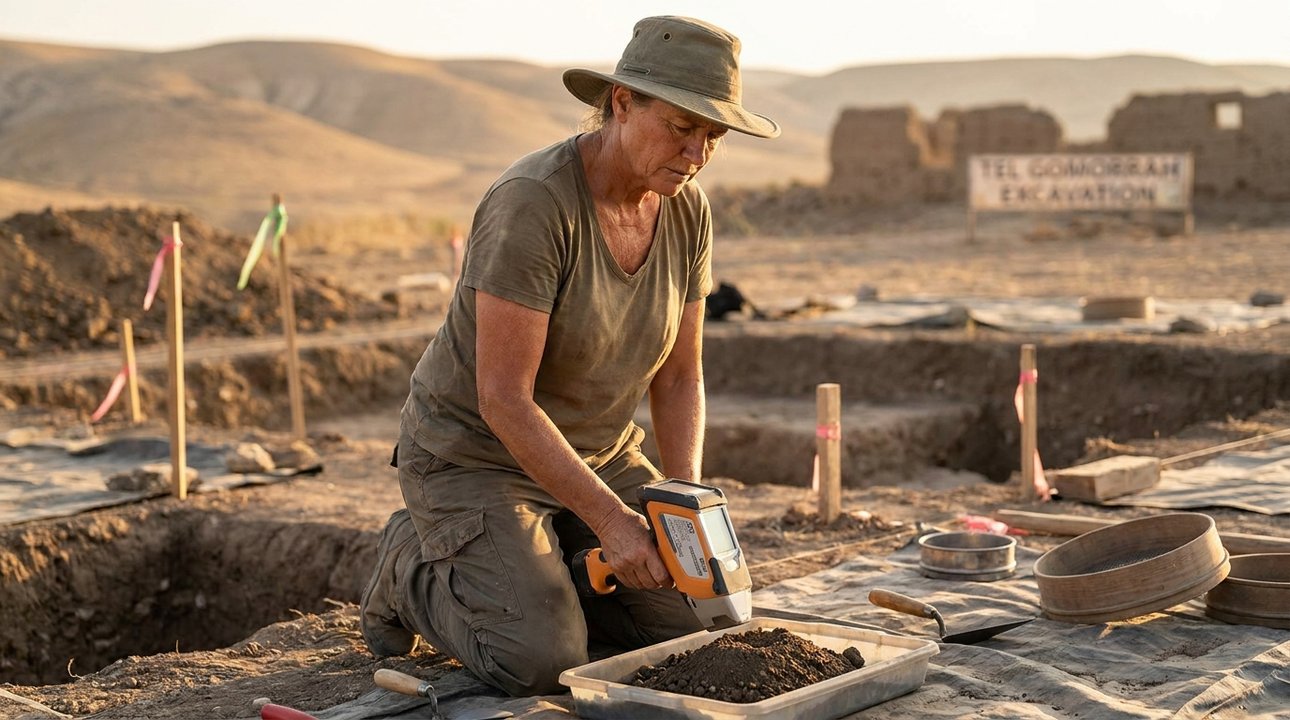
Researchers also use chemical tests on soil samples to look for traces of past human life. This method has helped identify activity at other historical sites.
Using several methods together makes the work more accurate and gives a better chance of new discoveries.
Cultural and Religious Significance
For many people, Gomorrah carries strong meaning. It stands as a symbol of what can happen when a community ignores basic right and wrong.
The story still comes up in talks about ethics and justice, and it is often used as a warning drawn from the past. This meaning appears in both religious teaching and wider cultural discussion.
Gomorrah Today: Interpretations
Today people read the Gomorrah story in different ways, from a piece of history to a source for reflection. Scholars and teachers debate what it means.
Some compare it to modern concerns such as care for the environment or fair treatment of others. The story stays in discussion because its questions still feel current.
The account often appears in classrooms as a way to discuss the results of people’s choices. It invites thought about how a community treats others.
As a story of judgment, it continues to prompt debate about what later generations can learn from the past.

In Search of Truth
The search for Gomorrah goes on, and it still draws wide interest. The story asks readers to think about their own choices and values.
Looking into the mystery offers a window on the ancient world. Researchers hope new clues will clarify the events described in Genesis.
The account works as a warning story, and it keeps discussions about ethics and justice going. Scholars connect its themes to questions people still face today.
The lasting interest in Gomorrah shows how far the story has reached.
The search is not only about finding a lost city. It is also about understanding what the story meant to the people who told it.
Researchers try to link physical finds with the written account to build a clearer picture of ancient life. This work draws on both artifacts and old texts.
The story raises lasting questions about how communities treat one another. Scholars often discuss its themes of justice and responsibility.
For now, the location of Gomorrah remains unconfirmed, and the search continues.
Understanding Gomorrah
