
Exploring the Significance of Mount Zion in the Bible
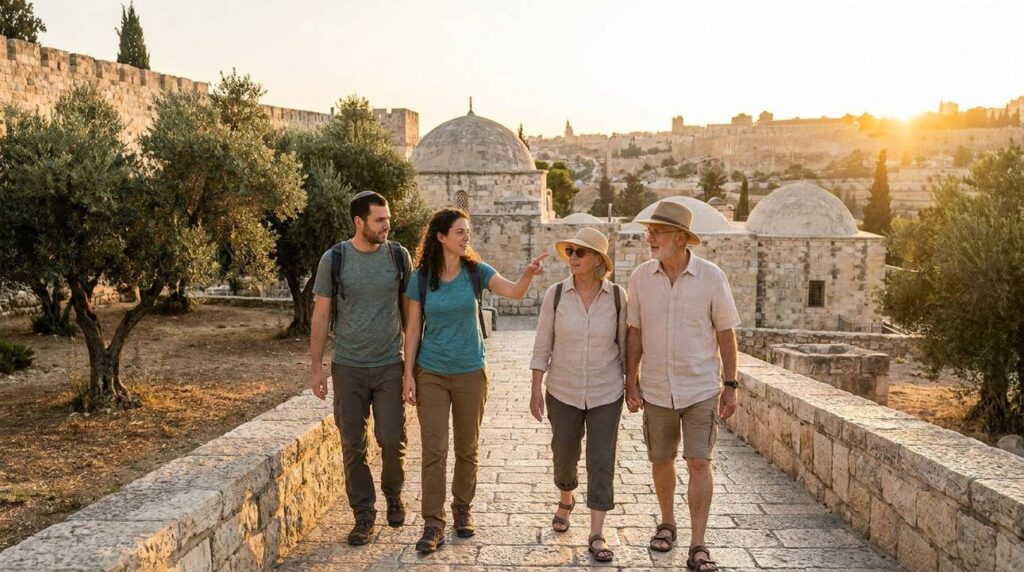

Mount Zion is one of the most significant place names in the Bible. It begins as a hill in Jerusalem and evolves into an enduring symbol in Jewish history and tradition. This article explores the origins of the name, its evolving meaning over time, and its continued relevance today. In the Bible, Zion is both a tangible location and a representation of a significant city.
Zion first appears as a fortress that King David captured and made his capital. This decision initiated Jerusalem’s long-standing role as the kingdom’s center. Zion also persisted in Jewish prayers and writings. The Bible describes it as a chosen place and a source of future hope, shaping Jewish identity for generations.
from the Western Wall to Masada.
The Historical Roots of Mount Zion
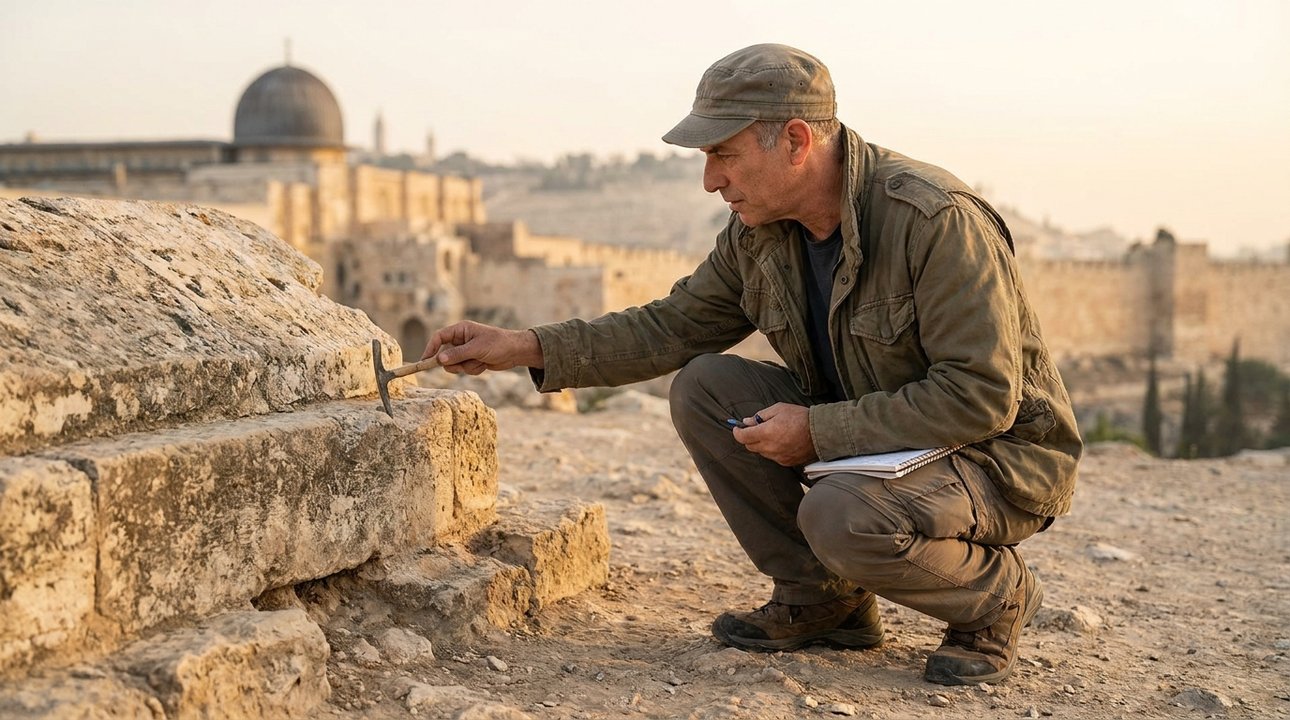
One of the earliest mentions of Zion is as a Jebusite fortress in Jerusalem. According to 2 Samuel 5:7, King David captured this stronghold, which the Bible refers to as the City of David. This provided David with a strategically located hill for his new capital, marking the beginning of Jerusalem as the political center.
The capture of Zion was a pivotal moment. It transformed the hill from a Jebusite stronghold into the heart of David’s kingdom. From this base, David established his rule and government. Zion’s transformation into a royal city was a foundational moment in the history of the region.
The location of Mount Zion contributes to its importance. It was situated on high ground in Jerusalem, making it defensible and strategically valuable. Before David, it was a Jebusite fortress. Its elevation and natural defenses made it ideal for settlement and protection. In Jerusalem’s landscape, Zion became a focal point of the nation’s narrative.
Zion as the City of David
The name City of David signifies that Zion was more than a military site. Here, King David established his throne and capital. This made Zion a center of both governance and identity, not just a piece of land. Establishing his capital here marked a turning point in the region’s history.
As the center of David’s kingdom, Zion represented the union of the tribes. Choosing Zion as the capital reflected David’s vision of unity. This laid the groundwork for Jerusalem’s later role as a significant spiritual and political center. The City of David on Zion initiated a new era.
The name City of David marks a period when political power and national hope converged. Zion symbolized the unity of the people. Over time, Zion was also associated with future aspirations. Some biblical texts envision Zion as a place of peace and leadership.
Several prophecies connect Zion to the hope for a future leader who would bring peace and justice. In these texts, Zion is where that hope is realized. This vision of a renewed Zion sustained the dream of a unified and peaceful community.

Zion in the Temple Era
The significance of Zion increased when King Solomon built the Temple in Jerusalem. According to 2 Chronicles 3:1, he constructed it on Mount Moriah. Over time, the name Zion expanded to include the Temple Mount. The Temple made Zion a center of worship and gathering for the people.
Solomon’s Temple established Zion as the religious center of the nation. It attracted people from across the region for worship and pilgrimage. Many psalms describe crowds ascending to Jerusalem to offer thanks. In this way, Zion became a center of national and religious life.
In the Bible, Zion is closely associated with God’s presence. Isaiah 2:3 speaks of the word of the Lord emanating from Zion. Thus, Zion transitioned from a royal capital to the heart of worship and national identity. The prophets often depict it as a place of renewal and hope.
Psalm 50:2 calls Zion “the perfection of beauty,” the place from which God “shined.” This portrays Zion as a place linked with divine presence. This shift from a political center to a place of worship reflects Zion’s growing role in Jewish life.
Zion in Prophetic Literature
The prophets described Zion as a symbol of hope and future peace. Isaiah 2:2-4 envisions nations coming to Zion to learn God’s ways. The same passage speaks of people transforming weapons into tools for peace, highlighting a future with Zion at the center.
This vision of Zion as a place of peace continued to inspire the Jewish people. It describes a future where justice and fairness guide the nations. Many texts speak of nations seeking guidance from Zion. The idea of Zion as a center of moral leadership stayed strong in Jewish thought.
from the Western Wall to Masada.
For those facing hardships, these words about Zion offered comfort. The prophets present Zion as a promise of return and renewal. Jeremiah 31:6 describes watchmen who call out, “Arise, let us go up to Zion.” This pointed to the hope of coming home.
The hope of renewal appears again in Zechariah 8:3, where God says, “I will return to Zion and dwell in Jerusalem.” This reassured the people of a future restoration. This enduring hope for Zion’s renewal shows its role as a symbol of return in the biblical text.
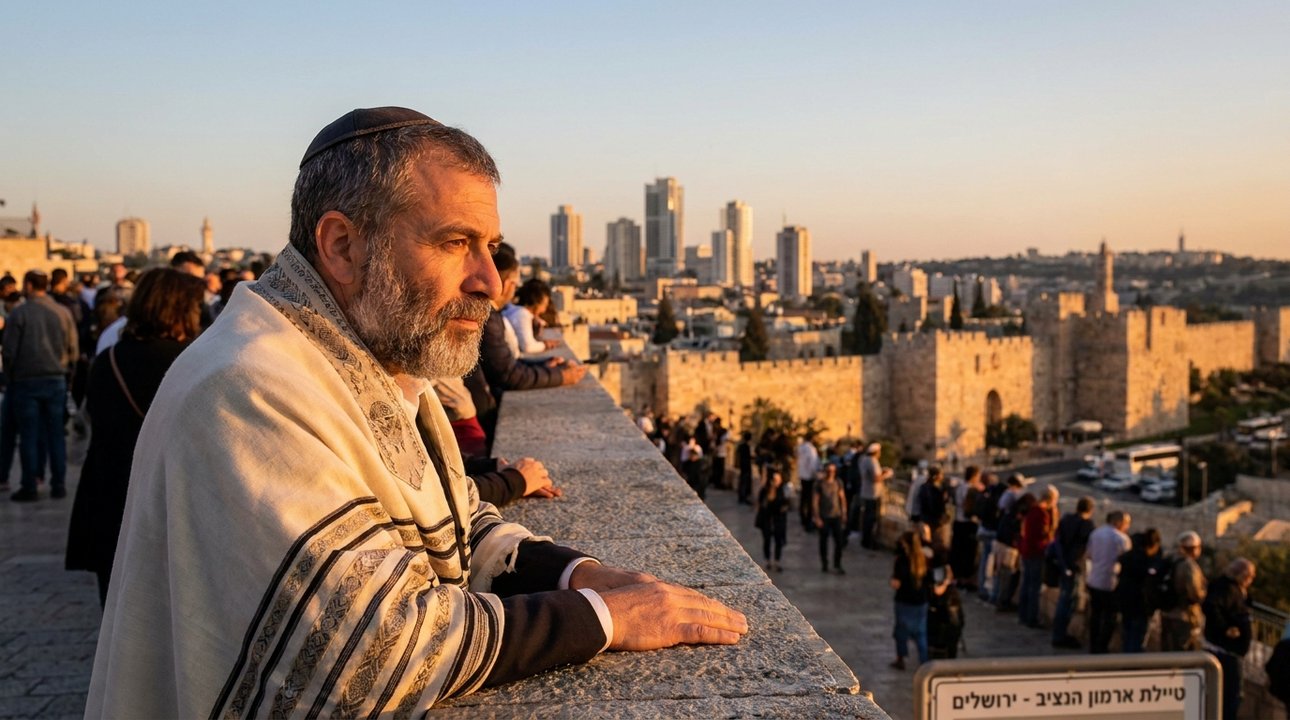
Zion in the Psalms: A Spiritual Hub
The Psalms present Zion as the place God chose. Psalm 48:3 describes it as safe and strong, saying, “God is in her citadels; he has shown himself to be her fortress.” Psalm 87:2-3 adds that God loves “the gates of Zion” and that “glorious things” are spoken of it. These verses treat Zion as far more than an ordinary city.
The Psalms often depict Zion as the place where God chose to dwell. Psalm 132:13-14 says, “For the Lord has chosen Zion; he has desired it for his dwelling.” This presents Zion as a chosen home and a spiritual center. The Psalms describe it as a source of strength in Jewish worship.
For the writers of the Psalms, Zion carried both an earthly and a spiritual meaning. It was a real city, and also a sign of God’s care for the people. Zion brought a sense of reverence and belonging. Over time, the bond between the people and Mount Zion grew deep and lasting.
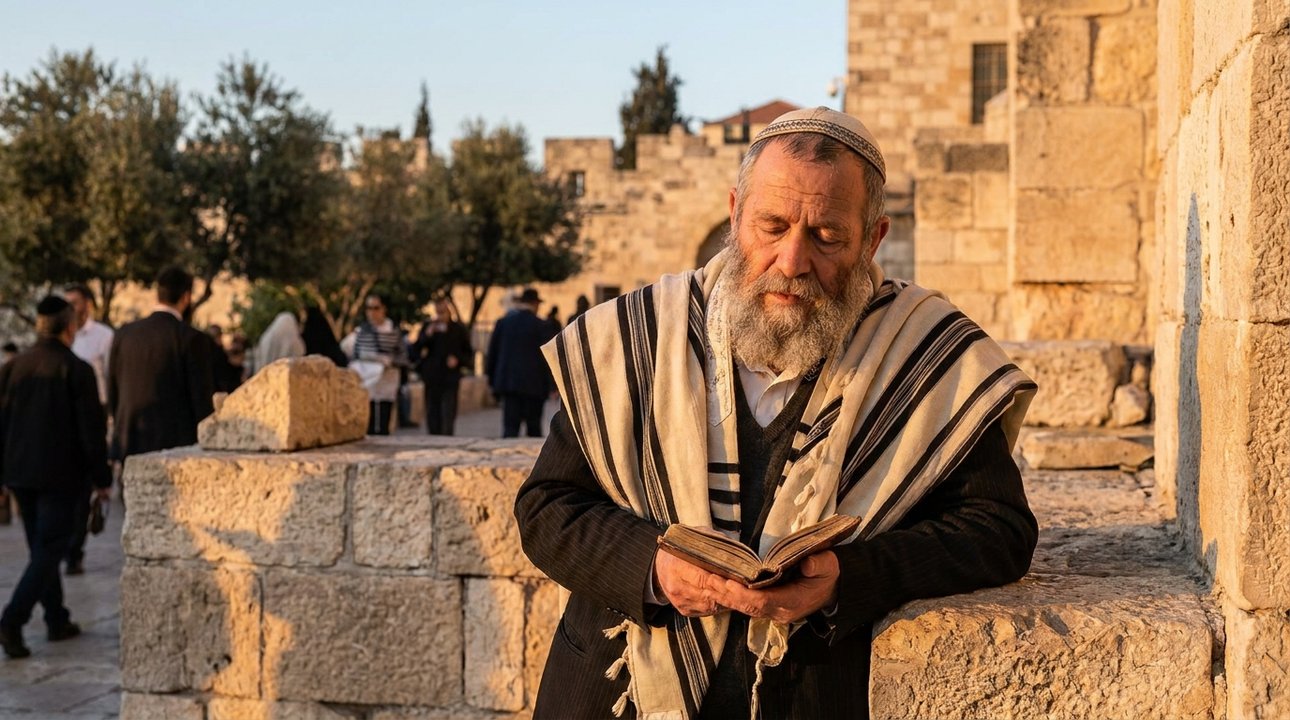
Connecting Zion to Jewish Identity and Tradition
Zion appears far beyond the Bible in Jewish tradition. The Talmud and Midrash often use the image of Zion when they discuss faith and future restoration. Zion is also part of Jewish prayers and holidays. At the Passover Seder, for example, the phrase “Next year in Jerusalem” repeats this hope.
Zion is named in the Amidah, one of the central Jewish prayers. There it stands for God’s presence and for future return. The same hope appears at the close of Yom Kippur, when “Next year in Jerusalem” is said again. These prayers keep Zion at the heart of Jewish worship.
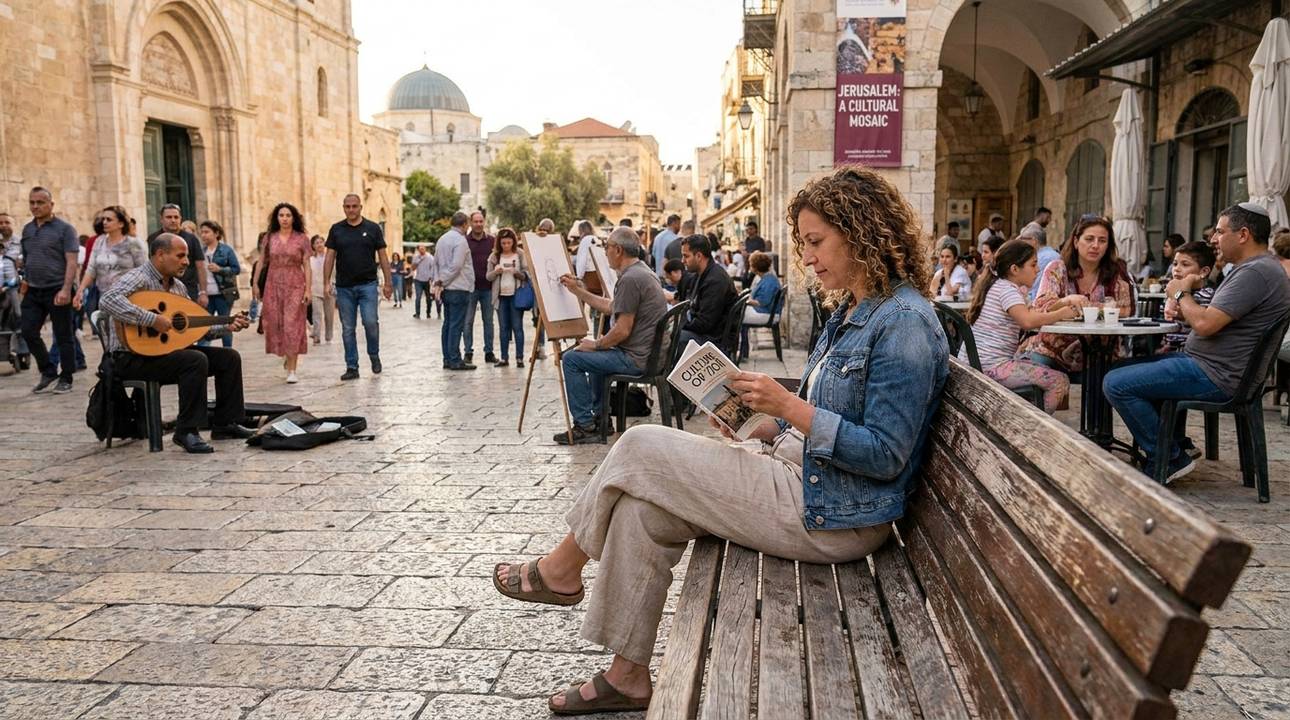
Even far from the land, Jewish communities kept Zion in mind. Art, music, and folklore based on the Psalms kept its memory alive. Psalm 137:5-6 captures this longing. The writer vows never to forget Jerusalem, even in exile.
Jewish poets and musicians often used the image of Zion in their work. This kept its memory alive when return seemed far away. Through these works, Zion stayed a symbol of identity and belonging for many generations.

Zion in Modern Jewish History
The modern Zionist movement adopted the name Zion as a call for Jewish return and nation-building. For many, Zion became not only a religious idea but also the goal of establishing a national homeland. The founding of the State of Israel in 1948 was seen as a renewal of this long-standing connection to Zion.
Zionism reshaped the older meaning of Zion into a national narrative. The word Zion came to stand for shared purpose and heritage. Today, Zion connects ancient texts to the modern state. This connection draws on prophecies that speak of Zion as a place of instruction and peace.
The modern movement drew on the old longing for a return to Zion found in Jewish prayers and writings. Its goal was to build a homeland. The founding of the State of Israel reflects how strong this idea remained. It ties ancient hopes to modern history and to Jewish identity.
Understanding of Mount Zion
