
Exploring the Role of Gaza in Historical Narratives
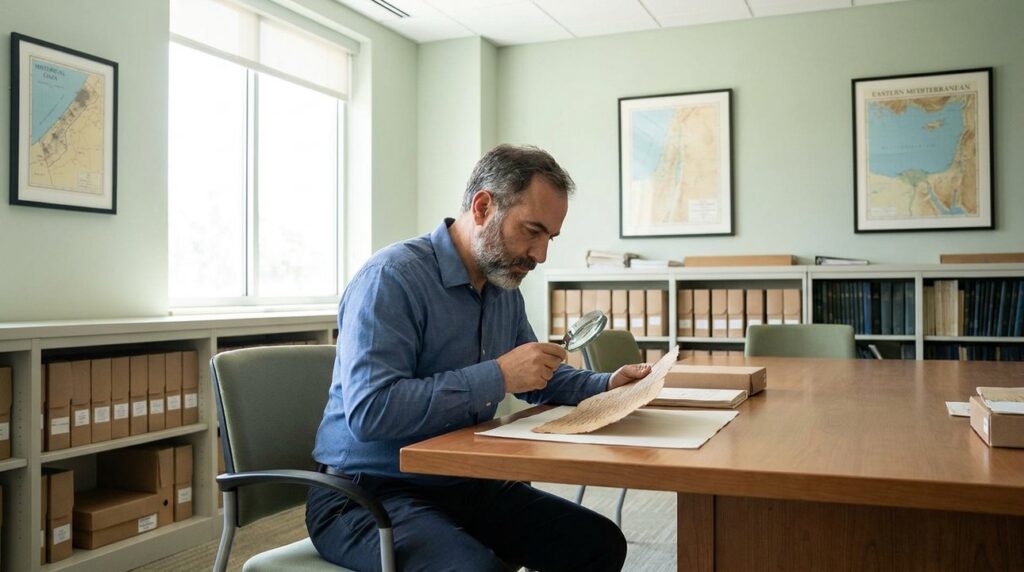

Gaza is one of the oldest cities named in the Bible. It sits on the southern Mediterranean coast. The Bible first mentions it in the book of Genesis, as a border of the land of the
Canaanites
from the Western Wall to Masada.

.
In this article, we look at where Gaza appears in the Bible. We also look at what the text says about the city and its people.
Gaza appears in several Bible stories. It is best known as one of the main cities of the Philistines.
The city sat on important routes, so it played a large part in the region’s trade and history.
Gaza was one of five Philistine cities known as the Pentapolis. The other four were Ashdod, Ashkelon, Ekron, and Gath. Gaza’s location linked Egypt with the lands to the north. This made it an important stop on the coastal road later known as the Via Maris.
Because of this position, the city grew wealthy from trade.
In the biblical account, the Philistines and the Israelites were often in conflict, and Gaza was a leading Philistine city.
The Location and Name of Gaza
Gaza lay in the coastal region the Bible calls Philistia. It was the southernmost of the five Philistine cities.
Today the site is part of the Gaza Strip, on the southern Mediterranean coast.
The Hebrew name for the city is ‘Azzah.’ It comes from a root that means ‘strong.’ The name suited a city known as a fortified stronghold. As one of the Pentapolis cities, Gaza was a center of Philistine life.
Its place on the coast helped it control nearby trade routes.
This made Gaza a wealthy and important city in the biblical record.
Gaza in the Book of Judges
The best-known Bible story set in Gaza is the story of Samson.
Samson was an Israelite judge. According to the book of Judges, the Philistines captured him and brought him to Gaza. There he lost his life.
The story shows Gaza’s role as a leading Philistine city. The account of Samson in
Gaza
shows how important the city was in the biblical story.
It describes themes of strength, betrayal, and defeat.
It is one of the most remembered stories about the Philistines and the Israelites. In the story, a blinded Samson is brought to a Philistine temple. He pushes against its two central pillars and brings the building down.
The book of Judges names the temple as the house of Dagon, a Philistine god.
This dramatic ending shows how central Gaza was in the events the text describes. The temple was an important place of worship for the Philistines.
In the story, its collapse is a heavy loss for them.
The account remains one of the most memorable in the book of Judges.
Gaza and the Prophets
Several Hebrew prophets name Gaza along with the other Philistine cities.
These passages treat Gaza as an important city of the region.
The prophets also speak words of judgment against Gaza. In these passages, Gaza often stands for the Philistine cities as a whole.
The prophetic books use such cities to speak about justice and consequences.
These texts reflect the tense relationship between the Israelites and their neighbors. The prophet Amos speaks against Gaza in the first chapter of his book.
He declares judgment on the city for taking whole communities captive and selling them to Edom.
Other prophets, including Zephaniah, Jeremiah, and Zechariah, also mention Gaza. These prophecies point to Gaza’s role as a strong Philistine center.
In the biblical text, the city often stands against Israel.
The passages describe the ongoing tension that marked the region.
from the Western Wall to Masada.
Gaza’s Role in Trade and Commerce
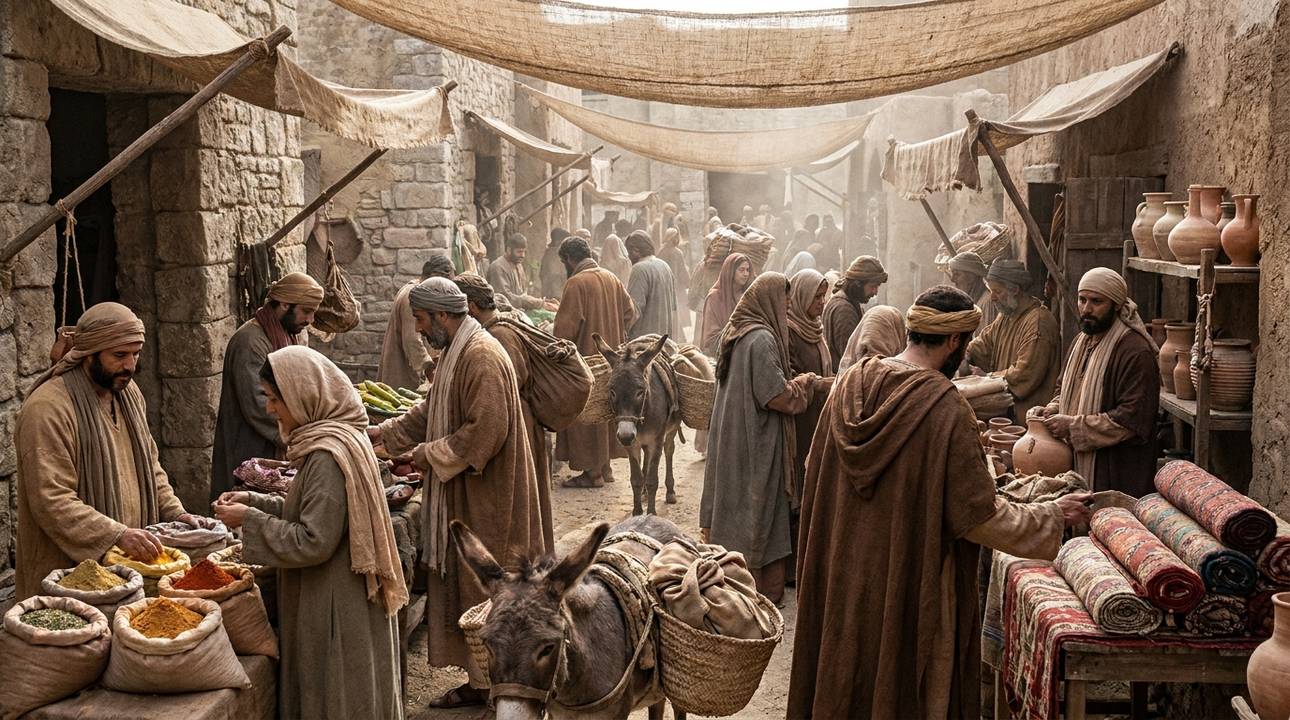
In ancient times, Gaza was a busy trading city.
It sat at a crossroads for traders moving between Egypt and the lands to the north. The book of Genesis even names Gaza as a border city.
This position helped make it a center of trade and wealth. Because goods and people passed through Gaza, many cultures met there. This trade helped the city grow rich. Its wealth added to its importance in the biblical record. Gaza’s place on the trade roads connected it to the great powers of the day.
Goods and ideas moved through the city over long distances.
This helped Gaza stay important in the ancient world. The routes through Gaza linked it to empires such as
Egypt
and, further off, Mesopotamia.
This reach helped the city prosper.
Its part in these trade networks shows how important Gaza was in the region.
What Archaeology Shows
The Philistines were one of the Sea Peoples. They settled the Gaza area around the 12th century BCE.
The city of Gaza itself has seen little excavation, because a modern city sits on the ancient site.
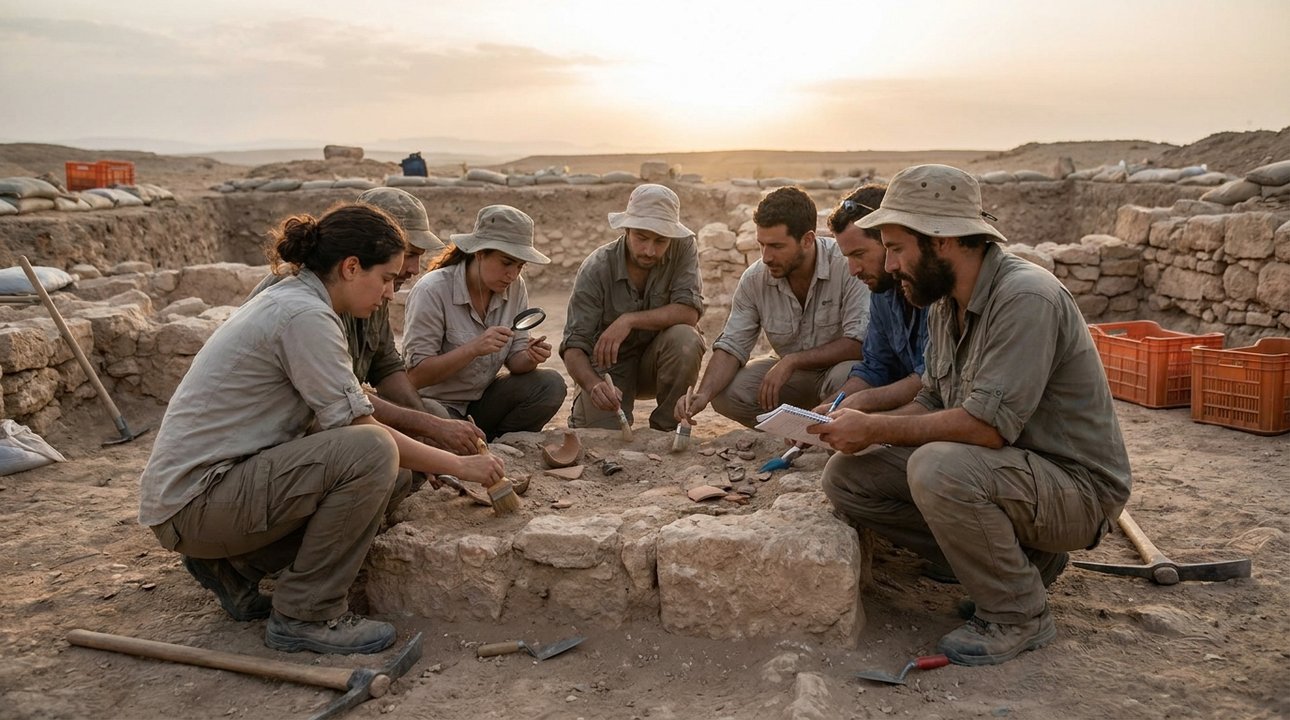
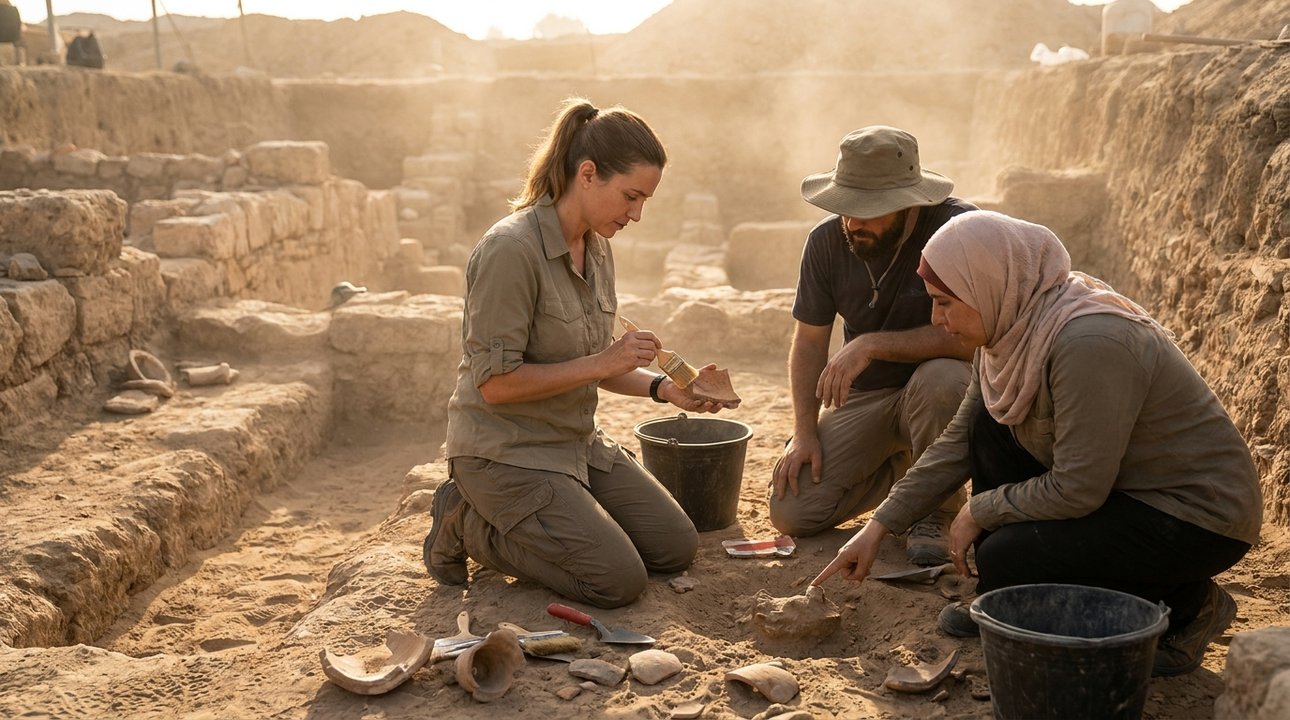
Most of what we know about Philistine life comes from the nearby cities of Ashkelon, Ekron, Gath, and Ashdod. Digs at these sites have uncovered pottery, tools, and other everyday objects.
The pottery often has designs that are unique to the Philistines.
These finds show skilled craft work and wide trade links. The designs on Philistine pottery set the Philistines apart from their neighbors.
These objects give us a picture of daily life in the region.
They help historians understand the world of the Philistine cities near Gaza.
Gaza in the Present Day
Today, Gaza is part of the Gaza Strip. It is a densely populated area with a long and complex history.
Much has changed since ancient times. Even so, Gaza’s place in the Bible still interests scholars and readers.
Learning about its past helps explain the history of the wider region. Archaeology gives us a real link to Gaza’s past.
The finds from the region reveal layers of history built up over thousands of years.
Studying them helps connect the biblical stories to what we know of the ancient world.
In short, Gaza appears often in the Bible as an important city.
It is part of the story of Samson, the words of the prophets, and the trade of the ancient world.
Gaza’s long history offers a useful window into the ancient Near East. The stories set in Gaza show how different peoples met and clashed in the ancient world.
They are part of the larger story of the region.
Studying Gaza’s past still helps us understand ancient history today.
