
Exploring the Legacy and Location of Samaria
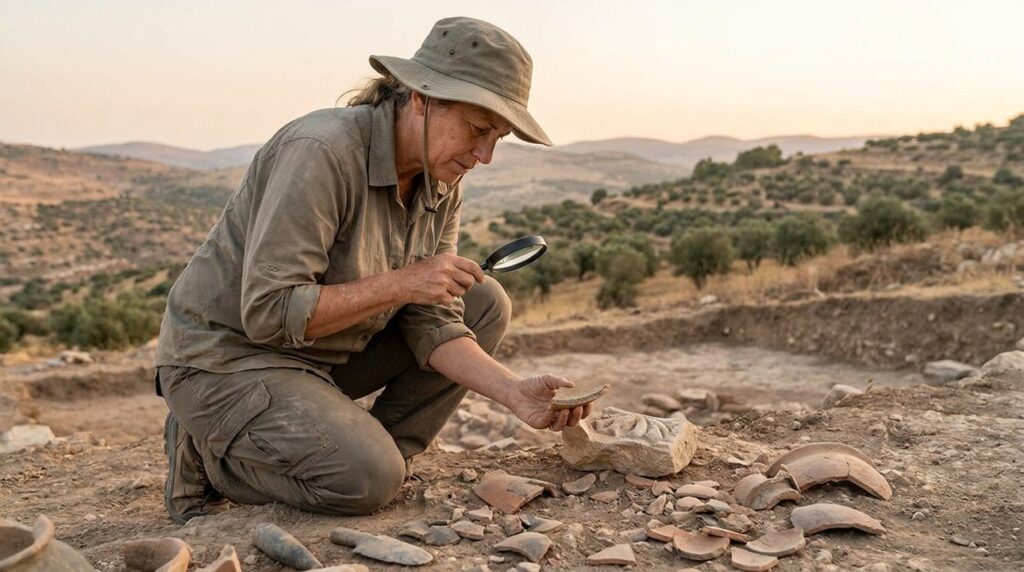

Samaria is a notable historical region frequently referenced in ancient texts. According to biblical accounts, Omri, king of Israel, purchased the hill of Samaria and established a city there. This article examines Samaria’s historical significance. It was most famously the capital of the northern kingdom of Israel. Below, we explore the story of this land and its connections to the past.
Historical Context of Samaria
Samaria became the capital of the northern kingdom of Israel during the 9th and 8th centuries BCE. King Omri selected the site for its strategic hilltop location. The name Samaria is derived from Shemer, the original owner of the hill. In Hebrew, it was known as Shomron. Over time, various peoples inhabited the area, contributing to its complex history.
from the Western Wall to Masada.
The site was near trade routes, making it a hub of commerce and influence. According to the book of 1 Kings, Omri bought the hill from Shemer for two talents of silver. Samaria later fell under the control of the Assyrians, Babylonians, and Persians, each leaving their mark. These influences are evident in the artifacts unearthed by archaeologists.
In 722 BCE, the Assyrians conquered Samaria, exiling many inhabitants and introducing settlers from other regions. This altered the local culture and demographics. These changes led to the development of new customs over time.
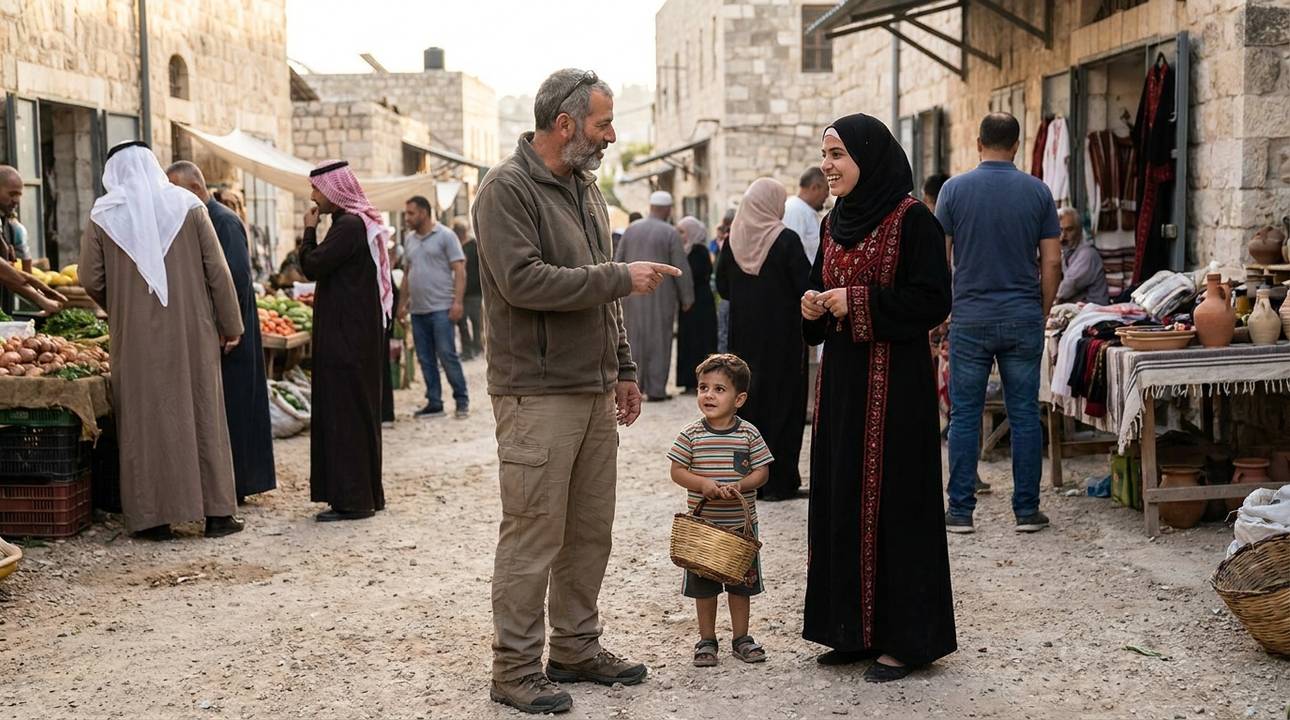
According to the book of 2 Kings, settlers came from areas like Babylon and Cuthah, resulting in a diverse population in Samaria’s towns. Over time, these newcomers integrated their beliefs and customs with those of the locals, influencing the region’s later history.
Samaria in Historical Texts
Samaria is frequently mentioned in the Hebrew Bible, particularly in the books of Kings as the seat of Israel’s northern rulers. Prophets like Amos and Hosea spoke of Samaria, critiquing the wealth of its leaders and advocating for social justice.
These texts provide insight into the daily life and politics of the city, as well as the religious challenges of the era. Samaria is depicted as a place of both conflict and transformation, highlighting its importance as a center of the northern kingdom.
The Hebrew Bible details several kings of Samaria, including King Ahab, who ruled alongside Queen Jezebel. The book of 1 Kings describes religious conflicts during their reign, focusing on the worship of the god Baal.
Samaria is also mentioned in Assyrian records, which describe their conquest of the city in 722 BCE. These records align with parts of the biblical narrative, providing scholars with a more comprehensive understanding of the region’s past.
from the Western Wall to Masada.
Archaeological Discoveries in Samaria
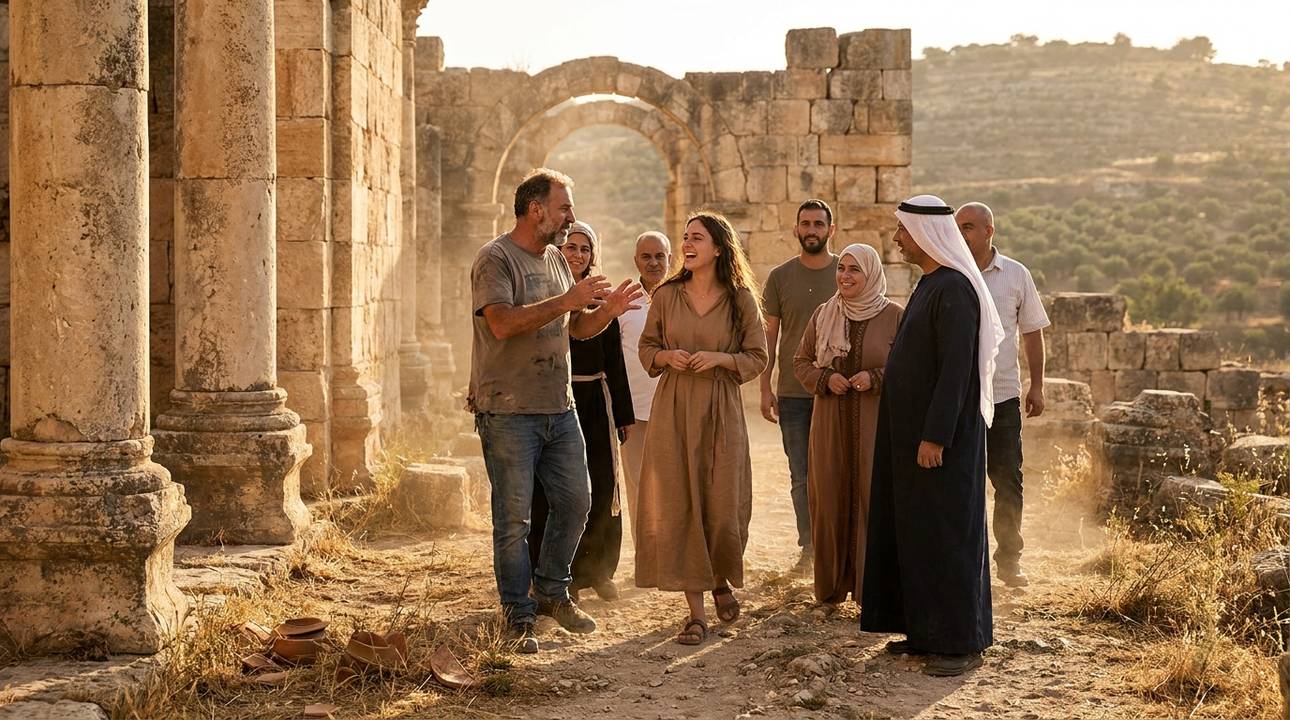
Excavations in Samaria have revealed significant remnants. Archaeologists have uncovered parts of palaces, walls, and everyday items, illustrating life in the ancient city. The Samaria ivories are among the most famous finds. These carved ivory panels adorned furniture and walls, depicting animals, plants, and mythological figures.
The carvings demonstrate the artisanship of local craftsmen and the influence of nearby cultures like Egypt and Phoenicia. Excavators also discovered a large palace on the hilltop, constructed during the reigns of kings Omri and Ahab.
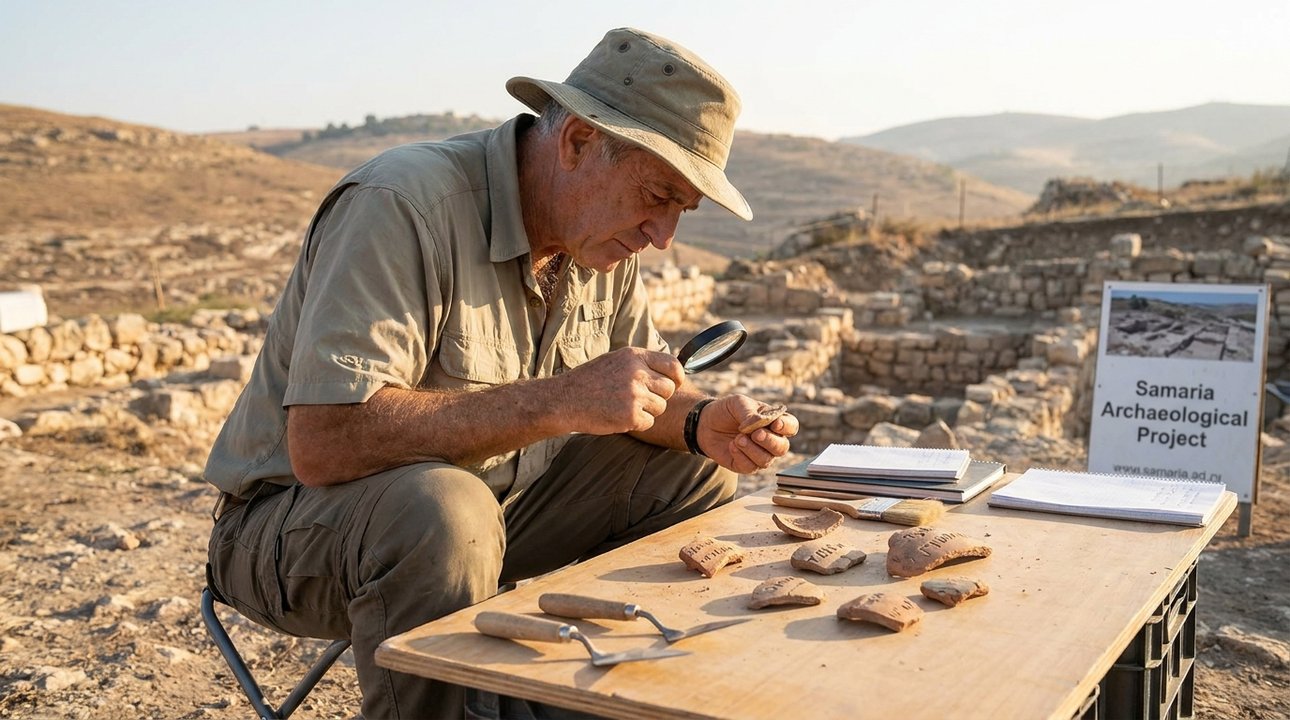
Archaeologists have also unearthed inscriptions and seals at the site, with the Samaria Ostraca being the most notable. These are pottery fragments with inscriptions. They document shipments of wine and oil to the city, dating to the 8th century BCE during King Jeroboam II’s reign, illustrating the kingdom’s administrative practices.
Cultural Role of Samaria
Samaria has been home to diverse groups over the centuries, resulting in a complex cultural history. The Samaritans are one group associated with this area. They have distinct religious traditions and trace their ancestry to the northern part of ancient Israel.
The Samaritans have preserved their identity for many centuries, with a small community still residing in the region today. They follow their own version of the Torah and customs. Their enduring history is a focal point of scholarly interest.
Festivals and customs from the region have deep roots. The Samaritans hold an annual Passover ceremony on Mount Gerizim, one of their oldest traditions. Such practices provide insight into the religious life of the past.
Many local festivals were linked to the agricultural calendar, marking events like grape and olive harvests. These gatherings were both religious and social. These ancient customs continue to influence some modern celebrations, contributing to the region’s historical legacy.

Samaria's Historical Context
