
Understanding Nineveh in Today’s Context
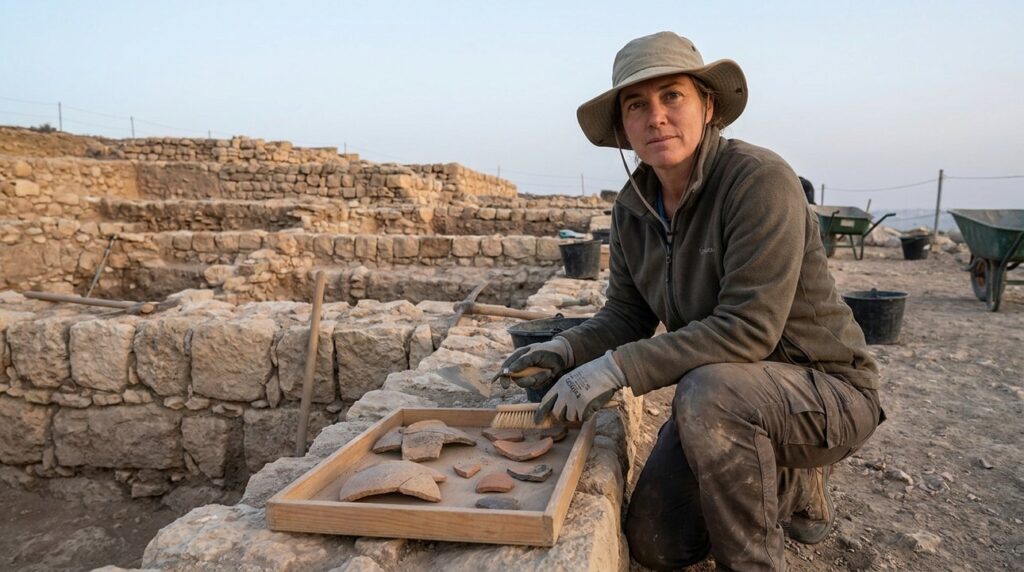

Nineveh
was once the grand capital of the Assyrian Empire. It stood near the modern city of Mosul in
from the Western Wall to Masada.

Iraq
. Its huge walls and palaces were legendary, showing the wealth and power of its kings.
The city’s walls ran for about 12 kilometers. They were among the largest in the ancient world, built to protect its people and to display the might of the Assyrian Empire.
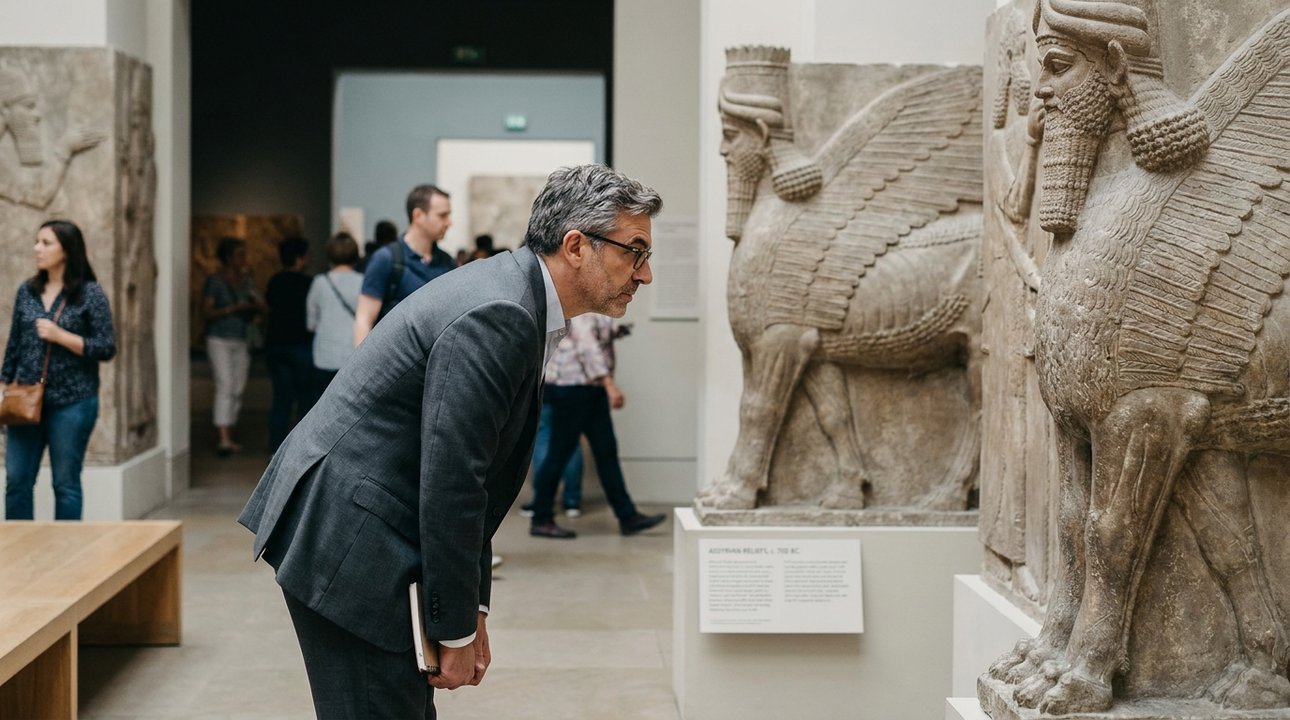
Today, Nineveh remains a fascinating site for historians and archaeologists, offering insights into early societies. Excavations have uncovered significant artifacts, including the famous winged bulls and intricate reliefs that adorned the city’s palaces.
The History of Nineveh
Nineveh was one of the oldest cities in Mesopotamia. People had lived there for thousands of years before it rose to power. It became the capital of the Assyrian Empire under King Sennacherib. Its location on the Tigris River made it a hub of trade and culture in the ancient Near East.
Assyrian art and architecture, preserved in its ruins, still show the city’s former glory. Sennacherib ruled from 705 to 681 BCE. He carried out large building projects, including the famous ‘Palace Without Rival’ in Nineveh. The city’s fortifications were designed to withstand sieges and demonstrate the empire’s strength. These achievements reflect the city’s importance as a center of power and influence in the ancient world. Nineveh’s most famous ruler, Sennacherib, transformed the city into a symbol of Assyrian might and architectural prowess. His reign, which began in 705 BCE, was marked by impressive building projects, including the renovation of the city’s iconic walls and gates.
Sennacherib’s constructions, such as the grand palace known as the ‘Palace Without Rival,’ reflected both architectural advances and his political ambition. These projects showcased the wealth and power of the Assyrian Empire. Sennacherib’s legacy is clear in the detailed reliefs that show his military campaigns. These carvings served as royal propaganda.
They also give us valuable insight into Assyrian society and its values. The reliefs, found in the palaces of kings like Ashurbanipal, depicted battles, hunting scenes, and religious ceremonies, providing a vivid picture of Assyrian culture and priorities.
Discoveries and Insights from Nineveh
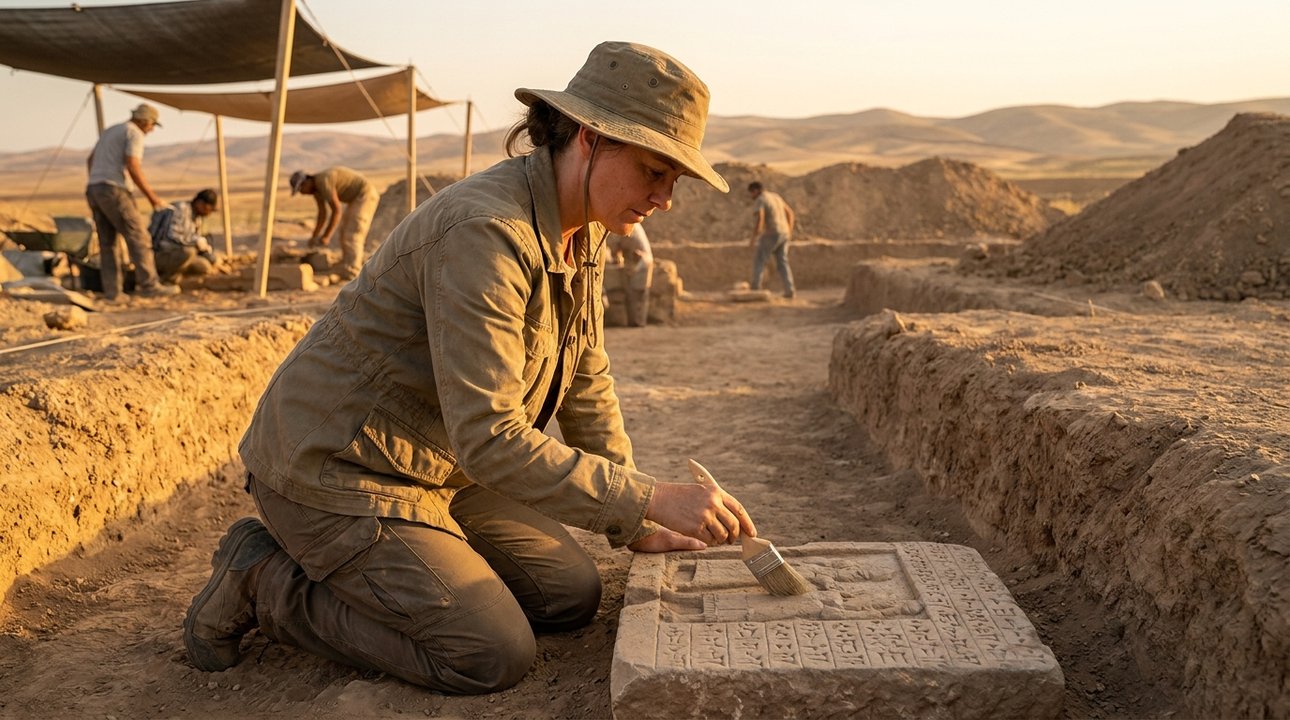
Archaeological excavations have uncovered important artifacts in Nineveh. Among them are cuneiform tablets that reveal Assyrian governance, society, and daily life. The library of Ashurbanipal stands out.
This library was one of the oldest known royal libraries. It held thousands of clay tablets on many subjects, showing how much the Assyrians valued knowledge and learning. The tablets cover a wide range of topics, from astronomy and medicine to literature and law, reflecting the intellectual achievements and cultural diversity of the
Assyrian Empire
. The tablets include administrative records, legal documents, and literary works. They reveal details about trade, law, and religion. Together they enrich our understanding of ancient Mesopotamian civilization.
The library held the most complete surviving copy of the Epic of Gilgamesh, one of the earliest known works of literature. Scholars first translated it from these tablets in the 1870s. These documents illustrate the complexity of Assyrian society and its influence on neighboring cultures. They also highlight the importance of literacy and record-keeping in maintaining the empire’s vast territories and diverse populations. The palace of Sennacherib, decorated with intricate reliefs, provides rich details about Assyrian warfare and culture. Such art and inscriptions give voice to the empire’s historical narrative and its interactions with neighboring regions.
The reliefs depict scenes of military campaigns, showcasing the empire’s military prowess and strategic capabilities. Each artifact unearthed helps reconstruct the storied past of this once-magnificent city, offering a window into the daily life, beliefs, and achievements of the Assyrian people.
Nineveh in Historical Context
Nineveh appears in several ancient texts, which shows how important the city was. It is best known from the biblical Book of Jonah.
In that account, the people of Nineveh heed a warning, turn from wrongdoing, and are spared. The story stresses themes of repentance and mercy. The tale has left an indelible mark on how Nineveh is perceived in religious traditions, portraying it as a city capable of change and redemption, despite its reputation for wickedness. Other biblical writings, such as the Book of Nahum, describe the city’s downfall. These accounts blend Nineveh’s real history with lasting stories.
They present its destruction as a matter of justice. This adds a layer of moral reflection to the city’s story. They portray Nineveh not just as a geographical location but as a symbol within religious literature. The city’s story serves as a cautionary tale about the consequences of hubris and the fleeting nature of earthly power.
from the Western Wall to Masada.

Nineveh’s Rediscovery: A Historical Revival
In the 19th century, the discovery of Nineveh’s ruins by Western explorers ignited a global fascination with ancient Mesopotamia. This period saw a surge in interest in Assyrian art and history, as scholars began to piece together the story of this once-great civilization.
Figures like Austen Henry Layard, a British archaeologist, played pivotal roles in these archaeological triumphs. Layard’s work unearthed significant artifacts, revealing the grandeur of Nineveh and its cultural achievements. Layard’s discoveries included the famous winged bulls and intricate reliefs that adorned the walls of Nineveh’s palaces. These findings captivated Europe’s imagination, integrating Nineveh into educational and cultural discourses.
This era marked the beginning of a modern understanding of ancient Assyria, as scholars began to translate cuneiform tablets and reconstruct the history of the Assyrian Empire. Layard’s assistant, Hormuzd Rassam, later uncovered more of the library of Ashurbanipal in a second palace. These tablets gave scholars a deep look at the empire’s governance, culture, and daily life. Layard’s excavations brought Nineveh’s sculptures and carved friezes to light. News of the finds captivated Europe. Museums in London and beyond soon displayed the Assyrian treasures.
The work also helped launch the modern study of ancient Assyria. Scholars slowly learned to read the cuneiform script found on the tablets. Their work revealed the history of the Assyrian Empire in the city’s own words. The reliefs showed scenes of Assyrian life and military conquest. They shaped how the Western world pictured ancient Mesopotamia.
Carvings from the palace of Ashurbanipal include a famous royal lion hunt. Such scenes give a vivid picture of Assyrian culture and priorities. These carvings were royal propaganda. They also reveal what the Assyrians valued: power, conquest, and the favor of their gods.
The Legacy of Nineveh in Modern Times
Though largely in ruins, Nineveh’s site remains a symbol of cultural heritage. Many experts view its ruins as globally important and worth preserving.
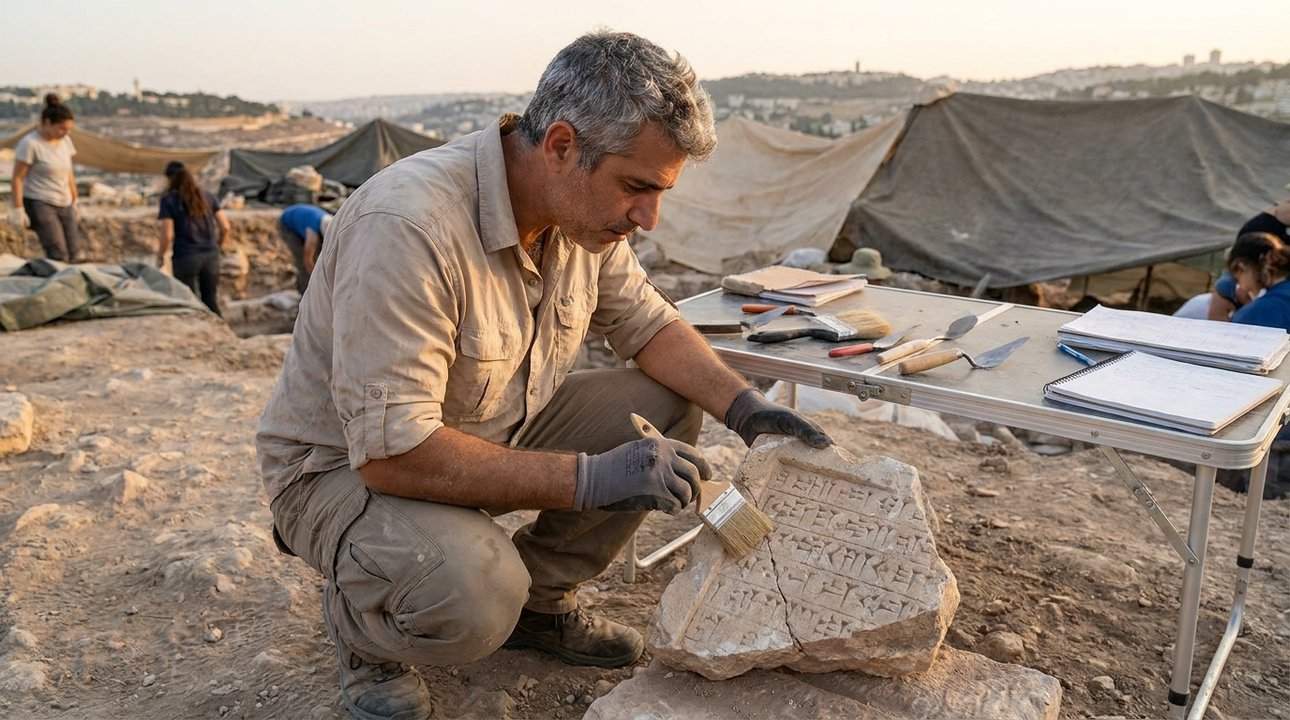
Interest in Nineveh continues. Scholars still study its past through ongoing archaeological research. Preserving its artifacts and ruins keeps us connected to a shared human history. The site reflects the achievements of early societies. It is a reminder of the cultural exchanges that shaped the ancient world.
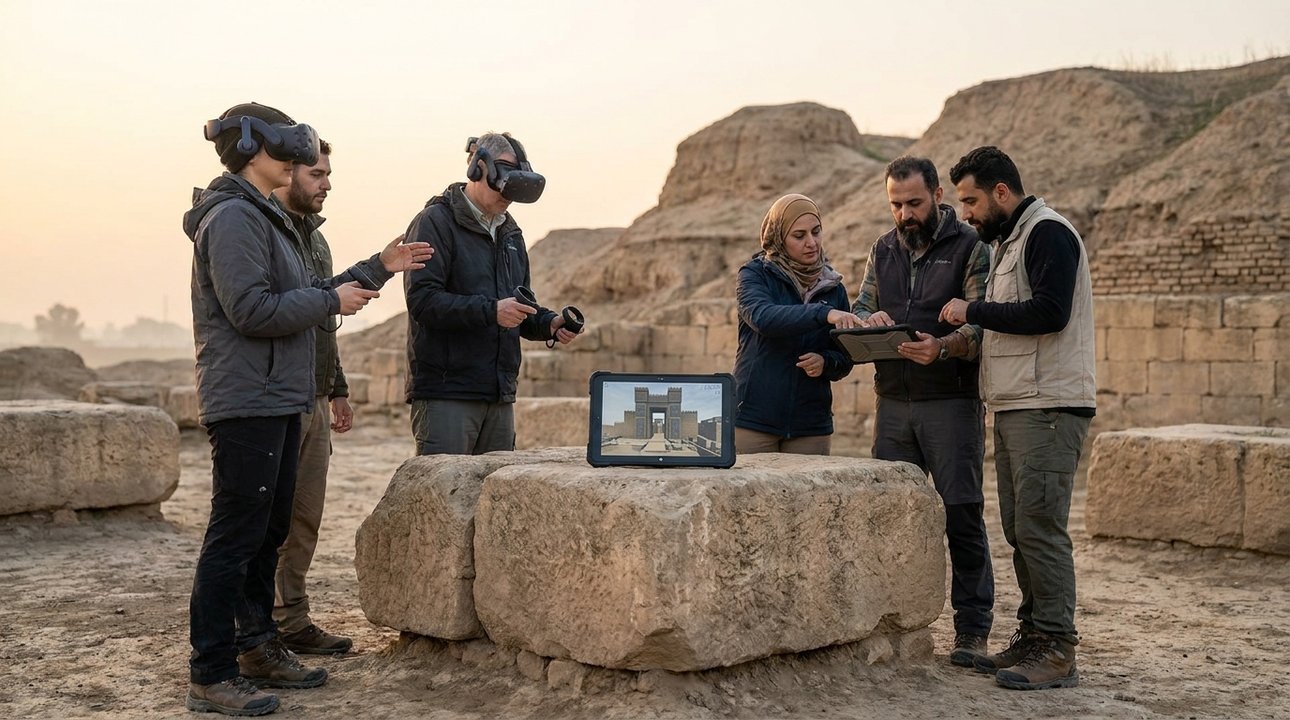
Nineveh’s ruins, including the remains of its palaces and temples, are studied by researchers today. The city sat on the Tigris River, which supported trade and contact with other cultures. Excavations have uncovered artifacts that reveal the city’s role as a center of learning and governance, including the famed library of Ashurbanipal, which housed thousands of cuneiform tablets on various subjects. Modern technology plays a crucial role in the reconstructive efforts of Nineveh, providing innovative tools to visualize its ancient glory. Virtual reality and 3D modeling allow historians and enthusiasts to explore the city’s grand architecture and layout.
These digital reconstructions help us understand the scale and beauty of Nineveh’s palaces and temples, offering insights into the lives of its inhabitants. Such innovations ensure Nineveh’s enduring legacy for future generations.
Cultural Impact of Nineveh
Nineveh’s influence reaches beyond its own history. Its story reflects the human effort to understand and preserve the past.
The city’s strongest literary link is the Epic of Gilgamesh. The most complete copy of that epic survived in Nineveh’s royal library. Artists and filmmakers draw inspiration from Nineveh’s history, creating works that explore themes of power, ambition, and the rise and fall of empires. This culture continues to captivate audiences worldwide, preserving Nineveh’s legacy for future generations. The city’s legacy appears in many forms, from paintings and sculptures to modern films and books. These works keep Nineveh’s story alive for new audiences.
Museum collections of Assyrian art, especially in London and Paris, also carry the memory of the city forward. Popular history books and documentaries also revisit Nineveh. They explore its rise, its power, and its fall. This ongoing interest keeps the ancient city in the public eye. The rise and fall of Nineveh reflects timeless themes of power and ambition. Its story still shapes modern discussions about historical memory and identity.
The city’s legacy lives on through its ruins and the records they preserve. It stands as a symbol of ancient achievement and the endurance of its story. The fall of Nineveh in 612 BCE serves as a reminder of the transient nature of empires and the inevitable decline of even the most powerful civilizations. Nineveh’s history is a sign of the complexities of human ambition and the impermanence of power. The city’s narrative continues to inspire reflections on the lessons of history and the enduring impact of cultural achievements. It was also the capital of the mighty Assyrian Empire, known for its impressive architecture and vast libraries. After 612 BCE, Nineveh never regained its former power. Its story reminds us how even the greatest empires can decline.
Today the ruins near Mosul, including the remains of its palaces and temples, are studied by researchers who continue to learn from the city’s long history.
