🌾 Happy Shavuot
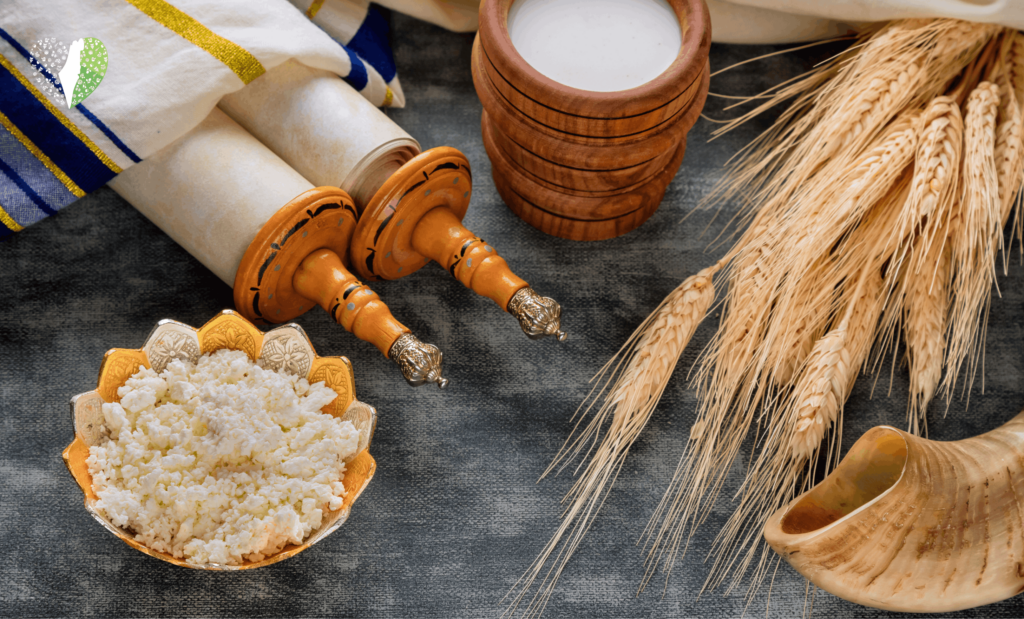

Shavuot is not a loud holiday. It doesn’t arrive with noise or spectacle. Instead, it comes quietly – through open tables, shared meals, and simple foods prepared with care. And in many ways, that’s exactly what makes it so meaningful.
A Holiday of Tradition, Gathering, and Shared Tables
✨ What Shavuot Really Celebrates
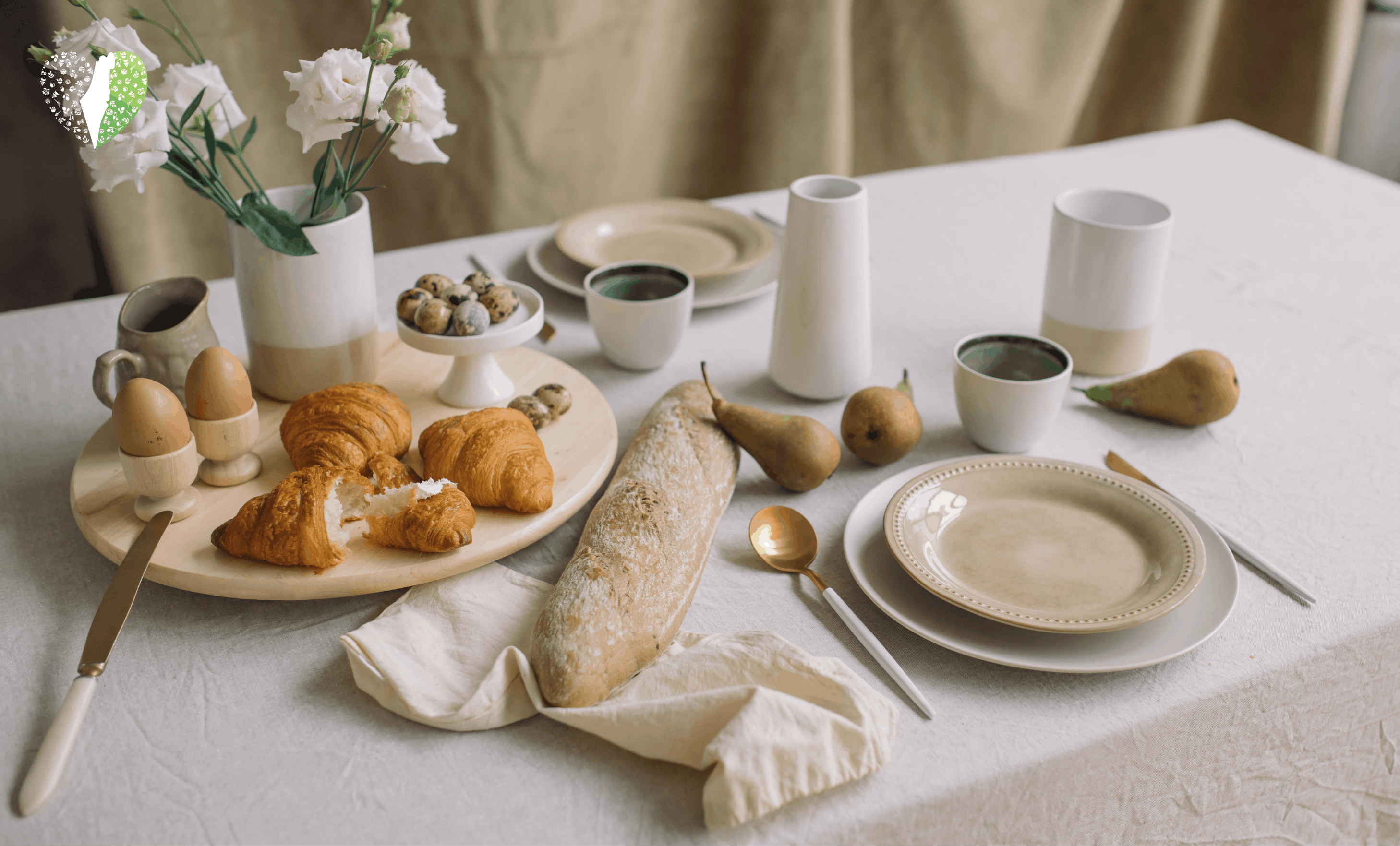
Shavuot marks the giving of the Torah at Mount Sinai. But beyond its historical meaning, it’s also deeply connected to the land itself – a harvest festival, celebrating the first fruits of the season. In Israel, this connection is still very much alive. Fields ripen. Markets fill with fresh produce. Homes prepare for a holiday centered around
gratitude, simplicity, and togetherness.
🧀 Why Dairy Foods?
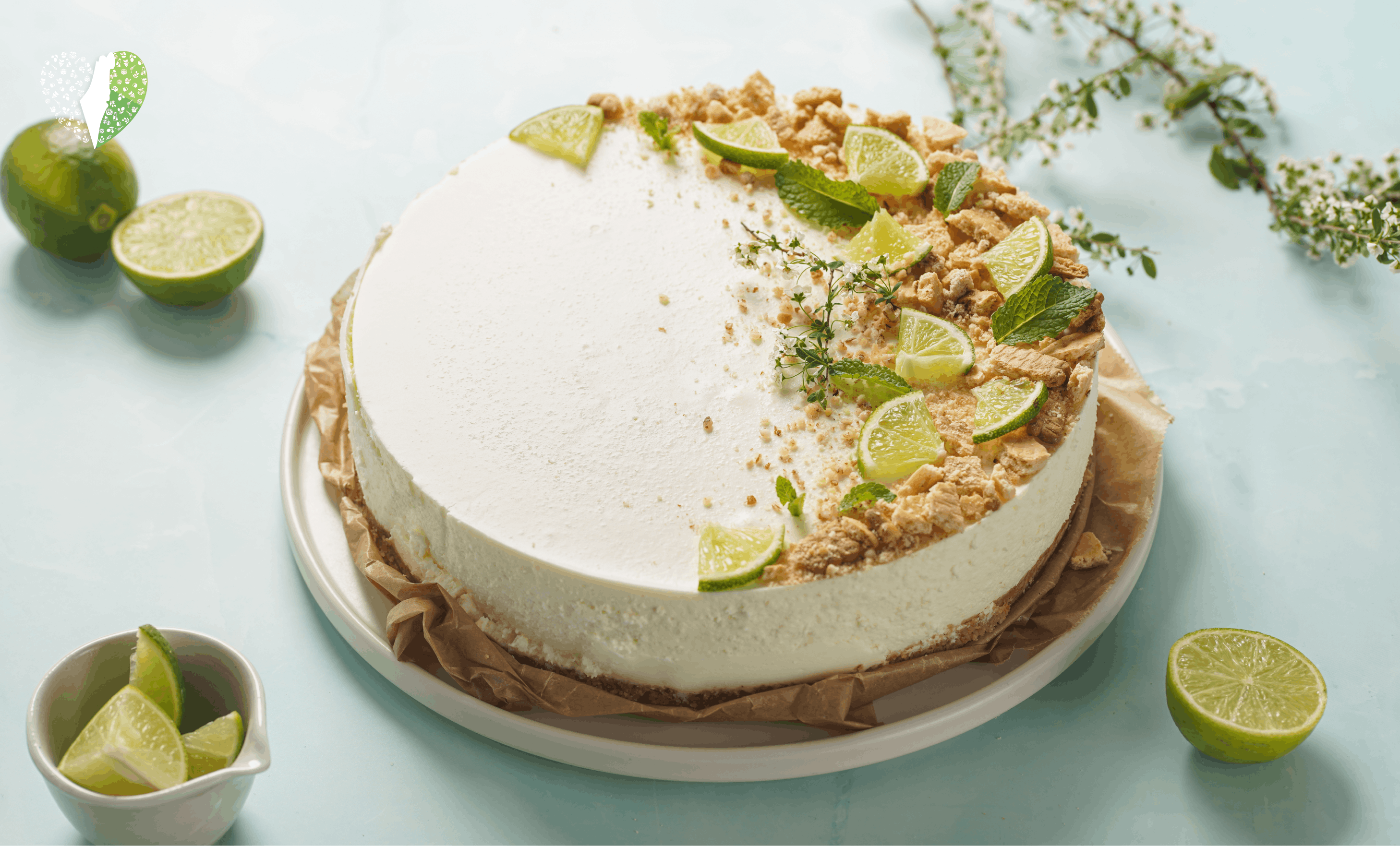
One of the most recognizable Shavuot traditions is the custom of eating dairy foods. There are many explanations behind it – from symbolism tied to the Torah, to practical historical traditions. But in everyday life, it looks like this: Cheesecakes cooling on kitchen countersFresh cheeses served with bread and honeyLight, seasonal dishes shared between family and friends It’s not elaborate. It’s
intentional
.
🕊️ How Shavuot Feels in Israeli Homes
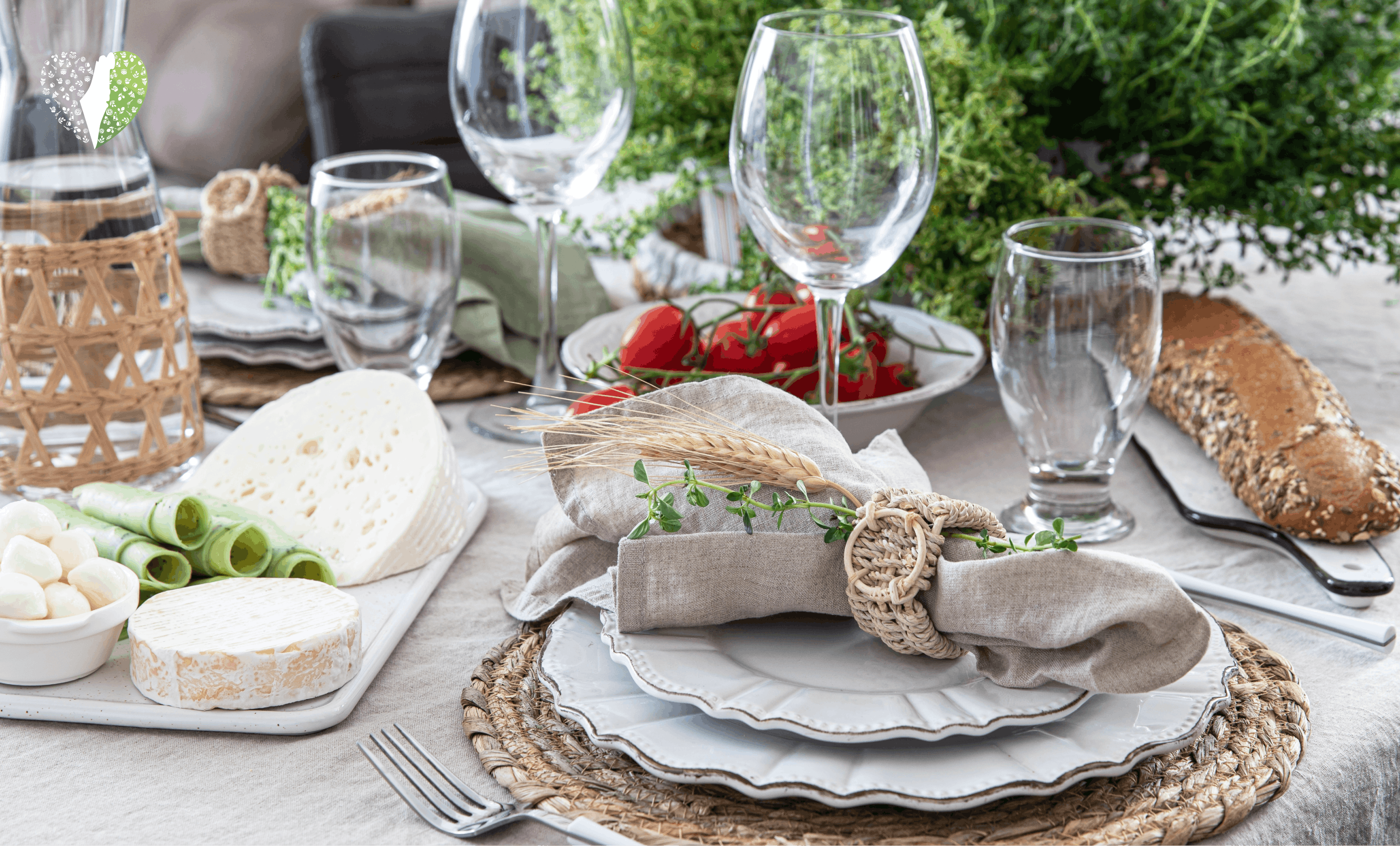
Tables fill with simple, fresh dishes. There’s conversation, laughter, and a sense of pause. In some communities, people stay up late into the night learning and reflecting. In others, the focus is simply on being together. But everywhere, there is one shared thread:
Connection – to tradition, to the land, and to each other.
Bring the Feeling of Shavuot Closer
🍽️ A Taste of Shavuot
Traditional Israeli Cheesecake Recipe
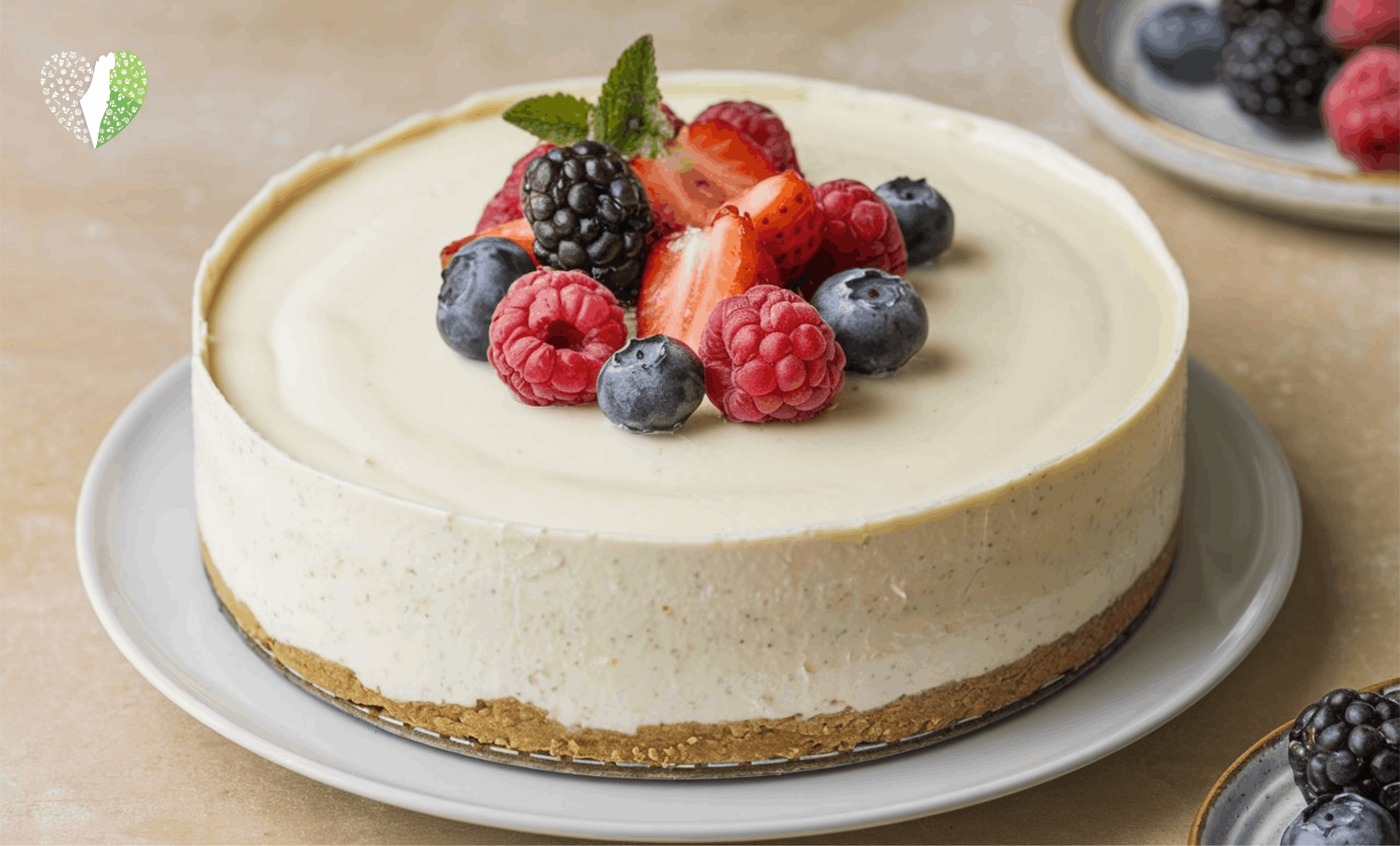
If there’s one dish that captures the feeling of Shavuot, it’s cheesecake. Simple. Familiar. Shared. Here’s a traditional Israeli-style baked cheesecake you can make at home: 500g (about 2 cups) soft white cheese (or cream cheese)1 cup sugar4 eggs1 cup sour cream or yogurt1 tsp vanilla extract2 tbsp cornstarchZest of 1 lemon (optional, but very Israeli-style) Preheat oven to 160°C / 320°FIn a bowl, mix the cheese and sugar until smoothAdd eggs one at a time, mixing gentlyStir in sour cream, vanilla, and lemon zestAdd cornstarch and mix until fully combinedPour into a lined baking panBake for about 50 – 60 minutes, until set but slightly soft in the centerLet cool completely, then refrigerate before serving
Tip:
Israeli cheesecakes are often lighter and less sweet than American versions – soft, airy, and slightly tangy.
💛 More Than a Recipe
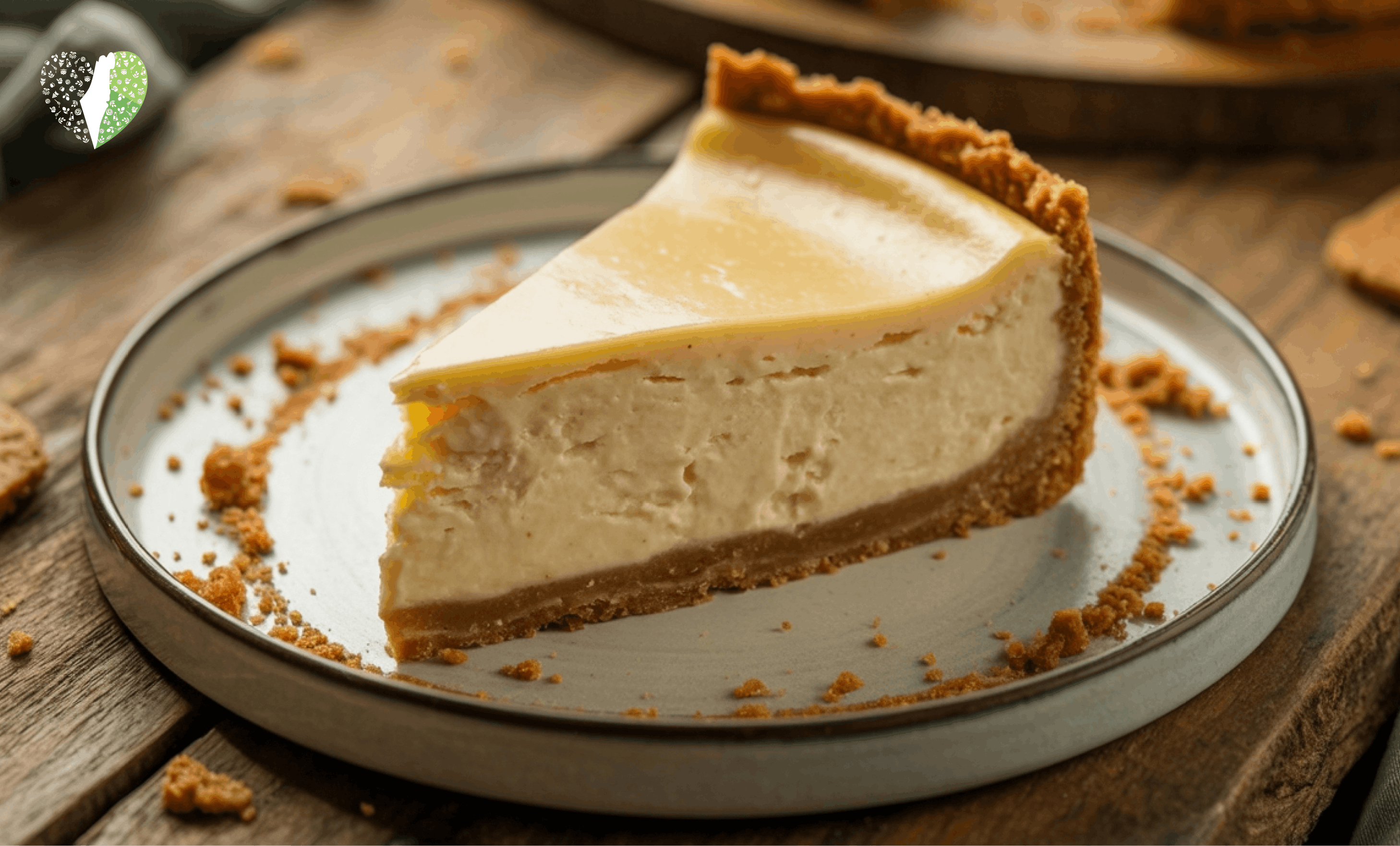
This recipe isn’t just about making dessert. It’s about recreating a moment. A table. A conversation. A small piece of how Shavuot is experienced in Israel. Because sometimes, the most meaningful connection doesn’t come from big gestures – but from something as simple as
sharing food that carries tradition with it.
✨ Bringing Shavuot Closer
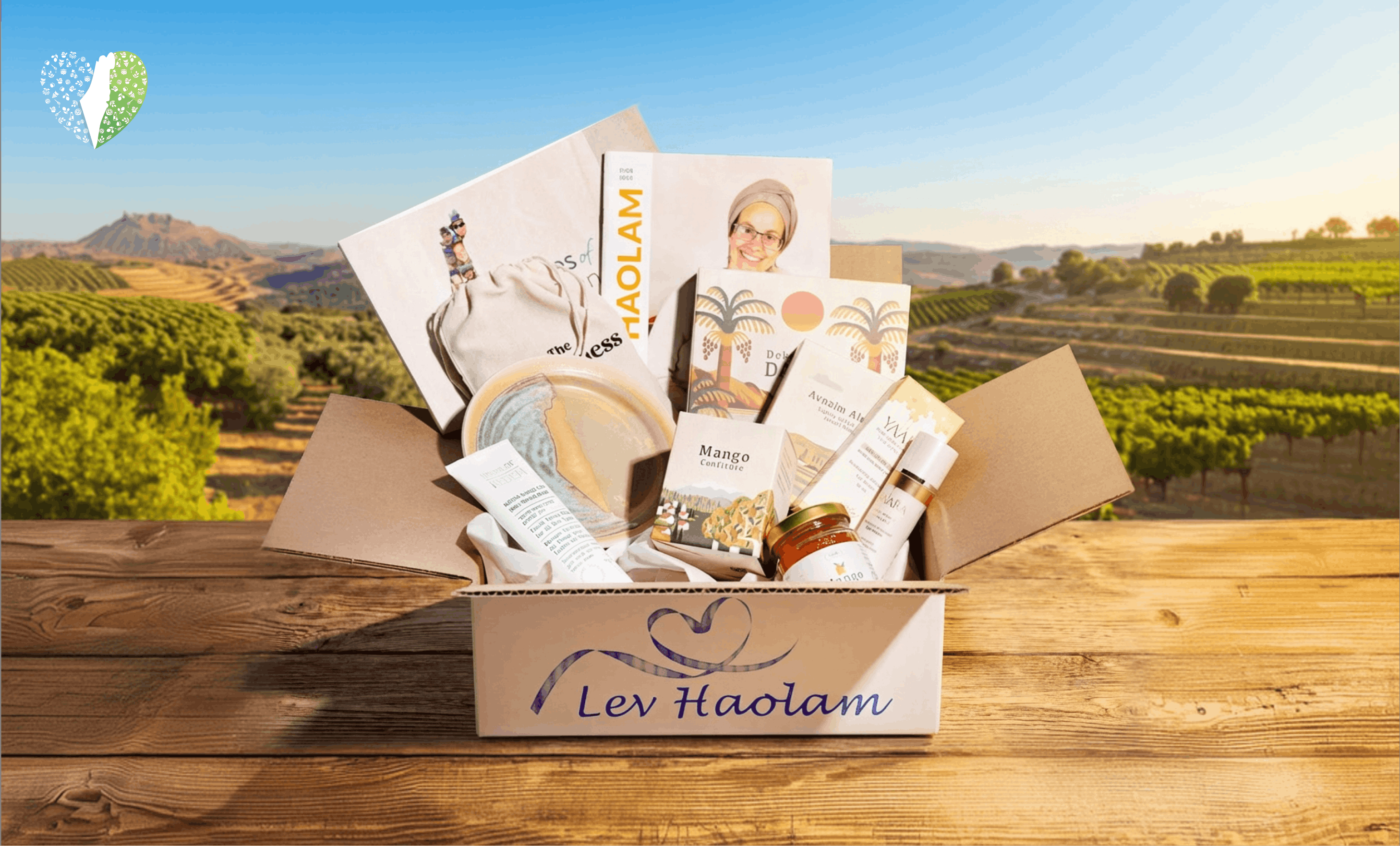
For those celebrating far from Israel, that connection can still be felt. Through food. Through traditions. Through the everyday lives of the people who continue to live and create there. Shavuot reminds us:
Connection doesn’t have to be complicated.
Sometimes, it starts with a table – and something made with care.