
Unveiling the Mysteries of Midian
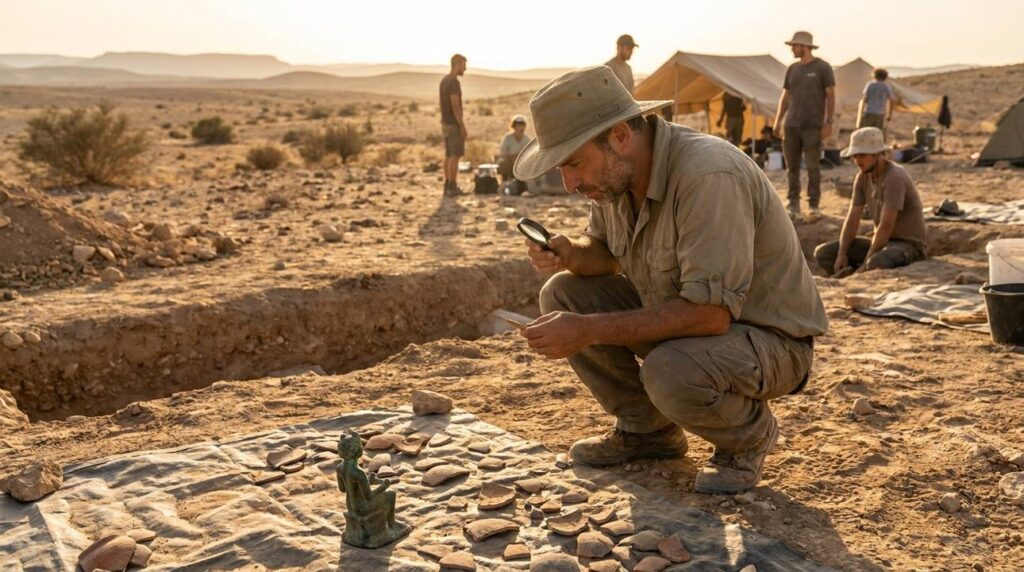

Midian holds layers of historical and cultural role. This ancient region offers a fascinating glimpse into the past. The land of Midian is mentioned in connection with several key figures, such as Jethro, as well as in the context of the Israelites’ journey through the wilderness.
Journey with us as we explore the land described in the stories of Jethro and their interactions with the Israelites, revealing important insights into Jewish heritage and history. The alliances and conflicts documented in various historical passages provide a mix of historical events. These narratives offer valuable lessons on leadership and resilience.
Understanding the Geography of Midian
Midian is located in the northwest Arabian Peninsula. This area, near the Gulf of Aqaba, played a pivotal role in ancient tribal interactions. Understanding Midian’s geographical context helps illuminate its strategic importance during historical times.
The Midianite territory served as a significant crossroads for trade and cultural exchange. Its border with the Sinai Peninsula connected it closely with the Israelite narrative, particularly during the Exodus.
The land of Midian was characterized by rugged terrain and arid climate. These conditions shaped the lifestyle and practices of the people who lived there. The nomadic Midianites thrived in this environment, developing a culture deeply tied to the land.
Their ability to adapt to the harsh conditions is reflected in their expertise in metalwork and trade, where they are described as formidable adversaries.
Their interactions with neighboring tribes, including the Israelites, were often centered around this challenging yet landscape. Positioned strategically, they controlled important trade routes, influencing the region’s economy and politics. These interactions highlight the complex relationships with their neighbors.
Historical References to Midian
Midian is introduced through various narratives. After fleeing Egypt, a key figure found refuge in Midian, where he met Jethro, also known as Reuel, a priest of Midian.
This connection highlighted Midian’s role as a place of sanctuary and transformation, who later married Jethro’s daughter, Zipporah. The relationship with Jethro significantly influenced development and leadership style.
Midian is further mentioned in the context of the Israelites’ journey. Initially allies, they later opposed the Israelites, as seen in the events described in historical accounts.
This complex dynamic illustrated Midian’s shifting role over time, from a place of refuge to one of conflict. Their portrayal varied, reflecting different phases of Israelite history and theology.
Cultural Role of Midian
Midian’s cultural role is visible in its contributions to Israelite society. The exchange of ideas and customs enriched both cultures. Jethro’s influence is a prominent example, as his wisdom and administrative advice became foundational in shaping early Israelite governance. This cross-cultural connection demonstrates the broader role Midian played in the cultural landscape of the region.
They were known for their skilled craftsmanship, particularly in metallurgy. Their expertise in working with metals was renowned and valued by their contemporaries.
This is evidenced by historical accounts, where a craftsman from the tribe of Judah is described as being endowed with wisdom and skill in working with gold, silver, and bronze, skills that were likely influenced by their techniques.
Such skills highlight Midian’s influence beyond mere geographical borders, affecting trade and technology during historical times. Artifacts and historical records continue to reveal the depth of their cultural impact.
Their ability to produce high-quality metal goods contributed to their reputation and established them as key players in the region’s trade networks.

Archaeological Discoveries in Midian
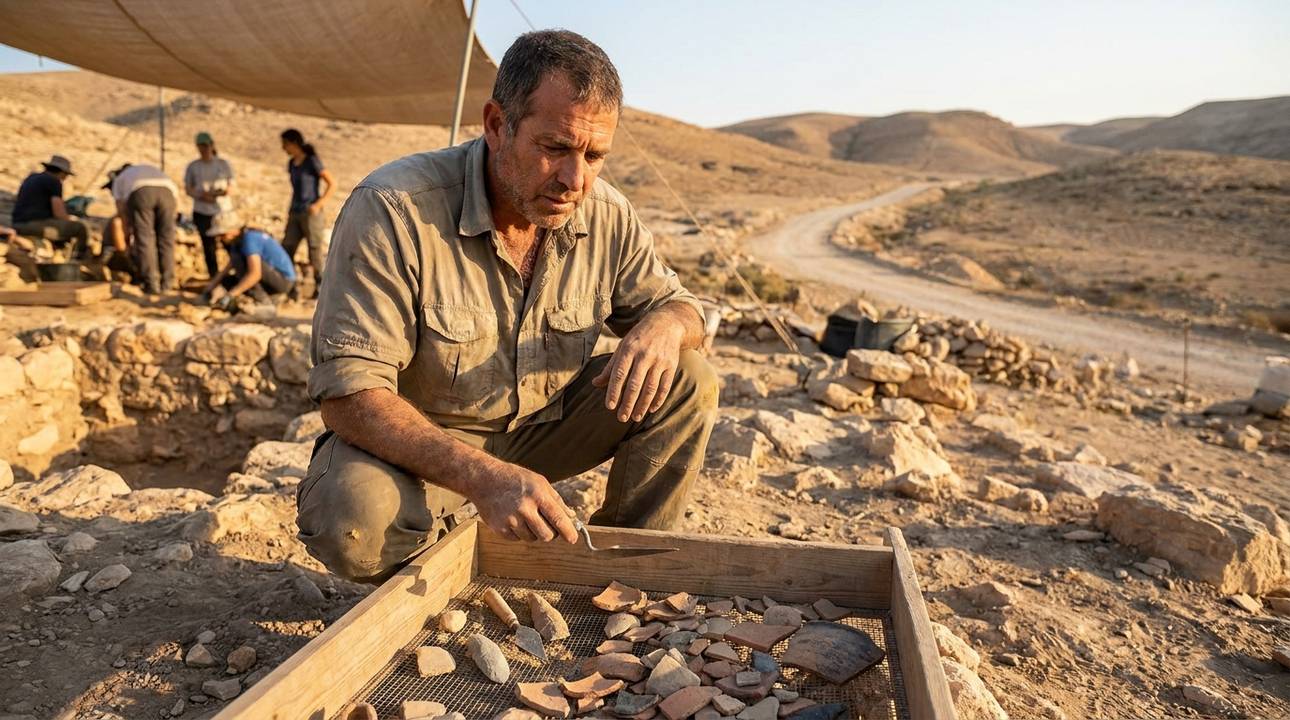
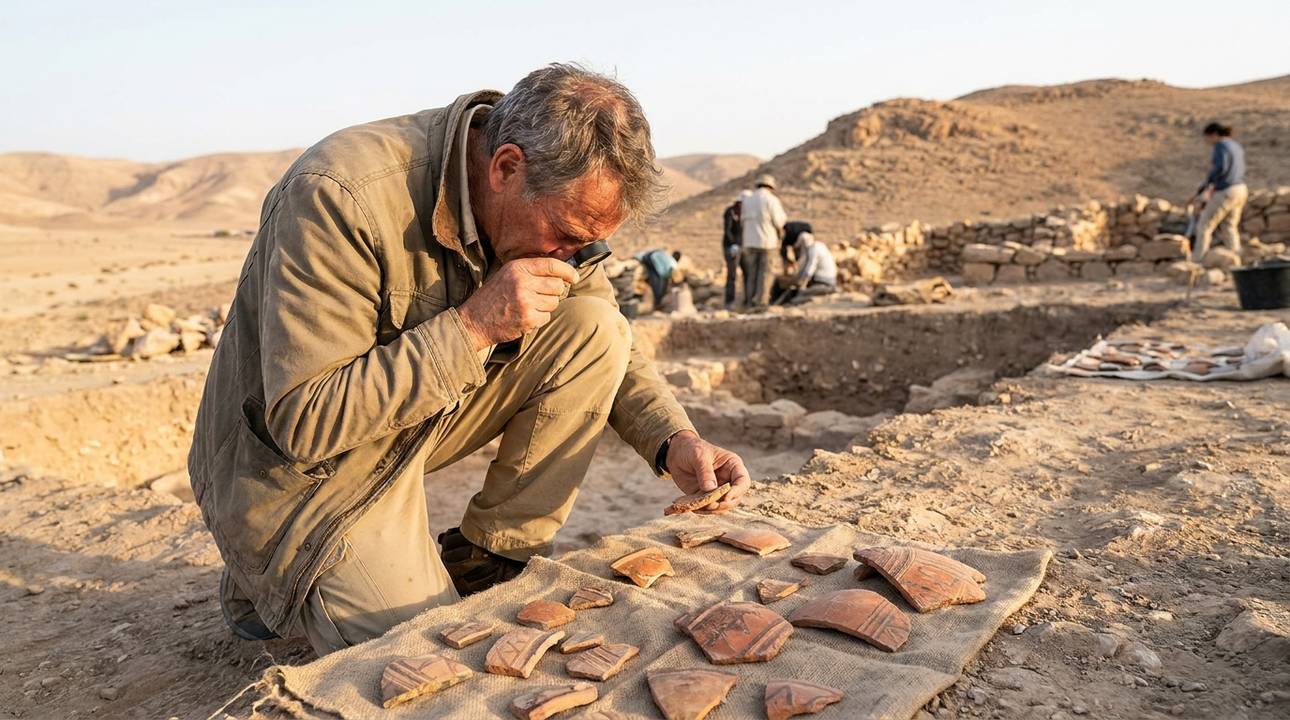
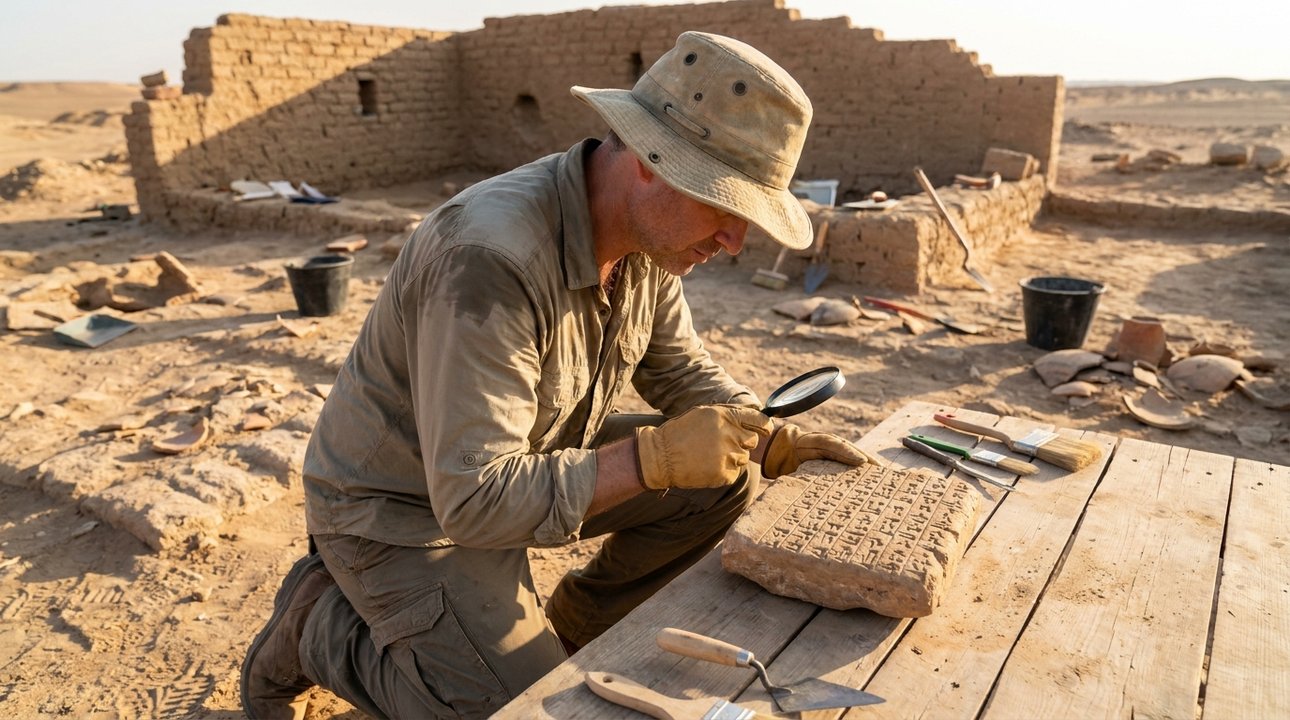
Archaeological sites attributed to Midian provide insight into its historical civilization. Key discoveries include pottery, tools, and remnants of settlements that illustrate daily life.
Excavations reveal a society that was both artistically skilled and strategically adept, managing complex trade routes and relations with neighbors. These findings enhance our understanding of Midian’s vital role within the broader Near Eastern context.
One notable site, located near modern-day Saudi Arabia, showcases a wealth of artifacts, including temple ruins and inscriptions. These relics offer scholars a window into the religious and social practices of the Midianite people.
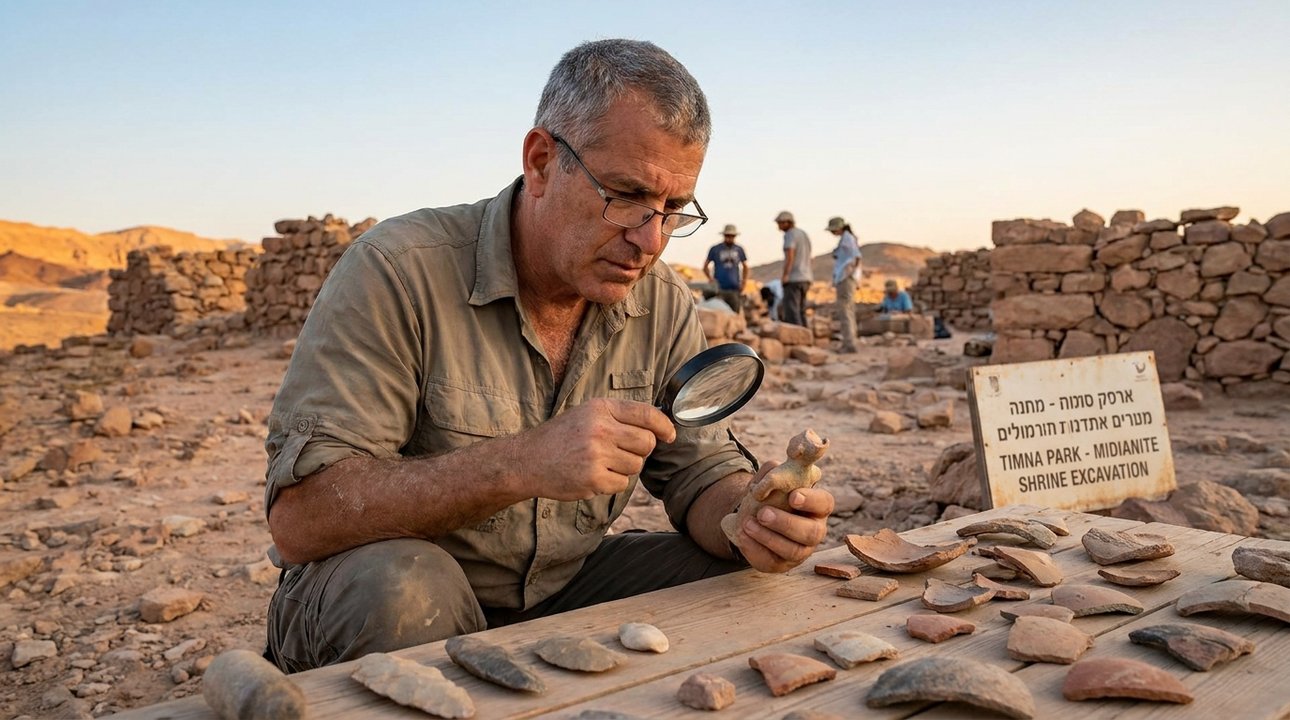
Archaeologists have uncovered evidence of Midianite worship practices, including altars and figurines, which provide insight into their polytheistic beliefs and rituals.
Through these studies, ancient texts are complemented by tangible evidence, enriching the narrative of Midian. The discovery of pottery and metalwork artifacts highlights their craftsmanship and trade connections.
These findings help paint a fuller picture of their daily life and their interactions with neighboring cultures, including the Israelites.
Midian’s Role in Jewish Tradition
In Jewish tradition, Midian is often remembered through its connection to foundational lessons learned during time there. According to historical accounts, a key figure fled to Midian after leaving Egypt, where he encountered Jethro, the priest of Midian, who became his father-in-law.
The experiences had in Midian are seen as pivotal, shaping leadership and mission. It was here that he married Zipporah and began his journey of self-discovery, which prepared him for his future role in leading the Israelites.
This association emphasizes Midian as a place of growth and development within Jewish storytelling. The land served as a backdrop for transformation, highlighted by a significant encounter, where a divine mission was received.
Midian thus symbolizes a period of preparation and awakening, integral to life and the broader narrative of the Exodus.
Midian’s dual role as both ally and adversary in historical accounts serves as a lesson in the complexities of human relationships and political alliances. In one account, Jethro, a priest, advises a key figure, showcasing a positive relationship.
Conversely, they are portrayed as adversaries, leading to conflict with the Israelites. These narratives are layered with themes of forgiveness, redemption, and the challenges of leadership.
Such stories resonate throughout Jewish literature, highlighting the multifaceted legacy of Midian. The varying depictions of Midianites in the Bible reflect the nuanced nature of historical alliances and enmities, reminding us of the ever-changing dynamics in human relations.
The tales of Midian serve as a reminder of the importance of diplomacy and understanding in resolving conflicts.
Midian in Modern Reflection
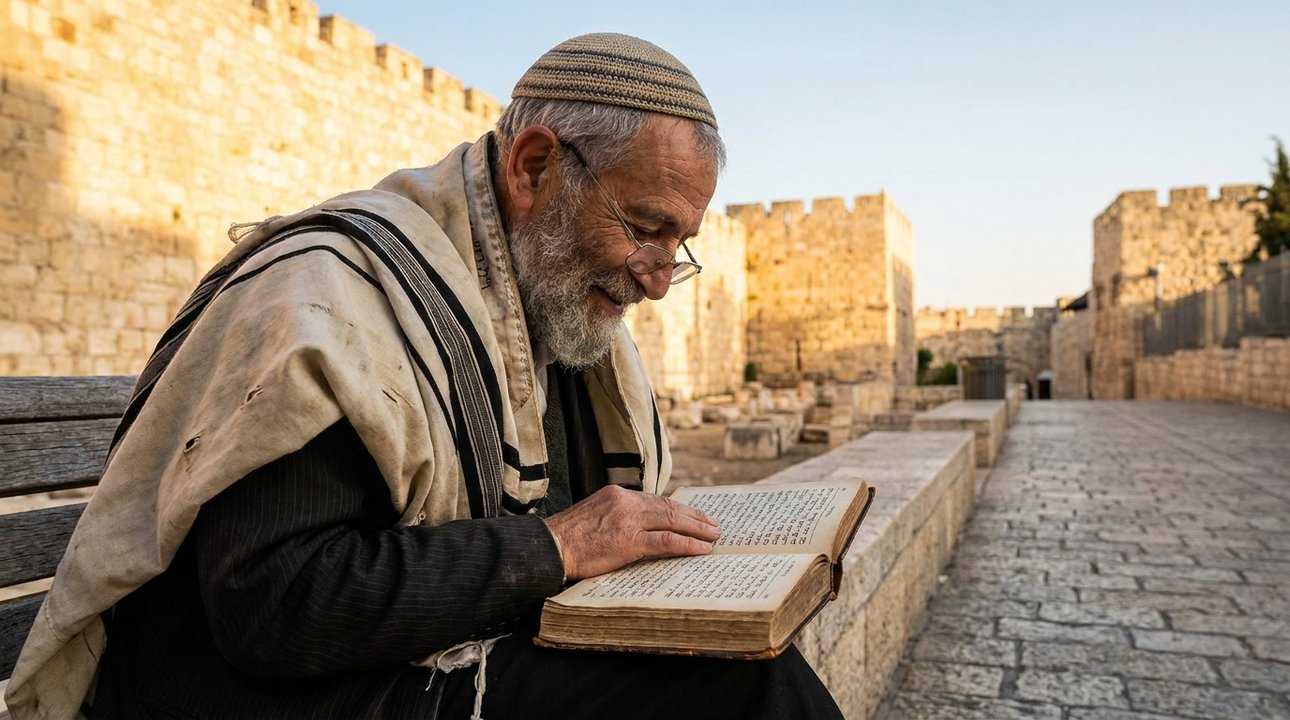
Today, Midian inspires reflection on historical histories and their impact on contemporary culture. Its stories continue to be explored in academic and religious studies. By examining the narratives of Midian, we gain insights into the values and beliefs that shaped ancient societies.
The lessons learned from these stories remain relevant, offering guidance on leadership, morality, and resilience.
This exploration deepens our connection to Jewish heritage and the enduring stories found within the Bible. The accounts of Midian provide a window into the past, allowing us to appreciate the complexities of ancient societies and their influence on modern culture.
Through these narratives, we are reminded of the timeless nature of human experiences and the lessons they impart.
Modern perspectives often focus on its historical accuracy and the archaeological evidence supporting historical accounts. Scholars engage in ongoing research to uncover more details about their lives and their interactions with surrounding cultures.
Recent excavations have revealed artifacts that align with historical descriptions, such as those found in the region of Timna, known for its ancient copper mining.
Through these studies, the historical and cultural richness of Midian remains a subject of interest. The discoveries of ancient inscriptions and pottery provide a deeper understanding of Midianite society and its influence on neighboring regions. These findings continue to spark interest among historians and archaeologists, who seek to piece together the complex puzzle of Midian’s past.
Historical and Religious Context
