
Unveiling Beer Lahai Roi in Historical Context


Beer Lahai Roi is a site of historical interest. Located in the Negev desert, it is first mentioned in the story of Hagar, Sarah’s maidservant, who encountered a divine messenger there. This event happened after Hagar fled due to mistreatment, leading her into the wilderness. The messenger assured Hagar of numerous descendants, providing hope and a future. This experience turned her despair into reassurance.
The well symbolizes alertness and care. ‘Beer Lahai Roi’ means ‘Well of the Living One who sees me,’ highlighting the awareness and care Hagar experienced. It serves as a reminder of compassion and intervention during difficult times. The story emphasizes Hagar’s encounter with a divine messenger, who assures her of her son’s future. This assurance changes her plight into a story of hope.
from the Western Wall to Masada.
What Is Beer Lahai Roi?
Beer Lahai Roi, translated as ‘Well of the Living One who sees me,’ is a location of deep meaning. Situated between Kadesh and Bered, it is where Hagar received a promise of her descendants after fleeing from Sarah. This encounter marks a significant moment, showing care. Hagar named the place in gratitude, reflecting her awareness of being seen and heard by a higher power.
The well carries a reminder of compassion in times of distress. The story of Hagar at Beer Lahai Roi is one of the earliest recorded moments of divine-human interaction. Hagar encounters a divine messenger who reassures her of a future for her son, Ishmael, promising that he will become a great nation. This encounter provided immediate comfort to Hagar and set a precedent for intervention in moments of human despair.
In the narrative, Beer Lahai Roi stands as more than a geographical spot. It represents a profound encounter with the divine in human terms, highlighting themes of vision and provision. The name itself is a sign of Hagar’s experience, a transformative event confirming her role in the unfolding story. In modern discussions, it remains a symbol of insight and reassurance. The physical location underscores its historical roots, binding narrative to geography.

Where Is Beer Lahai Roi Located?
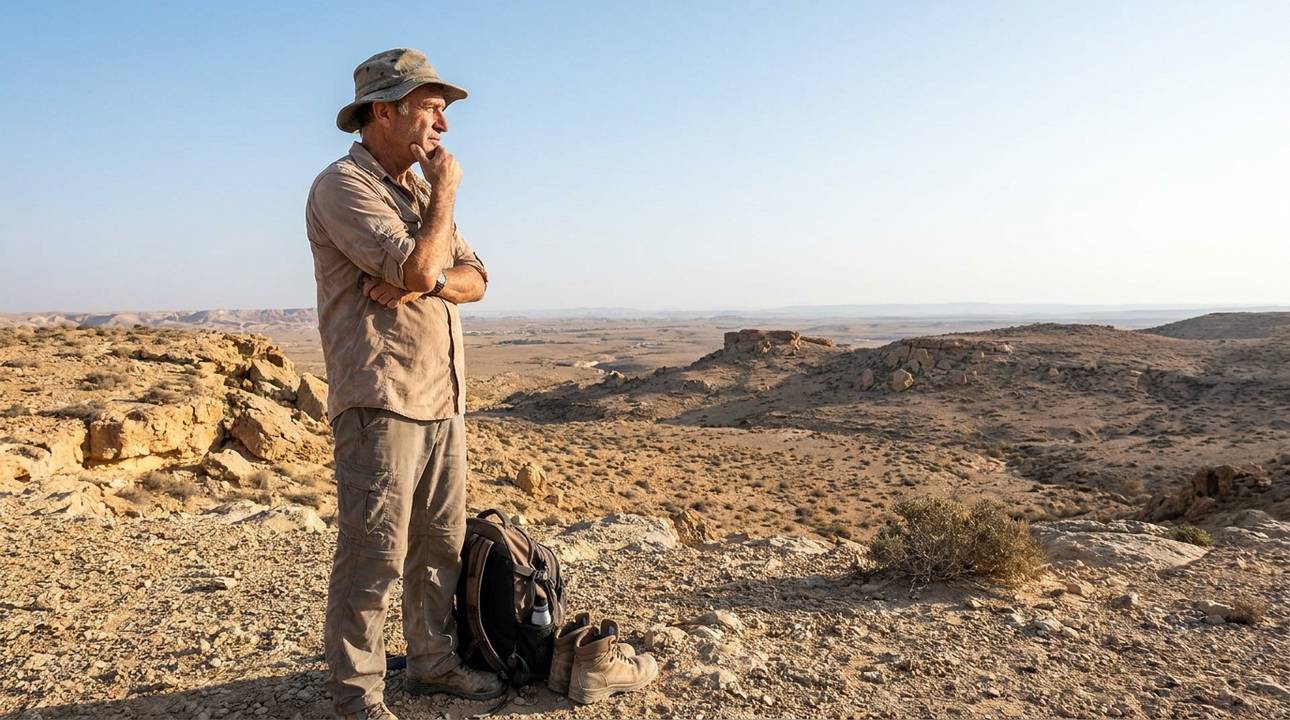
The exact location of Beer Lahai Roi is not definitively known today. Historically, it lies between Kadesh and Bered, regions associated with the Negev in southern Israel. This desert area would have been a critical survival landmark, providing water in an otherwise arid environment. Despite the lack of precise archaeological pinpointing, its historical presence remains due to its significance. Today’s geographical references aim to honor these ancient landscapes and their stories.
The Negev region, where Beer Lahai Roi is believed to be located, carries a rich history. The rugged terrain is part of the broader story of survival and faith, as seen in the journeys of historical figures. While it may not appear on every map, its spiritual location thrives in tradition. This location serves as a reminder of the encounters and promises that shaped the lives of these figures.
Such sites emphasize the blend of promise with earthly geography. The Negev desert itself is a sign of the perseverance and faith of those who traversed it. Thus, Beer Lahai Roi’s heritage as a sacred site persists through cultural memory, serving as a touchstone for stories of interaction and human perseverance. The desert’s harsh conditions mirror the trials faced by historical figures.
Why Is Beer Lahai Roi Significant in the Bible?
Beer Lahai Roi holds a unique place in narratives, particularly in its association with Hagar. The name itself reflects the concept of vision and human acknowledgment of being seen. For Hagar, this well was more than a physical source of water; it represented hope and intervention. The well’s naming commemorates a pivotal moment where human despair met assurance, inspiring future generations.
In lore, locations like Beer Lahai Roi serve as markers of interactions. They offer tangible points in the narrative where faith, promise, and fulfillment intersect. For readers, it provides historical context and a deeper appreciation of families’ journeys. The well exemplifies attentiveness to human plight and readiness to intervene. These interactions underscore the ongoing relationship between the divine and humanity.
from the Western Wall to Masada.
Such stories enrich the historical landscape, encouraging reflection. They remind us of the enduring themes of faith and promise that are woven throughout the text, offering insights into the lives and struggles of those who lived in earlier times. These narratives provide a backdrop for understanding the perseverance and faith of historical figures.
Mentions of Beer Lahai Roi
The primary mention of Beer Lahai Roi highlights its role in Hagar’s life and later referencing historical figures. Recounts suggest continuity of heritage and promise, intertwining the location with broader narratives. These connections emphasize the well’s role in the unfolding story, linking past promises with future fulfillment.
Readers find in these mentions a reminder of ongoing oversight. The stories associated with Beer Lahai Roi offer insights into the enduring themes of faith, promise, and interaction that are central to the narrative, providing a rich context for understanding the lives of figures. Captures Hagar’s realization of being seen by the divine, naming the well ‘Beer Lahai Roi’ to commemorate the encounter.
The continuation of Beer Lahai Roi underscores its thematic consistency. Mentions highlight its ongoing significance in the narratives. It further signifies how locations can become symbolic in journeys, representing continuity and presence. Connection to the well suggests a link between life and the promises made to ancestors. This continuity reinforces the well’s role as a spiritual anchor in the unfolding story.
These narratives offer deep lessons in faith, illustrating the timelessness of experience and dialogue. Such passages enrich study by providing a textured backdrop to the unfolding of history. Thus, Beer Lahai Roi serves as a spiritual landmark in the sacred geography, connecting past and present.
Beer Lahai Roi in Jewish Tradition
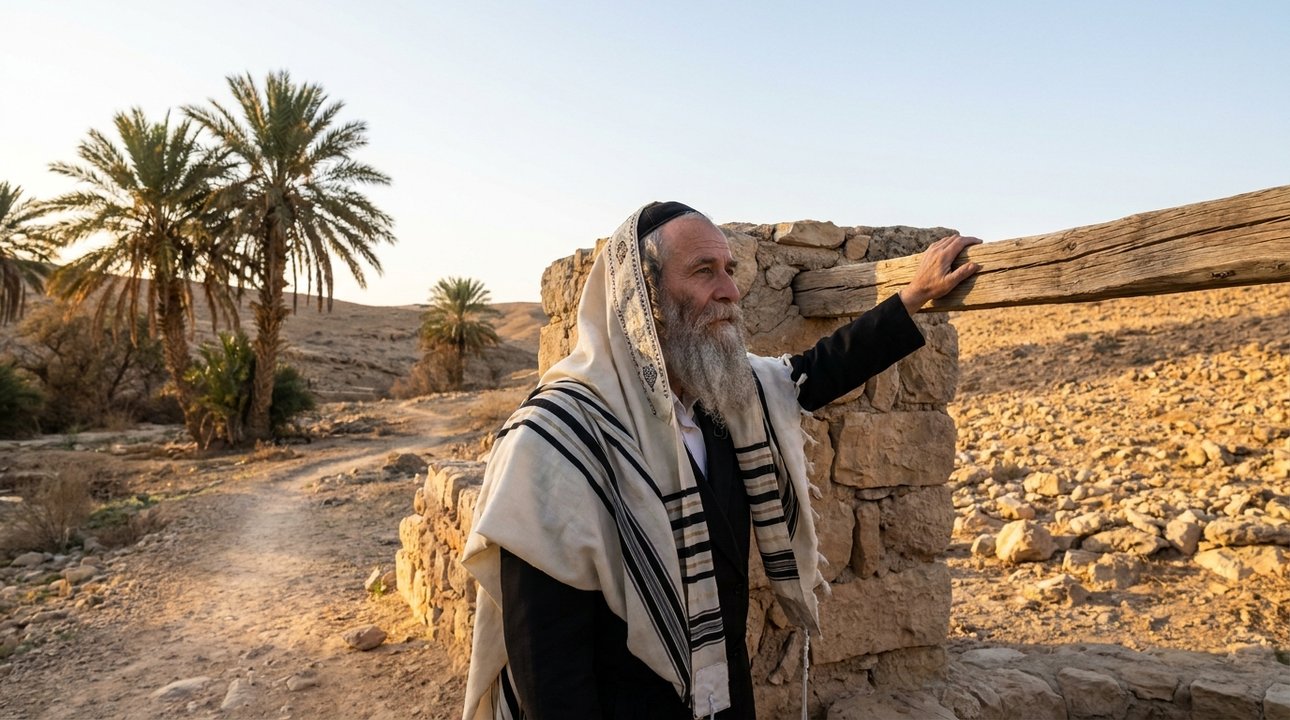
Jewish tradition continues to honor Beer Lahai Roi as a place of visitation and promise. It is seen as a symbol of hope amidst uncertainty, reminding of presence. Within Jewish texts, it’s a reference point for discussions on interaction with humanity. Recounts indicate its continued importance in life. Such references highlight the well’s role as a spiritual landmark, connecting past narratives with present beliefs.
The well serves as a sign of moments where plans intersect with human lives, reinforcing faith narratives. Such stories help maintain cultural continuity through retelling and study, ensuring that the lessons of faith and hope remain alive in the collective memory of the Jewish people. Moments are pivotal in illustrating the ongoing relationship between the divine and humanity, a theme echoed in many accounts.
In many ways, Beer Lahai Roi transcends its origins to become part of the ongoing Jewish consciousness. Its mention in traditional texts encourages reflection on personal encounters with the divine. For believers, it represents not merely a historical site but a spiritual reality where promises meet human struggles. The endurance of its story within religious practices speaks to its role as a lesson in faith and trust, resonating through generations.
Common Questions about Beer Lahai Roi
