
Discovering Heshbon’s Role in Historical Stories


Heshbon is more than just an ancient city mentioned in historical texts. It stands as a symbol of history and narrative. Located in modern-day Jordan, it was once a major city for the Amorites before being captured by the Israelites. In this article, we will explore various aspects that make Heshbon fascinating, from its geographical location to its role in key historical events. The city’s strategic position made it a pivotal site in the ancient world.
Heshbon’s capture by the Israelites marked a significant moment in history. The city’s archaeological record offers insights into its development over time. By exploring Heshbon’s past, we can understand its impact on historical narratives and its legacy in the region. This exploration reveals the complexities of life in an ancient city that was both a military stronghold and a cultural hub.
from the Western Wall to Masada.

What Was Heshbon in Historical Times?
Heshbon was originally an Amorite city before it was conquered by the Israelites. Located east of the Jordan River, it became the capital city of King Sihon, a significant ruler in the region. The Israelites defeated King Sihon and took control of Heshbon. This victory marked an important moment in their journey, reflecting their strategic achievements.
The city served as a boundary marker during the conquest. Heshbon’s strategic location made it a key point in controlling the surrounding region. The city’s mention highlights its role as a center of power in the ancient world. Heshbon’s position on the King’s Highway facilitated trade and military movements, enhancing its significance.
The city’s capture by the Israelites marked a pivotal moment in their conquest. This event underscores Heshbon’s importance as a military and economic hub. The archaeological evidence, such as fortifications and administrative buildings, supports the accounts of its strategic role in the region, showing the dynamics of ancient Near Eastern politics.
Heshbon’s Geographical and Archaeological Significance
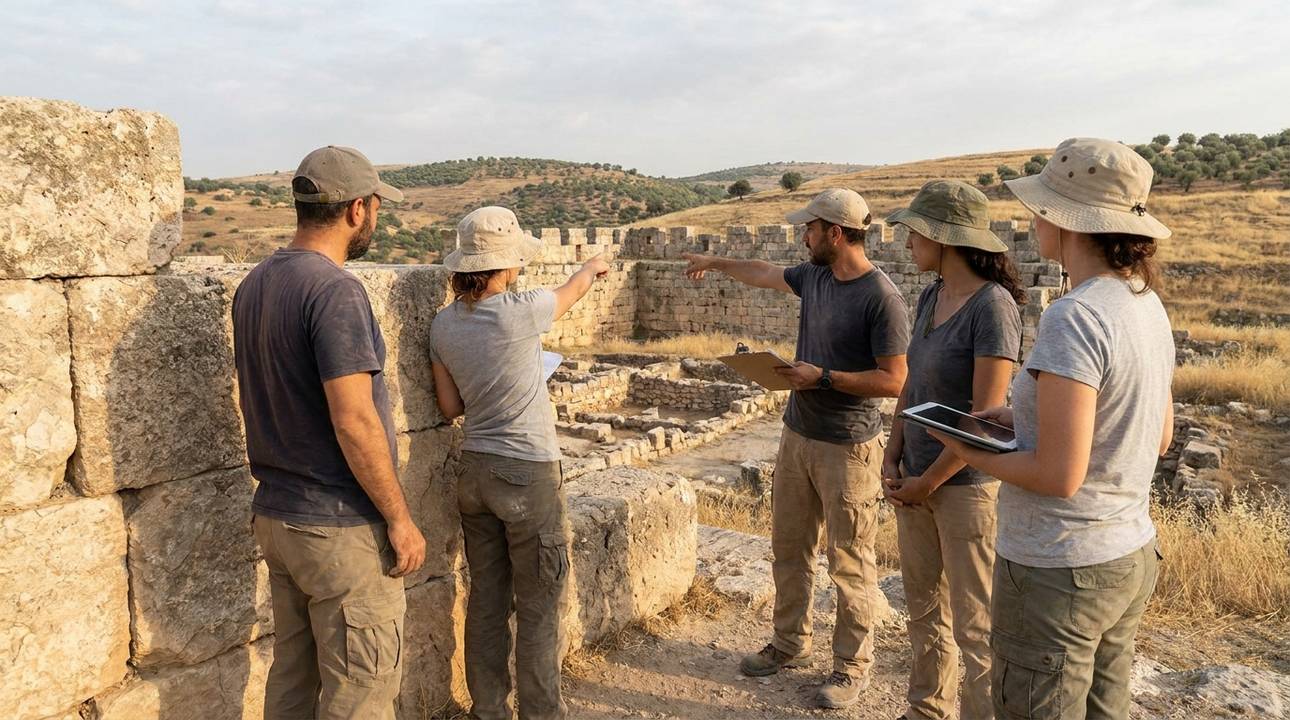
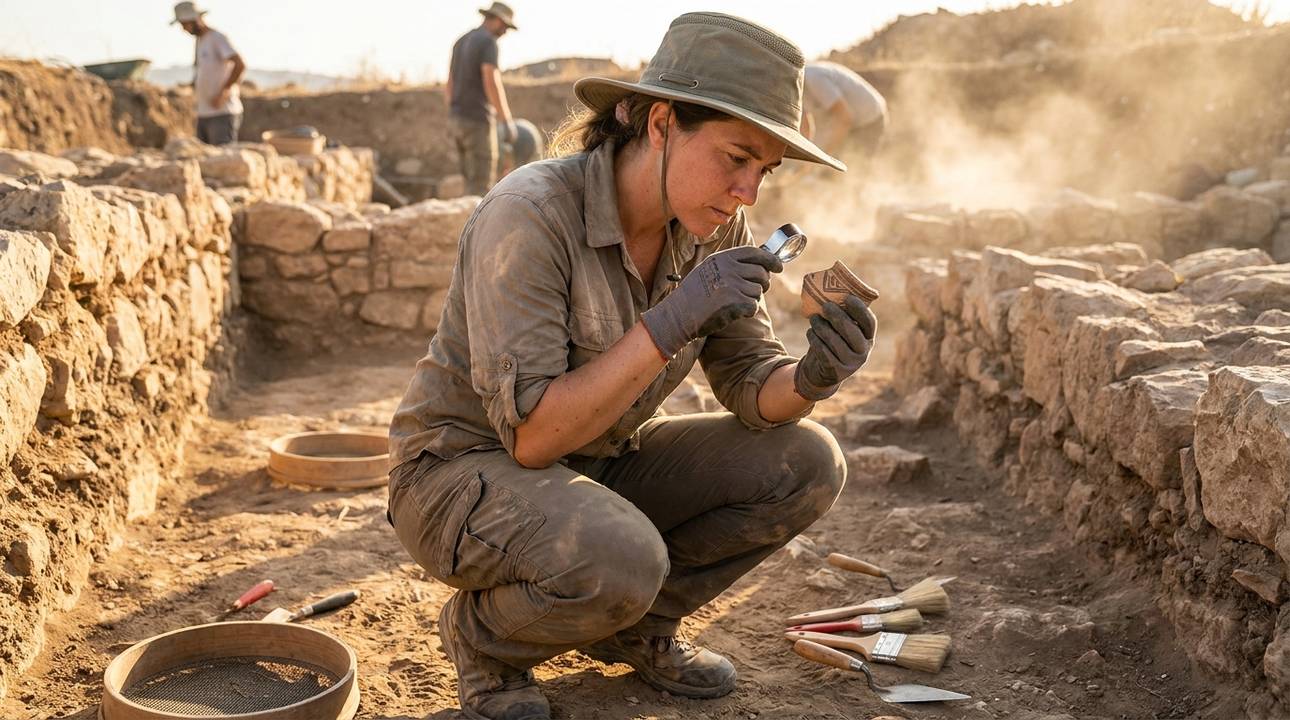
The city of Heshbon is located in modern-day Jordan. Its position on the main trade routes of the ancient Near East, such as the King’s Highway, contributed to its prominence and wealth. Archaeological excavations have revealed interesting artifacts, including pottery and remnants of ancient buildings, indicating a well-established urban culture that thrived for centuries. These findings provide insights into the daily lives of its inhabitants.
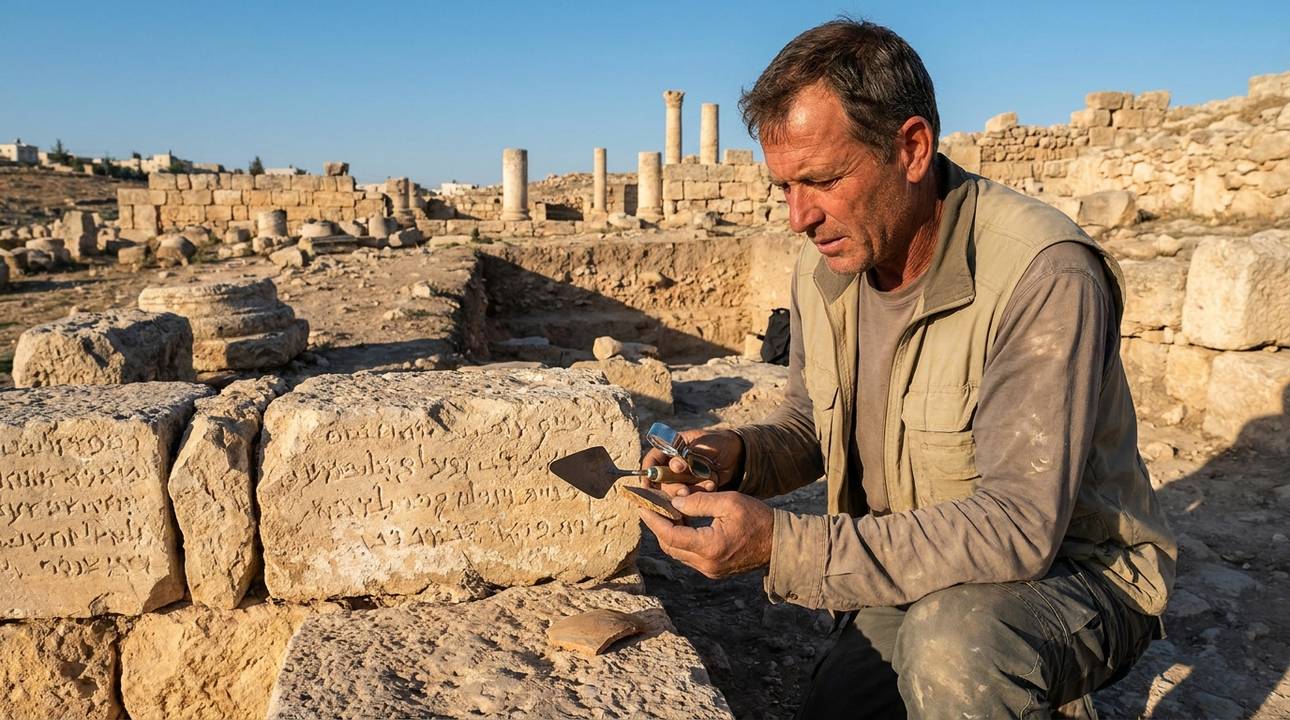
The discovery of inscriptions and administrative documents at the site offers insights into the governance and social structure of Heshbon. The city’s strategic location made it a vital center for trade and military campaigns. These historical layers, dating back to the Iron Age, reveal the city’s role in connecting different cultures and economies, underscoring its significance in the ancient Near Eastern world.
The excavations suggest that Heshbon was inhabited from the Bronze Age through the Hellenistic period. This continuity sheds light on its importance in different historical periods. Today, the site provides insights into the life and culture of its inhabitants through the centuries, revealing artifacts like pottery and ancient inscriptions. These discoveries help reconstruct the city’s past.
The evidence of habitation at Heshbon highlights its adaptability through various cultural and political changes. The city’s strategic location ensured its survival and prosperity over millennia. This legacy is reflected in the diverse artifacts uncovered, which tell the story of a city that was both a cultural crossroads and a center of power in the ancient Near East.
Heshbon’s Role in Historical Narratives
In addition to its military significance, Heshbon is often mentioned in poetry. The Song of Solomon uses Heshbon as a metaphor for beauty, comparing it to the eyes of the beloved. These cultural and poetic references enhance its symbolic importance in the imagination, making it a city of both strategic and aesthetic value. The imagery in the Song of Solomon reflects the city’s reputation as a place of elegance and charm.
The poetic use of Heshbon in literature highlights its multifaceted role in the ancient world. As a city known for its beauty and strategic location, it served as a metaphor for desirable qualities. This duality of military might and aesthetic appeal is a sign of the city’s influence on the cultural narratives, enriching our understanding of its historical legacy.
Heshbon is also mentioned in the context of prophetic literature. The prophets Isaiah and Jeremiah speak of it in terms of judgment and destruction, reflecting its status as a once-great city destined to fall. These references illustrate the changing fortunes of Heshbon and its impact on thought. The city’s decline is depicted as a symbol of the broader themes of rise and fall in the prophetic books.
from the Western Wall to Masada.
Isaiah’s lament over Moab, where Heshbon is located, underscores the city’s significance in the region’s historical landscape. Jeremiah’s prophecies further highlight the city’s importance, as he warns of its impending doom due to its past transgressions. These narratives reflect the historical reality of Heshbon’s fluctuating power and influence, serving as a reminder of the transient nature of human achievements.
Heshbon in Modern Scholarship
Modern scholars continue to study Heshbon for its historical insights. The combination of archaeological and textual evidence offers a comprehensive view of the city’s significance. Researchers analyze its role in regional politics and economy, contributing to a better understanding of ancient Near Eastern civilization. Heshbon’s strategic location on trade routes like the King’s Highway highlights its economic importance, as seen in the artifacts found during excavations.
These findings include pottery and inscriptions that provide clues about the daily life and governance of its inhabitants. The city’s mention in texts further emphasizes its role in the historical and cultural landscape of the region. By examining the remains of ancient structures, scholars can piece together the city’s development over centuries, offering insights into the complexities of life in ancient Heshbon.
By examining ancient texts and archaeological findings, scholars piece together a more detailed picture of life in Heshbon. This multidisciplinary approach, combining textual analysis with physical evidence, enriches our understanding of the ancient world. It also informs ongoing historical debates about the region’s socio-political dynamics and trade networks.
Heshbon in Today’s World
Today, Heshbon remains a site of archaeological interest, located in modern-day Jordan. Its accessibility makes it a prime area for research and exploration. The city’s historical layers, dating back to the Iron Age, attract scholars and tourists alike. They are fascinated by its connections and its heritage that includes ruins from various periods.
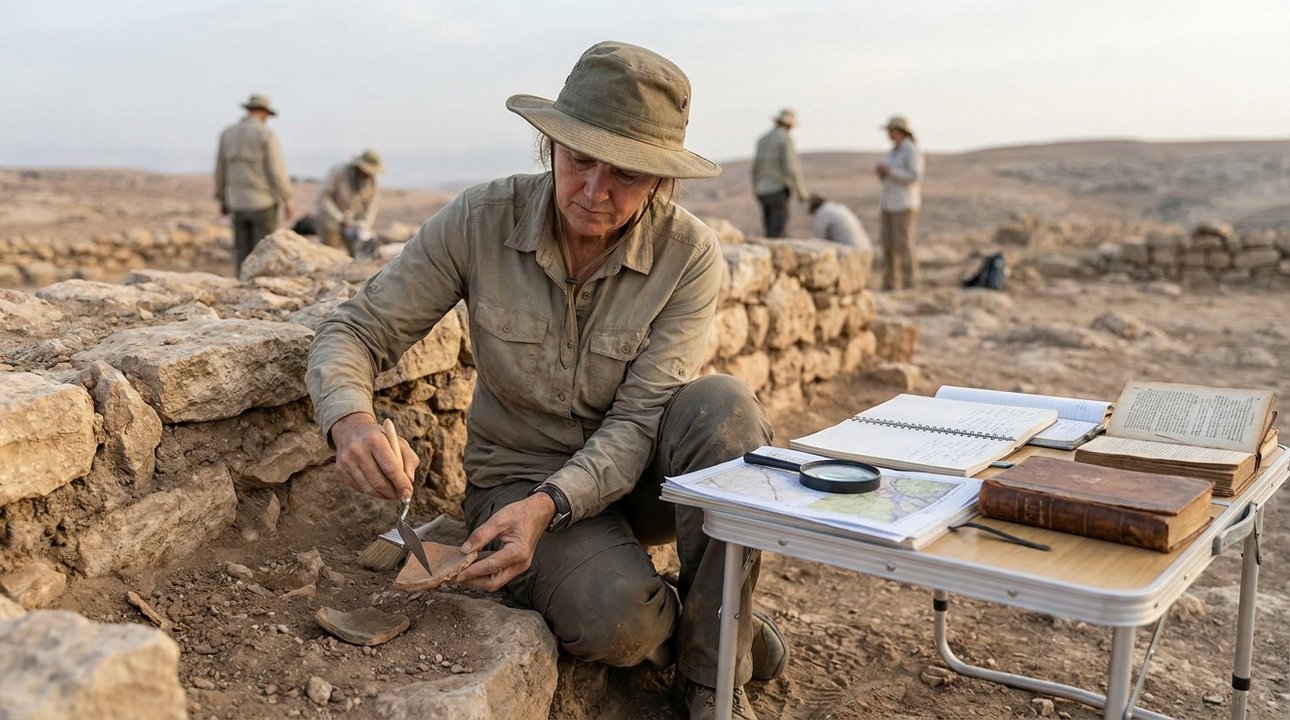
The ongoing excavations at Heshbon continue to reveal new aspects of its past, offering fresh perspectives on its role in history. The site’s archaeological record provides a unique opportunity to study the interplay of different cultures and civilizations. Visitors can explore its ruins and imagine the bustling life that once filled its streets, connecting them to a distant yet enduring past.
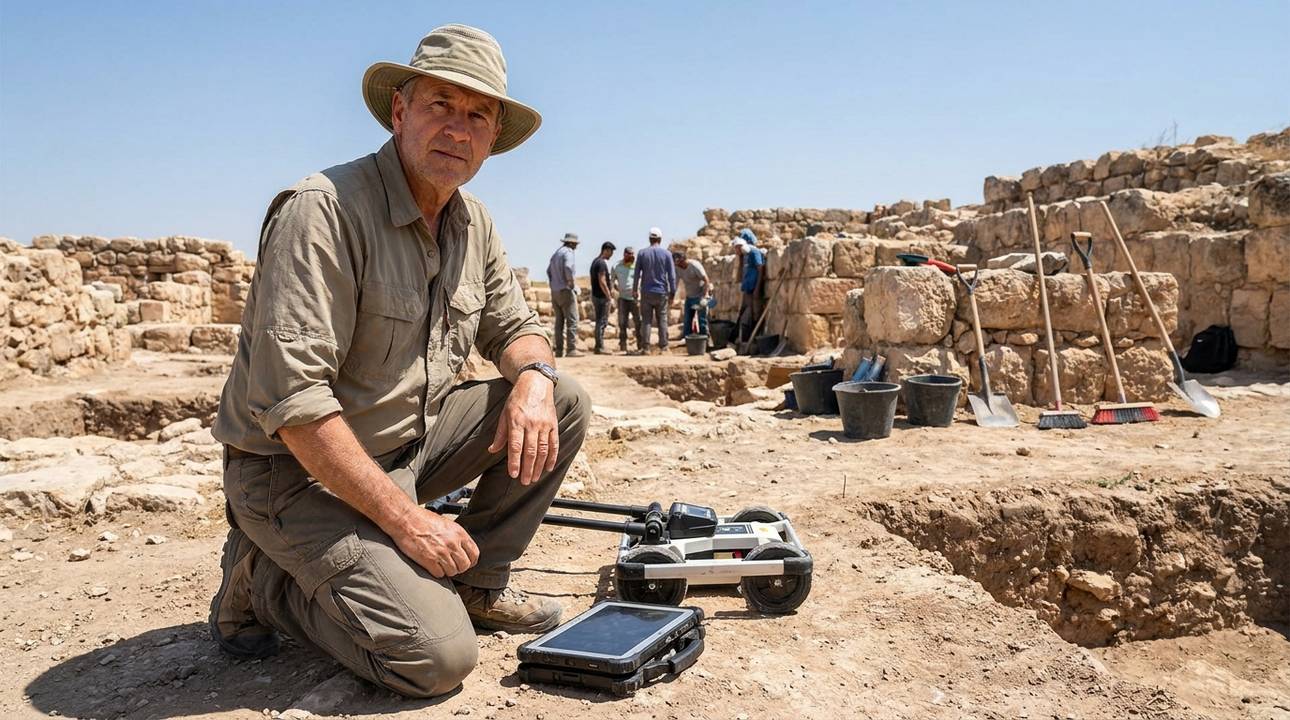
Preserving Heshbon’s legacy is a priority for historians and archaeologists. Advances in technology, like ground-penetrating radar, help uncover more details about daily life and governance. Heshbon stands as a sign of the region’s history, reflecting its role in events and its importance through different eras. The ongoing research continues to shed light on its past.
The use of modern technology in archaeological excavations allows for a more nuanced understanding of Heshbon’s development over time. Researchers can now explore the city’s infrastructure and urban planning with greater precision. This technological advancement not only enhances our knowledge of Heshbon but also contributes to the broader study of civilizations, providing valuable lessons for contemporary society.
Understanding Heshbon
