
Assyria Today: Tracing Historical Roots


Assyria was once a strong kingdom in the Middle East. It built large cities and organized armies. Those old accomplishments are part of a long story that reaches into modern life. Today, many people identify as Assyrian and live in several countries, including communities far from the original homeland.
This article aims to answer simple questions: Who are modern Assyrians? Where do they live now? How do they keep language, church traditions, and family customs alive? The language here is plain, with short paragraphs so the main points are easy to follow.
Nineveh was one of the main cities in the old kingdom. Excavations over the years uncovered parts of city walls, palaces and groups of clay tablets. These finds help historians see how the city was set up and how local leaders managed supplies and trade.
Reports from fieldwork and museum catalogs make the archaeological story easier to follow for non-specialists. Labels and short guides often include dates and place names so visitors can connect objects to sites on the map. For a reader aged 55+ these summaries are a practical first step before consulting longer studies.
from the Western Wall to Masada.

Some rulers invested in large building projects. Workers carved reliefs, built palaces and kept many clay tablets in storage rooms. Today those tablets survive only in pieces. Scholars read and translate them when they can.
These texts give plain details: lists of supplies, names of officials, and short reports about events. They are not always easy to read, but they add concrete facts about administration, trade and daily life in the old cities.
Digging near modern Mosul in Iraq has revealed parts of ancient cities. Excavators found foundations, stonework and objects made of clay, metal and stone. Local residents often keep place names and memories that help tie written records to sites on the ground.
Field notes and site reports vary in length and style. For readers who want straightforward context, short summaries and museum labels usually give the clearest starting points.
What Was Ancient Assyria?
Ancient Assyria grew in northern Mesopotamia, in areas that are part of today’s Iraq, Turkey and Syria. Over centuries, borders changed many times. Historians and archaeologists piece together the story using written inscriptions, ruins and later writings.
That research helps explain how people lived, who ruled, and how towns and farms worked. It also gives context for people today who say their family histories come from that region.
The kingdom expanded through military campaigns and through policies that moved people and resources. Short lists, tax records and notes on clay tablets show how officials managed food, labor and building projects. These practical records give direct information about daily life and government.
Historical References to Assyria
Assyria appears in many old documents. Some books of the Bible mention campaigns and events that involve Assyria. Royal inscriptions and letters from the time also give accounts of military and political actions.
Scholars compare these different sources to build timelines and to note where accounts agree or disagree. That comparison helps separate local memory from formal records.
Rulers such as Tiglath-Pileser III carried out policies that affected people in nearby lands. These policies included moving groups of people and setting up officials in conquered areas. Modern scholars study these actions to understand how life changed for ordinary people after such moves.
When writers make statements about population shifts, reliable pieces of evidence are cited or the claim is described as “according to historians”. This keeps the account clear and verifiable for readers who prefer sources they can check themselves.
Later events, including the fall of major cities, were described by neighboring states and by later writers. Those accounts show how control in the region shifted and how new powers took over. Different sources offer different angles, and historians weigh them to create a consistent narrative.
Assyrian Culture and Advances
Archaeology shows developments in irrigation, building methods and record keeping. Stone and clay work from public buildings included carved panels and short inscriptions. Craftspeople made tools, pottery and objects used in daily life.
These finds reveal practical skills and local styles. They describe everyday objects as well as large public works, and they add detail to what people used at home and in towns.
The Fall of Assyria
By the late seventh century BCE, the centralized power known as Assyria lost control across the region. A mix of military defeats, political change and local uprisings played a part. Other states then took control of different parts of the area.
Written records from nearby peoples describe battles and sieges, and archaeology adds the material side of the story. Both types of evidence are used to explain how institutions broke down and new authorities arose.
Major battles and sieges appear in several old accounts. Those events are one way historians explain change. But written records are not the whole story: archaeology, local traditions and later histories also contribute pieces of evidence.
In the centuries after the fall, cities such as Babylon became important. Some later monuments mention earlier rulers and events. These later references add fragments to the long and mixed record of the region.
Assyria’s Legacy in the Modern World
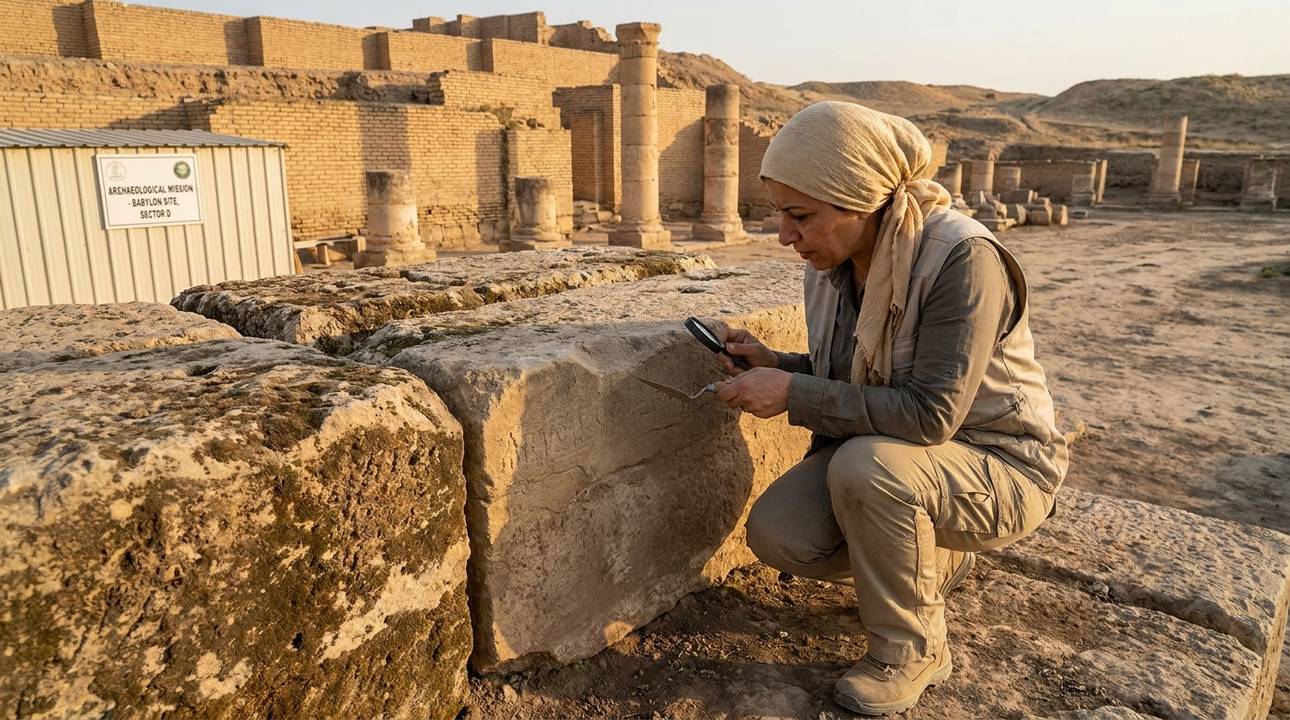
Remains of cities and objects from the old state are used by researchers and by local communities. Sites such as Ashur, Nimrud and Nineveh have produced artifacts and written items. Many of these are now curated in museum collections or kept under study in research institutions.
When objects are shown in public galleries, labels give short facts about origin and date. Those labels help museum visitors link what they see to places and times they may have read about in the news or in guidebooks.
Today, the term “Assyrian” is used in different ways. For some people it means a family and community background. For others it signals a language or church tradition. Many who identify as Assyrian belong to Christian churches with their own liturgical languages and calendars for services.
Within these communities there is variety. Some families speak modern dialects of Aramaic at home. Others use the language less often, but keep songs, recipes and stories alive. These practices are often passed down by elders at family gatherings.
from the Western Wall to Masada.
Where Assyrians Live Today
Large numbers of people who identify as Assyrian live outside the ancient core region. Significant diaspora communities are found in North America, especially the United States and Canada; in Europe, notably Sweden, Germany and the Netherlands; in Australia; and in parts of the Middle East such as Iraq, Syria and Lebanon.
In the United States, pockets of Assyrian families settled in cities like Chicago, Detroit and Los Angeles over several decades. Many moved in waves beginning in the early 20th century, with larger movements in the late 20th and early 21st centuries. Reasons for migration included searching for work, seeking education and leaving zones of conflict.
Estimates of population size vary by source. According to recent academic surveys and reports by demographic researchers, counts differ because some records use ethnic self-identification while others use church membership or country of origin. For a clear view, check studies that state their method, such as census reports, regional surveys or university research papers.
Language and Churches Today
Language and church life are central to modern Assyrian identity for many people. Several churches play a role: the Assyrian Church of the East, the Chaldean Catholic Church, the Syriac Orthodox Church and other Syriac-speaking communities. Each church uses liturgical language forms that connect worship to older forms of Aramaic.
Outside worship, community centers and Sunday schools teach modern dialects and basic reading for younger members. Some adult learners attend evening classes or language groups to keep phrases, songs and prayers alive. Local programs vary in size and structure.
Community Life and Institutions
Communities maintain social ties through churches, cultural associations and clubs. In many cities the church is also an organizing center for concerts, traditional dances and seasonal gatherings. Groups often arrange language classes, folklore evenings and meal-centered events where recipes are shared across generations.
In diaspora locations, cultural associations sometimes run libraries, publish newsletters or operate small museums with local artifacts and photographs. These resources serve as practical places for family historians and older readers who want to see records and photographs from earlier generations.
Festivals, food and music remain important. Celebrations can include traditional songs, dances and recipes. Observances follow both church calendars and local customs. Because practices vary widely, local church bulletins or community calendars are the best places to find dates and details for events near you.
Challenges, Demography and Public Life
Communities today face several practical challenges. Political instability in parts of the Middle East reduced local populations in some hometowns. Many families relocated to cities or left for other countries. Economic opportunity, education and safety remain common reasons for moving.
Demographic estimates can be hard to pin down. Different institutions use different definitions of who counts as Assyrian: some use self-identification, others use language or church membership. For precise figures, use sources that explain their counting method, such as academic studies, government statistics and reports by regional research centers.
Organizations and Research
A range of academic centers, think tanks and university departments publish research on contemporary Assyrian communities. Local churches and cultural centers also maintain records and community histories. If you want current statistics or community reports, look for recent publications from universities and established research institutions that state their methods.
For personal inquiries, community centers and church offices in diaspora cities usually answer straightforward questions about local classes, events and archives. They can point to local newsletters, oral history projects and library holdings for further reading.
Assyrian Archaeological Discoveries
Archaeologists continue to recover objects that add detail to the ancient story. Small finds like clay tablets, everyday tools and building fragments help reconstruct markets, storage and family life. Larger reliefs and monument pieces show public statements that rulers wanted preserved.
Museum collections and scholarly catalogs provide context for these objects. When a find is moved to a public collection, labels and catalog entries offer basic provenance and dating. Readers who wish to study objects in more depth can consult museum catalogs and academic articles that list sources and methods.
Modern Assyrian Identity
Identity today combines family memory, church ties and language in different ways. Some families emphasize ancestry and lineages. Others prioritize religious calendars and church life. Still others focus on cultural activities like music and food as the main markers of belonging.
Where families live and the local context shape which aspects are strongest. In towns where the language is still spoken, daily speech keeps older forms alive. In diaspora settings, formal lessons and community events help transmit phrases and songs to younger people.
The Influence of Assyrian Art
Carved panels, sculpture and inscribed objects were common in public and royal buildings. These works recorded events such as hunts and ceremonies and displayed the artistic style of their time.
Many museums include notes on provenance and interpretation. For readers who want a fuller account than a short label, museum catalogs and vetted journal articles offer longer discussions of how pieces were made and what they represented in their original context.
Relief scenes often show what rulers wanted recorded: hunting scenes, military events and public ceremonies. These images worked alongside texts to shape public memory. Today they are studied as visual evidence about official messages and everyday material culture.
Conclusion: Assyria’s Enduring Presence
The ancient state known as Assyria left behind objects and texts that remain useful for study. At the same time, people today use the word “Assyrian” in ways that reflect language, church life and family memory. Modern communities live across many countries and maintain traditions in varied, practical ways.
For a clear picture of contemporary communities, consult recent population studies, local church or community organization pages, and academic work focused on present-day life. Those sources show how data were collected and give up-to-date details for readers who wish to learn more.
Questions about Assyria
