
Understanding the Role of Geder in Historical Texts


Geder, mentioned in ancient texts, refers to key locations in historical narratives. One reference highlights its strategic importance during historical conquests. The name Geder means ‘wall’ or ‘enclosure’, indicating its possible role as a fortified city. This article explores its role in history, examining how it fits into the broader historical context. Geder’s mention alongside cities like Lachish and Hebron suggests its importance in the regional dynamics of the time. Fortified cities were essential for defense and control, serving as administrative centers. By understanding Geder’s role, we gain insight into the military and political strategies employed during historical eras.
What Is Geder?
Geder appears in ancient narratives as a place name, often associated with fortified cities or regions. It is referenced in genealogical and geographical contexts, showing its role in historical times. Located in the border regions of ancient lands, Geder served as one of the fortified cities pivotal in various narratives. It represents areas of strategic significance in the times of historical monarchs and tribal leaders. The city’s inclusion in these accounts reflects its role in the complex socio-political environment of the past.
from the Western Wall to Masada.

The term ‘Geder’ often signifies enclosures, suggesting fortified places within historical landscapes. These references place Geder within the broader framework of formative narratives as described in ancient texts. It underscores the importance of fortified cities in the defense and organization of historical societies. Such cities were crucial in maintaining security and community cohesion during tumultuous times. The strategic placement of cities like Geder highlights their role in the broader defense network, ensuring the safety and stability of the tribes.

Historical References to Geder
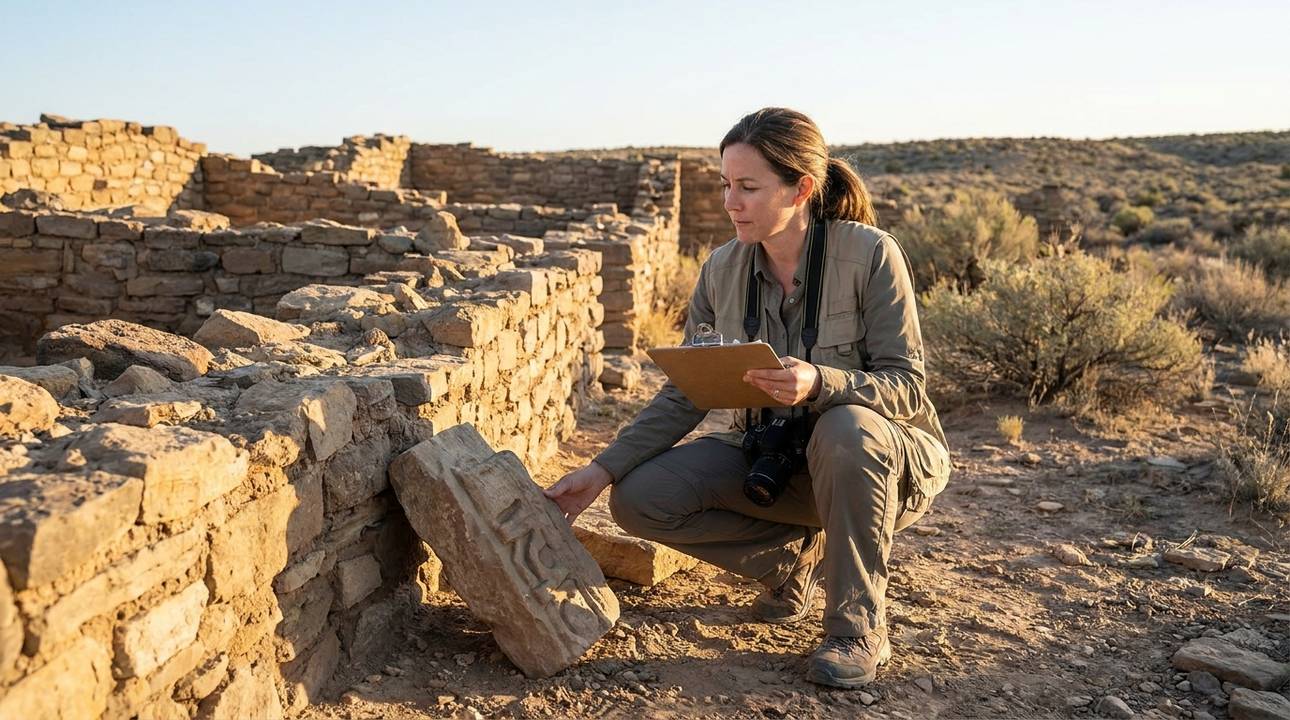
Geder’s exact location remains a topic of scholarly debate, with various sites proposed based on archaeological and textual evidence. The historical text situates it among the strategic locations vital for understanding the territorial dynamics of ancient regions. Archaeologists have suggested sites like Tel Geder as potential locations, drawing from historical records and excavations. These efforts aim to piece together the puzzle of ancient geography, providing a clearer picture of how these cities functioned within their historical context.
Some scholars suggest Geder could be linked to sites known for archaeological discoveries, providing insights into urban planning and defense. For instance, findings at Tel Geder (a proposed location) reveal structures indicative of fortified cities. These considerations help paint a picture of Geder as more than a name—a nexus of culture and history. Such insights contribute to our understanding of the practical aspects of historical life.
The Historical Account: Geder’s Role in Narratives
In accounts where Geder is mentioned, its role extends beyond a mere geographical marker. It stands as a sign of the socio-political environment within the ancient Near East contexts of historical periods. The city is often associated with the tribe of Judah, highlighting its strategic importance. By examining these references, one uncovers connections to the themes of protection and community that are interwoven throughout historical stories. Geder’s association with Judah is significant, as Judah was one of the leading tribes in history. The tribe’s territory included key cities and regions that played pivotal roles during the reigns of kings such as David and Solomon. Understanding Geder’s place in this context helps us appreciate its historical and cultural relevance.
Geder’s mention underscores the importance of delineating spaces crucial to understanding the past, beyond mere geography. This invites reflection on the interplay between cultural identity and geographical territory as depicted in ancient texts. The concept of land and identity remains central in historical narratives, shaping the community’s sense of belonging. The allocation of land to tribes reflects the importance of maintaining distinct tribal identities while fostering unity among the people. Geder’s inclusion in these accounts emphasizes its role in the broader narrative of formation and development.

Geder in Present-Day Contexts
Today, while the exact site of Geder is debated, its legacy continues through archaeological exploration and historical scholarship. Excavations in regions like the Judean Hills provide insights into ancient urban layouts, potentially linked to Geder. These endeavors aim to enhance our understanding of ancient geography and how its narratives influence modern interpretations. Scholars often use these findings to draw connections between ancient texts and physical evidence. The ongoing research into Geder’s location and role helps illuminate the complexities of historical narratives and their impact on contemporary thought.
from the Western Wall to Masada.
Modern explorations range from fieldwork at potential sites to academic collaborations aimed at understanding landscapes familiar to ancient authors. Projects like those at Tel Geder engage archaeologists and historians in uncovering the past. Such projects stimulate discussions on historical authenticity, encouraging us to rethink familiar narratives. They provide a platform for exploring how ancient texts align with archaeological findings. For instance, excavations in regions like the Judean Hills offer insights into ancient urban layouts. These findings help bridge the gap between historical accounts and physical evidence, offering a more comprehensive understanding of the ancient world.
Theological Implications: Geder as a Symbol
In historical studies, Geder’s mention often symbolizes broader themes of community and protection. These themes are woven into the overarching narrative of promise and journey through the land. By pulling together references from different texts, scholars illustrate Geder as part of a larger landscape woven through history. The fortified nature of Geder serves as a metaphor for the protection and security that the people sought in their relationships, reflecting their reliance on guidance and support throughout their journey.
Understanding these implications allows readers to appreciate the continuity of themes within the historical message. Geder, as a fortified city, offers insight into community dynamics that transcend specific localities. Therefore, Geder becomes emblematic of a larger journey articulated in history. It represents the enduring themes of identity, belonging, and the connection between people and their land. The city’s role in tribal allocations highlights the importance of maintaining a sense of unity and shared purpose among the people, despite their diverse tribal affiliations.

Geder and Its Broader Cultural Impact
Geder’s cultural role is preserved in various traditions and historical reflections. It informs modern understandings of landscapes, as seen in the study of ancient tribal divisions and settlement patterns. By viewing Geder as part of the historical geography network, we find a richer context for understanding community. This perspective allows for a deeper appreciation of how ancient narratives shape contemporary thought. The exploration of Geder’s role in these narratives enhances our understanding of its impact on both historical and modern interpretations of texts.
The reminder of Geder as part of heritage comes alive in conversations about belonging, identity, and the relevance of historical places in life. In discussions of historical eras, Geder symbolizes the enduring quest for meaning. This cultural impact highlights the continued search for connection within historical confines. By examining Geder, we gain insights into how historical sites influence contemporary cultural identities.
Conclusion: the Legacy of Geder
Geder, as highlighted in historical texts, offers more than historical curiosity—it provides a lens into the past’s socio-cultural dynamics. This name captures the intricate overlapping of history in the stories that have shaped civilizations. Understanding Geder contributes to a fuller appreciation of history and the narrative threads binding its stories together. The allocation of Geder to the tribe of Judah underscores its importance in the regional power structure, reflecting the tribe’s influence and responsibilities within the confederation. This context enriches our understanding of the historical landscape and its legacy.
Understanding Geder
