
Understanding the Wadi of Egypt in Historical Context


The Wadi of Egypt, mentioned in historical texts as a boundary of ancient lands, holds a unique place in history. It is referenced in ancient writings that outline the boundaries of territories significant to early civilizations. This article discusses its role and significance to the people of that era.
This geographical marker influenced the movement of people and goods, impacting the interactions between early societies.
The boundary role of the Wadi of Egypt is highlighted in historical texts, where it is described as part of the borders of lands given to early civilizations. This emphasizes its importance in historical records as a marker of agreements.
Its presence in these texts underscores the significance of geographical features in shaping the identity and destiny of people, serving as a reminder of agreements made in past eras.
from the Western Wall to Masada.
What Is the Wadi of Egypt?
Often identified with the Wadi El-Arish, the Wadi of Egypt serves as a geographical boundary in historical texts. It marks the southern border of lands described in ancient records. This region is characterized by its dry riverbeds that can become torrents during rain.
Historically, it has been a natural demarcation point between territories, significant in historical accounts. Its mention in multiple passages underscores its role as a notable geographical marker.
Beyond a geographical feature, the Wadi of Egypt symbolizes the boundaries set in earlier times. It is mentioned as part of the land outlined in historical texts. This highlights its role not only as a physical boundary but also as a cultural marker.
Its presence reflects the importance of geographical markers in the ancient world, serving as a reminder of the agreements and covenants that shaped the history of early civilizations.
The Wadi’s Role in Historical Stories
In historical accounts, the Wadi of Egypt often appears as a critical landmark. It represents the edge of the land outlined in ancient texts. It is listed as one of the borders of the land described to early civilizations.
This reference establishes its importance in defining the extent of territories relevant to historical accounts. Its mention in multiple passages underscores its role as a significant geographical marker in the ancient world.
The significance of the Wadi of Egypt is further highlighted in historical texts, where it is described as part of the boundary of early territories. This illustrates its role in delineating tribal territories, which were crucial for the organization and identity of early peoples.
Such geographical markers were not merely physical boundaries but also shaped the way communities understood their place in the world and their relationship with the land.
Natural and Historical Routes
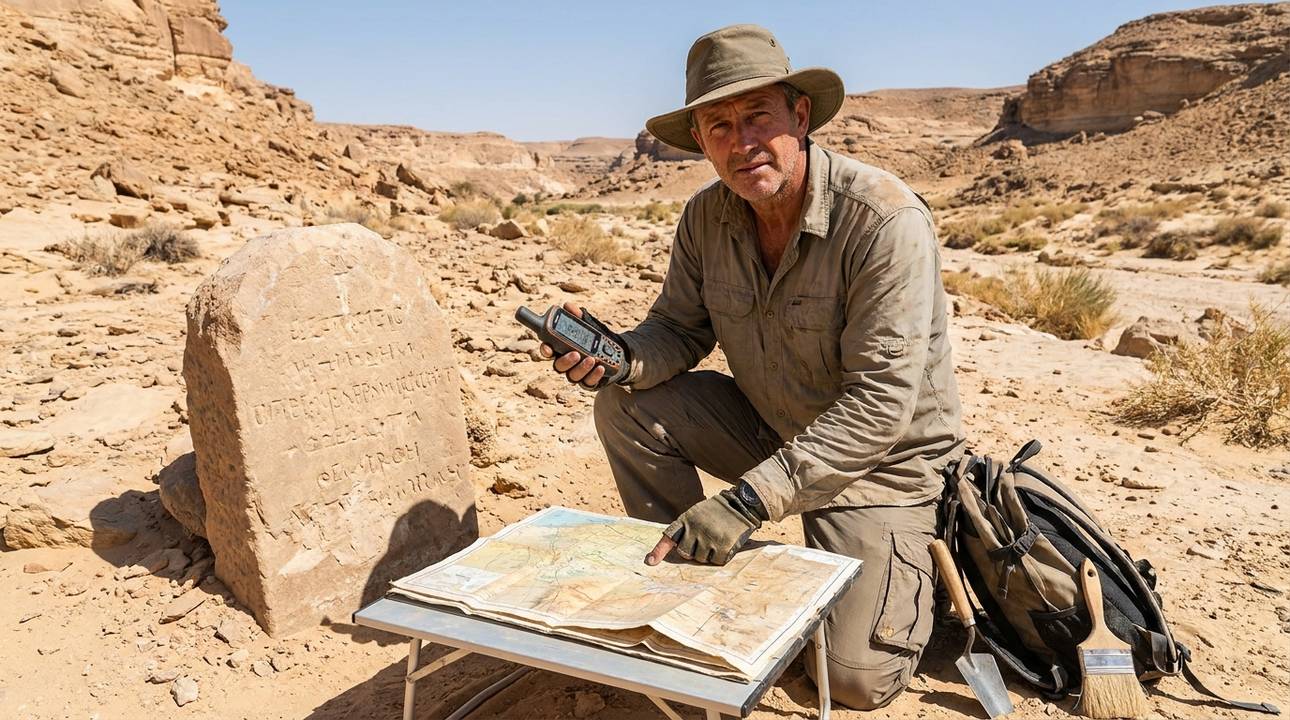
The Wadi of Egypt is not only a significant historical boundary but also an important route. Traders and travelers frequently used it as a passageway, making it an essential corridor for commerce and communication in earlier times. Historical texts, such as those by Herodotus, mention it as a vital link between Egypt and the Levant.
The landscape’s harshness reflects the challenges faced by those traversing it, adding to its dramatic history. The arid conditions required travelers to be well-prepared, highlighting the ingenuity of merchants of the past.
The harsh conditions of the Wadi of Egypt required travelers to develop ingenious methods for survival. Ancient merchants had to navigate the arid landscape with limited resources, relying on knowledge passed down through generations. This adaptability is reflected in the historical accounts of those who successfully traversed this challenging route, contributing to the economic and cultural exchanges that shaped the ancient world. Its history is a sign of human ingenuity and endurance.
Influence on Surrounding Regions
This geographical feature influenced surrounding cultures and societies, playing a part in shaping interactions between regions and peoples. It served as a conduit for cultural exchange, allowing ideas and traditions to flow between communities.
The location was a cultural and trade link, affecting the social and economic exchanges that occurred across borders. Historical records suggest that caravans traversed this route, carrying goods such as spices and textiles, which were highly valued in ancient markets.
The strategic position of the Wadi of Egypt made it a vital corridor for ancient trade routes. Merchants from Egypt and the Levant would traverse this path, facilitating the exchange of not only goods but also knowledge and cultural practices.
This exchange enriched the societies along its path, contributing to the development of shared cultural and economic networks. It thus played a crucial role in the interactions of early societies, fostering a dynamic environment of growth and innovation.
from the Western Wall to Masada.
Wadi of Egypt in Modern Perspectives
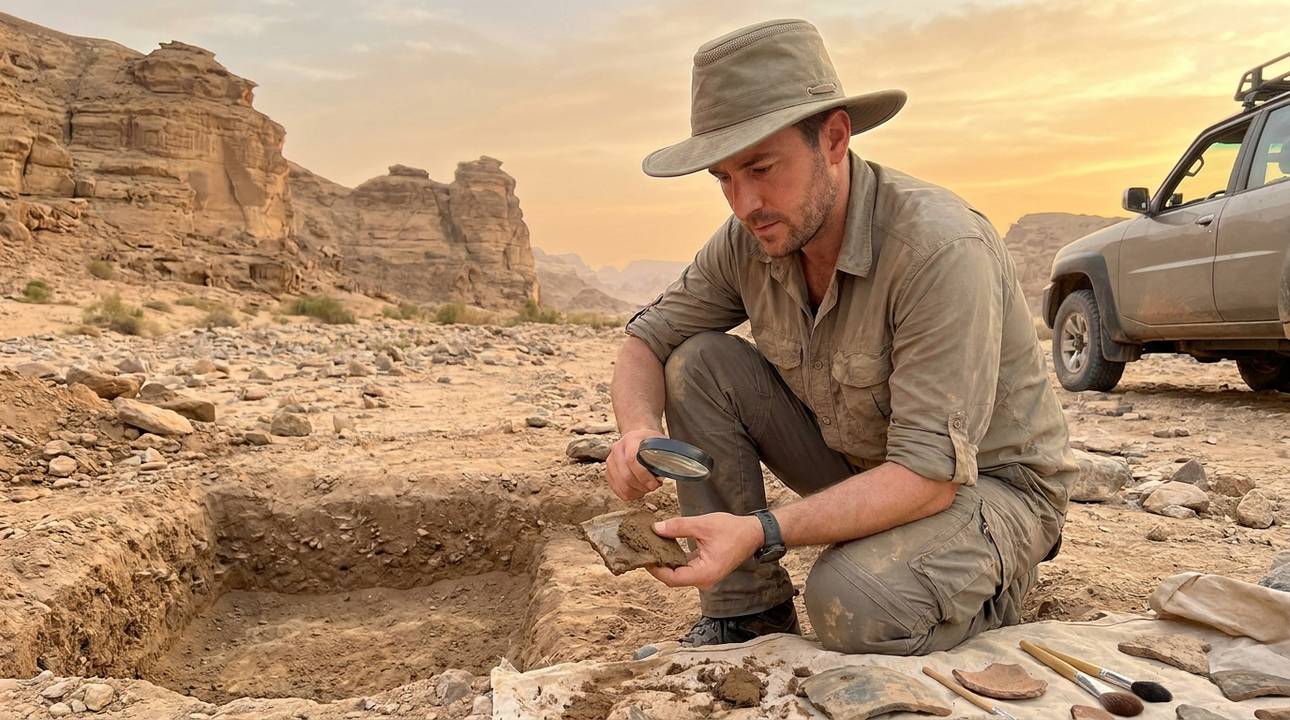
Today, the Wadi of Egypt remains a point of interest for both historians and researchers. Research and explorations continue to uncover more about its historical role. Excavations have revealed artifacts that shed light on the daily lives of those who lived and traveled through this region. It stands as a sign of the importance of historical geography and its influence on historical narratives, showing the complex web of interactions that shaped the ancient world.
Recent archaeological findings in the Wadi of Egypt have uncovered pottery and tools dating back to the Bronze Age, providing insights into the lives of ancient inhabitants. These discoveries help piece together the story of how people adapted to and thrived in this challenging environment.
Such artifacts not only reveal the practical aspects of daily life but also reflect the cultural exchanges that occurred as different groups interacted along this historical corridor.
Exploration and Research
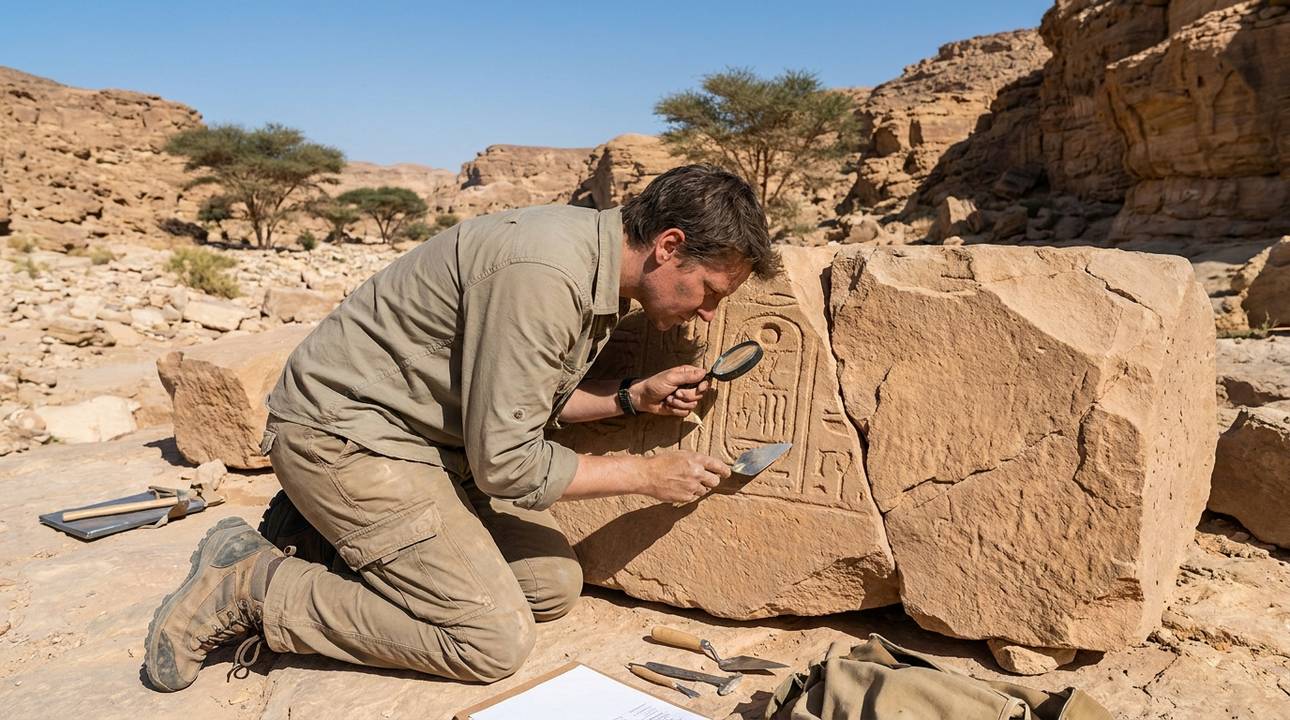
Modern explorers and archaeologists have undertaken studies to explore the ancient paths running through the Wadi of Egypt. Their findings contribute to a richer understanding of the area’s historical importance. Discoveries of ancient inscriptions and pottery fragments provide clues about the people who once inhabited the region.
Efforts continue to integrate these discoveries with existing historical knowledge, offering us new insights into this intriguing landmark. These studies help piece together the complex puzzle of past human activity in the area.
Identified with the Wadi El-Arish, the Wadi of Egypt serves as a geographical boundary in historical texts. It marks the southern border of lands described in ancient records. This region is characterized by its dry riverbeds that can become torrents during rain.
Historically, it has been a natural demarcation point between territories, significant in the context of historical narratives. Its mention in multiple passages underscores its role as a significant geographical marker.
In the historical narrative, the Wadi of Egypt often appears as a critical landmark. It represents the edge of the land outlined in ancient texts. It is listed as one of the borders of the land described to early civilizations. This reference establishes its importance in defining the extent of territories relevant to historical accounts. Its enduring presence in historical texts highlights its significance as a boundary and a conduit of ancient life, showing the interplay of geography and human history.
Conclusion
The Wadi of Egypt remains more than just a line on ancient maps. Its story is interwoven with the historical narratives that have shaped our understanding of this region.
Lev Haolam offers curated gift boxes that provide a glimpse into the culture of Israel, connecting supporters with the region’s heritage.
Engaging with Israeli artisans through Lev Haolam allows individuals to explore the rich history represented by the Wadi of Egypt. Each product shares a narrative, echoing the ancient paths that once connected diverse peoples and cultures. This connection offers a unique exploration of Israel’s past and present, offering a personal journey through the land’s historical and cultural landscape.
Understanding the Wadi's Role
