Understanding the Region of Samaria in Modern Times


Samaria, a region with a long and dynamic history, continues to attract interest. It was the capital of the Northern Kingdom of Israel during King Omri’s reign around 880 BCE. Omri chose Samaria for its strategic and fertile location. Today, it is situated in the central West Bank. This area remains a focal point for archaeological and historical studies. In this article, we explore its historical context and geographical evolution, shedding light on its importance and current identity.
What Is Samaria?
Samaria is a region with a storied past, located in the central area of what is now the West Bank. Historically, it was part of the kingdom of Israel. Its origins are linked to the establishment of a city by King Omri in the 9th century BCE, which later became the capital of the northern kingdom. Omri’s reign was marked by political consolidation and expansion. The city’s location allowed it to become a center of trade and political power, influencing nearby regions. The trade routes through Samaria connected it to major cities in the ancient Near East.
from the Western Wall to Masada.
Historical Importance of Samaria
Samaria has been recognized for its strategic importance throughout history. It served as a hub of political, cultural, and religious activity. The region gained prominence during the reign of King Ahab, who ruled from Samaria. Ahab’s marriage to Jezebel brought new religious dynamics to the kingdom. Significant events in Jewish history took place in the region, such as the confrontation between Elijah and the prophets of Baal on Mount Carmel. It was known for its fertile lands, which supported agriculture and commerce, sustaining local communities for centuries. The agricultural prosperity of Samaria was crucial to its economic strength.
Geographic Overview: Samaria in the Bible
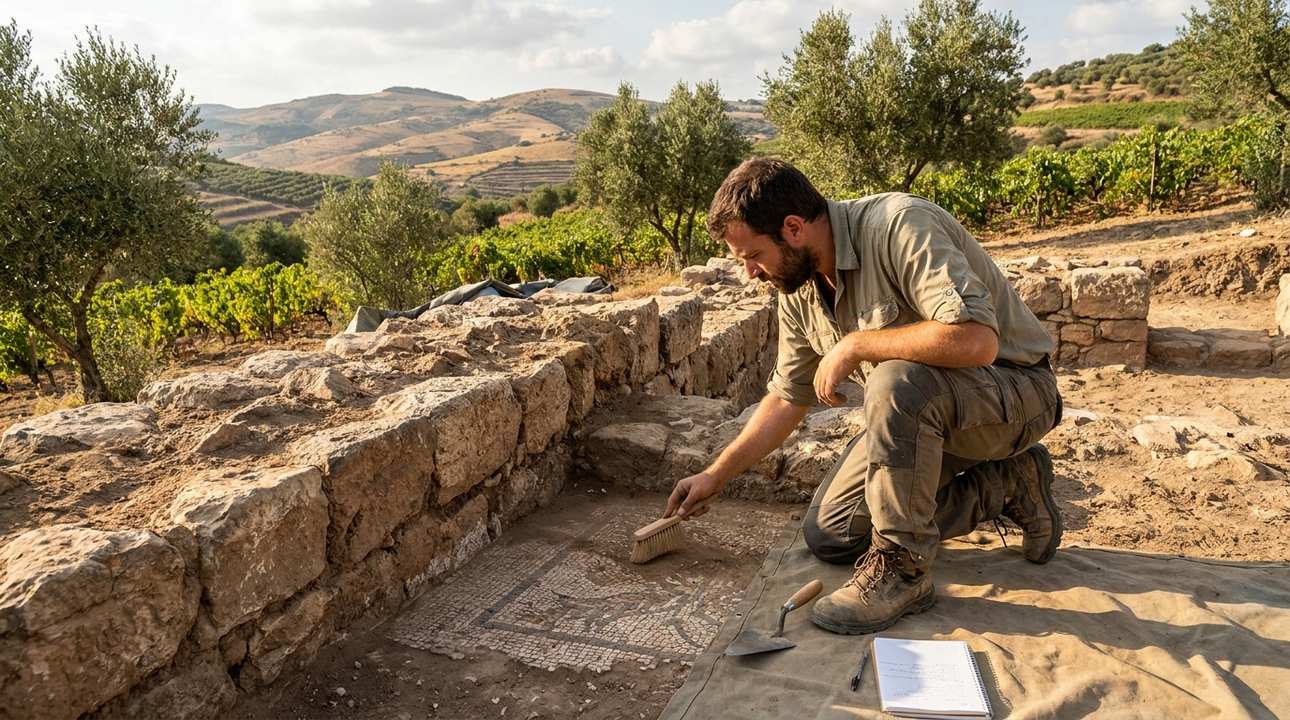
Samaria was historically located between Judea to the south and Galilee to the north. This central position made it important for trade and military routes. Samaria is mentioned in various historical contexts, such as during King Ahab’s rule. Ahab’s reign was marked by significant political and religious events. The landscape included hills and valleys, providing ideal conditions for agriculture and settlement. These natural features contributed to its prosperity and strategic importance, making it a focal point for various historical events. The fertile land supported vineyards and olive groves, essential to the local economy.
Samaria’s Historical Transitions
Samaria experienced many changes throughout history under Assyrian, Babylonian, Greek, and Roman influence. Each era left its mark on the region’s culture and architecture. The Assyrians, for example, left behind palatial ruins and fortifications that tell stories of their expansive rule. These structures reflect the Assyrian administrative and military presence in the region. During the Hellenistic period, the city was rebuilt and expanded, incorporating Greek architectural styles. Roman influence is evident in the construction of roads and public buildings, reflecting the region’s integration into the Roman Empire. The Roman roads facilitated trade and movement, further enhancing Samaria’s role as a cultural and economic hub.
from the Western Wall to Masada.
Samaria Today
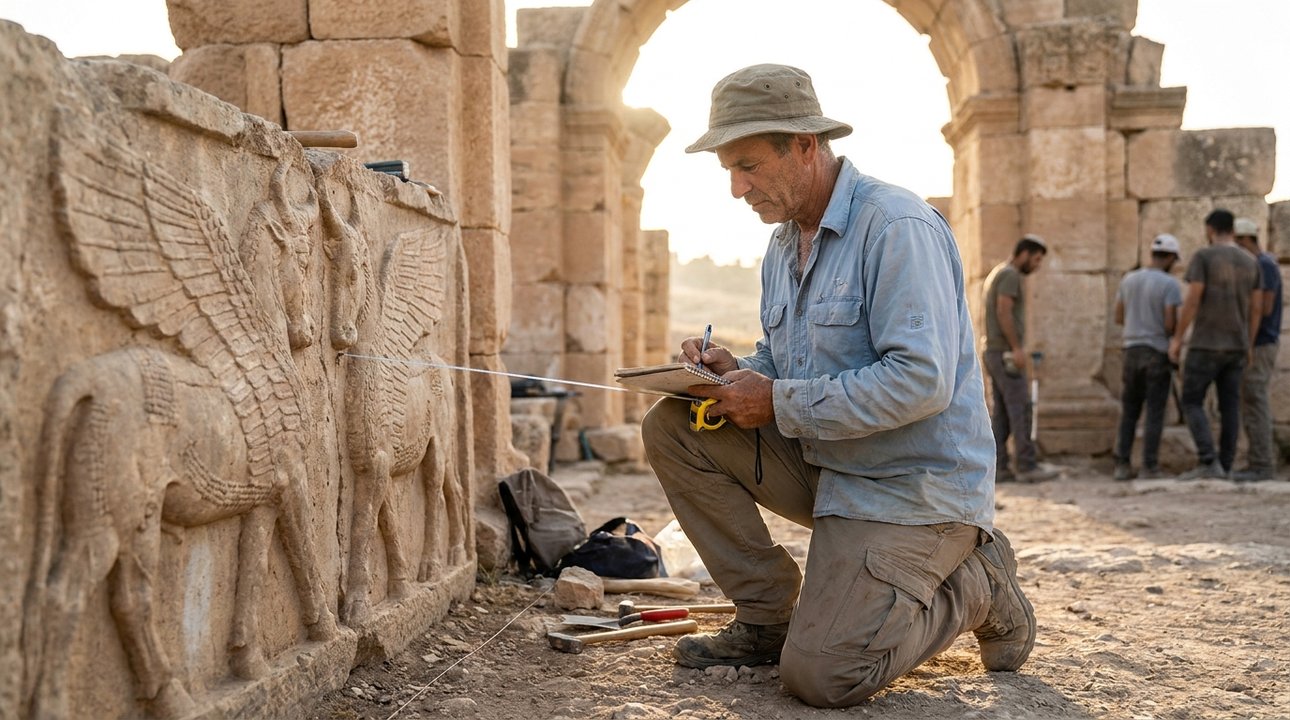
Today, the ancient region of Samaria is part of the northern West Bank. It includes modern-day cities and is characterized by a complex geopolitical landscape. The area has significant archaeological sites like Sebastia, which was an important city in ancient Samaria. Sebastia is believed to have been founded by King Herod, who named it in honor of Augustus Caesar. The area remains a subject of historical and archaeological study, attracting scholars interested in its modern dynamics and archaeological significance. Researchers continue to uncover artifacts that provide insights into the daily lives and cultures of its ancient inhabitants. These findings help piece together the historical puzzle of Samaria’s past.
Archaeological Significance of Samaria
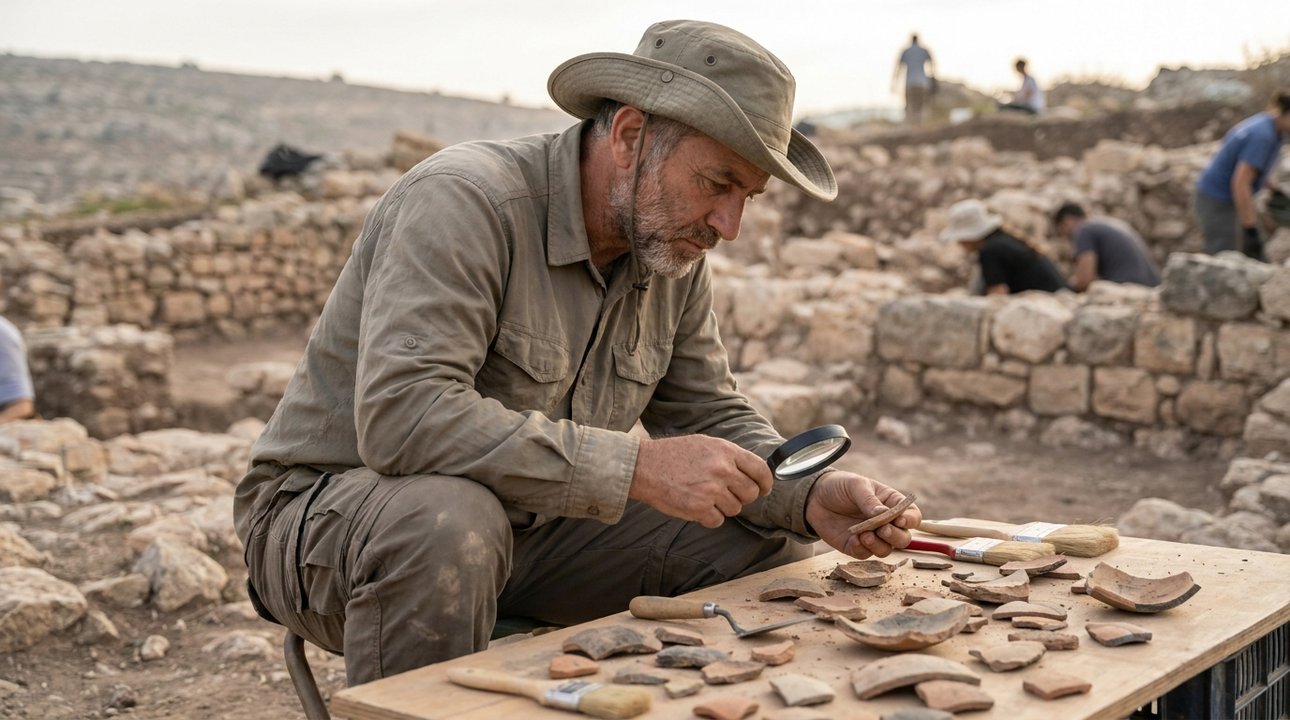
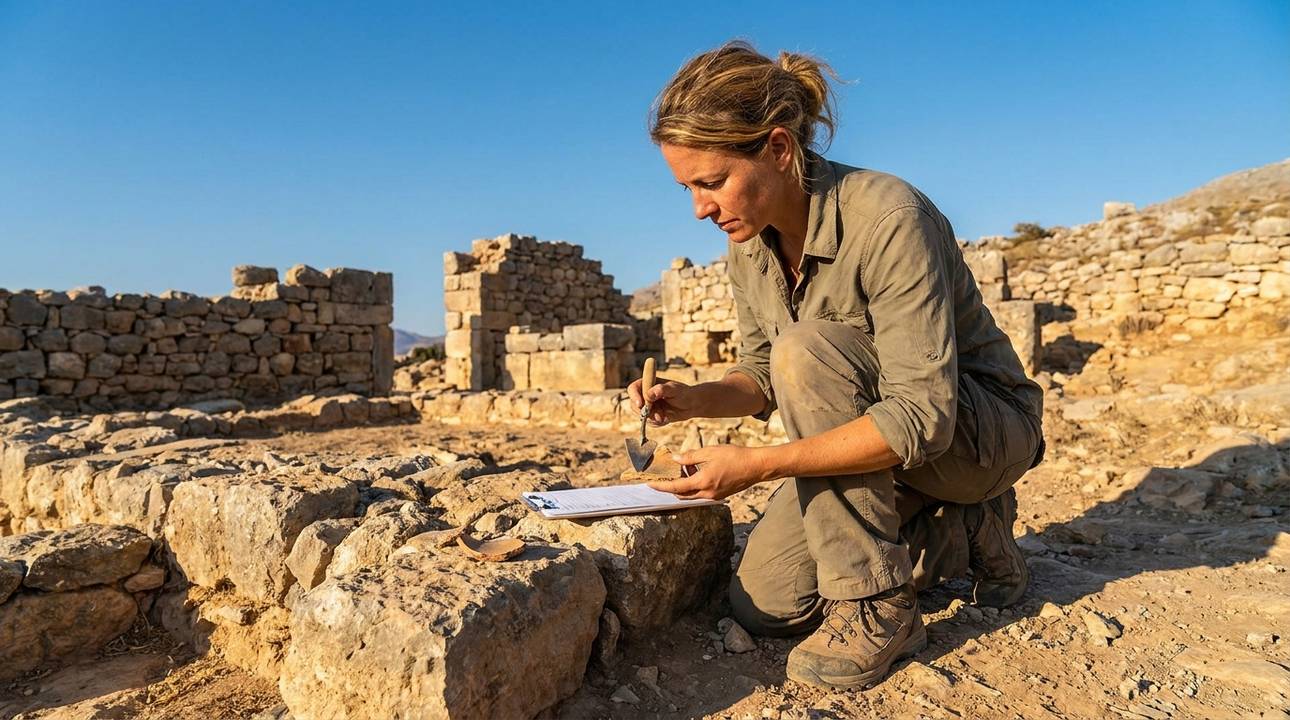
Archaeologists have discovered remarkable artifacts in Samaria, including ancient pottery, inscriptions, and fragments from structures dating back to historical times. Among these findings are remnants of the royal palace built by King Omri, which provide insight into the architectural styles of the period. The palace’s design reflects the influence of neighboring cultures and the wealth of the kingdom. These discoveries offer essential insights into the lives and governance of its ancient inhabitants, enriching our understanding of historical narratives. The inscriptions found often detail the administrative practices and cultural exchanges that took place in Samaria. Such artifacts help historians reconstruct the social and political landscape of the time.
Cultural Identity of Samaria
Throughout history, Samaria has been home to a diverse array of cultures and peoples. This diversity is reflected in its archaeological sites, which show influences from various empires. For instance, the Assyrians, who conquered Samaria in 722 BCE, left behind significant architectural remains. The cultural fabric of Samaria today continues to be shaped by its history and its role in historical events, such as the stories of the prophets Elijah and Elisha, who performed notable acts in the region. These narratives are still remembered and resonate with people today.
Samaria in Modern Discourse
Samaria remains a topic of academic interest and cultural discourse. Discussions often center around its history and the ongoing exploration of its historical sites. Archaeological excavations have uncovered remnants of ancient fortifications and palaces, like those from the time of King Jeroboam II. Modern scholars and historians frequently debate its role in the broader narrative of the region and history, examining how its past influences current cultural perspectives. These discussions help to keep the legacy of Samaria alive in contemporary discourse.
Understanding Samaria