
Understanding the Significance of Shunem in the Bible


Shunem is a fascinating location noted for its strategic importance and cultural narratives. This ancient town, situated in the territory of Issachar, is remembered for its role in historical stories and archaeological interest.
Located near the Jezreel Valley, Shunem’s geographical position made it a key site during various historical periods. It is mentioned as part of the inheritance of the tribe of Issachar, highlighting its significance in the division of the land among the tribes of Israel.
Its strategic location made it a site of interest.
Shunem’s proximity to important trade routes contributed to its prominence, serving as a backdrop for several historical events. Located near the Jezreel Valley, it connected various parts of the region, making it a hub for activity.
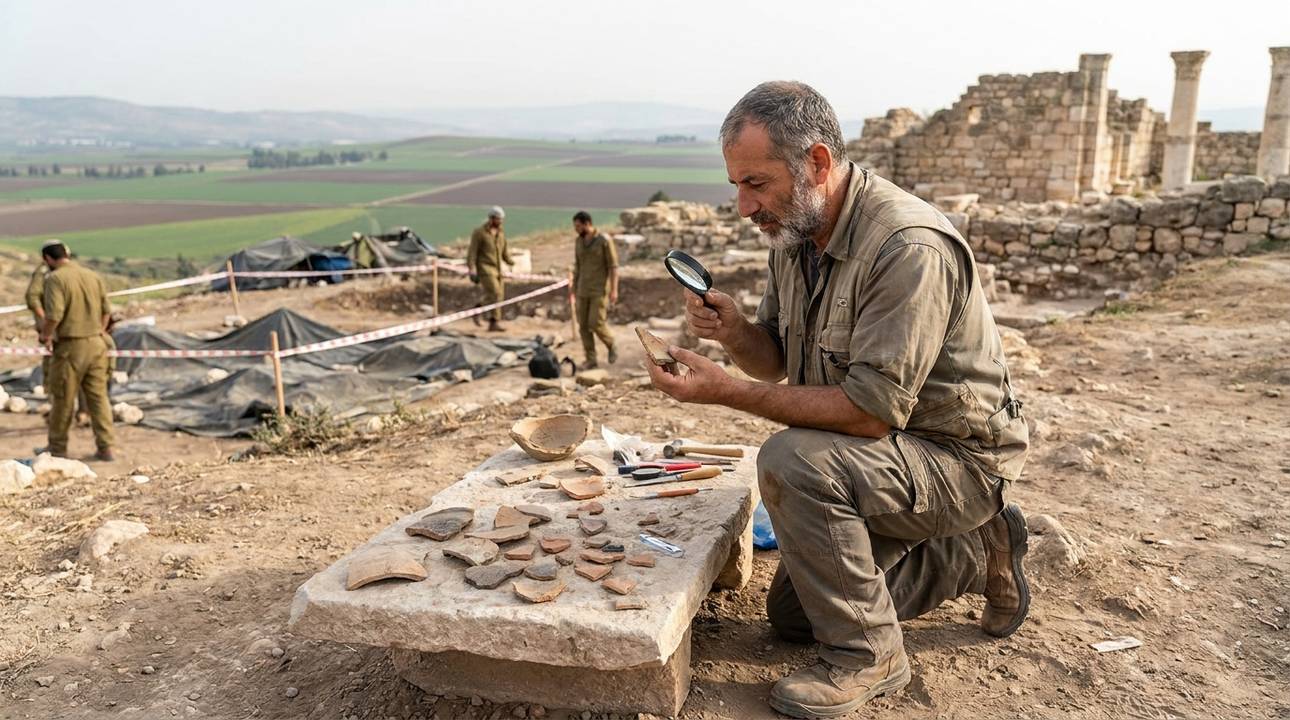
Archaeological excavations have uncovered artifacts, such as pottery and tools, that provide insight into the daily life and culture of its ancient inhabitants.
These findings enrich our understanding of its historical context, revealing the town’s role in trade and its strategic importance in historical times.
from the Western Wall to Masada.

What Is Shunem’s Historical Background?
Shunem was an ancient village located in the northern part of Israel. It is primarily known from the time of the Judges and the accounts of the United Kingdom of Israel. It was situated in the territory allotted to the tribe of Issachar.
Its mention in various historical texts highlights its relevance and strategic location. The village of Shunem played pivotal roles in several military campaigns, contributing to its importance in the historical landscape.
Shunem is referenced as a Philistine camp.
Where Is Shunem Located?
Shunem’s exact location is believed to be near the modern village of Sulam in Israel. It lies in a region that was historically significant for trade and strategic military positioning.
Being located in the Jezreel Valley, Shunem was in a fertile area that connected various parts of the region, making it a hub for activity and conflict. Its proximity to key routes made Shunem a focal point in several historical events, influencing its development and legacy.
For instance, during historical times, the Philistines camped at Shunem.
Why Is Shunem Important in Historical Stories?
Shunem is prominently featured in narratives involving significant historical figures. Stories of miracles and notable events highlight the town’s association with important activities, cementing its place in historical lore.
The presence of significant historical figures in Shunem elevates its status as a site of importance, where notable events intertwine in the lives of its inhabitants. The hospitality shown in these narratives is a key theme.
The account of notable events in Shunem underscores the town’s role as a setting for significant encounters. The hospitality shown in these narratives and the subsequent events illustrate themes of generosity and reward. Promises made and fulfilled further enhance Shunem’s reputation as a place of significance and occurrences. These stories highlight the town’s legacy in historical accounts. Shunem’s narratives are still remembered by those who study history.
What Role Does Shunem Play in the Story of Abishag?
Abishag, a young woman from Shunem, plays an important role in the narrative of historical figures. Her mention as a renowned Shunammite contributes to the historical identity of Shunem. Abishag’s story reflects the cultural and social norms of the time, adding depth to our understanding of ancient society. Her presence in the royal court highlights the importance of personal service and loyalty in the monarchy. Abishag’s role is a sign of Shunem’s history.
Abishag’s presence in the royal court illustrates the customs surrounding monarchy and service. Her role as a caregiver highlights the significance of Shunem as a source of notable individuals. This connection further embeds the town in the historical and cultural fabric of the era, showcasing the importance of loyalty and service in the royal household. Abishag’s story provides insight into the societal norms and expectations of women in society.

How Does Archaeology Illuminate Shunem’s Past?
Archaeological investigations suggest Shunem was a well-established settlement during historical times. Excavations have revealed artifacts such as pottery and tools that provide insights into the daily life and culture of its inhabitants.
These discoveries offer tangible connections to historical stories and confirm the presence of such communities. Shunem is mentioned as a Philistine encampment, highlighting its strategic importance.
Archaeological efforts continue to shed light on the complex historical narrative of this significant location.
from the Western Wall to Masada.
Shunem: A Site of Prophetic Importance
Shunem’s association with notable figures underscores its importance. The events performed here enhanced its status as a revered site. Interactions with notable individuals highlight the town’s role as a backdrop for significant encounters and promises. These narratives emphasize Shunem’s place in the historical landscape, where important events occurred. The town’s mentions are still remembered in reflection and study. Its stories are pivotal in understanding the dynamics of history.
These narratives demonstrate how Shunem was perceived as a place of significance and devotion. The town’s connection to notable figures highlights its importance.
Interactions with notable individuals, including miraculous events, contribute to Shunem’s reputation as a site of significant occurrences and encounters. The texts that mention Shunem further emphasize its role in the historical landscape.
Its stories continue to be a source of inspiration and study.
Present-Day Understanding of Shunem
Today, Shunem continues to be a subject of interest for both historians and researchers. Studies focus on its influence during historical times and its role in history. The exploration of Shunem provides valuable perspectives on its impact in narratives. Shunem remains an essential topic for those interested in the intersections of history, archaeology, and studies, showing the cultural and societal life of the past. Researchers often examine the town’s role in stories like those involving notable figures.
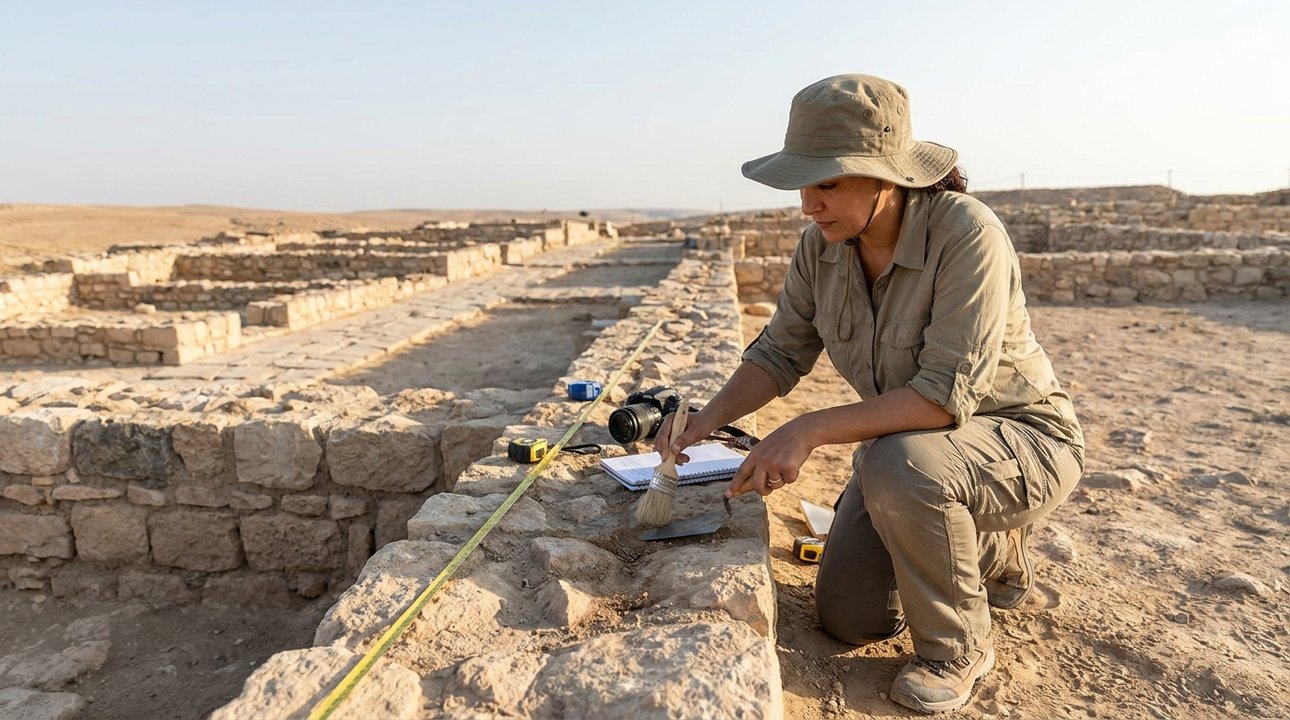
Research into Shunem’s archaeological sites has uncovered remnants of ancient structures, offering a glimpse into the architectural styles and urban planning of the period. Excavations have revealed walls and foundations that suggest a well-organized town layout.
These findings contribute to a deeper understanding of the town’s historical context and its significance in the broader narrative of the region. By studying these remnants, historians gain insights into the daily lives and societal structures of Shunem’s ancient inhabitants.
Shunem’s archaeological record continues to be a valuable resource for understanding historical times.
Legacy of Shunem in Jewish Thought
Shunem’s legacy in thought is shaped by its historical mentions. Its connection to notable figures offers a glimpse into its significance.
The story of notable individuals illustrates the town’s role in narratives of interaction and events.
Teachings and traditions continue to reflect on the lessons and stories centered around Shunem, emphasizing themes of hospitality, significance, and events that resonate through the ages. The town is also noted as the home of Abishag.
The town’s mention in poetic texts adds a layer of symbolic meaning to its cultural heritage. This reference enriches the understanding of Shunem’s role in literature, where it is celebrated for its beauty and allure. The ongoing reflection on Shunem in thought maintains its relevance in cultural and historical contexts, serving as a sign of its enduring influence in history and thought. Shunem’s legacy continues to be a source of inspiration and reflection.
Conclusion: the Cultural Role of Shunem
Shunem embodies a blend of historical, archaeological, and cultural relevance. Its stories of notable events and care have woven it into the fabric of historical narrative. By continuing to explore places like Shunem, we deepen our understanding of history and the legacy of its stories. Lev Haolam invites you to support small Israeli businesses, offering a chance to connect with the mix of Israel’s heritage and the meaningful stories that shape its history. The town’s mention as the home of Abishag adds to its historical depth.
Shunem's Role and Importance
