
Exploring the Shephelah: A Land of Historical Importance


The Shephelah, known for its historical role, lies between the Judean Mountains and the coastal plain. This region has been central to many historical events and continues to influence cultural narratives today. This article delves into its history, geography, and modern significance.
The Valley of Elah, part of the Shephelah, is famous for the story of David and Goliath. This area has witnessed numerous historical events, offering insights into ancient civilizations.
from the Western Wall to Masada.
What Is the Shephelah?
The Shephelah features fertile valleys and low hills, creating a natural division between the Judean Mountains and the coastal areas. Spanning from the Aijalon Valley to the Valley of Elah, its geographical characteristics have influenced the history of surrounding regions.
The Valley of Elah is historically significant for the battle involving David and Goliath, showcasing the area’s strategic importance. The geography provided natural defenses, crucial in ancient conflicts.
Historically, the Shephelah served as a critical passage for travelers and armies, facilitating trade and cultural exchanges. Its valleys and hills offered protection, making it a strategic asset in military history.
The Shephelah was frequently contested, with control shifting among various groups. Its role as a buffer zone between territories made it a focal point in historical narratives.
Where Is the Shephelah Located?
Today, the Shephelah is located in Israel, extending from the Judean Mountains to the coastal plain. Known for its rolling hills and fertile valleys, it remains a significant agricultural area. Its proximity to ancient cities like Bet Shemesh and Gezer underscores its historical importance.
Gezer, a fortified city in ancient times, played a key role in trade and military strategies, highlighting the area’s significance as a buffer zone. Its strategic value is noted in various historical texts.
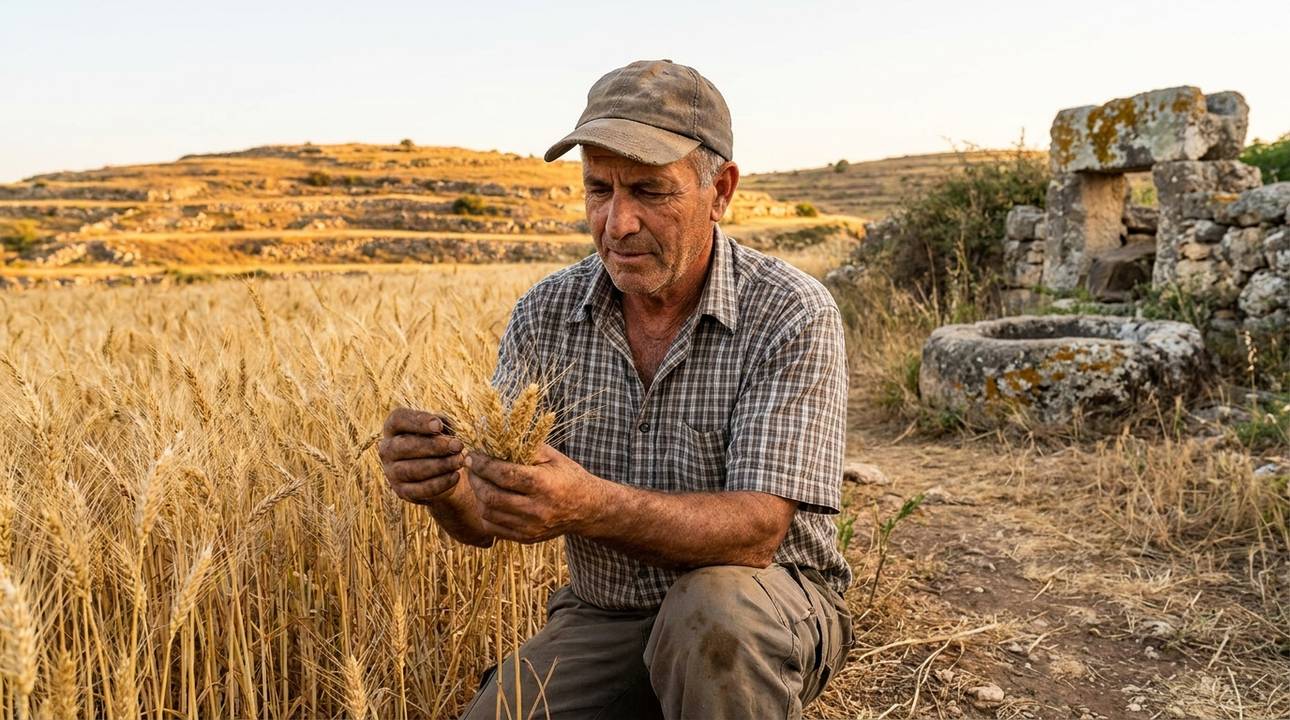
The terrain of the Shephelah, with its fertile valleys, was ideal for agriculture. The soil supported crops like wheat and barley, making it attractive for settlement and cultivation. Archaeological findings, such as terraces and winepresses, reflect its agricultural past.
Shephelah in the Bible
The Shephelah appears in various historical accounts, serving as the setting for key events like the battle between David and Goliath in the Valley of Elah. This valley’s location highlights its role in historical military campaigns.
The Shephelah’s strategic importance is evident in historical campaigns involving different groups. These narratives highlight its contested nature and its significance for security and prosperity.
In historical times, the Shephelah was often a battleground for various groups. Notable events include battles where significant figures faced their adversaries, underscoring its strategic importance in history.
Archaeological Discoveries in the Shephelah
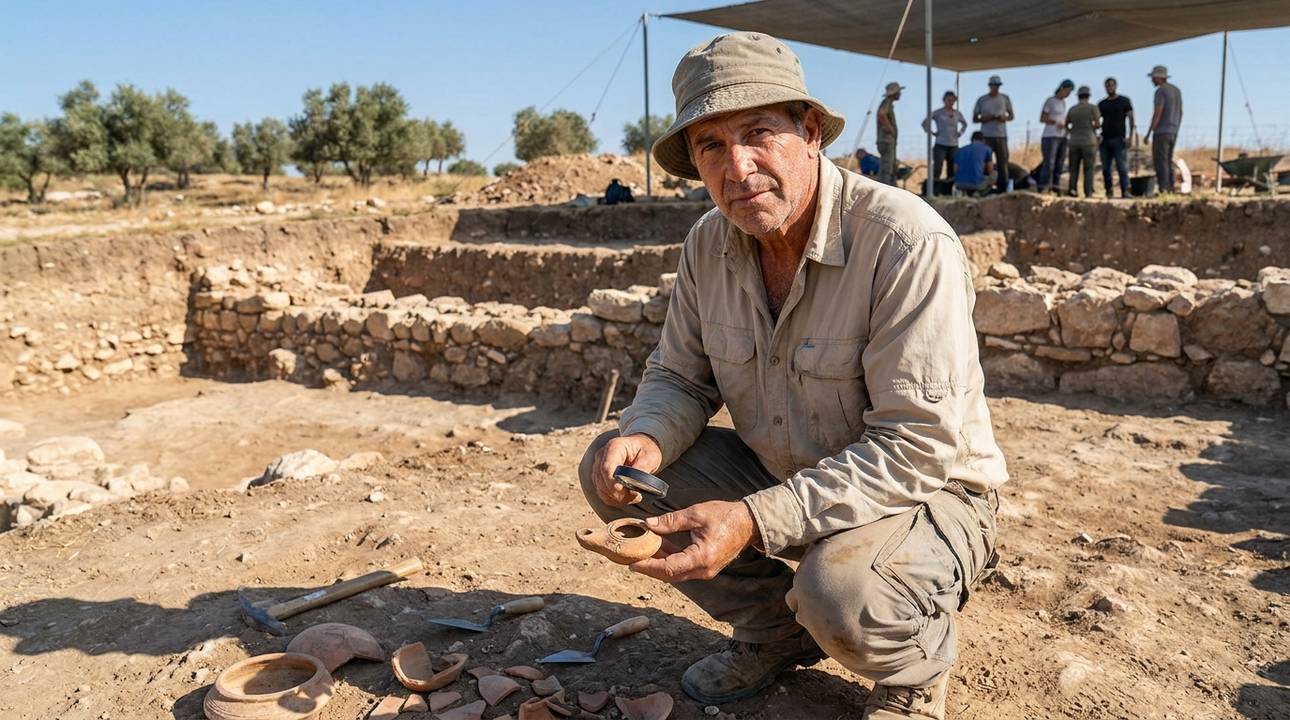
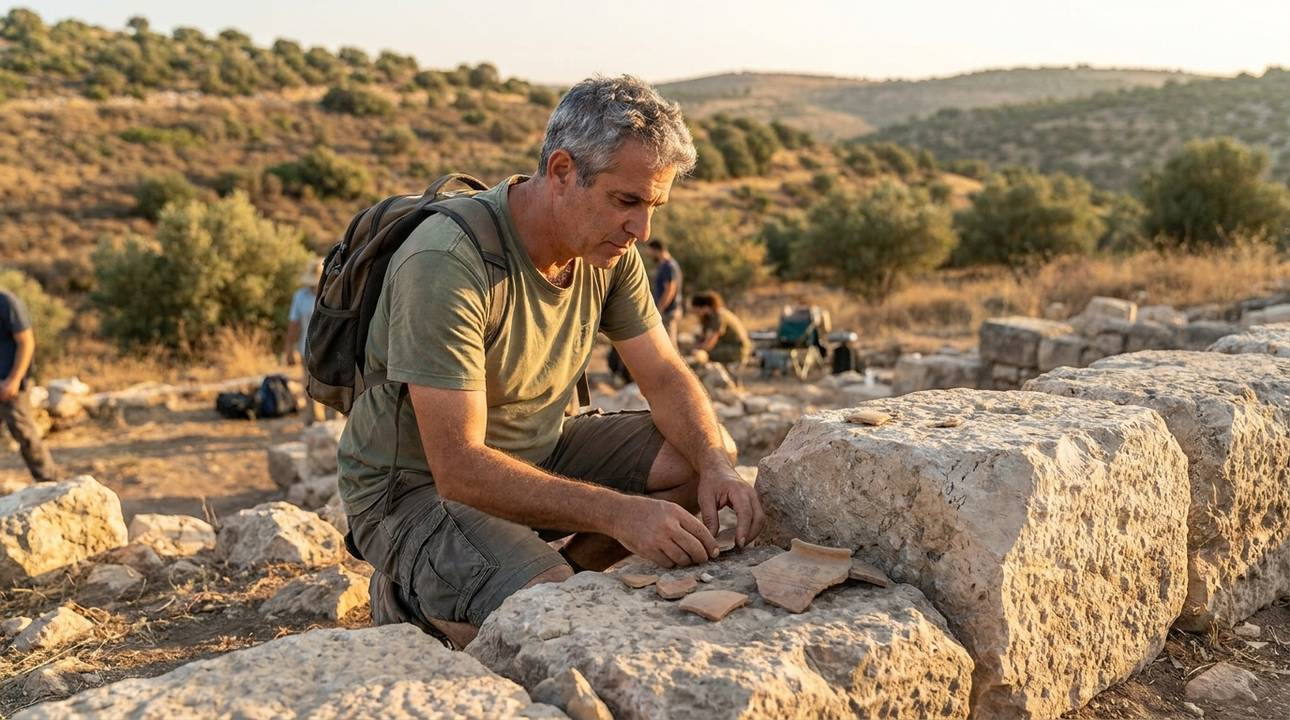
Archaeological digs in the Shephelah have uncovered numerous artifacts, shedding light on ancient societies. Sites like Lachish and Gezer have revealed remnants of fortifications, pottery, and inscriptions, offering insights into the lives of past inhabitants.
The Lachish Letters, inscribed pottery shards, provide details about the political and military affairs of the region in the late 7th century BCE. These findings illustrate the area’s role as a cultural and administrative center.
These archaeological discoveries enhance our understanding of the political, social, and economic dynamics of the Shephelah throughout history. Artifacts from significant historical periods affirm its role as a contested region and provide evidence of its interactions with neighboring cultures.
from the Western Wall to Masada.
Cultural and Modern Identity of the Shephelah
Today, the Shephelah is appreciated for its natural beauty and historical depth. Modern settlements and agriculture thrive in the valleys, continuing its tradition as a fertile land. The region is also a hub for archaeological research, with ongoing excavations unveiling layers of history.
The vineyards and olive groves of the Shephelah reflect its agricultural heritage. Visitors can explore its scenic landscapes, which have inspired art and literature. Its cultural significance is celebrated in local festivals and educational programs, sharing its history with new generations.
For many, the Shephelah offers a link to historical roots. Its landscapes and stories, like that of David and Goliath, continue to resonate, providing a connection to the past. This connection is celebrated in education and cultural events.
The Shephelah’s significance is highlighted in educational programs that emphasize its historical role. Cultural events often include reenactments of historical battles, fostering a deeper understanding of its legacy.
Shephelah’s Influence on Heritage
The Shephelah holds a unique place in cultural memory, symbolizing continuity. Stories of battles and cooperation are central to its history. Its narratives are celebrated in festivals and educational initiatives, highlighting its role in shaping identity and heritage.
The historical events of the Shephelah are commemorated in festivals that emphasize its impact on identity. Educational programs focus on archaeological discoveries and historical narratives, fostering appreciation for its legacy.
Throughout history, the Shephelah has inspired religious and cultural expressions, reflecting the bond between the land and its people. The Psalms, for instance, mention the land’s beauty and significance. This connection influences modern literature and art, drawing inspiration from its landscapes and stories.
The influence of the Shephelah is evident in the works of artists and writers who explore themes of heritage and resilience. These cultural expressions celebrate its history and its ongoing impact on people’s connection to their heritage.

Conclusion: the Shephelah’s Legacy
The Shephelah’s historical and cultural significance offers insights into its legacy. It was a key area during significant historical times, making it essential for understanding the broader ancient world. Scholars and archaeologists continue to study this region to uncover more about its past.
Archaeological sites like Lachish and Gezer in the Shephelah provide valuable information on ancient societies and their interactions with neighboring cultures. These findings contribute to our understanding of its historical role.
The Shephelah continues to capture the imagination of those who explore its valleys and stories. Sites like Tel Azekah, known for historical events, emphasize its strategic importance in past times.
The Shephelah stands as a testament to the enduring connection between the land and its heritage. Visitors often feel a deep sense of history as they walk through its landscapes. Its archaeological sites and natural beauty continue to attract scholars and tourists, offering a tangible link to the past.
General Questions
