
Exploring the Historical Site of Timnah


Timnah is a place deeply embedded in historical narratives. Its mention spans several stories, intertwining with events that highlight its significance in the ancient world.
For instance, Timnah is the setting for a significant encounter with a Philistine woman, marking the beginning of a series of events that would define the narrative.
This article explores the historical importance of Timnah, showing its geographical context and its place in the storyline. The narratives associated with Timnah provide insights into the social and cultural dynamics of the time, enriching our understanding of the ancient world.
from the Western Wall to Masada.
Geographically, Timnah was located in the Shephelah region, a transitional zone between the coastal plains and the Judean hills. This location made it a strategic site for trade and military endeavors.
The city’s history is marked by its role in conflicts, such as those between the Israelites and the Philistines. Understanding Timnah’s geographical and historical context enriches our appreciation of its role in historical events.
The strategic position of Timnah in the Shephelah region made it a key location for controlling trade routes and military movements. Its proximity to both the coastal and inland areas allowed for significant influence over regional interactions. The history of Timnah is further highlighted by its mention in historical narratives, which underscore its importance in the ancient world.
What Is Timnah?
Timnah is a location referenced in several historical accounts. Situated in the ancient Near East, it served as a site of significant events in the narratives of history.
Known for its historical and strategic importance, Timnah played a role in the lives of several key figures. The name ‘Timnah’ is derived from a root meaning ‘allotted portion,’ reflecting its status as a region of defined boundaries.
In historical times, its location was crucial, marking the border areas between significant territories. Timnah’s strategic position made it a focal point for trade and military activities, influencing the events described in historical records.
The city’s mention in various stories highlights its importance in the ancient world and its role in shaping the narratives of key figures.
Where Is Timnah Located?
Timnah was located in a region commonly identified with the southern areas of the land that belonged to Judah. Its proximity to areas occupied by different groups, such as the Philistines, made it a focal point of cross-cultural interactions.
Historical accounts and archaeological records suggest various candidates for its exact location. One possibility is an area near modern-day Tel Batash, where extensive archaeological work has unearthed remains that give insights into the society that once thrived there.
The identification of Timnah near Tel Batash is supported by findings that align with descriptions in historical texts. Evidence from the site provides a glimpse into the daily life and interactions of the people who lived there.
Understanding its location and context helps us appreciate Timnah’s role in the historical and cultural landscape of the region.
Timnah in Historical Stories
Timnah features prominently in several historical stories. It is perhaps most famously associated with a significant encounter in the Book of Judges. A journey to Timnah marked the beginning of a series of confrontations.
Another significant mention is in the narrative related to Tamar, who took a daring initiative at Timnah to secure her lineage, as told in ancient texts.
These stories highlight Timnah’s role as a setting for pivotal historical events.
Archaeological Finds at Timnah
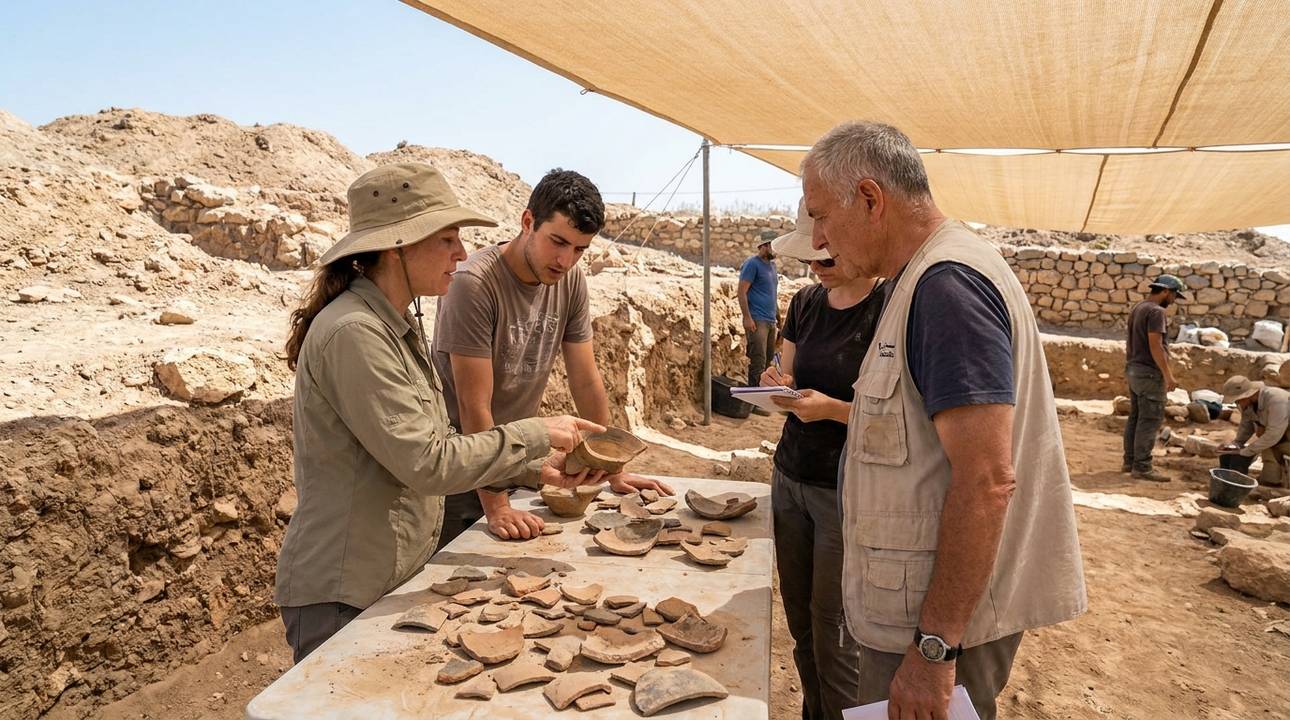
Archaeological excavations at sites identified as Timnah have uncovered a wealth of artifacts. These findings include remains of settlements from various periods, including those from the Iron Age. Excavations have revealed structures such as fortifications and residential buildings, indicating a well-established community.
The discoveries at these sites offer insights into the cultural and economic activities of its historical inhabitants. Items such as pottery, tools, and structures reveal how Timnah functioned as a bustling center of interaction and commerce across different civilizations.
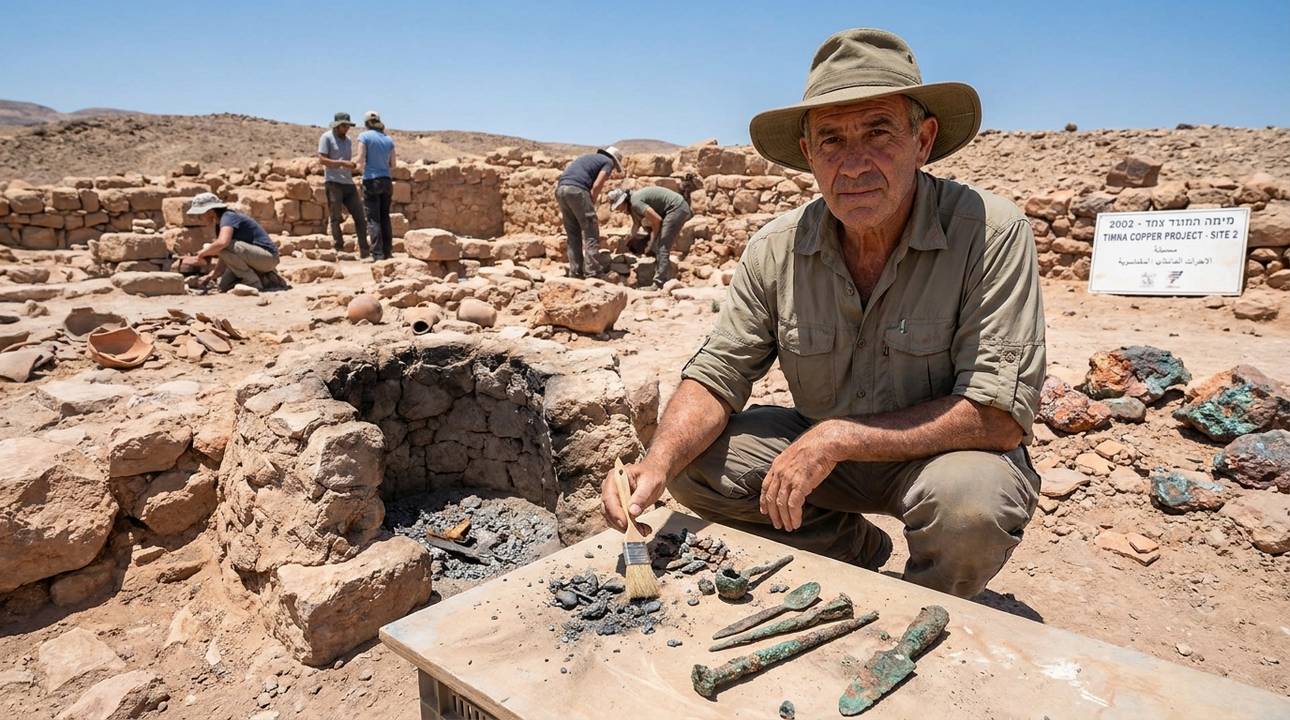
Among the artifacts discovered at Timnah are tools used in copper production, highlighting the site’s industrial significance. These tools, along with remnants of smelting facilities, suggest that Timnah was an important center for metalworking.
The economic activities at Timnah, as evidenced by these findings, played a crucial role in the development of trade networks and the spread of technological innovations in the ancient world. The presence of advanced smelting techniques indicates a sophisticated understanding of metallurgy.
Copper production at Timnah likely facilitated trade with neighboring regions, contributing to its economic importance. Evidence of metalworking tools and facilities underscores the technological advancements achieved there.
These findings enrich our understanding of the ancient economy and the role of metallurgy in shaping trade and cultural exchanges across the region.
Timnah’s Historical Context
In the broader historical context, Timnah was part of a landscape of political and military significance. It sat at the crossroads of competing powers, and its control often shifted between groups and tribes. This is evident in the account of the Philistines and Israelites vying for control.
This geopolitical position made Timnah a strategic site for military campaigns and alliances, contributing to its mention in ancient records. Understanding its place in history sheds light on the dynamics that shaped the stories recorded in historical texts.
The strategic importance of Timnah is further highlighted by its repeated capture and recapture in historical texts. Its location made it a valuable asset for any ruling power, influencing the outcomes of regional conflicts.
For example, Timnah is mentioned as part of the territorial boundaries of Judah. The site’s history of changing hands reflects the broader political struggles of the ancient Near East.
By studying Timnah, we gain insight into the military and political strategies employed by ancient societies to maintain control over key territories. The city’s strategic position made it a focal point during conflicts between different groups.
Understanding these dynamics helps us appreciate the complex political landscape of the ancient Near East and the significance of controlling such a pivotal location.
Timnah’s Role in Ancient Economy
Beyond its historical role, Timnah was an economic hub, pivotal in the trade networks of the ancient world. It played a part in the exchange of goods such as metals and agricultural produce, facilitating connections between different regions.
The remains found at Timnah sites, including processing installations and trade artifacts, indicate its role in ancient industrial activities.
from the Western Wall to Masada.
This economic significance complemented its cultural and political importance, making it a multifaceted center in antiquity. The trade networks that passed through Timnah connected it to distant regions, enhancing its role in the ancient economy.
The site’s industrial activities, particularly in metallurgy, were crucial for its economic prosperity and influence in the region.
Cultural Role of Timnah
Timnah also held a cultural role, serving as a mix where different traditions met and merged. This cultural diversity is reflected in the artifacts and inscriptions discovered at the site. For example, inscriptions in multiple languages indicate the presence of various ethnic groups interacting in the area. The mingling of cultures enriched the narrative mix of Timnah.
The mingling of cultures influenced the development of customs and social structures in surrounding regions. Understanding these interactions provides a fuller picture of historical life. The cultural exchanges at Timnah contributed to the site’s history, highlighting its role as a center of interaction and integration in the past.
Artifacts such as pottery from different cultural origins found in Timnah reveal the exchange of goods and ideas. These items show how trade and interaction with neighboring regions, such as Egypt and Mesopotamia, shaped local customs and practices. For instance, Egyptian pottery styles found at Timnah suggest trade links dating back to the time of the Pharaohs. The diversity of influences seen in Timnah’s artifacts underscores the site’s role as a hub of cultural exchange, showing the interconnectedness of ancient societies.
Timnah in Historical Memory
In historical memory, Timnah has persisted as a symbol of dynamic interaction and narrative. Its stories and tangible remains contribute to our understanding of the ancient world and its peoples.
The site is mentioned in ancient texts, where significant events in family lineage occur. These narratives highlight the social and familial dynamics of the time.
The enduring interest in Timnah demonstrates its lasting impact as a subject of study, informing both academic inquiry and popular imagination about historical periods. Findings such as inscriptions and artifacts provide a tangible connection to these historical stories, showing the historical context of the narratives.
Timnah’s role in history is further highlighted by its connection to significant figures. In historical accounts, a journey there sets off a chain of events central to the story.
These narratives provide insight into the social and familial dynamics of the time. Evidence found at Timnah, such as pottery and inscriptions, helps contextualize these stories within the broader historical framework.
Such findings bridge the gap between historical texts and the tangible world, offering a fuller picture of the past. A journey to Timnah is pivotal, leading to significant events in family lineage.
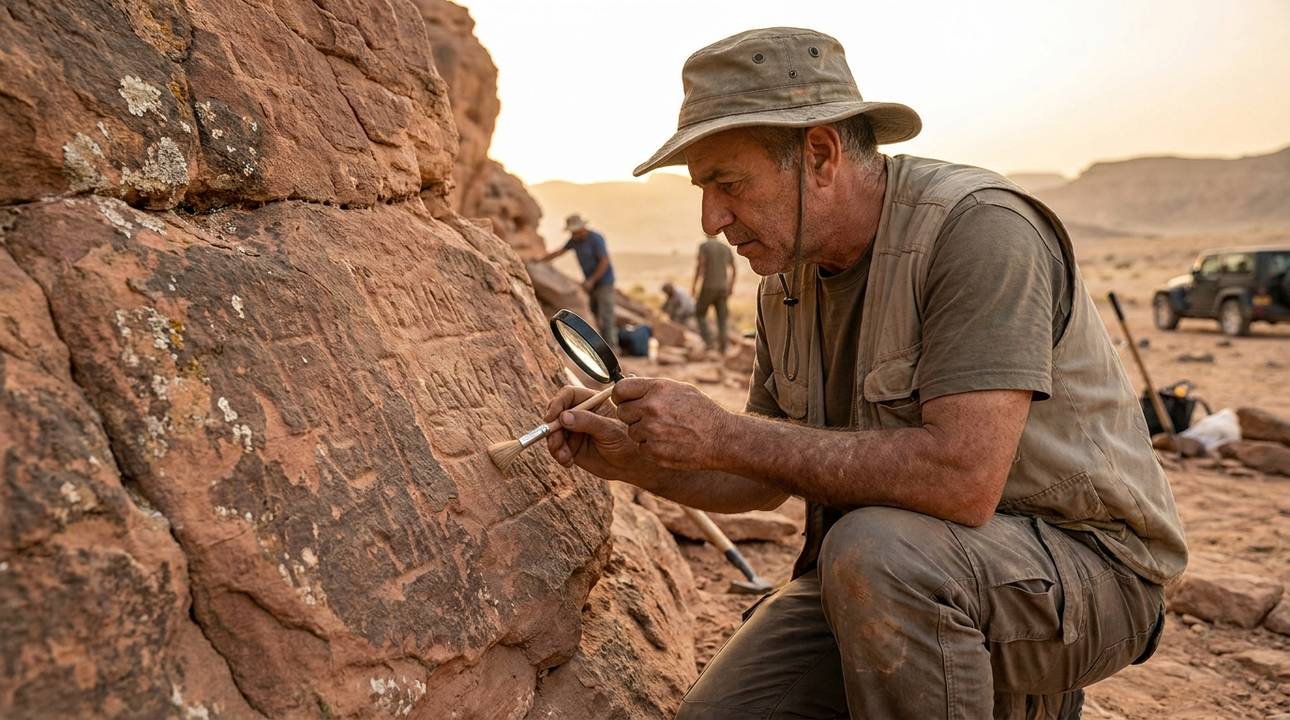
The tangible remains at Timnah, like ancient inscriptions, provide a backdrop to these narratives, enriching our understanding of the historical and cultural contexts of these events.
Timnah Today
Today, Timnah’s story continues to captivate historians and archaeologists. Modern studies focus on uncovering more of its past and preserving the site for future education.
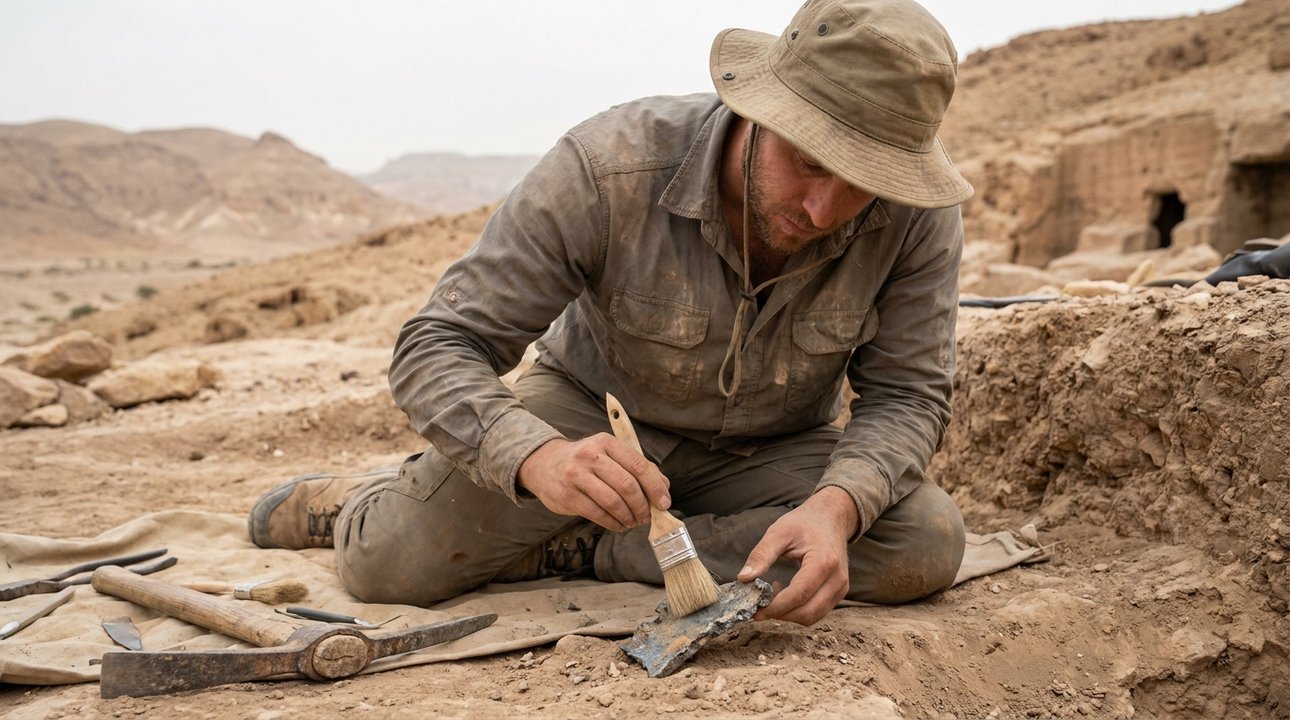
Excavations have revealed significant finds, such as ancient copper mines and smelting sites, which highlight Timnah’s role in early metallurgy. These discoveries are crucial for understanding the technological and economic history of the region.
Efforts are ongoing to ensure the protection and study of Timnah, bringing its history into contemporary awareness and maintaining its legacy as part of our cultural heritage. The site’s preservation allows us to explore the complexities of ancient societies and their contributions to technological and cultural advancements. This ongoing work helps keep the stories of Timnah alive for future generations.
The preservation of Timnah is crucial for understanding the technological advancements of ancient societies. The site’s copper mines, dating back to the 10th century BCE, provide evidence of the region’s industrial capabilities.
These discoveries offer a window into the economic activities that supported and influenced the societies of that era. The copper mining operations at Timnah are believed to have been extensive, indicating a high level of technological skill and organization.
By preserving Timnah, we not only protect a historical site but also continue to learn about the ancient world’s complexities and innovations. The technological prowess evident in the mining and smelting processes at Timnah highlights the advanced industrial activities of the time.
This site offers invaluable insights into the economic and technological landscape of ancient societies, contributing to our understanding of their societal development.
Understanding Timnah
