
Unveiling the Valley of Achor’s Importance


The Valley of Achor is a significant location known for its historical and cultural implications. Situated near Jericho, it is mentioned in various texts as a poignant reminder of the consequences of disobedience and the hope of renewal.
In this article, we’ll delve into its historical context and its meaning in tradition, exploring how this valley has been perceived and understood over time, reflecting on its lasting impact.
The valley’s significance extends beyond its historical narrative. In tradition, it symbolizes the potential for change and redemption. The story of Achan serves as a moral lesson, reminding us of the importance of adhering to communal values. Over the centuries, the Valley of Achor has been a subject of study and reflection, illustrating the enduring themes of accountability and hope. Its narrative is still remembered by those seeking personal growth.
from the Western Wall to Masada.

Where Is the Valley of Achor Mentioned in the Bible?
The Valley of Achor is prominently featured in historical texts. It is first introduced as the site of Achan’s transgression, where he took forbidden spoils from Jericho. As a result, Israel faced defeat.
These texts detail the events leading to Achan’s punishment and the valley’s naming, symbolizing trouble. Later, the valley is described as part of the territory allotted to the tribe of Judah, indicating its geographical significance.
The allocation of the Valley of Achor to the tribe of Judah underscores its importance in the tribal divisions of the land. This geographical detail situates the valley within the broader context of settlement.
The valley’s narrative serves as a cautionary tale, reminding the people of the consequences of disobedience. The story of Achan and the valley’s role in history continue to resonate, offering lessons on the importance of faithfulness.
What Happened in the Valley of Achor?
The valley’s most notable event involves Achan, who violated the command during the conquest of Jericho. By taking banned items, Achan brought disaster upon Israel, leading to their defeat at Ai.
This prompted Joshua to seek guidance, uncovering Achan’s actions. Consequently, Achan and his family were brought to the Valley of Achor and punished, a somber reminder of accountability and adherence to laws.
Achan’s story is a pivotal moment in history, highlighting the importance of collective responsibility. The Israelites’ defeat at Ai led Joshua to plead for understanding, questioning why they had suffered such a setback.
Upon discovering Achan’s transgression, Joshua confronted Achan, who confessed to taking a beautiful Babylonian garment, silver, and a wedge of gold. This confession sealed Achan’s fate and reinforced the need for obedience.
What Does ‘Achor’ Mean?
The name ‘Achor’ translates to ‘trouble’ or ‘disturbance,’ reflecting the consequences faced by Israel due to Achan’s sin. This valley serves as a lasting emblem of the troubles caused by disobedience.
Despite its somber origins, prophetic texts envision it as a doorway to hope, implying redemption and a new beginning for the people. This duality highlights the potential for renewal even in places marked by past transgressions.
Prophetic texts speak of transforming the Valley of Achor into a ‘door of hope,’ suggesting that even places associated with past sins can become sites of redemption. This message is echoed in other texts, where the valley is mentioned as a place for herds to rest.
These prophetic visions offer a narrative of redemption, showing that transformation is possible. The valley’s story encourages reflection on personal growth and the possibility of new beginnings.
The Valley of Achor in Jewish Tradition
In tradition, the Valley of Achor represents a profound teaching moment. The story of Achan illustrates the severe consequences of individual actions on the community. It emphasizes the importance of communal responsibility and integrity.
Reflecting on this narrative encourages a deeper understanding of justice and communal harmony, themes central to teachings. The valley’s story serves as a reminder that actions have ripple effects within a community, influencing both present and future generations.

Archaeological Insights into Achor
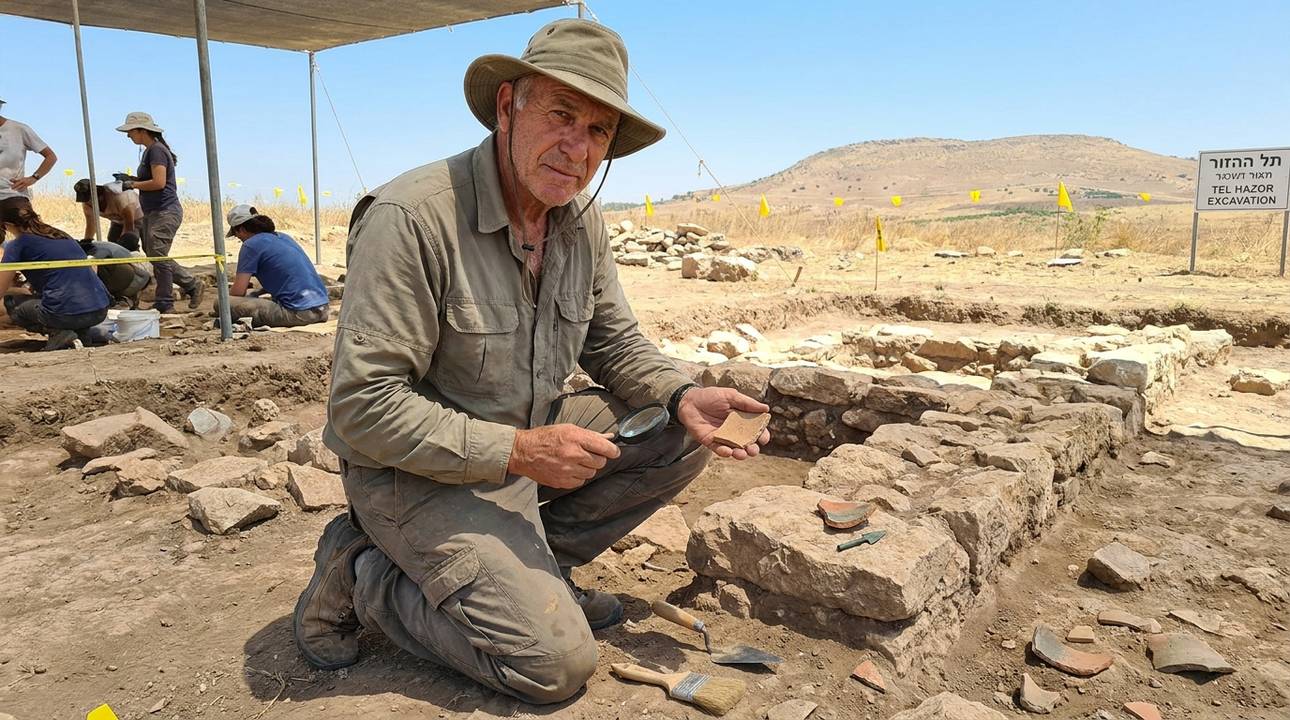
While direct archaeological evidence for the Valley of Achor is limited, studies continue to explore its possible locations near Jericho. Scholars examine ancient texts and geographical clues to pinpoint its historical setting. These efforts aim to contextualize narratives within historical geography, providing a broader understanding of ancient settlement patterns and their significance. This ongoing research enriches our knowledge of the past, showing past cultures.
from the Western Wall to Masada.
Archaeologists and historians collaborate to uncover the valley’s precise location, drawing on descriptions and historical records. This interdisciplinary approach helps piece together the landscape of past eras.
Understanding the Valley of Achor’s place in history enhances our appreciation of its narrative. As research progresses, it sheds light on the cultural practices of the time, deepening our connection to the stories that have shaped heritage.
How Is the Valley of Achor Viewed Today?
Today, the Valley of Achor is appreciated as a symbol of transformation. Once associated with trouble due to Achan’s actions, it now signifies redemption and hope, reflecting broader themes in thought.
This transformation from punishment to renewal is a concept embraced in both study and modern interpretations, illustrating the enduring potential for change and growth, resonating with those seeking personal transformation.
The valley’s narrative of redemption is echoed in Jewish teachings, where the idea of teshuvah (repentance) plays a central role. This concept emphasizes the possibility of returning to a righteous path, much like the valley’s transformation.
In modern times, the Valley of Achor serves as a metaphor for personal growth and renewal. Its story encourages individuals to reflect on their own journeys, finding hope and strength in the possibility of change and new beginnings.

Cultural Impact of the Valley of Achor
The Valley of Achor’s story is still remembered reflection in literature, art, and discussion within Jewish communities. Its themes of consequence and hope resonate across generations, encouraging individuals to contemplate their own actions. By exploring its lessons, people find a deeper connection to their cultural and spiritual roots, fostering a sense of continuity and growth. The valley’s narrative remains a powerful tool for teaching and reflection, emphasizing the importance of personal and communal responsibility.
In literature, the Valley of Achor is often used as a symbol of transformation and redemption. Artists and writers draw on its themes to explore the complexities of human experience and the potential for change. This narrative is still remembered those seeking personal growth, offering a framework for understanding the challenges and opportunities of life. The valley’s story is a reminder of the enduring power of hope and the possibility of renewal, resonating with those on their own journeys.
The Valley of Achor and Lev Haolam’s Mission
While learning about historical places like the Valley of Achor, Lev Haolam invites you to embrace historical and cultural narratives through its curated gift boxes. These boxes feature items crafted by small Israeli businesses, each telling a story of tradition. Supporting these artisans not only helps sustain their livelihoods but also allows you to connect deeply with Israeli culture. Each product is a sign of the mix of stories that have shaped the land. Each box may feature a selection such as artisan foods, handcrafted goods, cosmetics, or cultural items, and contents vary.
By choosing Lev Haolam’s gift boxes, you participate in a meaningful exchange that honors the stories and traditions of Israel. Each item reflects the dedication and creativity of its maker, offering a tangible connection to the land’s history. These curated collections are more than just products; they are expressions of cultural heritage and personal stories. As you explore these offerings, you contribute to the preservation of Israel’s traditions and support its communities.

Understanding the Valley of Achor
