
Exploring the Valley of Sorek and Its Historical Importance


The Valley of Sorek is tied to one of the most intriguing stories, involving a notable encounter. Situated in a region with a rich history, it has been a witness to many events. This article delves into various aspects of its historical context, highlighting its role in significant narratives.
The story of this encounter is one of love and betrayal. Known for his vow, which included not cutting his hair, he was a leader whose feats are legendary.
Sorek, where this took place, became the setting for a dramatic narrative. Here, a secret was revealed, leading to a turning point in the historical account.
from the Western Wall to Masada.

Where Is the Valley of Sorek Located?
Located in present-day Israel, Sorek is a gently sloping region near Beit Shemesh, offering fertile soils and scenic views. Historically, it was on the border between the territories of Judah and Philistia. This strategic location provided a natural corridor for travel and trade, linking coastal areas with the inland hill country. The area continues to draw attention, marking it as a peaceful yet historically significant landscape. Its rich soil supports diverse agriculture, echoing its history as a provider for local communities.
The Story of a Famous Encounter and the Valley of Sorek
In historical narratives, Sorek is the setting for a famous story. Known for extraordinary strength through a vow, symbolized by uncut hair.
His interactions with a woman from the area are central to his narrative. The account highlights themes of love, betrayal, and destiny, with a secret being uncovered and betrayal to adversaries.
This dramatic story still captivates readers, serving as both a legend of heroism and a moral lesson.
The narrative reflects on the relationships between different groups. It details how leaders were bribed to uncover a secret.
This event underscores the tension and conflict between these two groups. The eventual capture and the loss of strength illustrate the consequences of betrayal and the vulnerability of even the strongest individuals.

Historical Context of the Valley of Sorek
Throughout antiquity, Sorek was an area where cultures met. It was part of an ancient buffer zone where trade and sometimes conflict occurred. Archaeological findings in the area reveal settlements and artifacts that suggest cultural exchange. These interactions contribute to our understanding of the events that took place here, influencing daily life and socio-political interactions. Today, these insights provide context into the past, allowing us to appreciate the history beyond its written record.
Sorek served as a strategic location due to its proximity to major trade routes. Historical records indicate that this area was a point of interaction between different civilizations, including the Israelites and Philistines.
Artifacts such as pottery and inscriptions have been discovered, offering evidence of its role as a cultural and economic hub. These findings help historians understand the daily lives and interactions of those who once inhabited this region, enriching our understanding of its significance.
Archaeological Discoveries in the Valley
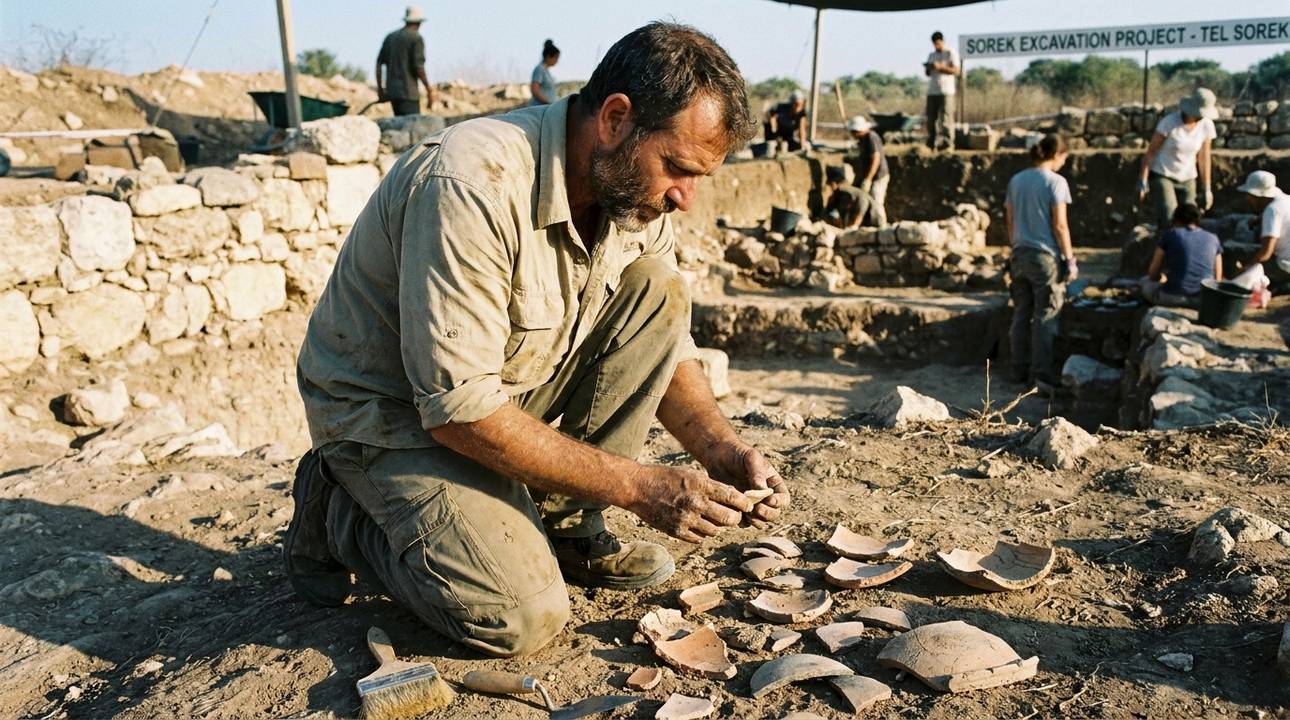
Excavations around Sorek have unearthed numerous artifacts, deepening our understanding of its history. Pottery fragments, tools, and ancient inscriptions reveal insights into the daily lives of those who lived here. These findings connect us to the past, illustrating its role as a community hub. These discoveries are vital for reconstructing the past, illustrating its importance as a hub of activity. The findings also resonate with the stories from historical texts, grounding them in tangible evidence and enriching our appreciation of these ancient narratives.
The artifacts serve as a bridge between historical accounts and the reality of the region. By examining these objects, archaeologists can piece together a more comprehensive picture of life in Sorek during earlier periods.
This tangible connection to the past enhances our understanding of the cultural and historical context in which the narratives unfolded. Sorek continues to reveal its secrets, offering new insights into the past.
Modern Day Valley of Sorek
Today, Sorek offers a serene landscape that speaks to its historical and cultural layers. It remains an area of agricultural richness, sustaining local communities with its fertile grounds. The lush environment is reminiscent of its historical mentions, where it served as a backdrop for pivotal events.
Modern trails and tours often lead visitors through its verdant paths, providing opportunities to reflect upon its past. While it is no longer a crossroads of ancient empires, it continues to hold its charm and historical allure.
from the Western Wall to Masada.
Its paths invite contemplation of the past, where visitors can imagine the footsteps of those who once traversed this land. Sorek’s enduring beauty and history make it a popular destination for those seeking to connect with historical narratives. As visitors walk through the area, they are reminded of the stories that have shaped its legacy, offering a tangible link to the ancient world. Sorek remains a place of reflection and inspiration, inviting all who visit to explore its history.
Cultural Impact of the Valley of Sorek Story
The story of a famous encounter has transcended the pages of history, entering various cultural works. It has inspired literature, art, and music, capturing the imagination of audiences throughout history. For instance, Camille Saint-Saëns composed the opera “Samson et Dalila” in 1877, which remains a staple in the operatic repertoire.
Artists and writers frequently explore its themes of strength, love, and betrayal, finding new ways to interpret the narrative. This cultural impact highlights the enduring power of historical stories and their ability to speak to human experiences.
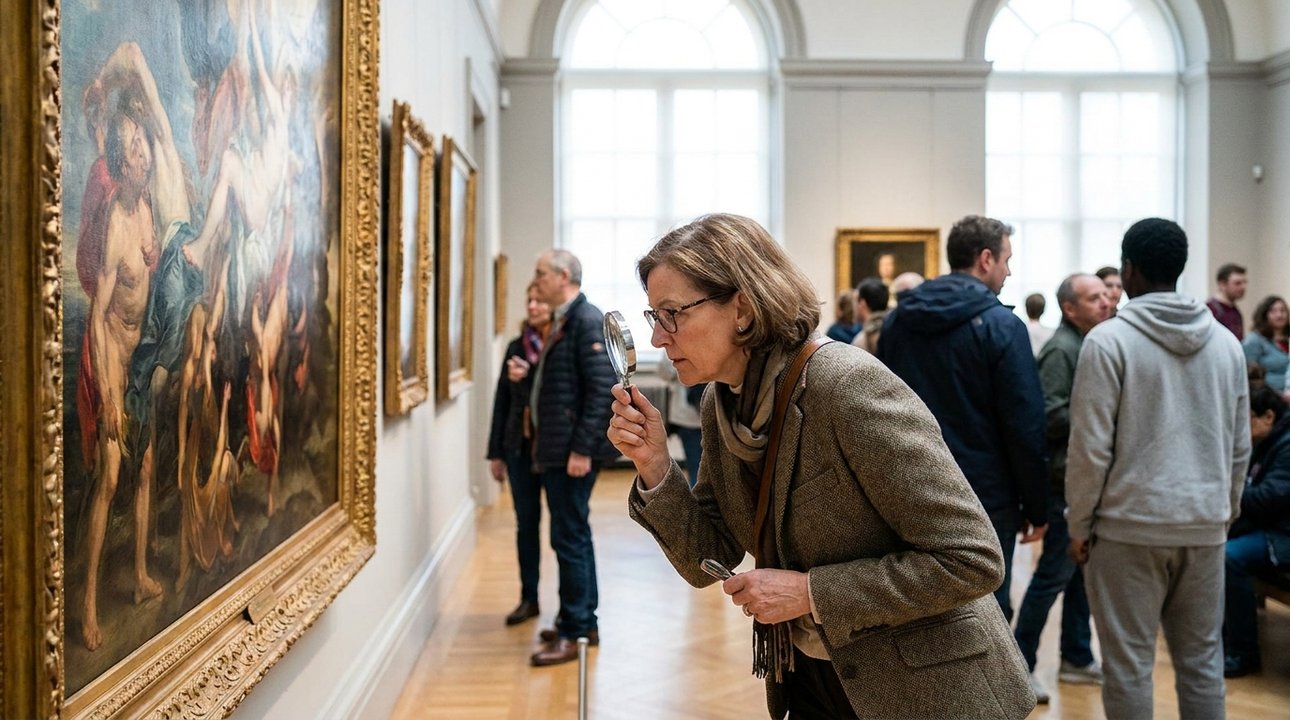
The tale’s exploration of human frailty and divine intervention continues to resonate with audiences today. In addition to Saint-Saëns’ opera, the story has been depicted in numerous paintings, such as those by Peter Paul Rubens and Rembrandt, each offering a unique perspective on the drama.
These artistic interpretations emphasize the universal themes of the story, allowing it to remain relevant across different cultures and eras. The narrative’s adaptability ensures its place in the collective cultural memory.
The Valley of Sorek in Modern Interpretation
In modern times, interpretations of Sorek often focus on its narrative richness and dramatic resonance. Scholars analyze its role in highlighting themes of personal struggle and influence, providing deeper insights into historical texts. The association with trials offers fertile ground for discussion on moral and ethical dilemmas.
These interpretations continue to evolve, reflecting contemporary values and questions. As a timeless story, Sorek inspires new readings and discussions, ensuring its place in ongoing study.
The narratives serve as a mirror to modern issues, prompting reflection on personal and communal challenges. The story, with its themes of strength, vulnerability, and redemption, resonates with contemporary audiences.
This ongoing dialogue between the past and present enriches our understanding of historical texts and their relevance to today’s world. Sorek remains a source of inspiration and contemplation, inviting us to explore the complexities of human nature and purpose.
Conclusion: the Ongoing Legacy of the Valley of Sorek
Sorek stands as a testament to the enduring power of historical places and their stories. From dramatic interactions to its role in the cultural and historical landscape, it offers narratives that continue to resonate. Its significance is captured in historical texts, where stories unfold amid its landscape. Today, it is not only a geographical location but also a symbol of the past and its influences on culture. Sorek remains a cherished part of history, inspiring those who explore its stories and significance.
The historical and cultural role is further highlighted by its role as a meeting point for different peoples. The interactions that took place here, both peaceful and conflictual, have left a mark on the region’s history. This legacy is preserved in historical narratives and is still remembered in modern interpretations. As a place of both historical and cultural significance, Sorek invites reflection on the lessons embedded in these narratives.
Common Questions about the Valley of Sorek
