
Understanding the Significance of Penuel in the Bible


Penuel, also spelled ‘Peniel,’ is a place of historical importance. It is best known as the site of a significant encounter that led to its renaming. The site provides insights into historical transformations and encounters. This article explores Penuel’s impact and its place in history.
What Happened at Penuel?
Penuel is famously mentioned as the location of a mysterious encounter by the Jabbok River, marking a pivotal moment. The individual emerged with a new name, Israel, meaning ‘he who struggles.’ This event is seen as both a physical and spiritual confrontation, emphasizing perseverance and faith. Penuel means ‘face of God,’ highlighting a profound realization after the encounter.
from the Western Wall to Masada.

The Spiritual Meaning of Penuel in a Journey
The wrestling at Penuel represents more than a physical struggle; it is a spiritual awakening. During the encounter, identity was challenged and transformed. The renaming to Israel marks a transition from deceiver to a leader who struggles and prevails. This transformation at Penuel changed the course of life and descendants, underscoring themes of redemption and guidance in moments of challenge. The new name, Israel, would become the name of the nation.
This encounter at Penuel symbolizes personal and spiritual growth. The struggle and transformation highlight the importance of perseverance and faith in overcoming challenges. The transformation into Israel serves as a reminder that personal growth often involves struggle and change, and through faith and resilience, one can emerge stronger and more capable of fulfilling their destiny.
The experience at Penuel parallels other historical transformations, signifying a new purpose. These narratives highlight the importance of personal and spiritual change, emphasizing the transformative power of encounters. Penuel thus becomes a symbol of personal growth and intervention, inspiring reflection on the power of faith.
The wrestling at Penuel underscores resilience in overcoming life’s challenges. These stories remind us that personal growth often involves struggle and change. In these narratives, the characters are not only transformed personally but also play crucial roles in the broader narrative of their people, illustrating the profound impact of individual growth on community and legacy.
Where Is Penuel Located?
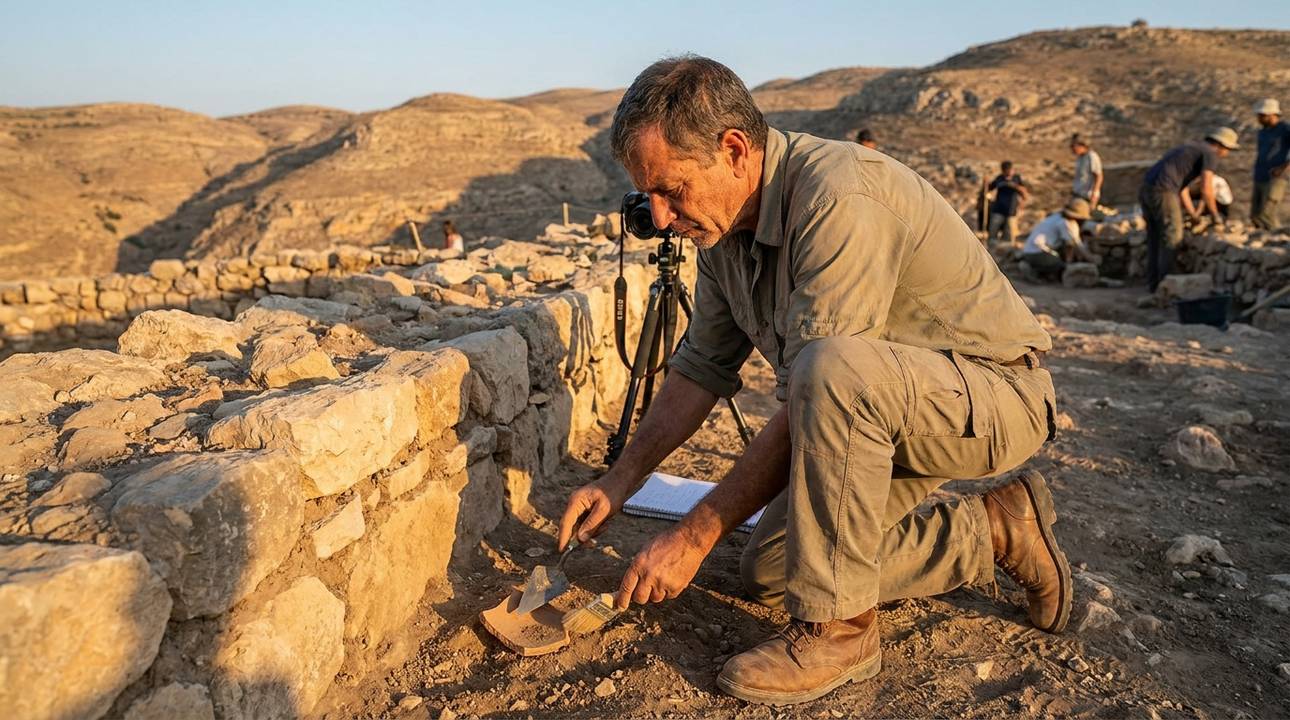
The exact location of Penuel today remains uncertain, traditionally placed east of the Jordan River, near the Jabbok River. Jacob crossed the Jabbok before his encounter, situating Penuel in what is now modern-day Jordan. Historical texts suggest it was near strategic routes, serving as an important regional landmark. This uncertainty fuels ongoing intrigue among archaeologists and historians, who continue to search for clues that might pinpoint its location.
The quest to locate Penuel is part of a broader effort to understand the historical and cultural context of narratives. The site’s potential location near ancient trade routes highlights its importance as a hub of interaction and exchange. This exploration not only aims to locate physical remnants but also to deepen our understanding of the cultural landscapes of historical times, showing the daily lives and beliefs of the people who lived in these regions.
While the precise site of Penuel is not confirmed, its history is undeniable. The search continues to captivate those interested in archaeology, much like the quest for other historical sites such as Jericho. These explorations not only aim to locate physical remnants but also to deepen our understanding of the cultural landscapes of historical times, providing a tangible connection to the stories that have shaped identity.
The ongoing search for Penuel and other historical sites reflects a broader interest in uncovering the physical evidence of narratives. These efforts are driven by a desire to connect with the past and to understand the historical context of the stories that is still remembered. Through these explorations, archaeologists and scholars hope to uncover new insights into the lives and beliefs of ancient peoples, enriching our understanding of the cultural heritage of the region.
Penuel’s Role in Later Texts
In addition to its presence in historical narratives, Penuel is mentioned in the context of the Judges. A central figure in the Book of Judges encounters the men of Penuel during his pursuit of the Midianites. This interaction illustrates the influence and political dynamics within the region during this period. By the time of later historical figures, Penuel becomes part of the northern kingdom’s history. These references highlight Penuel’s ongoing significance as more than just a geographical site but also a place of strategic importance.
Penuel in Modern Scholarship
Modern scholars continue to explore Penuel’s historical and theological implications. The site represents a place of encounter and transformation, reflecting broader themes. Scholars analyze its references across texts to understand its role in identity. This ongoing research provides insights into how ancient locations like Penuel shaped cultural perceptions in historical times. The fortification by historical figures highlights its strategic importance.
Studying Penuel and its references in texts offers a deeper understanding of the complexities of society and the role of encounters in shaping cultural identity. Analyzing these narratives, scholars gain valuable insights into the history of Penuel. This research not only enhances our understanding of the past but also enriches our appreciation of the enduring impact of these stories on identity and tradition.
Penuel’s significance is further highlighted by its mention in historical texts, where resistance was faced from its inhabitants. This encounter occurred during a pursuit of leaders, illustrating the complexities of its role in society. The resistance faced at Penuel adds another layer to its historical narrative, showing the varied interactions between leaders and communities in historical times. These complexities contribute to a richer understanding of Penuel’s impact on history.
By delving into these references, scholars gain a deeper insight into the cultural identity of the people. The experience at Penuel highlights the challenges of leadership and the diverse responses of communities to authority. This ongoing exploration of Penuel’s role in narratives provides valuable lessons on the dynamics of power, leadership, and community, offering insights that continue to resonate in contemporary discussions of leadership and identity.
from the Western Wall to Masada.
Penuel’s Symbolism in Jewish Tradition
In tradition, Penuel is remembered for the transformative encounter, symbolizing personal struggle and renewal. The place’s symbolic weight transcends its geographical uncertainty, becoming a metaphor for trials and eventual victory. This story encourages reflection on perseverance and support in times of hardship, resonating through centuries of thought and teaching. The experience at Penuel serves as a source of inspiration and strength.
The narrative of Jacob at Penuel is a sign of the enduring power of faith and resilience. It illustrates the transformative potential of personal struggle and the importance of divine guidance in overcoming adversity. Through this story, Penuel becomes a symbol of hope and renewal, inspiring generations to persevere in the face of challenges and to seek strength in their faith and community. The encounter at Penuel remains a central theme in Jewish teachings and cultural memory.
The narrative of Penuel parallels other transformative encounters, such as a rise from adversity to leadership. The journey from being challenged to becoming powerful underscores the theme of resilience. Both stories emphasize the transformative power of perseverance and the ability to overcome adversity through determination. These accounts inspire reflection on personal growth and the enduring strength found in overcoming adversity.
This reinforces Penuel’s place in tradition and teaching, as it highlights the importance of resilience in the face of life’s challenges. The narrative, like the one at Penuel, serves as a reminder that even in the darkest times, there is potential for renewal and change. In these stories, the characters are not only transformed personally but also play crucial roles in the broader narrative of their people, illustrating the profound impact of individual growth on community and legacy.
Connecting to Ancient Places Today
For those interested in history, places like Penuel offer a connection to the past. The site is mentioned in historical texts, where it was named after an encounter. Archaeological insights suggest its location near the Jabbok River, providing a tangible link to the narratives that have shaped identity. Understanding Penuel’s significance allows for a deeper appreciation of its role in the broader story, offering lessons in perseverance and faith. The ongoing exploration of Penuel continues to captivate scholars and enthusiasts alike.
The search for Penuel is part of a larger effort to connect with the historical and cultural context of narratives. By uncovering the physical remnants of these sites, scholars hope to gain new insights into the lives and beliefs of the people who lived in these regions. This exploration not only deepens our understanding of the past but also enriches our appreciation of the cultural heritage that is still remembered and guides us today.
The connection to Penuel is further enriched by historical and cultural contexts. As a site of encounter, it parallels other significant locations. These sites collectively contribute to a deeper understanding of history and its enduring impact on identity and tradition. Exploring these connections enhances our appreciation of the narratives that are still remembered and guide.
Exploring Penuel and its parallels with other significant sites offers valuable insights into the cultural landscape of historical times. Investigating these connections, scholars gain a deeper understanding of the themes of encounter and transformation. These narratives continue to resonate in thought and teaching, offering lessons in faith, resilience, and the importance of personal and communal growth.
Penuel’s Legacy in Literature
Penuel’s narrative is woven throughout various forms of literature, highlighting themes of encounters, transformation, and naming. The wrestling at Penuel signifies a pivotal moment of change. This story echoes in other accounts, where interaction plays a crucial role. Penuel remains a focal point for understanding these dynamics, inspiring literary works, sermons, and teachings.
Exploring Penuel and its parallels with other significant encounters offers valuable insights into the themes of interaction and personal transformation. Analyzing these narratives, scholars gain a deeper understanding of the cultural landscape of historical times. These stories continue to resonate in thought and teaching, offering lessons in faith, resilience, and the importance of personal and communal growth.
The lasting impact of Penuel on thought is evident in its continued presence in discourse. Its themes are reflected in the stories of transformative encounters. Such narratives underscore the importance of Penuel in exploring the complexities of faith and transformation. This enduring influence highlights Penuel’s role in shaping perspectives and its significance in teachings.
Elijah’s encounter with the divine on Mount Horeb mirrors the transformative experiences at Penuel, emphasizing the theme of divine guidance and personal growth. These narratives serve as powerful reminders of the enduring power of faith and resilience. Through these stories, Penuel is still remembered reflection on the complexities of faith and the transformative potential of personal struggle, resonating through generations of spiritual thought and teaching.
Understanding Penuel
