
Discovering the Significance of Ophrah in the Bible


Ophrah is a location with historical significance. Known for its mentions in various stories, Ophrah holds a notable place in Jewish tradition.
This article explores the etymology, historical references, and insights related to Ophrah, a site that played a key role in important narratives. The name Ophrah is mentioned as the home of a significant leader, highlighting its importance in Israel’s history.
Ophrah’s mention in leadership stories underscores its importance in historical narratives. As the site where a leader received his calling, Ophrah is associated with transformation and leadership.
The town’s role is further emphasized by its involvement in pivotal events in ancient texts. Ophrah’s legacy continues to be explored by scholars seeking to understand its impact on Jewish history and tradition.
from the Western Wall to Masada.

Where Is Ophrah Mentioned in the Bible?
Ophrah is first mentioned as the hometown of a notable leader. This town, located in the territory of Manasseh, was the scene of a calling by an angel to lead the Israelites.
The account describes how the leader destroyed his father’s altar to Baal and built an altar to the God of Israel in its place. This act marked the beginning of his leadership and military success, making Ophrah a significant place in the narrative of Israel’s judges.
Actions at Ophrah, particularly the destruction of the Baal altar, symbolize a turning point in Israel’s spiritual and military history. By choosing faith over idolatry, the leader set the stage for his leadership and subsequent victories.
Ophrah’s role in this narrative highlights its importance as a site of transformation and intervention. The town’s association with the leader’s story continues to be a focal point for those studying the dynamics of faith and leadership in historical times.
Another mention of Ophrah is found in historical texts, where it is listed as one of the places raided by the Philistines. This highlights the strategic importance of Ophrah within the region, as it was located near key routes and borders.
The different references to Ophrah illustrate its presence in various military and religious contexts, underscoring its multifaceted significance in Israel’s history. This strategic location made it a target during conflicts, reflecting its importance in the geopolitical landscape of the region.
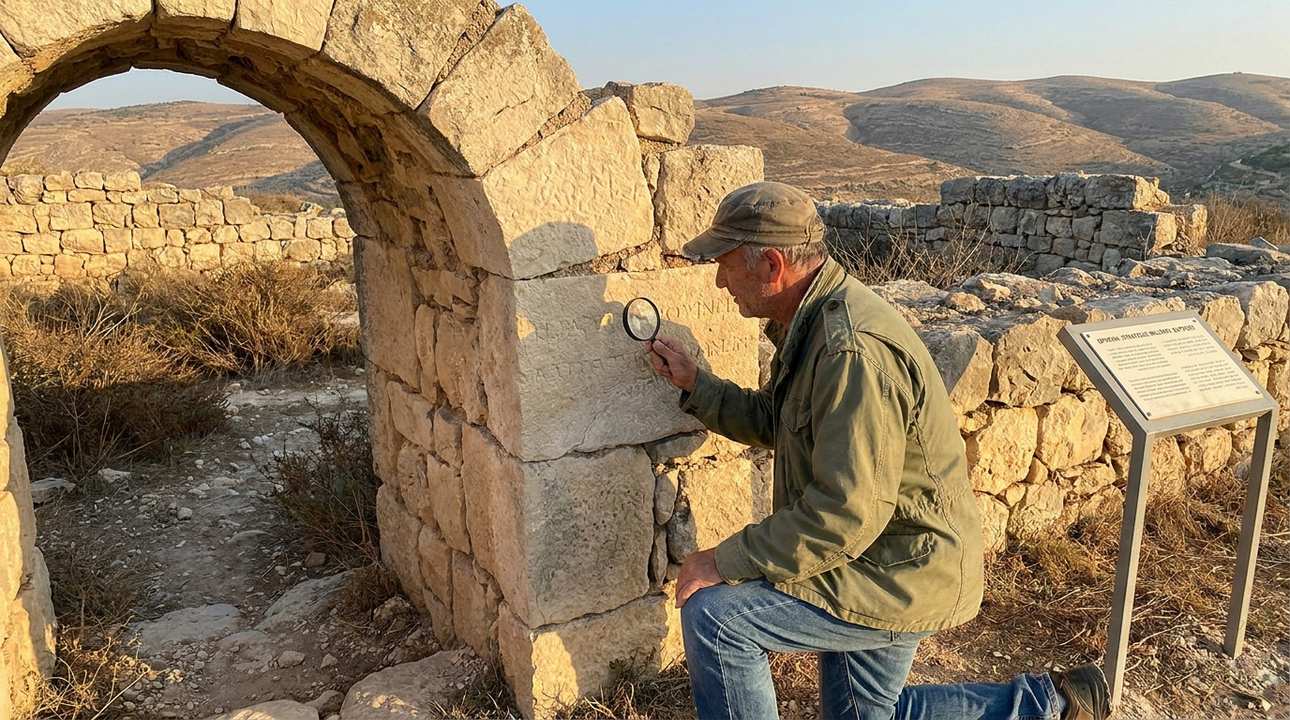
What Was the Role of Ophrah in Historical Events?
Ophrah served as the launching point for a significant campaign. In ancient texts, a leader gathers his army at Ophrah and achieves victory with merely 300 men. This victory is seen as a sign of strategic acumen, illustrating how trust in a higher power can lead to overcoming great odds. The triumph at Ophrah is a powerful example of leadership and strategic acumen, rooted in unwavering faith.
The account of victory at Ophrah emphasizes the importance of guidance and strategic decision-making. By reducing his army to just 300 men, the leader demonstrated a reliance on strategy rather than numbers, showcasing the strength found in conviction.
This story, set in Ophrah, continues to resonate with those who seek inspiration from tales of courage and leadership, reminding us of the potential for success when guided by conviction.
The events surrounding actions at Ophrah reflect broader themes of faith, courage, and redemption. A leader is called to deliver Israel from oppression, beginning his journey at Ophrah.
The site’s narrative emphasizes the power of belief in overcoming overwhelming odds, as the leader famously reduced his army to just 300 men at the command.
Ophrah’s role in these events highlights its part in the unfolding history of Israel during a time marked by turmoil and encounters.
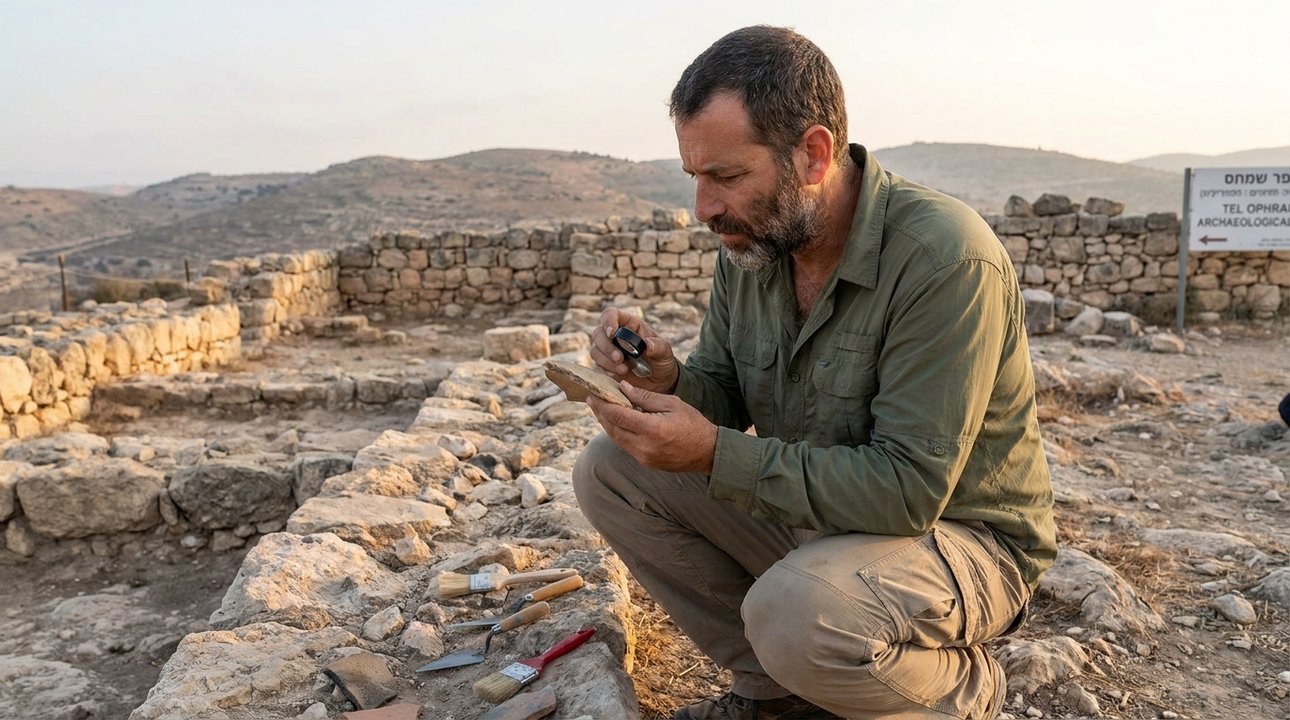
How Is Ophrah Understood Today?
Ophrah’s exact location remains a topic of scholarly debate, with various sites proposed within the region traditionally associated with the tribe of Manasseh. One such proposed site is near modern-day Afula, which lies in the Jezreel Valley, a historically significant area in northern Israel.
The region of Manasseh, where Ophrah is thought to be located, was one of the larger tribal territories in the region, as described in historical texts. Archaeological interest in this area continues to shed light on the cultural and historical context of narratives associated with Ophrah.
Modern interpretations of Ophrah consider its symbolism in the stories of faith and deliverance. For many, it remains a representation of support and the triumph of faith. Ophrah today is part of the mix of historical locations that continue to intrigue scholars and enthusiasts alike. Its story resonates with those who seek inspiration from narratives of courage and resilience, reminding us of the enduring power of faith in overcoming adversity. The leader’s tale is a key example.
A leader, called by an angel at Ophrah to lead the Israelites against the Midianites, underscores the importance of faith in leadership. His actions, such as destroying his father’s altar to Baal, marked a pivotal moment in Israel’s history. Ophrah’s legacy in these narratives highlights its role as a symbol of hope and intervention, encouraging believers to trust in their convictions.
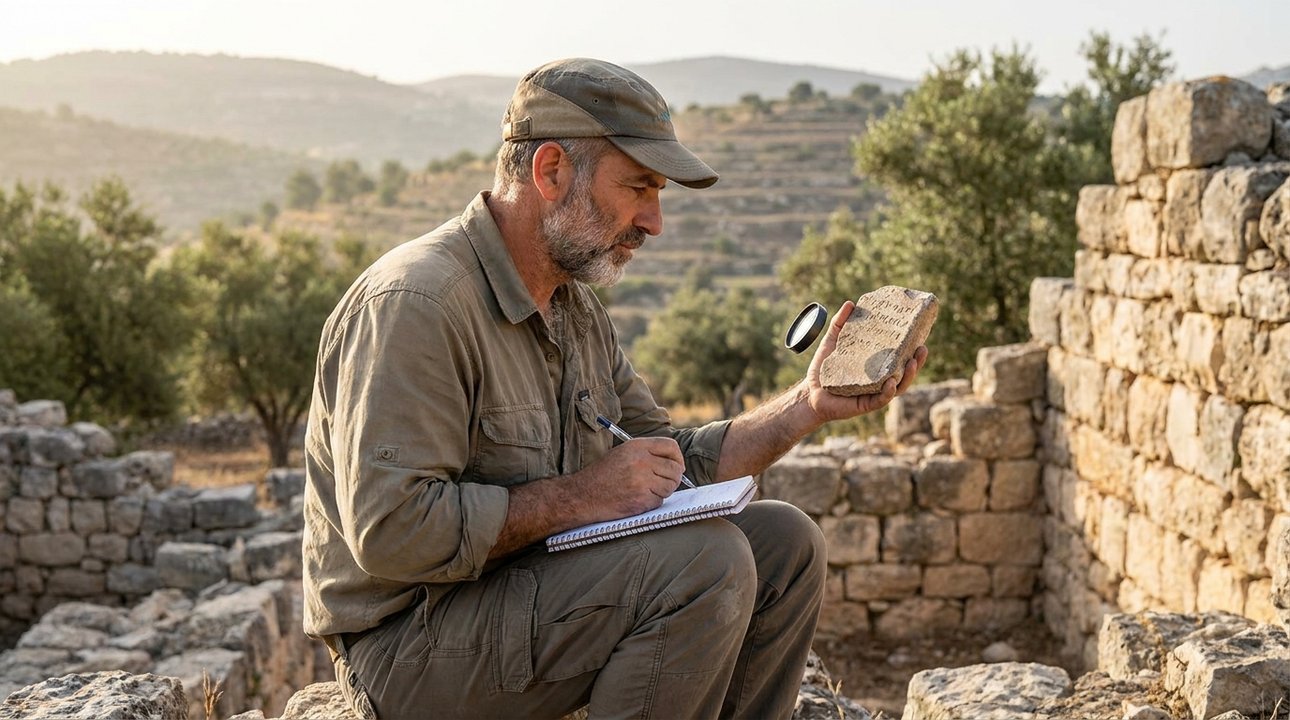
The Etymology of Ophrah
The name ‘Ophrah’ is believed to mean ‘fawn’ or ‘dust,’ reflecting common naming conventions in ancient cultures that often utilized natural elements or animals. Such names might have had symbolic meanings or been indicative of geographic features associated with the site.
For instance, the name could suggest a location abundant with wildlife or a dusty terrain, providing clues to its environment. This naming practice is seen in other historical locations, where names often reflect the characteristics or history of a place.
Understanding the etymology of names like Ophrah offers valuable insights into the cultural and environmental context of historical sites. These names served not only as identifiers but also as reflections of the landscape and the experiences of the people who lived there.
By studying these naming conventions, we gain a deeper understanding of how ancient communities related to their surroundings and recorded their history.
Etymological studies of historical names provide insight into cultural and historical practices of naming, offering a glimpse into how places like Ophrah were perceived and identified in earlier periods. Names often reflect characteristics or events associated with a place.
For example, Ophrah’s meaning as ‘fawn’ or ‘dust’ might indicate its natural surroundings or a significant event that occurred there. Such names served as markers of identity and memory within the community.
The name ‘Ophrah’ could suggest a landscape rich in wildlife or a dusty terrain, providing clues to its environment. This naming practice was common in ancient culture, where names often conveyed deeper meanings or history. Understanding these etymological roots helps us appreciate the cultural and historical context of locations, showing how these places were viewed by their inhabitants and recorded in texts.
from the Western Wall to Masada.
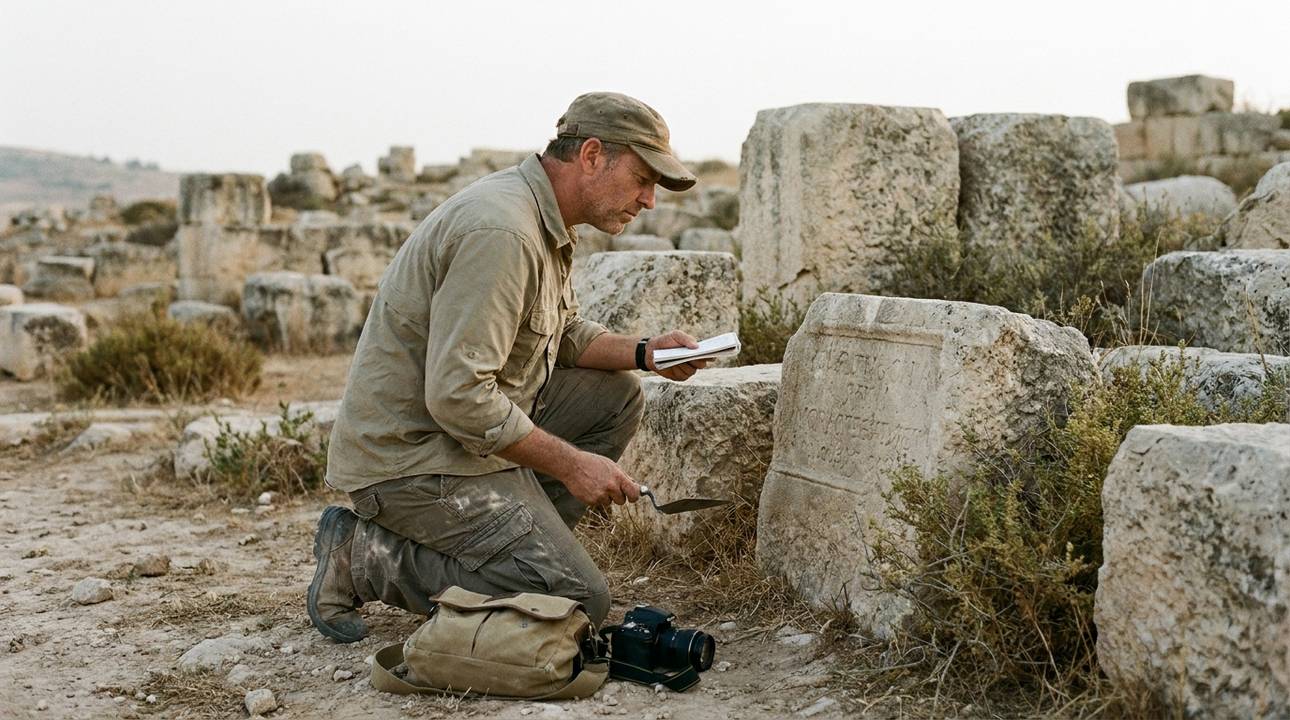
Archaeological Insights on Ophrah
The identification of Ophrah’s site offers intriguing possibilities for archaeologists. Various findings in areas traditionally associated with Manasseh include remnants of walls and structures that could relate to Ophrah.
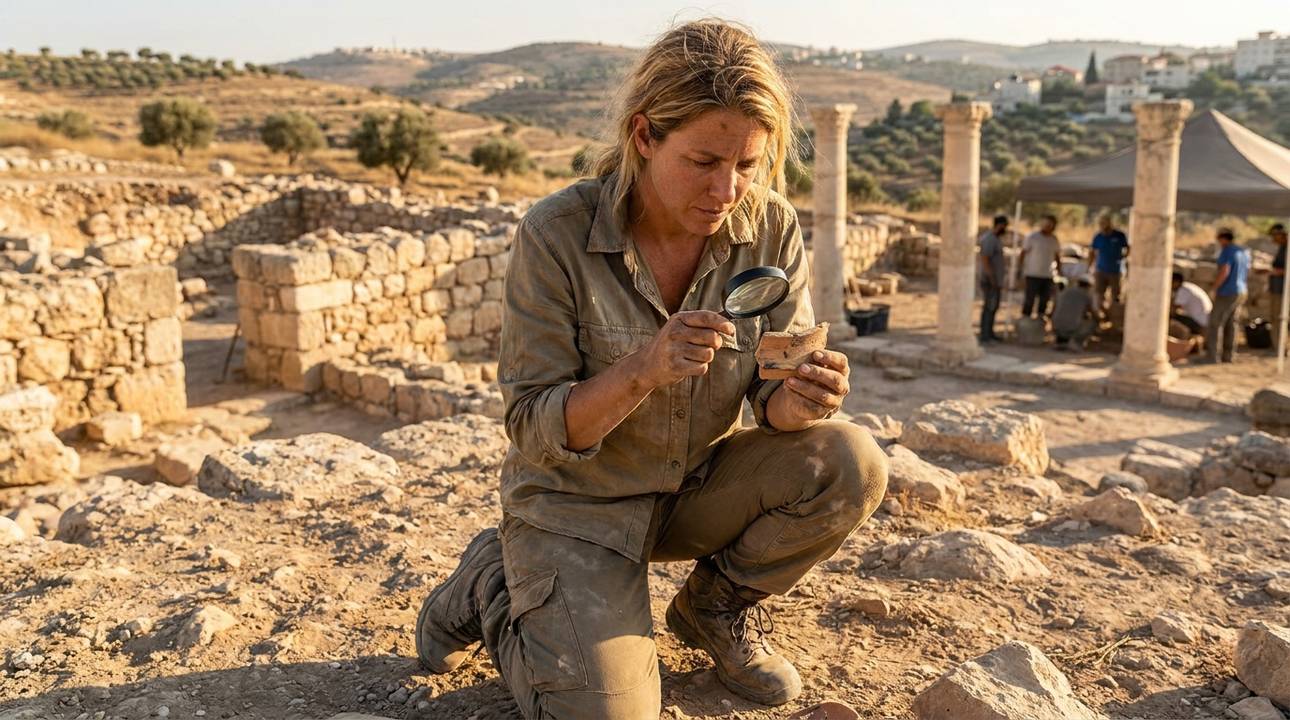
Excavations in these areas have uncovered pottery and artifacts dating back to the Iron Age, providing insights into the daily lives of its inhabitants. Archaeology helps to contextualize accounts, offering tangible connections to stories that have shaped tradition.
Recent archaeological efforts have focused on uncovering the material culture of ancient Ophrah, with discoveries such as Iron Age pottery enhancing our understanding of the period. These findings contribute to a fuller picture of life in historical times, offering a glimpse into the social and economic conditions of the era. By piecing together these artifacts, scholars aim to reconstruct the historical context of Ophrah, deepening our appreciation for its role in narratives.
While definitive conclusions about Ophrah’s location remain elusive, ongoing research and discovery continue to provide valuable insights into the ancient world depicted in texts.
Archaeological efforts in various regions aim to uncover remnants of settlements that could be linked to Ophrah. These investigations often involve examining ancient texts and artifacts to piece together historical contexts.
For example, findings in the area of Manasseh have sparked interest among scholars.
Researchers often refer to historical texts, where Ophrah is mentioned as the home of a significant leader, to guide their explorations. The quest to locate Ophrah is part of a broader effort to understand the historical realities of narratives.
By studying pottery shards and architectural remains, archaeologists hope to establish a clearer picture of life in historical Israel. Such discoveries not only illuminate the past but also enrich our understanding of cultural and religious heritage.
Religious and Cultural Role of Ophrah
Ophrah carries profound significance tied to leadership stories, often serving as a metaphor for perseverance and aid. In cultural memory, it symbolizes the narrative where seemingly insurmountable challenges are met with victories. The defeat of the Midianites with a small army highlights the power of strategy and wisdom. This account is still remembered by those who face their own battles, offering hope and courage.
The victory at Ophrah is not just a tale of military success but a lesson in trusting one’s convictions and the guidance received. It illustrates how faith can lead to unexpected triumphs, encouraging individuals to persevere despite adversity. Ophrah, as a symbol of such victories, remains a beacon of hope for those who draw strength from narratives. Its legacy is still remembered for faith-driven actions and leadership in various contexts.
These cultural narratives contribute to Ophrah’s role as a symbol of determination and the enduring spirit found within stories and Jewish history.
Mentioned in ancient texts, specifically in leadership narratives, Ophrah serves as a backdrop for intervention and victory.
The location is often associated with themes of perseverance, reflecting the broader struggles and triumphs of the Jewish people throughout history. The leader’s battle against the Midianites is a central account.
In this narrative, a leader, with only 300 men, defeats a much larger army, demonstrating the power of strategy and wisdom. Ophrah’s mention in this context highlights its significance as a place where aid and human courage intersect. This story of victory against overwhelming odds is still remembered by those who face their own challenges, serving as a reminder of the strength found in unity and faith.
Conclusion: Ophrah’s Legacy in Historical Tradition
Ophrah’s story extends beyond geographical and historical dimensions, illustrating timeless themes of faith and leadership. As a noted location, Ophrah remains a vital reference in understanding the complex narratives and influences that is still remembered and guide. Its association with leadership highlights the importance of leadership grounded in faith and strategic action, demonstrating how these qualities can lead to transformative outcomes. The leader’s victory is a sign of these principles.
A leader’s strategic acumen and faith are evident when he selects only 300 men to face the Midianites, emphasizing the power of quality over quantity. This decision, made at Ophrah, underscores the significance of guidance in leadership.
The narrative of the leader and Ophrah serves as a powerful reminder of how faith and wisdom can overcome seemingly insurmountable challenges, offering lessons that resonate with leaders and communities today.
Its enduring presence in texts underscores the depth and richness of tradition, where even specific locales contribute significantly to cultural heritage and understanding. Ophrah, mentioned alongside other significant sites like Bethel and Shechem, plays a role in the narrative framework of the Israelites’ journey and settlement in the region. These locations are woven into the fabric of Israel’s history, each contributing to the shared history and identity of the Jewish people.
The significance of Ophrah and similar sites lies in their ability to connect past and present, showing the cultural journey of the Jewish people. By examining these locations, we can better understand the historical context of narratives. Ophrah’s role in these stories highlights its importance as a symbol of faith and perseverance, continuing to inspire those who seek to connect with their heritage and the lessons of history.
Ophrah's Role and Significance
