
Exploring Ramathaim-Zophim: A Place of Historical Legacy


Ramathaim-Zophim, a significant site in history, is known as the hometown of Samuel, a revered figure in the Tanakh. Located in the hill country of Ephraim, this place played an important role in the narratives of the early Israelites.
Samuel’s story begins with his birth and dedication. Through this article, we will delve into the location’s history, its mentions, and its cultural impact over the centuries.
The town’s significance is further noted where Samuel judged Israel, marking it as a center of leadership.
Samuel’s influence extended beyond his lifetime, shaping the spiritual and political landscape of Israel. His role in anointing the first two kings, Saul and David, marked a pivotal moment in Israel’s history as it transitioned from a loose confederation of tribes to a centralized monarchy. The town of Ramathaim-Zophim thus serves as a historical landmark, reflecting the deep roots of Jewish tradition and leadership. Its legacy is still remembered by those who study its history.
from the Western Wall to Masada.

Where Is Ramathaim-Zophim Located?
The site of Ramathaim-Zophim is believed to be in the Ephraim hills, north of Jerusalem. Modern scholarship often identifies it with the area around the present-day town of Ramallah. This region provided a strategically important position.
Its elevation allowed for surveillance of the surrounding areas, making it a key location for defense and communication. Overlooking the surrounding territories, it influenced historical events.
The location is emphasized as a central place in the narratives of Samuel and the early Israelites.
The hill country of Ephraim, with its fertile lands and access to trade routes, played a crucial role in the development of the Israelite tribes. Its strategic position made it a focal point for the tribes of Israel, facilitating communication and trade.
This geographical advantage contributed to its prominence in the narrative, highlighting its significance as a center of leadership and governance. The town’s location and historical context continue to be subjects of interest for scholars and historians alike.
Mentions of Ramathaim-Zophim
Ramathaim-Zophim is best known as the birthplace and home of Samuel. It is mentioned as a location in the land of Zophim in the hill country of Ephraim.
This area, known for its rolling hills and strategic vantage points, provided a fitting backdrop for the events that unfolded in Samuel’s life. The narrative of Samuel’s birth to Hannah, and his eventual rise as a leader, occur in this setting.
Samuel’s mother, Hannah, prayed fervently for a child at the Tabernacle in Shiloh. Her prayer was answered, and Samuel was dedicated to serve at the Tabernacle, marking the beginning of his journey as a leader.
The site’s association with Samuel gives it a place of honor in the text, reflecting its spiritual and historical relevance. Samuel’s leadership and guidance during a tumultuous time in Israel’s history further underscore the significance of Ramathaim-Zophim in the narrative. The town’s role as a center of leadership and guidance is a sign of its legacy. Its association with such a pivotal figure in Jewish history highlights its importance as a site of history.
Cultural Impact and Archaeological Insights
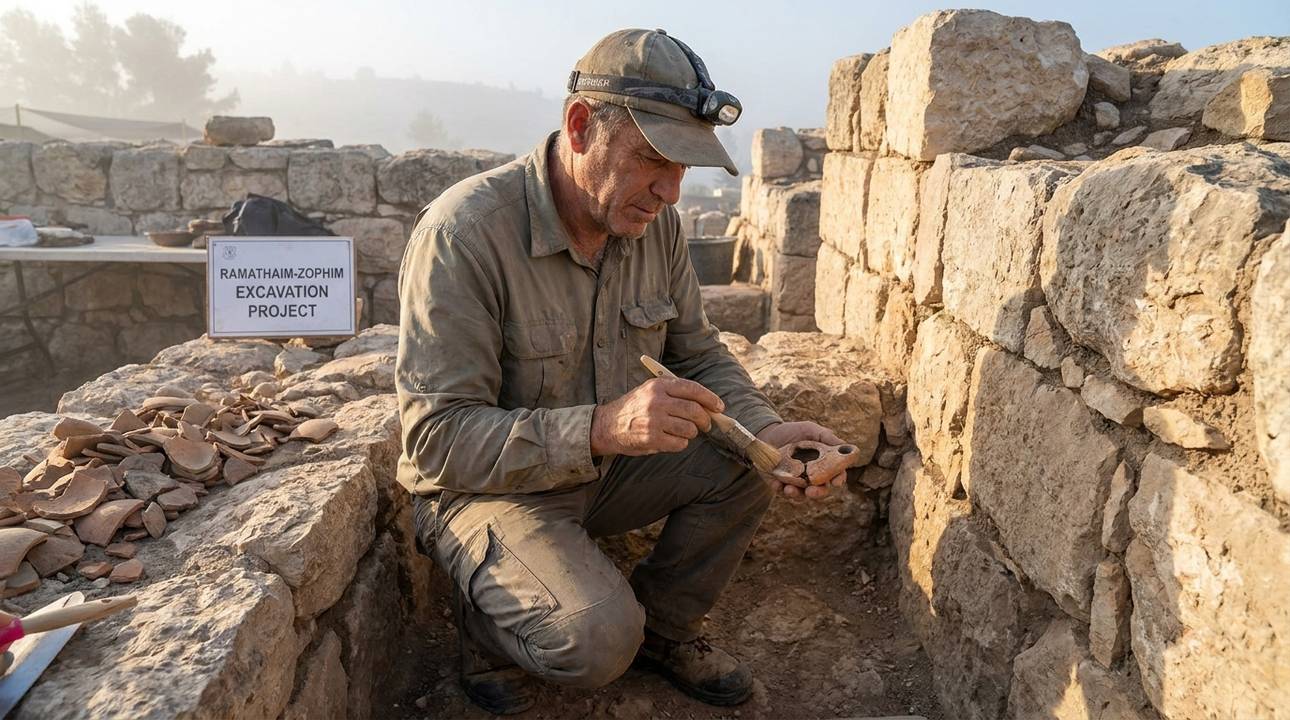
Over the years, Ramathaim-Zophim has drawn interest from scholars and archaeologists aiming to uncover remnants of its past. While archaeological evidence directly linking the town to Samuel remains limited, the area’s consistent habitation highlights its significance throughout the ages.
The region’s strategic location in the Ephraim hills provided a natural defense and a vantage point for observing surrounding territories. These studies contribute to our understanding of life in the past and the role such towns played in narratives.
Archaeologists have discovered artifacts from various periods, indicating continuous settlement and cultural exchanges. The ongoing research helps piece together the daily lives of the inhabitants and their interactions with neighboring regions.
By examining pottery, tools, and other remnants, scholars gain insights into the economic and social structures of the time, enriching our appreciation of the historical context in which events unfolded.
Ramathaim-Zophim in Jewish Tradition
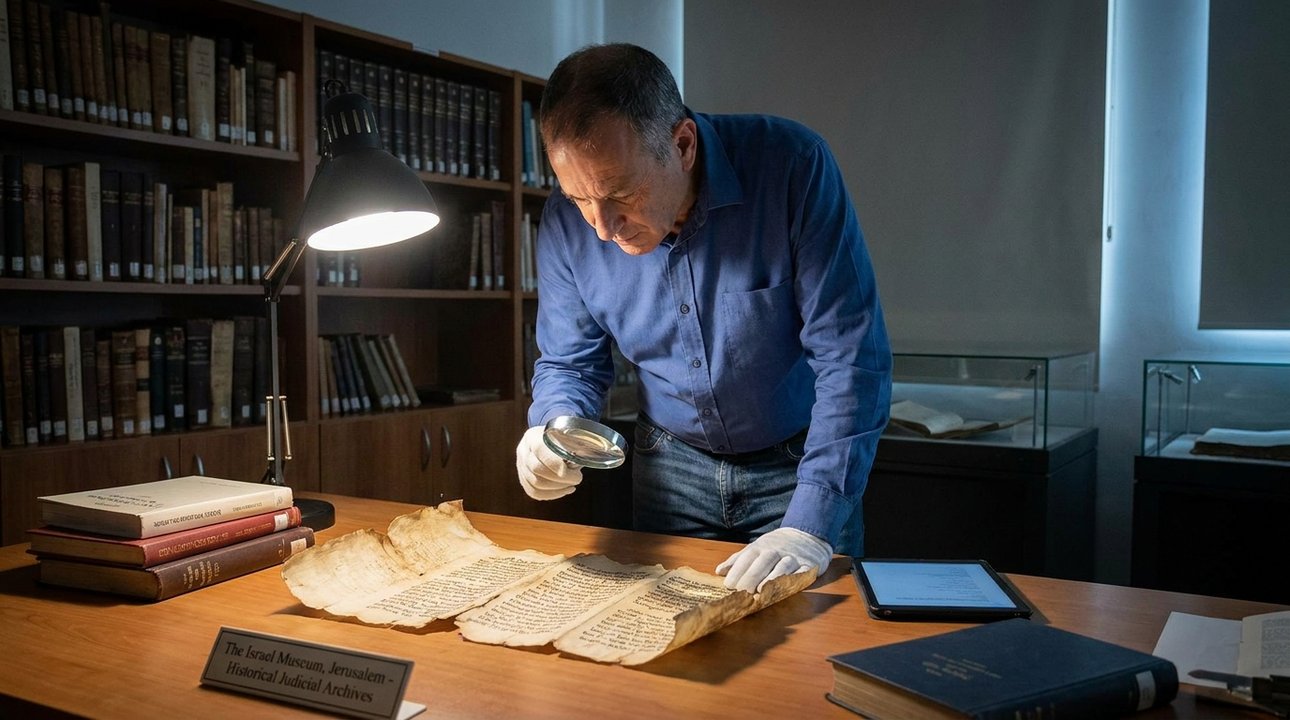
In Jewish tradition, Ramathaim-Zophim holds a place of reverence due to its connection to one of the most influential figures. Samuel’s work in establishing leadership and guiding the people is frequently remembered. His role as a judge and leader is detailed. The narratives of Samuel ruling from this town reflect its importance in communal and spiritual life. His efforts in uniting the tribes and leading them against adversaries are chronicled, showcasing the town’s history. Samuel’s leadership helped to unify the Israelites during a period of fragmentation and external threats.
Samuel’s influence was not only in military matters but also in spiritual guidance. He called the people to return to their faith and abandon foreign idols. This spiritual renewal was crucial in strengthening the community’s resolve and identity. The town’s role as a center of leadership and faith is further emphasized by Samuel’s establishment of a circuit of judgeship. This system of governance helped maintain justice and order, reinforcing the town’s important role in Israel’s history.
Symbolic Meanings and Legacy
Ramathaim-Zophim symbolizes leadership and prophecy within the historical context. Samuel, who was dedicated here, exemplified these themes throughout his life. Hannah’s vow and Samuel’s upbringing in the service of the Tabernacle are pivotal moments that shaped his destiny as a leader. His influence extended beyond his lifetime, and Ramathaim-Zophim remains a symbol of his legacy in Jewish history. Samuel’s role in anointing the first kings of Israel underscores his important role in shaping the nation’s future.
from the Western Wall to Masada.
Samuel’s actions laid the foundation for the monarchy, influencing the course of Israel’s history. His leadership in uniting the tribes and guiding them through periods of turmoil is a sign of his profound impact. The town’s association with such a pivotal figure in Jewish history highlights its importance as a site of spiritual and history. Ramathaim-Zophim is still remembered those who study its history, offering lessons in leadership and faith that remain relevant today.
Ramathaim-Zophim Today
Today, the area that once was Ramathaim-Zophim lies within a region rich with history. Though it faces modern complexities, its past continues to deepen the cultural and historical ties of those who study or visit. Efforts to preserve and understand the history of such sites reflect the continued interest. These efforts are supported by archaeological studies and historical research, which aim to uncover more about the era. This ongoing exploration helps maintain the connection to the heritage of the land. Discoveries in the area contribute to a deeper understanding of the cultural and historical context of the narratives.
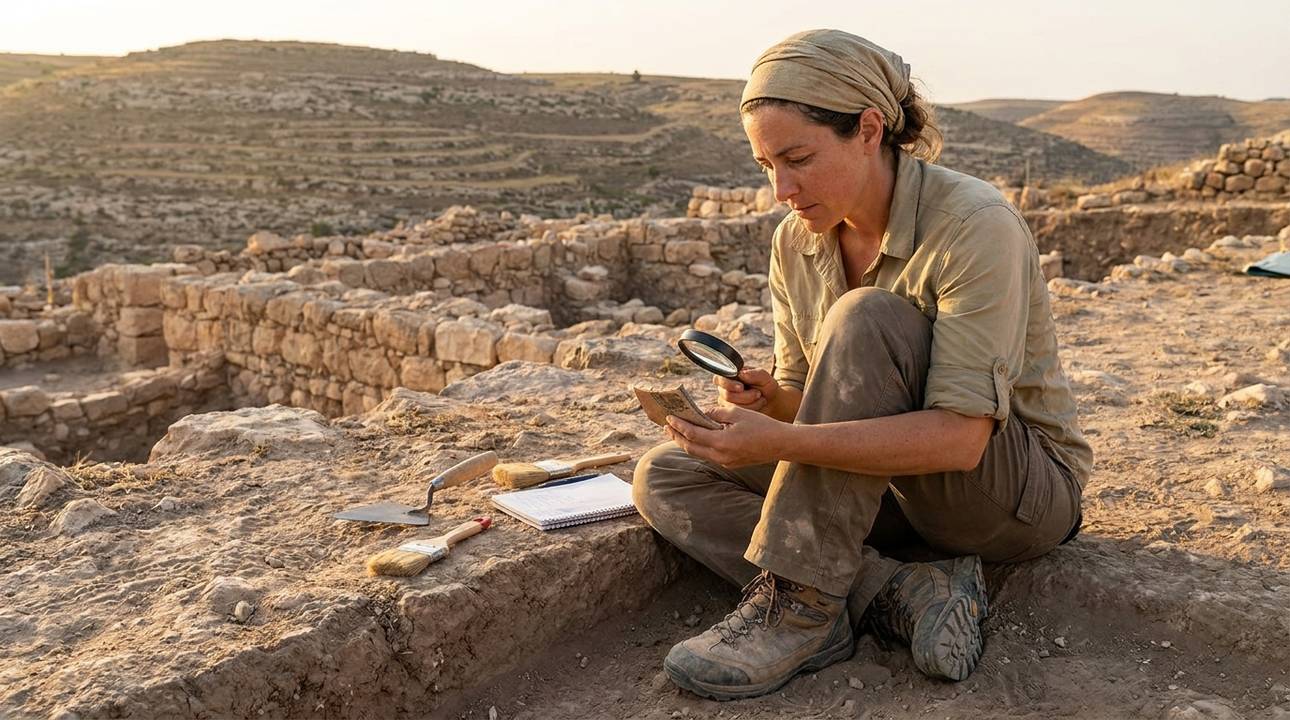
Archaeological excavations in the region have uncovered artifacts that provide insights into the daily lives of its ancient inhabitants. These findings, including pottery and tools, help paint a picture of the community that once thrived here. Such discoveries not only enrich our understanding of the past but also highlight the legacy of Ramathaim-Zophim. The area’s history continues to attract scholars and visitors alike, eager to explore the roots of history and its impact on modern culture.
Conclusion: the Importance of Ramathaim-Zophim
The story of Ramathaim-Zophim is intricately tied to the spiritual and historical mix of the Jewish people. Its connection to Samuel strengthens its place in literature, while its lessons in leadership and faith are still remembered. Samuel’s role as a judge and leader showcases his influence in guiding the Israelites through challenging times. Whether explored through tradition or archaeological study, Ramathaim-Zophim offers insights into the region’s past, inviting ongoing reflection and appreciation. The town’s legacy is a sign of the values of leadership and faith that Samuel embodied, which remain relevant to this day.
Samuel’s influence extended to the anointing of kings, a critical step in Israel’s transition to monarchy. His anointing of Saul as the first king marked a new era in Israelite governance. This act not only demonstrated Samuel’s important role in shaping the nation’s future but also underscored the town’s significance as a center of guidance and leadership. The lessons from Ramathaim-Zophim continue to resonate, offering wisdom on leadership and faith.
Ramathaim-Zophim stands as a sign of the rich narratives. It offers a window into the lives and events that have shaped the Jewish faith and identity. This site is described as the home of Elkanah, Samuel’s father. Elkanah’s lineage and his role in the community highlight the town’s significance in the story. The town’s significance is further highlighted where Samuel judged Israel and built an altar. These stories continue to resonate, reflecting the profound impact of figures and events on Jewish heritage.
Samuel’s leadership and dedication to justice and faith are enduring themes that are still remembered by those who study these ancient texts. His role in guiding the Israelites through times of challenge and change is a sign of his profound influence. The town’s legacy as a center of leadership and justice underscores its importance in the narrative. Ramathaim-Zophim remains a symbol of the enduring values of faith and leadership, offering lessons for those who seek to understand its history.
Ramathaim-Zophim Details
