
Exploring Cyrene: A Historical Overview
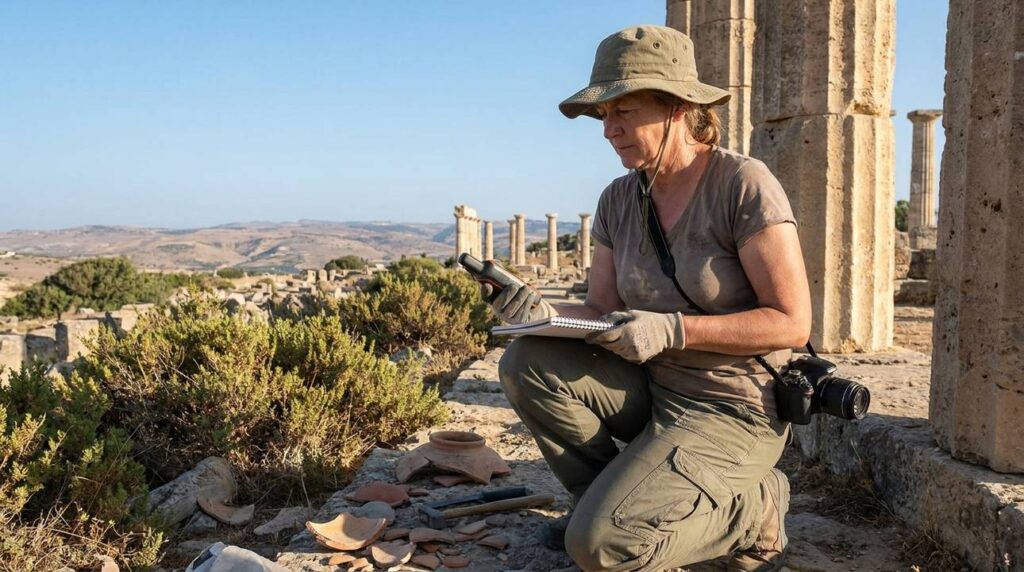

Cyrene was an influential city in North Africa, located in present-day Libya. It played a significant role in trade and culture during its peak. The city is remembered for its involvement in notable historical events.
This article explores Cyrene’s geographical setting, its historical context, and its role as a hub of commerce and cultural exchange.
Where Was Cyrene Located?
Cyrene was situated in the northeastern part of modern Libya. This ancient city was a notable Greek colony in North Africa, recognized for its fertile land and strategic position. It was founded around 631 BCE by settlers from Thera, who established a successful city.
Its location on the Mediterranean made it an essential port for maritime trade routes connecting Africa, Europe, and Asia, enhancing its role as a cultural and economic bridge. The city’s position provided access to the rich agricultural lands of the Cyrenaica region.
The founding of Cyrene is credited to Battus, the leader of the settlers from Thera, who established the city as a center of Greek culture in North Africa. Under his leadership, Cyrene flourished, attracting settlers and traders from across the Mediterranean.
The city’s prosperity was further enhanced by its control over the trade of silphium, a highly sought-after plant for its medicinal properties. This control allowed Cyrene to wield considerable economic influence in the ancient world.
Cyrene’s Role in Ancient Trade
As a major trade center, Cyrene thrived by exchanging goods such as grain, wine, and silphium—a plant highly valued in antiquity. Silphium was so prized that it was depicted on Cyrene’s coins. The city’s economy was based on agriculture and commerce. Its ports facilitated exchanges between different cultures, making Cyrene a place of diversity and innovation, connecting it to regions as far as Egypt and Greece. The trade routes that passed through Cyrene were vital for the distribution of goods across the Mediterranean.
Cyrene’s strategic location on the Mediterranean coast allowed it to become a hub for maritime trade. Ships from Greece, Egypt, and other parts of the ancient world docked at its ports, bringing with them not only goods but also ideas and cultural practices.
This exchange of goods and ideas contributed to Cyrene’s reputation as a center of learning and culture, attracting scholars and philosophers from across the ancient world. The city’s prosperity was reflected in its impressive architecture and public buildings, which were funded by the wealth generated from trade.

Historical References to Cyrene
Cyrene is noted in historical records, where Simon of Cyrene is mentioned as the man who helped carry the cross. This reference highlights the city’s historical presence during significant events. The mention in these texts suggests a diverse community, including Jews who had settled there, adding to its historical relevance.
Historical records indicate that Cyrene had a significant Jewish population, which played a role in the cultural and religious life of the city. This diversity is also reflected in the archaeological findings, which include synagogues and inscriptions in Hebrew.
The presence of a Jewish community in Cyrene is further supported by references in historical texts, which mention Cyrenian Jews participating in religious festivals in Jerusalem. This connection to the broader Jewish diaspora highlights the city’s importance as a center of cultural and religious exchange.
Overall, Cyrene’s mention in historical records underscores its role as a crossroads of cultures and a significant site in the ancient world.
The Cultural Influence of Cyrene
Culturally, Cyrene was enriched by Greek, Roman, and local influences. It was a center of learning, known for its academies and philosophical schools. The city was home to the Cyrenaic school of philosophy, founded by Aristippus, a student of Socrates.
Figures like Synesius of Cyrene, a bishop and philosopher, contributed to its intellectual legacy, merging philosophical ideas with cultural expressions. The city’s academies attracted scholars from across the Mediterranean, fostering an environment of intellectual exchange.
The Cyrenaic school of philosophy emphasized the pursuit of pleasure as the primary goal of life, a concept that influenced later philosophical movements. This school, along with others in Cyrene, played a crucial role in the development of Hellenistic philosophy.
In addition to philosophy, Cyrene was known for its contributions to science and mathematics, with scholars making advancements in fields such as astronomy and geometry. This intellectual vibrancy made Cyrene a beacon of knowledge in the ancient world.

Archaeological Discoveries in Cyrene
Several archaeological excavations have unearthed temples, theaters, and basilicas that showcase the grandeur of Cyrene. Notable sites include the Temple of Zeus, one of the largest in Africa, reflecting the city’s Greek heritage. These structures tell the story of a rich history. The findings provide insights into the architectural and societal norms of the time, reflecting Cyrene’s status as a historical treasure. The city’s theater, capable of seating thousands, highlights its role as a center of cultural life.
The Temple of Apollo, another significant site, dates back to the 7th century BCE and serves as a reminder of Cyrene’s early Greek influence. This temple, along with others, was central to the religious and social life of the city, hosting festivals and ceremonies that drew participants from across the region.
The basilicas and other public buildings reveal the city’s adaptation to Roman architectural styles, illustrating the blend of cultures that characterized Cyrene throughout its history.
Cyrene in Present-Day Libya
Today, the remnants of Cyrene are a sign of its storied past. Located within a region that once thrived as a center of civilization, these ruins offer glimpses into its prominent role in history. Among the ruins, visitors can find the Temple of Apollo, which dates back to the 7th century BCE, showcasing the city’s early Greek influence. Cyrene stands as a reminder of the interplay between different cultures and the enduring influence of its ancient inhabitants. The city’s ruins, including the agora and the necropolis, provide insights into the daily lives and spiritual practices of its people.
The archaeological findings at Cyrene, such as the statues and inscriptions, reveal a society that valued art and literature. The city’s library was one of the most significant in the ancient world, rivaling those of Alexandria and Pergamon. This emphasis on knowledge and culture underscores Cyrene’s role as a beacon of learning and creativity.
In summary, Cyrene’s ruins not only reflect its architectural grandeur but also its intellectual and cultural achievements, making it a vital part of our shared human heritage.

The Heritage of Cyrene
Cyrene’s legacy continues to be studied and celebrated, showcasing its role as a mix of various ancient cultures. For instance, the city was home to a blend of Greek, Roman, and local influences, each contributing to its diverse history. Its history offers valuable lessons about cultural interaction and coexistence. As a site that witnessed significant historical events, Cyrene maintains its place in the annals of history. The historical mention of Cyrene further emphasizes its history.
The city is also noted for its contributions to philosophy and science, with the Cyrenaic school of philosophy founded by Aristippus, a student of Socrates. This school emphasized the pursuit of pleasure and happiness as the primary goals of life. Cyrene’s intellectual legacy, therefore, extends beyond its physical ruins, influencing philosophical thought for generations.
In essence, Cyrene remains a symbol of the enduring power of cultural exchange and intellectual pursuit, offering insights into the complexities of ancient societies.
Connecting with Cyrene’s Heritage
Through Lev Haolam, you can connect with the cultural heritage of places like Cyrene. This ancient city, mentioned in historical texts, offers an understanding of a past where Greek, Roman, and local influences intertwined. By engaging with the cultural narratives, you help preserve the legacy of small family businesses. These unique gifts bring stories of the past to life, much like the tales of Cyrene’s diverse culture. These gifts serve as a link between past and present, connecting you to the history of the region.
The artisans supported by Lev Haolam carry forward the traditions of craftsmanship that have been passed down through generations. By choosing these products, you become part of a story that spans centuries, from the ancient streets of Cyrene to modern times. In essence, engaging with Lev Haolam means preserving the cultural and historical narratives that have shaped our world, ensuring that they continue to educate future generations.
Understanding Cyrene
