
Uncovering the Significance of Maacah in the Bible


Maacah is known in historical records both as a person and a place. In the Bible, Maacah is mentioned in various contexts, such as being the mother of Absalom, one of David’s sons, who rebelled against him. The region of Maacah, near the northern borders, was strategically significant. Located near the Golan Heights, it provided a vantage point over surrounding areas. This article explores Maacah’s historical aspects, focusing on its role and relevance. The strategic location of this region made it central in military campaigns involving David and his successors.
What Is Maacah in the Bible?
Maacah is mentioned in historical texts as a region bordering Aram and as a royal name. The first reference to Maacah as a place is in the narrative of David. Situated near the Sea of Galilee, it was a small Aramean kingdom. In historical accounts, Maacah is cited as an ally in coalitions against David’s forces. This involvement influenced the region’s political landscape. Additionally, a queen named Maacah, mother of Asa of Judah, signifies the complex intermarriages among ancient kingdoms.
from the Western Wall to Masada.

Who Were the People of Maacah?
The people of Maacah were likely part of Aramean tribes, known for their distinct identity. Studies suggest they were familiar with warfare and diplomacy. Historical texts mention their role in regional conflicts, such as alliances with Aram against Israel. This reflects the intricate relations among territories, showcasing their diplomatic skills. The Maacahites’ ability to engage in such diplomacy speaks to their political acumen.
Their involvement in battles against David’s forces shows their strategic importance. The Maacahites’ alliances with powerful neighbors like the Ammonites and Arameans illustrate their diplomatic skills. Historical accounts describe how these alliances countered Israel’s military strength. Such alliances were crucial for survival, where shifting power dynamics often dictated the fate of smaller regions. This provides insight into the political landscape of the time, where smaller entities like Maacah navigated larger regional conflicts. These alliances were not only military but also economic, as trade routes were vital for prosperity.
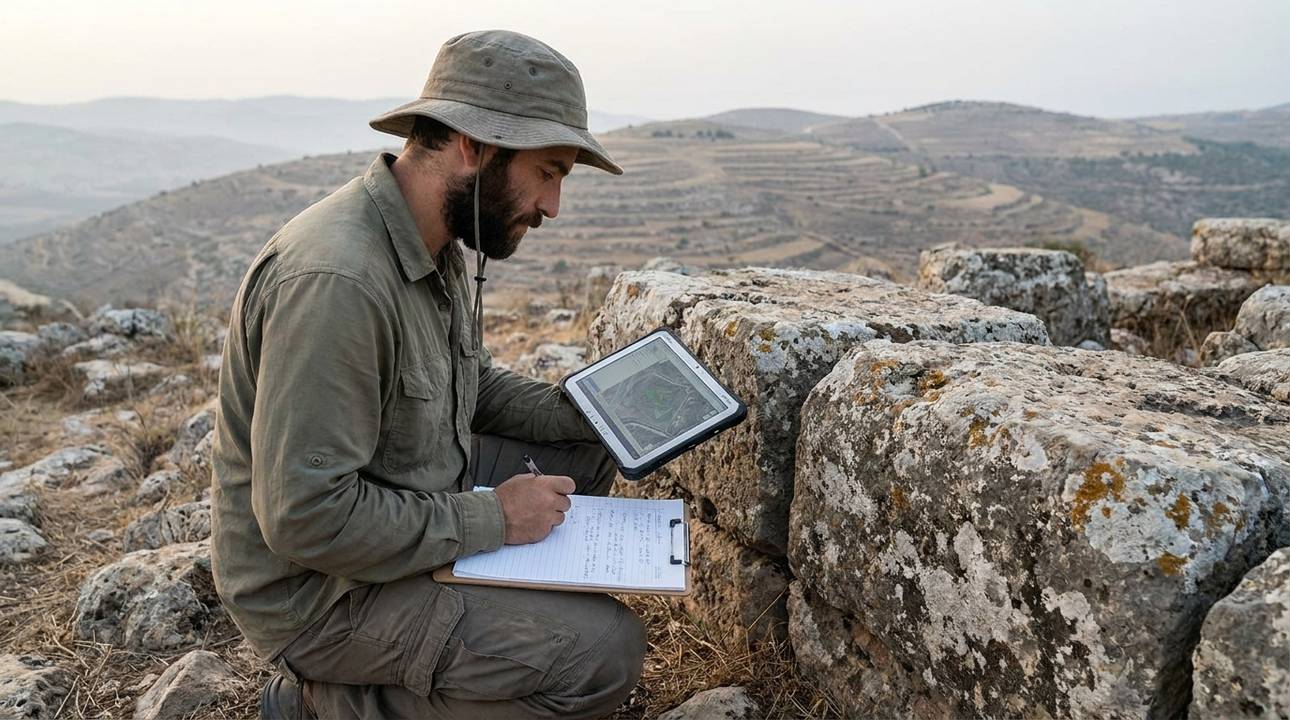
Maacah’s Role in Historical Narratives
Maacah’s role in historical stories often highlights political tension and familial ties. The inclusion of Maacah in texts illustrates its strategic importance in alliances. Asa’s mother, Maacah, is mentioned in accounts where she is removed from her position due to idolatry. This suggests a blend of political and familial strategies in royal lineages, often involving marriages to secure power.
Moreover, Maacah’s interactions offer an understanding of the socio-political landscape during the monarchic period, reflecting on alliances that shaped history. The region’s alliances highlight the balance of power during this era. Narratives involving Maacah provide insights into challenges faced by smaller regions in maintaining autonomy. These stories also show the role of women in political spheres, as seen in Maacah’s descendants. The portrayal of Maacah underscores its multifaceted role in history.
Geographical Context of Maacah
Geographically, Maacah was located near the Sea of Galilee, close to Geshurite and Aramean territories. This location was strategic for trade routes and military movements, influencing its historical importance. The region’s access to the Jordan River Valley facilitated trade and communication. Proximity to significant locations provided both opportunities and challenges. It allowed Maacah to play a role in alliances, as seen in conflicts involving David. Understanding Maacah’s geography helps explain its significance. The terrain also provided natural defenses against invaders.
The strategic location of Maacah facilitated its involvement in politics and trade. Its position near key trade routes enabled cultural exchanges and economic interactions, contributing to its relevance. Trade routes connected Maacah to major cities like Damascus and Tyre. The geographical context sheds light on Maacah’s role in narratives, illustrating how location influenced activities. This enhances our understanding of ancient societies’ interconnectedness. The region’s resources, like fertile land and water access, also played a role in economic activities.
The Historical Impact of Maacah
Maacah’s impact on history is tied to its alliances and conflicts. The coalition with Aram against Israel marked a significant moment in politics. This coalition was part of a larger conflict involving the Ammonites, resisting dominance. This event highlights the complexities of ancient alliances, showing Maacah’s influence despite its size. The strategic decisions suggest a nuanced understanding of power dynamics, providing insights into regional relations. The ability of smaller regions like Maacah to influence larger events is noteworthy.
from the Western Wall to Masada.
Exploring Maacah’s impact offers a perspective on the influence of smaller regions on events. The alliances formed demonstrate the interconnectedness of societies and shared interests. These often involved mutual defense and economic cooperation. By studying these interactions, historians understand the political landscape and Maacah’s role in shaping history. This examination enriches our appreciation of ancient politics. The role of smaller regions in larger events is a sign of strategic importance.
Maacah in Modern Understanding
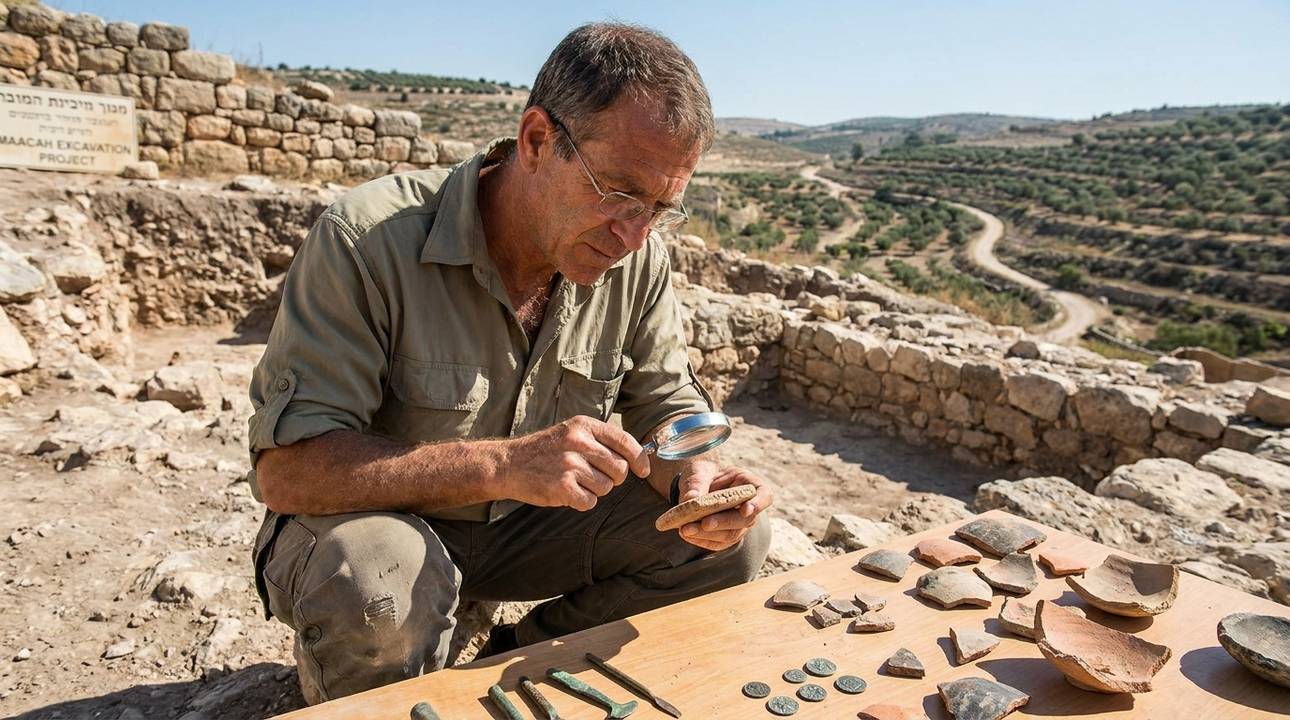
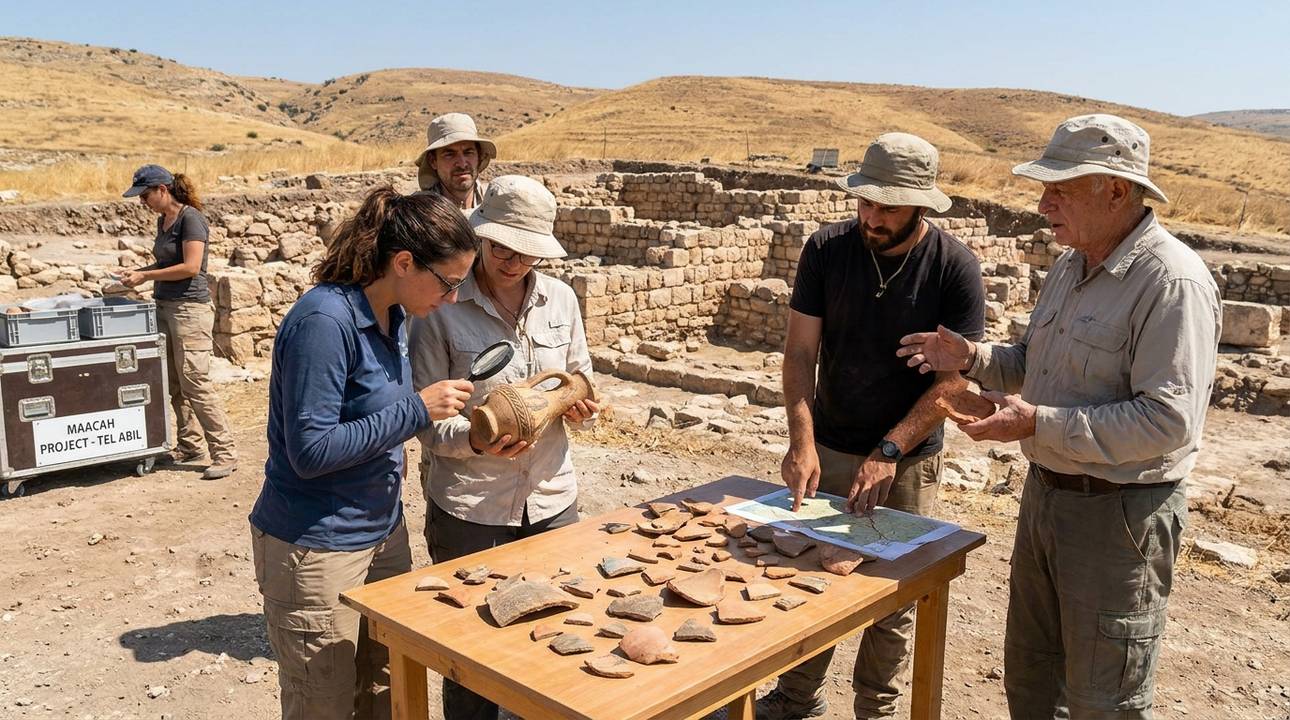
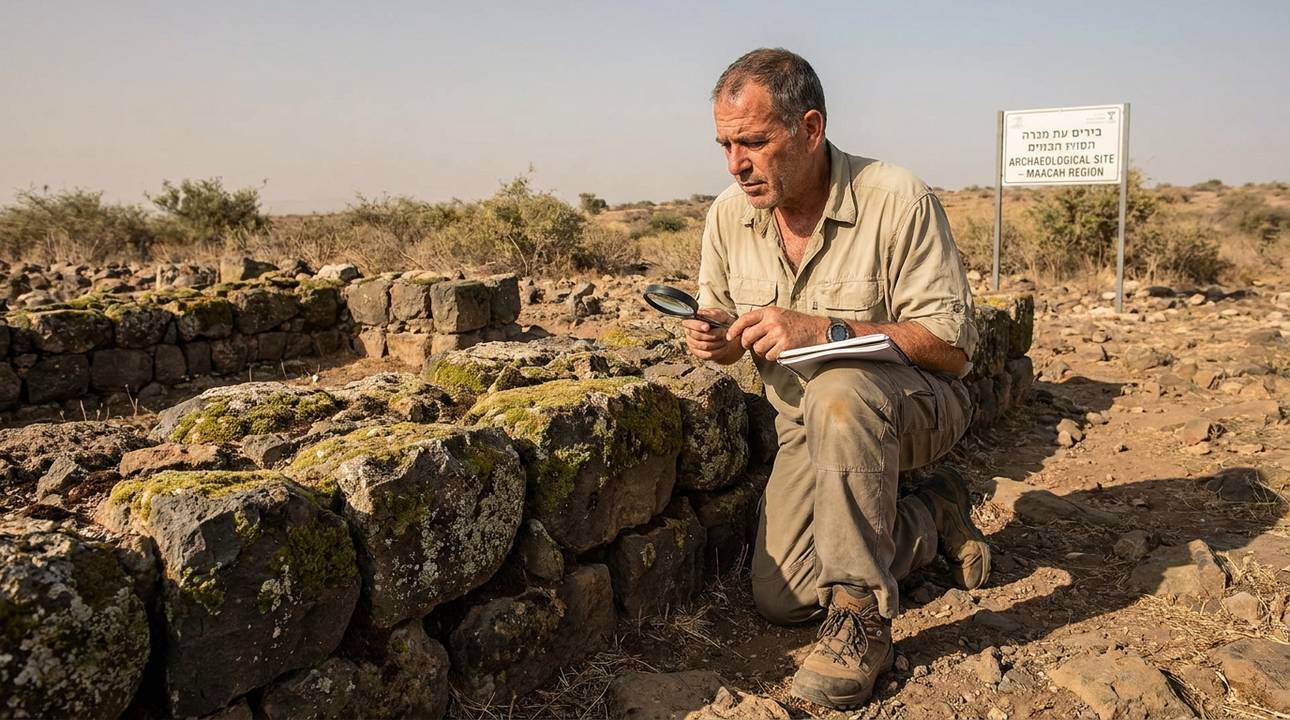
Today, Maacah is remembered through historical mentions. Archaeological evidence, like pottery and settlement remains, provides clues about its culture. Excavations have unearthed artifacts from the Iron Age, shedding light on inhabitants’ lives. Modern scholars analyze accounts to piece together Maacah’s history. The continued interest underscores exploration of history, relying on textual analysis and archaeological discoveries. These efforts aim to reconstruct the socio-political landscape.
This understanding paints a fuller picture of Maacah’s place in history, highlighting interactions with regions. Scholars compare Maacah’s artifacts with nearby territories to understand its identity. Comparisons reveal similarities in pottery and architecture. The study contributes to a deeper understanding of the ancient Near East, providing context for narratives mentioning Maacah. Ongoing research reveals new insights into its people’s lives. As more discoveries are made, understanding of Maacah’s role becomes clearer.
Cultural Legacy of Maacah
The cultural legacy of Maacah is enshrined in its portrayal and historic events. As a royal family name, Maacah appears in lineages of figures like Absalom and Tamar. Tamar’s story, involving her encounter with Amnon, is a poignant narrative. This reflects its cultural role and the weaving of familial and political narratives. Maacah’s legacy offers a lens through which scholars explore ancient cultures, enriching understanding of the past. The region’s influence on genealogy is notable.
Maacah’s legacy represents broader cultural dynamics in historical narratives. The region’s alliances and conflicts illustrate ancient Near Eastern politics’ complexities. For example, Maacah’s alliance with Aram and the Ammonites against David’s forces is documented. Examining Maacah’s role provides insights into social and political structures. This exploration helps illuminate ancient societies’ interconnectedness and shared heritage, influencing modern history understanding. The alliances reveal the intricate relationships characterizing the ancient Near East.
Connection to Modern Heritage
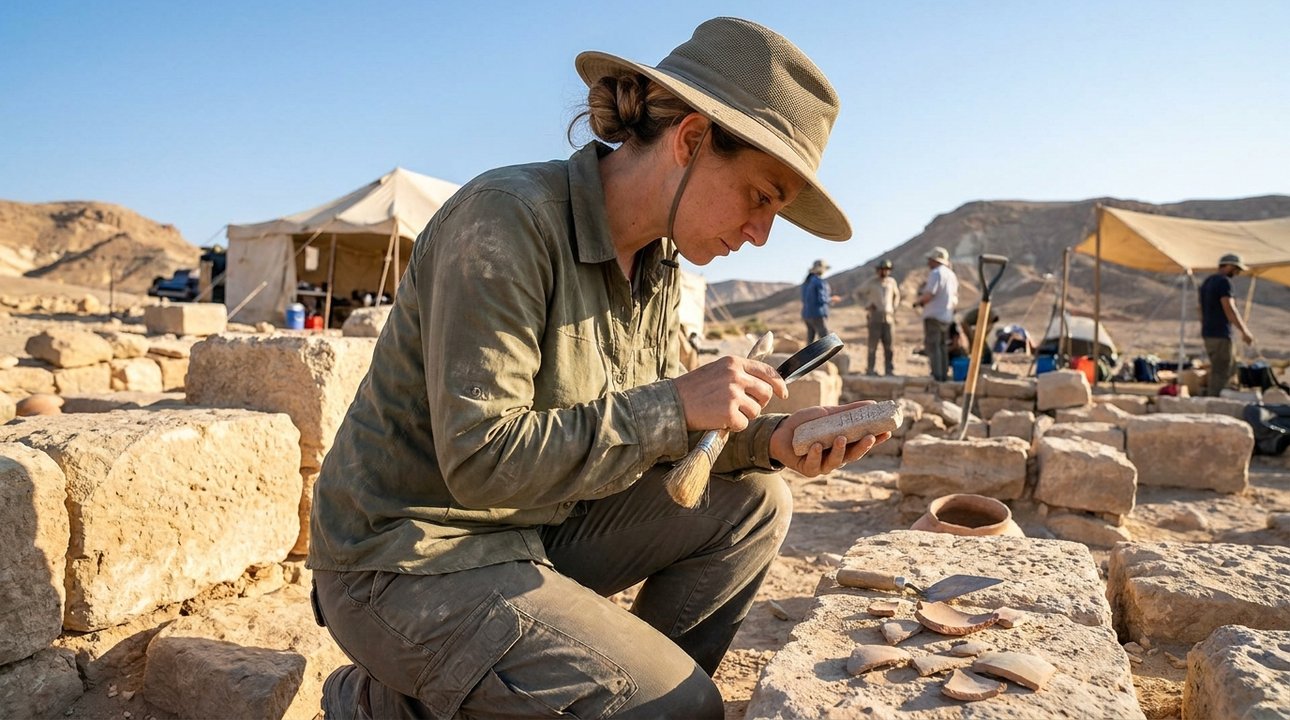
While Maacah as a kingdom no longer exists, its mention in texts connects it to the region’s enduring heritage. Historical narratives involving Maacah contribute to its historical significance. Today, history enthusiasts explore regions like Maacah through scholarly work and heritage projects. The stories of Maacah intertwine with the larger narrative of the region’s past, offering insights into the diverse cultures shaping the area. This connection between places like Maacah and modern heritage efforts underscores ongoing exploration and appreciation of history.
Maacah in the Bible
