
Unveiling the Chebar Canal: A Historical Journey


The Chebar Canal is a significant location mentioned in historical texts, particularly in the context of the Babylonian exile. Known as the setting for many of Ezekiel’s visions during this period, it plays a crucial role in understanding prophetic history. This setting marks the beginning of his prophetic journey.
In this article, we delve into its geographical context and background. By exploring these aspects, we gain a deeper appreciation for the canal’s role in shaping the narratives of exile and revelation. Our subscription service offers a curated selection of 6-8 products, and the contents vary to provide a unique experience each time.
The Chebar’s role in Ezekiel’s life underscores its importance in historical narratives. As a place of exile, it provided a setting for insight and reflection.
Ezekiel’s visions by this canal highlight its significance as a site of insight and guidance. This exploration offers a window into the enduring power of hope and the promise of renewal amidst adversity.
from the Western Wall to Masada.
What Is the Chebar Canal?
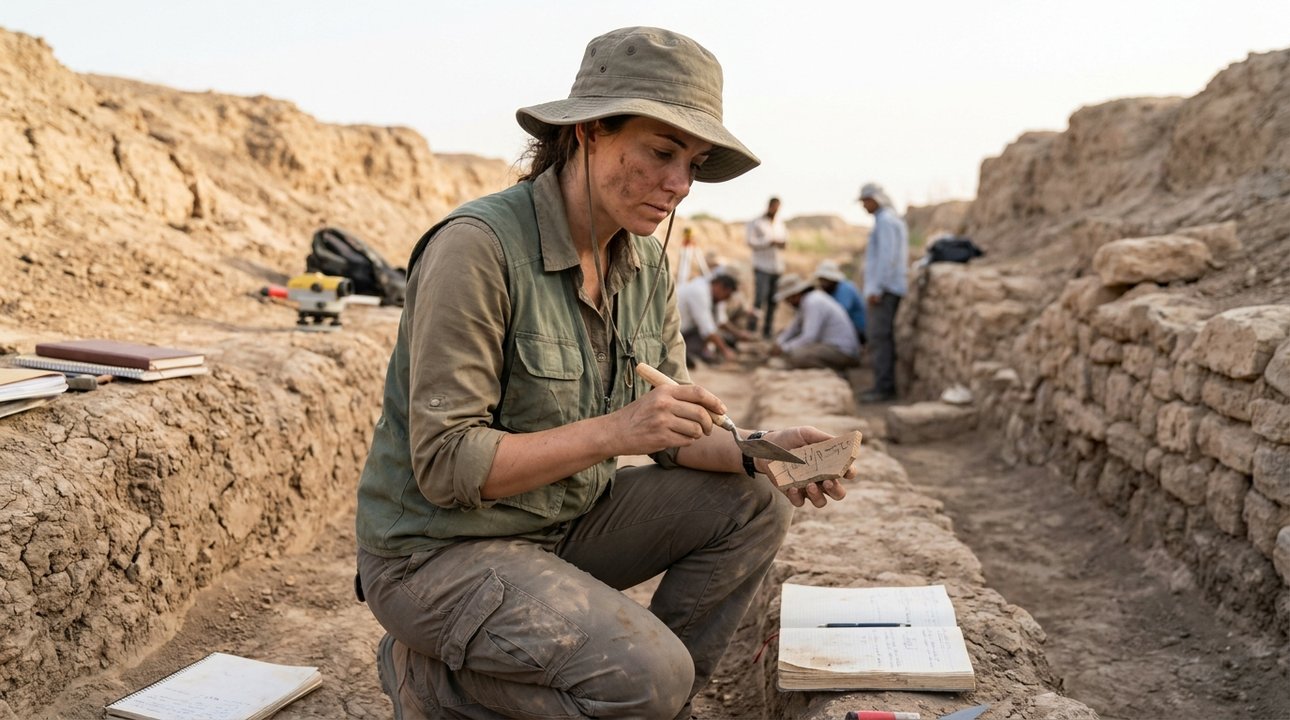
The Chebar Canal refers to a river mentioned in historical texts where the prophet receives his visions. Situated in Babylonia, near modern-day Iraq, its exact location remains uncertain. It is often associated with the Kibar or Kebar canals, vital for irrigation.
This association with waterway systems highlights its importance in sustaining communities, illustrating how the canal served as a backdrop for reflection during the exile.
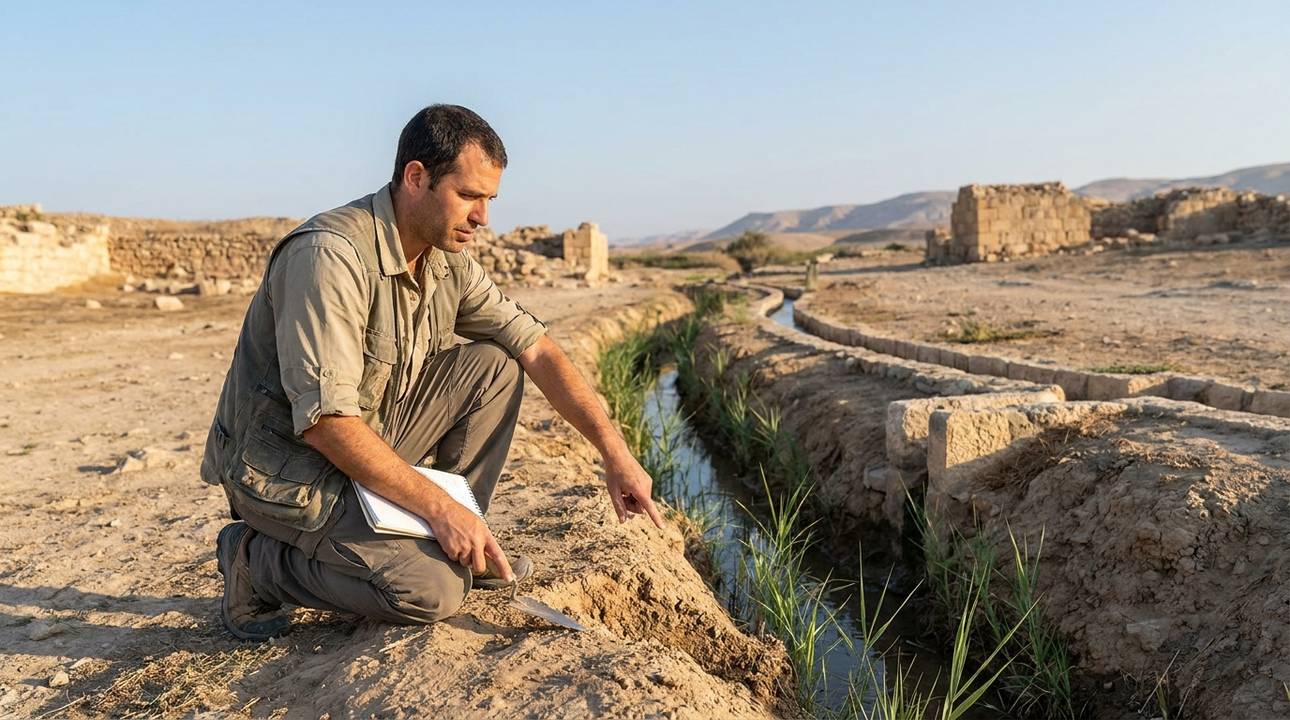
The canals in Babylonia, including the Chebar, were essential for life in the region. They supported agriculture, enabling the growth of crops in an otherwise arid landscape. This infrastructure was crucial for the survival of both the local population and the exiled Jewish communities.
Ezekiel’s experiences by the Chebar reflect the canal’s dual role as a source of physical sustenance and insight. The Chebar thus symbolizes the intersection of necessity and revelation.
The term ‘Chebar’ in Hebrew is linked to several canals that supported life in the Babylonian region. These waterways were crucial to the economy, aiding agriculture and trade. The Babylonians were known for their advanced irrigation systems, which included canals like the Chebar.
Although its precise identification remains uncertain, the Chebar holds a firm place in historical narratives. Understanding its role helps contextualize key messages, where the prophet receives his visions by the canal.
The Babylonian canals, including the Chebar, were engineering marvels of their time. They facilitated the growth of crops and the movement of goods, contributing to the prosperity of the region. This infrastructure reflects the sophistication of Babylonian society.
The Chebar’s mention in the Bible underscores its significance. It serves as a backdrop for Ezekiel’s prophecies, illustrating the intersection of human ingenuity and divine revelation. This understanding enriches our appreciation of the historical and spiritual context of Ezekiel’s messages.
Why Is the Chebar Canal Mentioned in the Bible?
In historical texts, the Chebar Canal is most famously linked to Ezekiel. It was here that Ezekiel experienced his visions while in exile. These visions included the famous ‘wheel within a wheel’ and prophecies regarding the future of Israel.
The canal symbolizes both a place of exile and revelation. Ezekiel’s visions highlight the presence and guidance during difficult times.
Ezekiel’s experiences by the Chebar Canal were transformative, offering profound insights into the divine plan for Israel. His visions often contained symbolic elements, such as the creatures with four faces and the wheels, representing divine movement and presence.
These revelations provided hope and direction for the exiled Jewish people, emphasizing themes of judgment and redemption. The Chebar thus serves as a powerful symbol of spiritual insight and guidance during a time of great uncertainty and upheaval.
Ezekiel’s experiences by the Chebar took place during a significant period known as the Babylonian exile, which began in 597 BCE. This was a time of immense hardship for the Jewish people, who were forcibly taken from their homeland. Prophets like Ezekiel received guidance during this period, offering hope and direction.
The Chebar serves as a backdrop, emphasizing the juxtaposition of despair and hope. This introduces the prophet’s visions, setting the stage for their historical and spiritual journey.
The Babylonian exile is a pivotal event in Jewish history, marking a period of cultural and spiritual upheaval. By using the Chebar as a setting, the texts highlight the determination of the Jewish people. Ezekiel’s visions reflect the presence amidst adversity.
This context sheds light on their journey, both physically and spiritually, as they navigated life in a foreign land. The Chebar symbolizes a place of exile and revelation, intertwining history and insight.
Historical Context of the Chebar Canal
The Chebar Canal was part of an elaborate network of canals and rivers in ancient Mesopotamia. These waterways were integral to Babylon’s thriving society, supporting agriculture and urban development. The Babylonians’ engineering prowess is evident in their canal system.
During the exile, Jewish communities lived alongside these resources, maintaining their cultural practices. This describes how the prophet received his visions by the Chebar, highlighting the canal’s role as a place of revelation and reflection.
The canal system in Babylon reflects the civilization’s ability to harness natural resources for societal growth. These waterways not only facilitated economic prosperity but also provided a setting for experiences.
For the exiled Jewish communities, the Chebar was more than a physical resource; it was a place of communication. Ezekiel’s visions underscore the canal’s significance as a site of insight and guidance.
The Chebar’s geographical setting provided a practical landscape for the exiled Jewish communities. Water sources like the Chebar were essential for settlement in arid regions, ensuring survival and enabling agriculture. This fusion of physical sustenance and significance is evident in Ezekiel’s experiences.
The canal forms a vivid intersection of necessity and revelation, offering a place where Ezekiel received his visions, reflecting on their shared struggles and hopes.
The Chebar’s role as a water source underscores its importance in the daily lives of the exiles. It was not only a means of survival but also a place of reflection. The canal’s presence allowed the Jewish people to maintain their cultural practices.
Ezekiel’s visions by the Chebar highlight the guidance received during this challenging time. The canal thus represents both a physical and spiritual lifeline for the exiled community.
from the Western Wall to Masada.
Ezekiel’s Visions at the Chebar Canal
Ezekiel’s time by the Chebar Canal is laden with visions. Perhaps the most well-known vision is described in the opening chapter of Ezekiel, where he sees a whirlwind and creatures with four faces, accompanied by wheels within wheels.
These visions were often filled with symbolic meaning, offering messages of judgment and redemption. Further elaborations depict the intricate details of the cherubim and the wheels, which represent movement and presence.
The visions Ezekiel received by the Chebar Canal were not only profound but also deeply symbolic. They conveyed messages of hope and restoration, offering a glimpse into the plan for Israel’s future. Ezekiel’s descriptions highlight the complexity and depth of these revelations. The Chebar thus stands as a sign of the enduring power of insight and the promise of renewal amidst adversity.
The experiences at Chebar gave Ezekiel a unique position among the prophets, as he communicated messages received during exile. These revelations guided the Jewish people and offered hope during their displacement from their homeland. This describes how he received his first vision by the Chebar Canal.
Ezekiel’s writings continue to be studied for their profound theological insights. His messages provided a vision of renewal and restoration.
Ezekiel’s role as a prophet was shaped by his experiences at the Chebar Canal. His visions, filled with symbolic imagery, offered guidance and hope to the exiled Jewish community. The messages he conveyed continue to resonate with readers today. Ezekiel’s writings serve as a sign of the enduring power of hope and the promise of renewal even in the darkest times.
Chebar Canal in Today’s Context
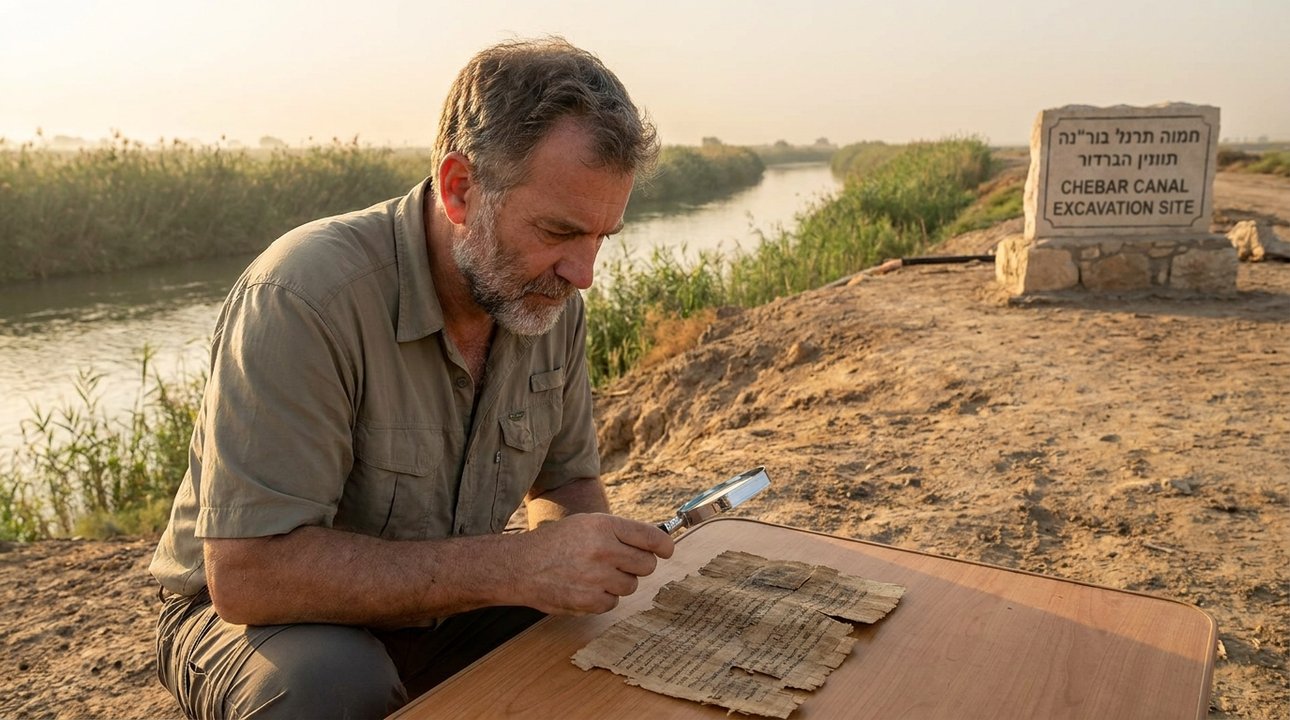
Today, the Chebar Canal holds both historical and cultural interest. While its exact identification remains debated, scholars and theologians continue to explore its role in the narrative. It serves as a window into understanding the dynamics of exile and faith.
The canal’s story connects past events to ongoing themes and discussions. By examining its historical context, we can better appreciate the determination and hope that characterized the Jewish exile experience.
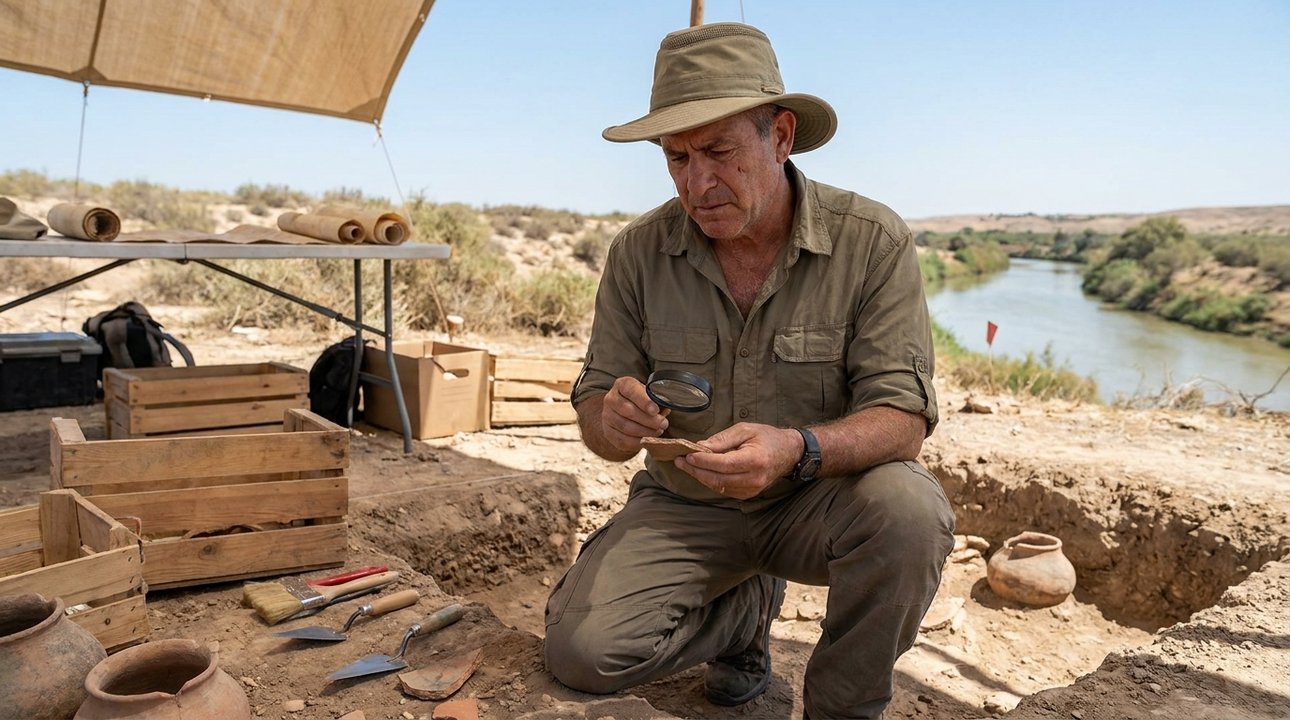
Modern explorations seek to contextualize the significance of the Chebar within archaeological and theological frameworks. This ongoing study helps maintain a connection to the history and the legacy left by Ezekiel and other prophets.
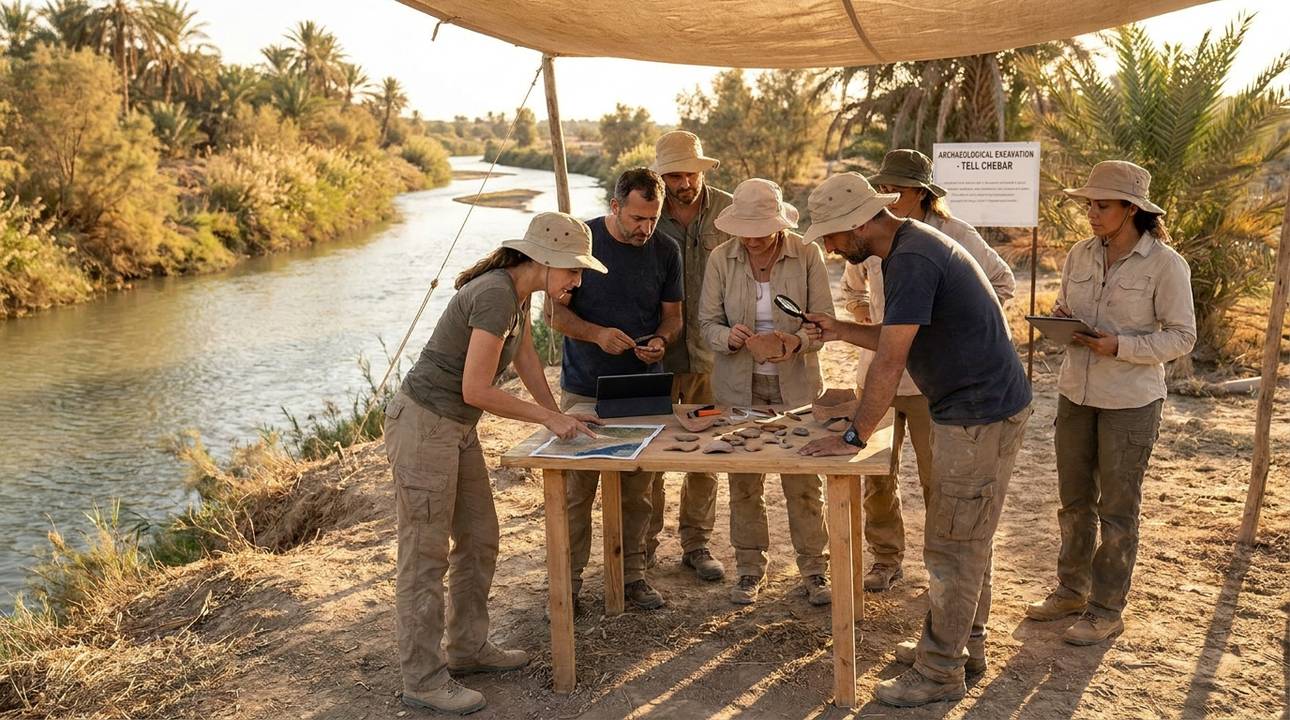
Current research often focuses on the importance of preserving these cultural narratives. By examining artifacts and historical texts, researchers aim to better understand the environment and context of Ezekiel’s prophecies.
Conclusion: the Legacy of the Chebar Canal
The Chebar Canal stands as a significant element within history, shaping the experiences of figures like Ezekiel and influencing Jewish thought. It remains emblematic of a landscape interwoven with historical narratives.
Our understanding of it continues to evolve as we discover more about its role. As scholars delve into its historical context, they reveal insights into the life and struggles of the Jewish people during the Babylonian exile.
The Chebar’s significance extends beyond its geographical location. It symbolizes the intersection of exile and revelation, offering a glimpse into the spiritual journey of the Jewish people.
Ezekiel’s visions, such as those in Ezekiel 37, where he speaks of the valley of dry bones, highlight themes of renewal and hope. The Chebar continues to intrigue scholars and believers alike, bridging ancient stories with modern insights into faith and resilience.
In summary, the Chebar Canal is more than a geographical reference. It encapsulates the trials and revelations of a people experiencing exile and vision. Its continued study aids in comprehending events and their lasting effects on cultural heritage.
The Chebar continues to intrigue scholars and believers alike, bridging ancient stories with modern insights. As we explore its significance, we uncover layers of meaning that resonate with historical narratives.
The Chebar’s role in history underscores its importance in shaping the narratives of exile and revelation. It serves as a sign of the enduring power of hope and the promise of renewal. Ezekiel’s experiences by the Chebar continue to resonate with readers today. The canal remains a symbol of insight and guidance, offering hope and direction amidst adversity.
Exploring the Chebar Canal
