
Discover the Ancient City of Arad


Arad, a city with a long history, offers insights into early Jewish heritage. Situated in the Negev region, its remnants tell stories of a city once central to ancient events.
Arad is first mentioned in historical texts where the King of Arad opposed the Israelites. This city was positioned along trade routes, making it significant for commerce. Archaeological findings reveal that Arad was fortified, indicating its importance in regional defense.
The city’s fortifications and location made it influential in the regional dynamics of the time. Arad’s mention in historical texts highlights its role in the power struggles of the area. Its story reflects the challenges its inhabitants faced in their era.
from the Western Wall to Masada.

What Is Arad?
The city of Arad is first recorded in historical documents. It was a stronghold that resisted the Israelites on their journey. This ancient city, dating back to the early Bronze Age, played a crucial role in the politics of the time.
Arad was strategically located at a crossroads of trade routes, making it a key player in trade and military activities. Today, its archaeological site reveals much about the lives and practices of its ancient inhabitants.
The archaeological findings at Arad provide insights into the daily lives and cultural practices of its ancient people.
The city’s strategic importance and place in historical narratives highlight its significance in the region’s history. Arad’s story is part of the broader narrative of the ancient Near East, offering insights into the complexities of life in early times.
Arad’s importance was noted for its fortified structure. Historical accounts recount the King of Arad’s resistance against Israel. In historical texts, the Israelites fought against Arad, highlighting its strategic importance.
This historical encounter places Arad as a city of interest in historical studies. Its ruins help tell the story of ancient conflicts and societies. The city’s fortifications suggest it was a stronghold, essential for controlling the surrounding area and trade routes.
The strategic location of Arad made it influential in the regional dynamics of the time. Its role in historical narratives underscores its significance in the struggles for control of the region. Arad’s story reflects the determination of its people as they faced the challenges of their era.
Where Is Arad Located?
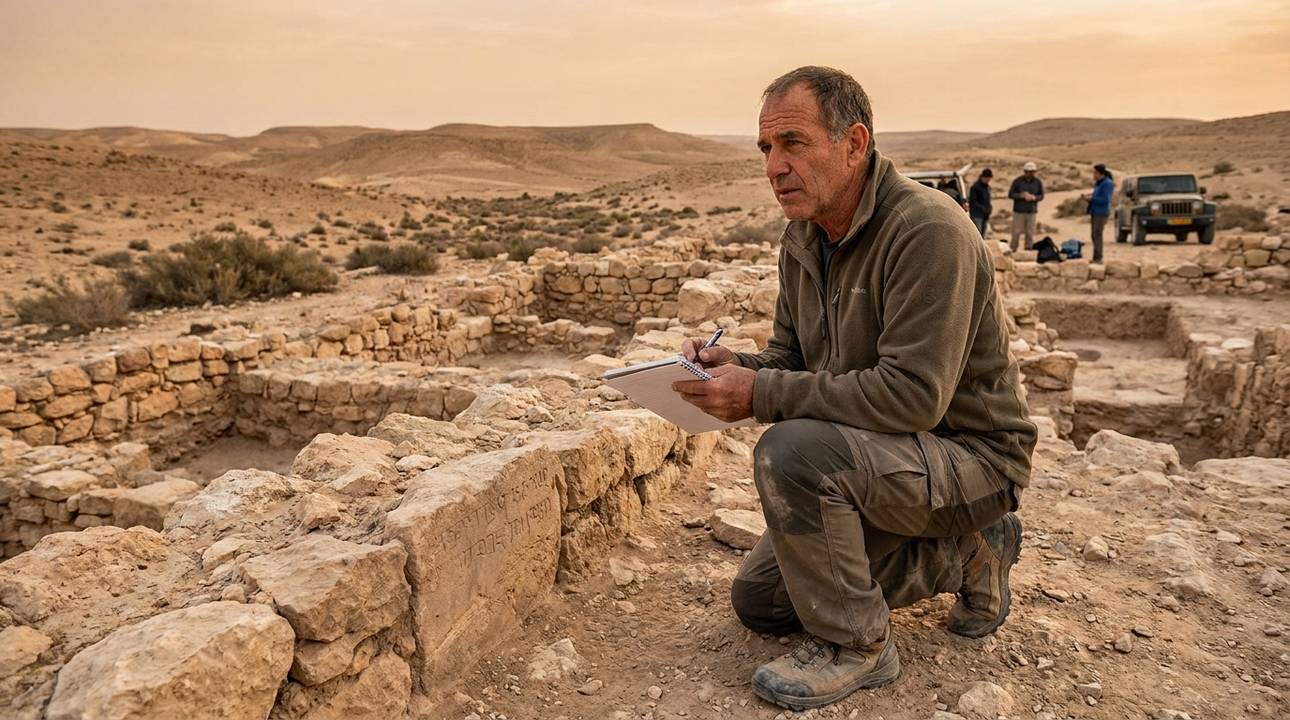
Arad is located in the southern region of modern-day Israel, within the Negev Desert. This location placed it at the southern edge of early territories.
The positioning of Arad was strategic, serving as a barrier to incoming southern tribes. It also connected various trade routes that were essential for commerce. The city’s location made it a vital point for controlling access to the Negev and the surrounding regions.
The city’s strategic importance is further emphasized by its role in historical narratives, where it is often depicted as a stronghold. Arad’s ability to control trade routes and access to the southern territories made it a key player in the region’s politics and economy. This strategic positioning contributed to its history and legacy.
Presently, Arad is situated close to a modern Israeli town of the same name. This proximity highlights the continuity of habitation in the region. Despite the desert surroundings, the area around Arad was fertile enough to support agricultural activities, which contributed to its sustainability and history. The region’s ability to support agriculture is evidenced by ancient terracing and water management systems found in archaeological excavations.
The continuity of settlement in Arad underscores its importance as a center of life and culture. The modern town, with its community, reflects the legacy of this ancient city. The archaeological findings in the area provide insights into the lives of its past inhabitants, offering a connection between the ancient and modern worlds.
Archaeological Discoveries in Arad
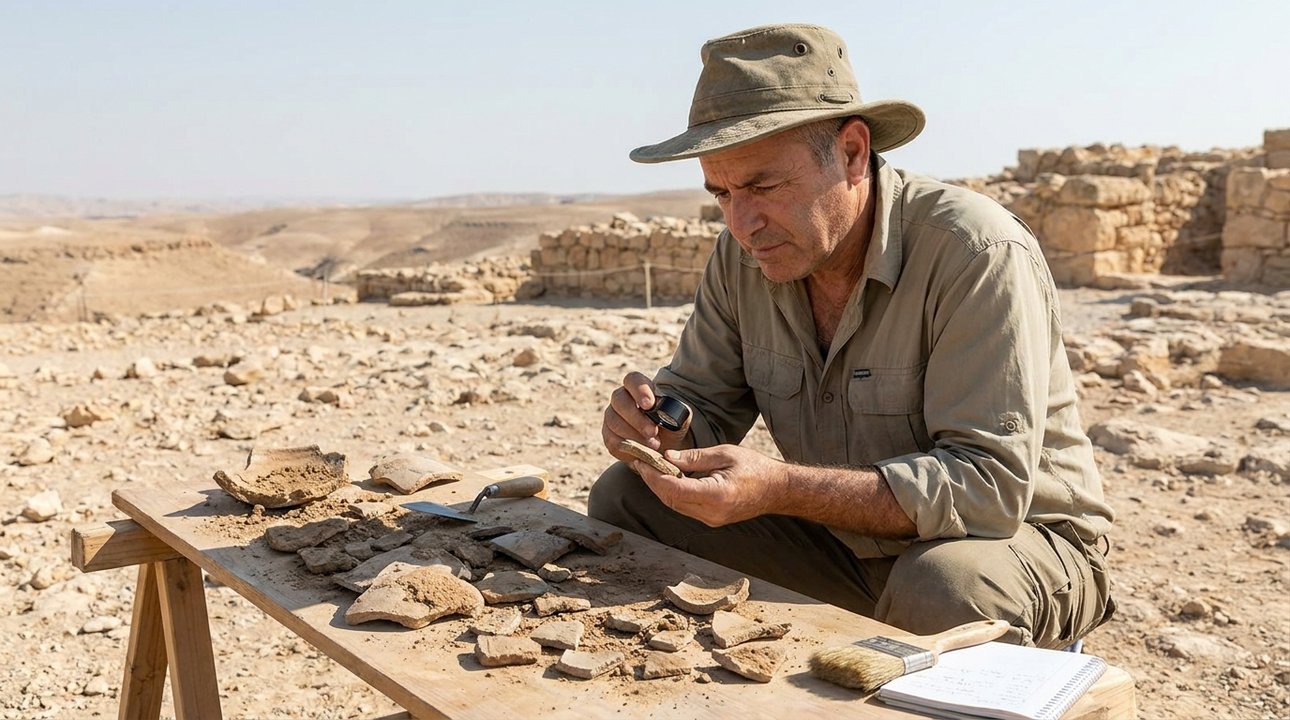
Excavations at the site of Arad have unearthed significant findings, including a well-preserved fortress. This structure provides insight into the defensive strategies employed during its time.
Arad’s archaeological layers reveal a complex history. According to some sources, it may not show continuous settlement from the early Bronze Age to the Israelite period, but it still offers valuable insights into ancient societal structures.
Among the discoveries are elaborate water systems and temple remains, showcasing complex societal structures. The water systems reflect advanced engineering skills, essential for sustaining life in the arid Negev Desert.
The temple remains, including altars and religious artifacts, offer insights into the spiritual life of the city’s inhabitants. These findings highlight the cultural and religious significance of Arad in early times.
Significant artifacts, including inscriptions and pottery, have been found. These provide crucial information on the day-to-day lives and religious practices of its inhabitants.
The discovery of a replica of an ancient temple at Arad offers insight into early worship and construction techniques. This temple, dating back to the 10th century BCE, reflects the architectural style and religious customs of the time, shedding light on the spiritual life of early societies.
The temple’s architectural features, such as its altars and layout, provide insights into the religious practices of the time.
These findings contribute to our understanding of the spiritual and cultural life in ancient Arad, offering a view into the beliefs and traditions of its people. The artifacts found at the site continue to enrich our knowledge of early societies.
from the Western Wall to Masada.
Historical References to Arad
In addition to early accounts, Arad is referenced in historical texts. This account describes alliances formed by groups with the Kenite people.
These references highlight Arad’s role as both a regional power and a narrative element within historical texts. The city’s mention in these records underscores its involvement in significant historical events, illustrating its influence in the broader context of history.
The continuous mention of Arad underscores its recurrent involvement in key historical events. Its strategic location and alliances made it a focal point in the struggles for control in the ancient Near East.
Arad’s interactions with surrounding groups reflect the complex political landscape of the time, where alliances and conflicts shaped the course of history. This makes Arad a critical study point for understanding the dynamics of ancient regions.
The city’s resistance to movements, detailed in historical records, paints a portrait of determined leadership. Historical accounts describe attacks, prompting vows from opposing groups.
This opposition serves as a backdrop for emerging identities and their struggles to establish territories. Arad’s defiance illustrates the challenges faced by groups in claiming territories, as described in historical texts.
Arad’s role in these historical narratives highlights its strategic importance and the resilience of its people. The city’s defiance against opposing groups is a sign of the complex political landscape of the time, where alliances and conflicts shaped the course of history. Arad’s story is part of the larger narrative of the journey to establish territories.
Symbolism and Influence of Arad
Arad’s historical and strategic importance endows it with symbolic meaning. The city represents resistance and resilience in historical narratives, as seen in its opposition to movements.
The archaeology of Arad reflects the blending of cultures, as it was a site where diverse groups interacted. This interaction is evident in the artifacts found, which show influences from various cultures that passed through the region.
Arad’s influence extends beyond military importance. It encapsulates a microcosm of life in ancient regions. The city’s strategic location made it a key player in trade and military activities, influencing the region’s political landscape. Arad’s role in historical narratives highlights its significance in the history of the region. Its story reflects the determination of its people.
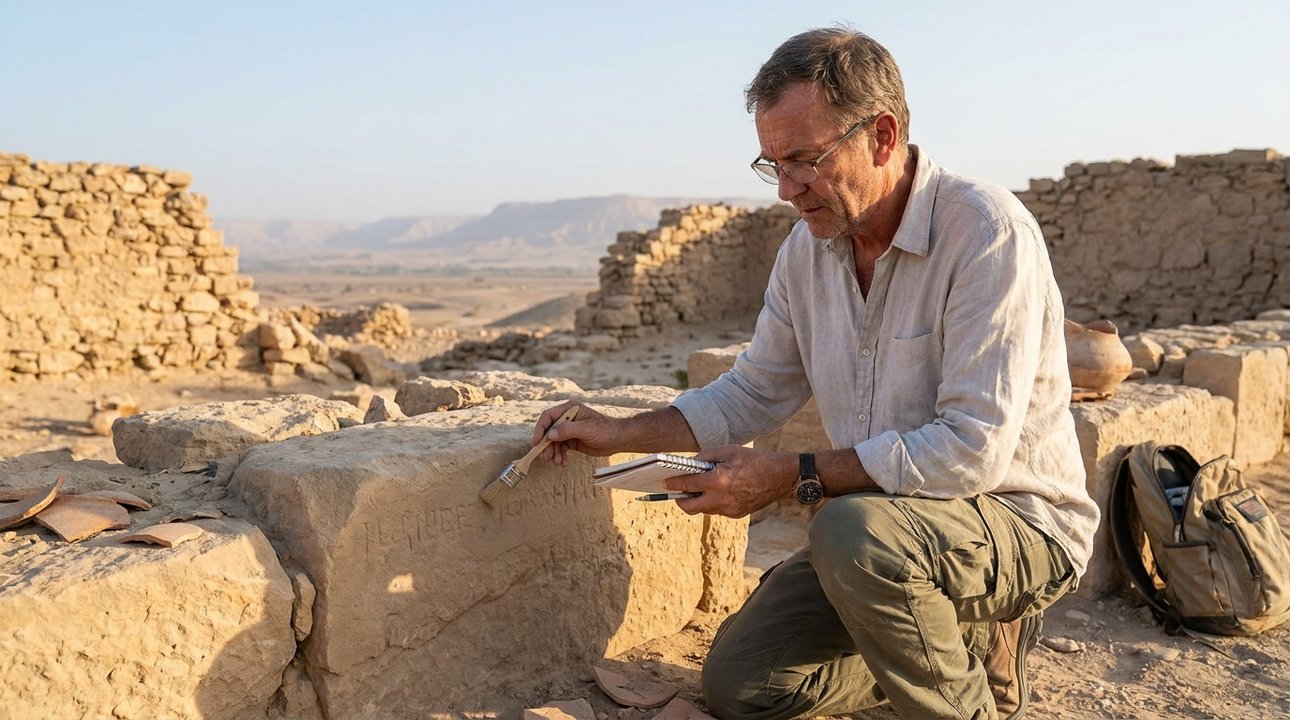
The discoveries at Arad continue to impact our understanding of history. These findings offer insights into the religious and social dynamics of the past. Inscriptions found at Arad provide evidence of early writing, crucial for historical scholarship. Arad’s story illuminates the complexity of ancient relationships and the influence they wielded over the region. The city’s interactions with neighboring tribes and its role in historical narratives underscore its history.
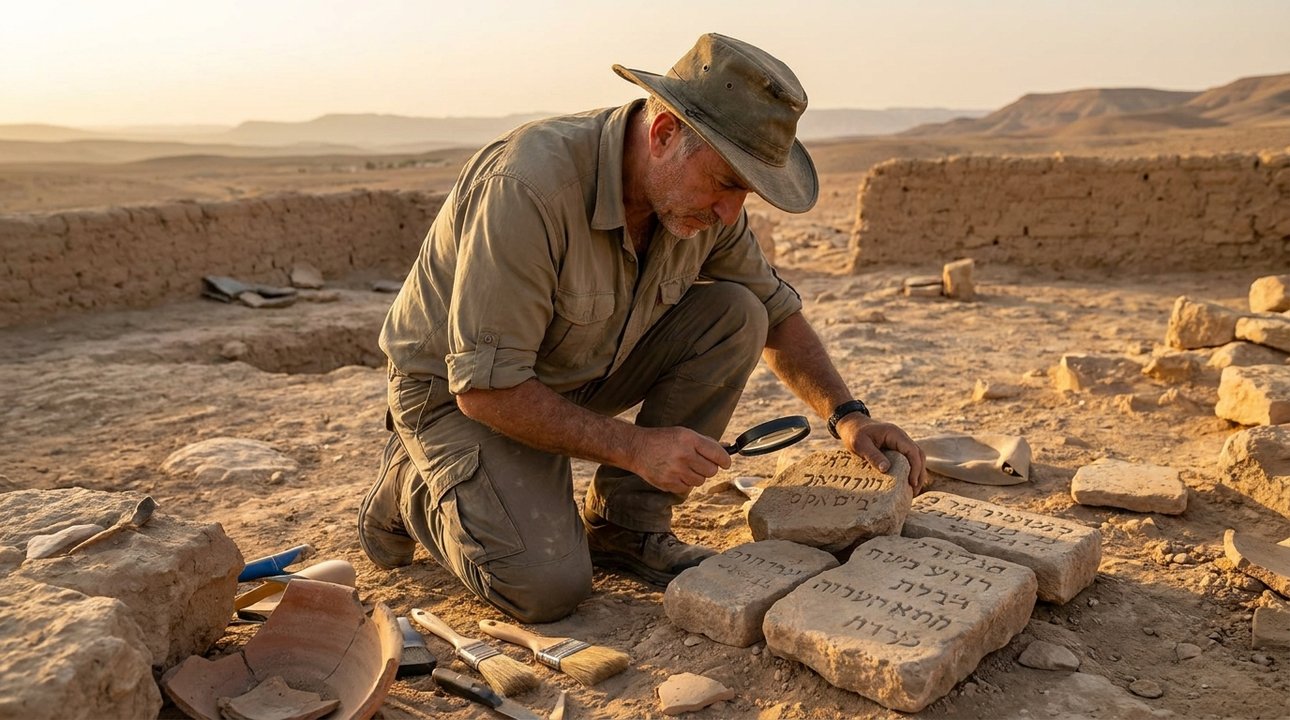
Exploring Arad Today
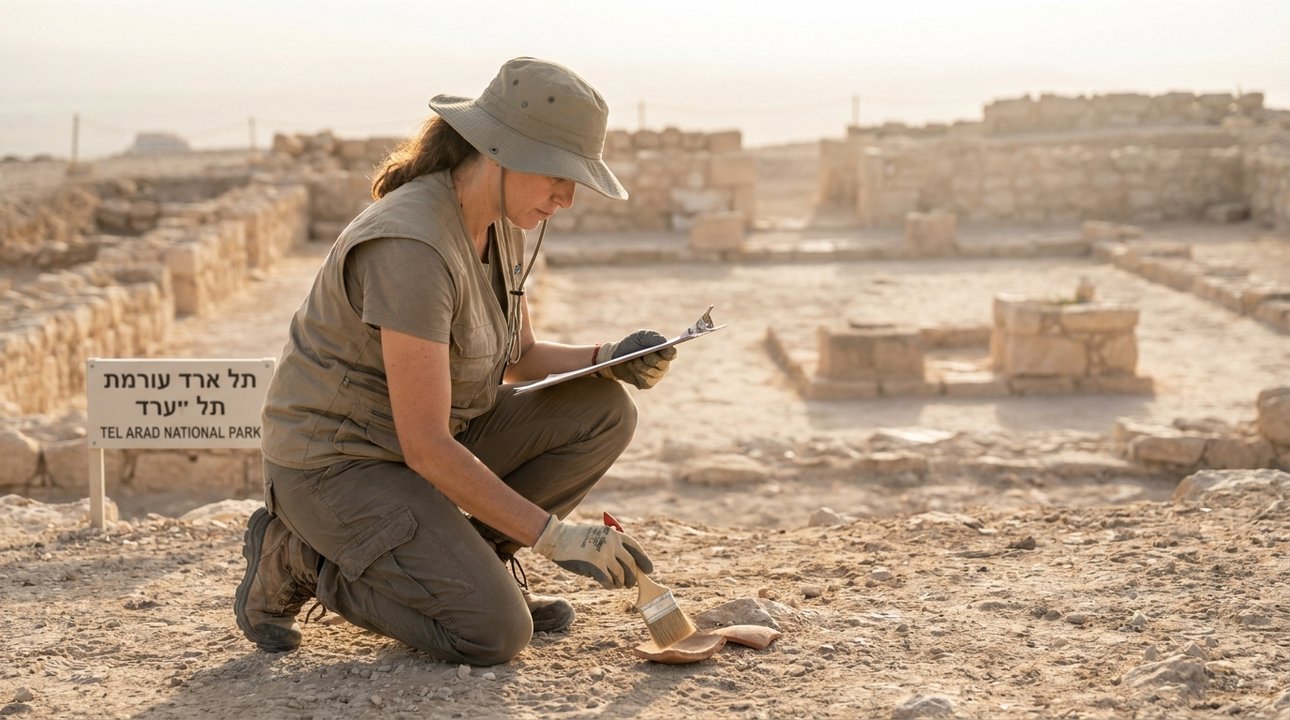
The archaeological site of Arad offers insights into early times, allowing for a conversation between the past and present. Excavations have uncovered layers dating back to the early Bronze Age, revealing a city that was once a bustling hub of activity.
Today, Arad remains a point of interest for historians and archaeologists, continuing to reveal secrets of the ancient world. The discovery of a well-preserved fortress, for example, provides insight into the defensive strategies that were employed to protect the city.
The modern nearby town serves as a reminder of the area’s importance. This continuity of settlement highlights the region’s ability to sustain life despite its desert surroundings. Arad’s location in the Negev Desert made it a strategic point for controlling trade routes and access to the southern territories. The town’s ongoing habitation underscores its historical and cultural role, bridging the ancient past with the present.
Visiting these ruins provides valuable insight into the cultural and historical fabric of the region. The lessons drawn from ancient Arad continue to influence modern interpretations of historical studies and archaeological pursuits.
The ruins include a fortress and a temple, indicating the city’s religious and military significance. The temple’s layout offers clues into ancient worship practices. These discoveries help scholars understand the socio-political dynamics of the time.
General Information
