
Discovering the Chebar River in the Bible
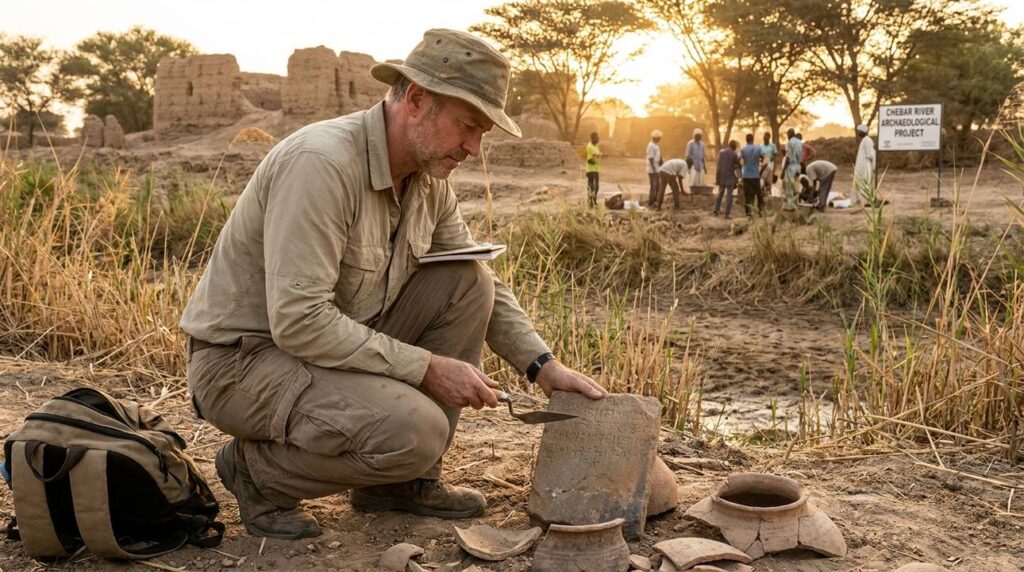

The Chebar River plays a notable role in biblical texts, particularly in the Book of Ezekiel. This river is described as the location where Ezekiel experienced divine visions, including the vision of the heavenly throne. This article delves into its significance and the historical context it provides.
Ezekiel’s visions at the Chebar River were significant for the Jewish community in exile, offering hope during challenging times. The river served as a setting for these experiences, marking the beginning of Ezekiel’s mission to deliver messages of encouragement to the exiles.
from the Western Wall to Masada.

Ezekiel conveyed messages through symbolic acts and visions, such as the “Valley of Dry Bones,” which represented the restoration of Israel.
What Is the Chebar River?
The Chebar River, mentioned in Ezekiel, is central to the prophet’s visions. Believed to be located in ancient Babylonia, it provided a setting for revelations vital to the Israelites in exile. Ezekiel’s presence there highlights the importance of place in historical accounts.
The river’s link to Ezekiel’s visions underscores its role as a symbol of communication. It serves as a reminder of resilience during exile, offering lessons that continue to resonate.
The Role of Chebar River in Ezekiel’s Visions
Ezekiel, a key figure in biblical texts, is associated with visions and prophecies by the Chebar River. These revelations were crucial in guiding Jewish exiles. The river’s role as a setting for these visions emphasizes its importance as a symbol of hope.
Ezekiel’s experiences by the Chebar River stress the significance of location in historical narratives. The river serves as a reminder of the perseverance of those who faced exile, offering enduring lessons.

Geographical Context of Chebar River
The precise location of the Chebar River has been a subject of study. It is often linked with canals or tributaries of the Euphrates River in ancient Babylonia. This connection situates Ezekiel’s events within a significant historical context of Mesopotamia.
Ancient Babylonia, known for cities like Babylon and Ur, underscores the Chebar River’s role in historical narratives. Understanding its location helps contextualize Ezekiel’s experiences and the broader historical landscape.
The Chebar River, likely a canal or tributary, was integral to Babylonia’s agricultural and economic life. It facilitated the movement of goods and ideas, connecting Ezekiel’s experiences with the region’s history.
Ezekiel’s Prophetic Messages at Chebar
Ezekiel’s messages at the Chebar River were vital for the Jewish exiles, emphasizing themes of restoration and hope. Ezekiel 37, for instance, speaks of the vision of dry bones, symbolizing Israel’s revival and unity.
Ezekiel’s messages included vivid imagery and symbolic acts, such as joining two sticks to represent the reunification of Judah and Israel. These messages were crucial in maintaining the spirit of the Jewish people during exile.
Ezekiel 3 details further messages that strengthened the resolve of the exiled community. The prophet’s role as a watchman highlights his duty to guide and warn, reassuring the exiles of eventual return.
Ezekiel’s role involved delivering warnings and messages of repentance, urging faithfulness and hope. His symbolic acts, like lying on his side, reinforced the urgency of his message and the promise of redemption.
Chebar River in Historical and Cultural Context
In historical times, rivers were essential for life and trade. The Chebar River was likely crucial for agriculture and transport. Waterways like this enabled the movement of goods and ideas, fostering cultural exchanges.
from the Western Wall to Masada.
The Chebar River, as a waterway, supported irrigation and agriculture, sustaining livelihoods. Its role in trade and transportation facilitated interactions between cultures, contributing to Babylonia’s diverse life.
Cultural exchanges along riverbanks often led to significant developments. The Chebar River, situated in Babylonia, would have played a role in such interactions.
Modern Reflections on Chebar River
Today, the Chebar River holds symbolic meaning in religious texts. For scholars and readers of the Bible, it represents faith and perseverance. Ezekiel’s dedication to his mission is a testament to this enduring spirit.
The river’s symbolic meaning extends to hope and renewal, reminding us of the Jewish people’s perseverance during exile. Ezekiel’s experiences by the Chebar River are remembered for their lessons of perseverance.
Examining locations like Chebar enriches our understanding of historical events and their relevance today. By studying these sites, we gain insights into the historical context and the perseverance of the Jewish people.
The river’s significance is also reflected in its role as a setting for visions and messages. Ezekiel’s experiences by the Chebar River highlight the intersection of history and place, demonstrating the importance of location in narratives.
Why the Chebar River Matters
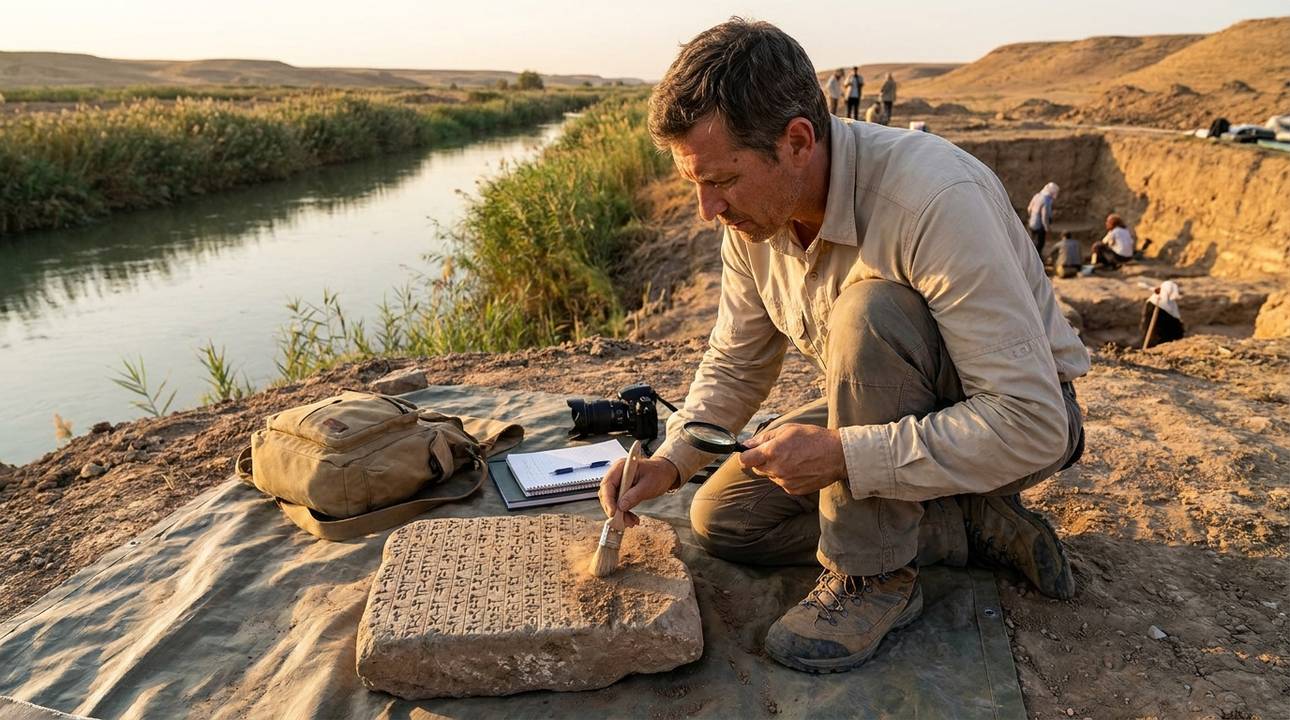
The Chebar River’s significance extends beyond its physical presence. It symbolizes interaction during times of distress, particularly during the Babylonian exile. Ezekiel receives his first vision by the river, marking the start of his mission.
Ezekiel’s visions by the Chebar River emphasize the importance of place in historical narratives. The river’s role as a setting underscores its significance as a symbol of hope and renewal.
The narratives of Ezekiel’s visions offer hope and guidance, enriching historical literature. Ezekiel’s vision of the four living creatures and the wheels is vivid and complex, symbolizing the divine’s omnipresence.
These visions provide insights into the spiritual realm and the divine plan. Ezekiel’s experiences by the Chebar River serve as a source of inspiration for understanding the mysteries of the universe. The vision’s imagery is often seen as a representation of the divine chariot, significant in Jewish mysticism.
In Short: the Legacy of the Chebar River
The Chebar River features prominently in the Book of Ezekiel, shaping his experiences and visions. Its historical placement in ancient Mesopotamia provides context for understanding its role. As a symbol, it is remembered with lessons of perseverance.
Ezekiel’s visions by the Chebar River are a sign of the enduring power of hope and renewal. It remains a reminder of the perseverance of those who faced exile, offering lessons that endure.
Chebar River Details
