
Discovering Ophrah’s Place in History
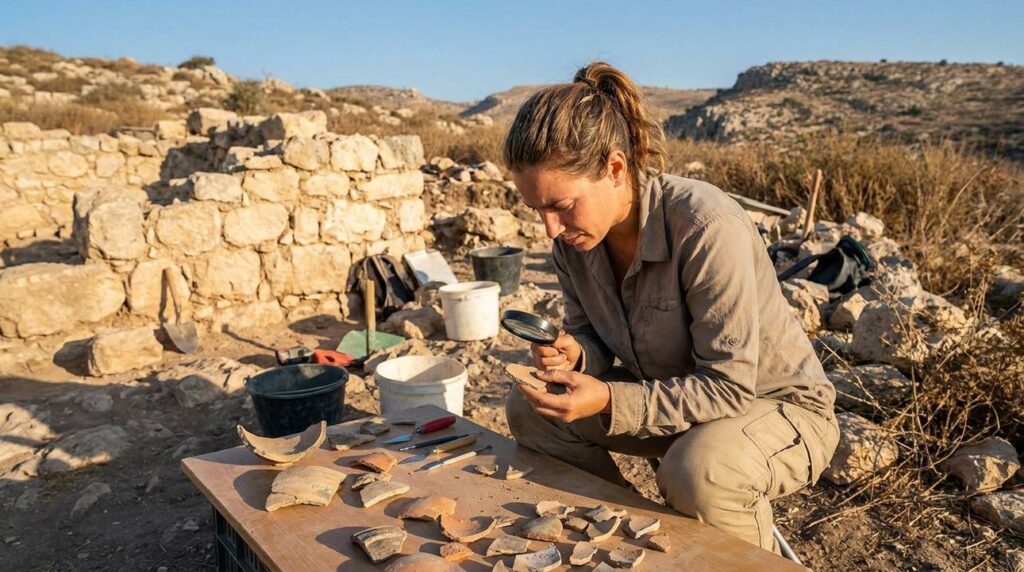

Ophrah holds a unique place in narratives and Jewish history. Often overlooked, this site provides insights into the Israelite era. In historical texts, Ophrah is mentioned as the home of a significant leader of Israel.
The leader’s story begins here, where he is called upon to lead Israel against the Midianites. Join us as we uncover its layers and stories, exploring how this location served as a backdrop for pivotal events in the historical account.
Understanding Ophrah’s role offers a window into the lives and challenges faced by the Israelites during this time.
The significance of Ophrah extends beyond its mention in historical texts. As the narrative unfolds, the leader’s actions in Ophrah, such as building an altar and leading his people to victory, reflect the site’s importance as a center of leadership. These events provide a deeper understanding of the cultural dynamics of the Israelite community. The leader’s role in Ophrah is a sign of the site’s role in shaping Israelite history, serving as a focal point for leadership and activities.
from the Western Wall to Masada.

What Is the Unique Role of Ophrah in History?
Ophrah is mentioned in several places within historical texts. Its most notable references are found in narratives where it is associated with a significant leader. This leader, an important figure in the narrative, is called by an angel while working in Ophrah. This site becomes central to his story, marking the beginning of his mission. Throughout his leadership, Ophrah serves as his homeland and military base. The region’s role in the story highlights its strategic and cultural role during this period.
The leader’s story in Ophrah is marked by significant events, such as the destruction of an altar and the building of an altar to the divine. These acts symbolize a turning point, not only for the leader but for the community he leads.
Ophrah’s role as a military base is further emphasized where the leader gathers his men before the battle against the Midianites, showcasing its strategic location. These events highlight Ophrah’s central role in the Israelite struggle for survival.
The name Ophrah itself is believed to derive from the Hebrew word for ‘fawn’ or ‘dust,’ reflective of the region’s landscape. This etymology offers a glimpse into its physical characteristics, possibly indicating a terrain that was both rugged and fertile.
In understanding Ophrah’s significance, one also gains a richer understanding of the era’s social and military history.
The site’s connection to the leader and its strategic importance underscore its role in the broader narrative of Israel’s struggle for survival and identity during the time of the judges.
The terrain of Ophrah, as suggested by its name, may have played a role in its selection as a military base. The rugged landscape could provide natural defenses, while fertile areas supported the community’s sustenance.
The creation of an ephod in Ophrah further ties the site to cultural practices, illustrating its multifaceted importance in Israelite society.
This dual role of Ophrah as both a military and cultural center highlights its strategic and societal significance during the time of the judges.
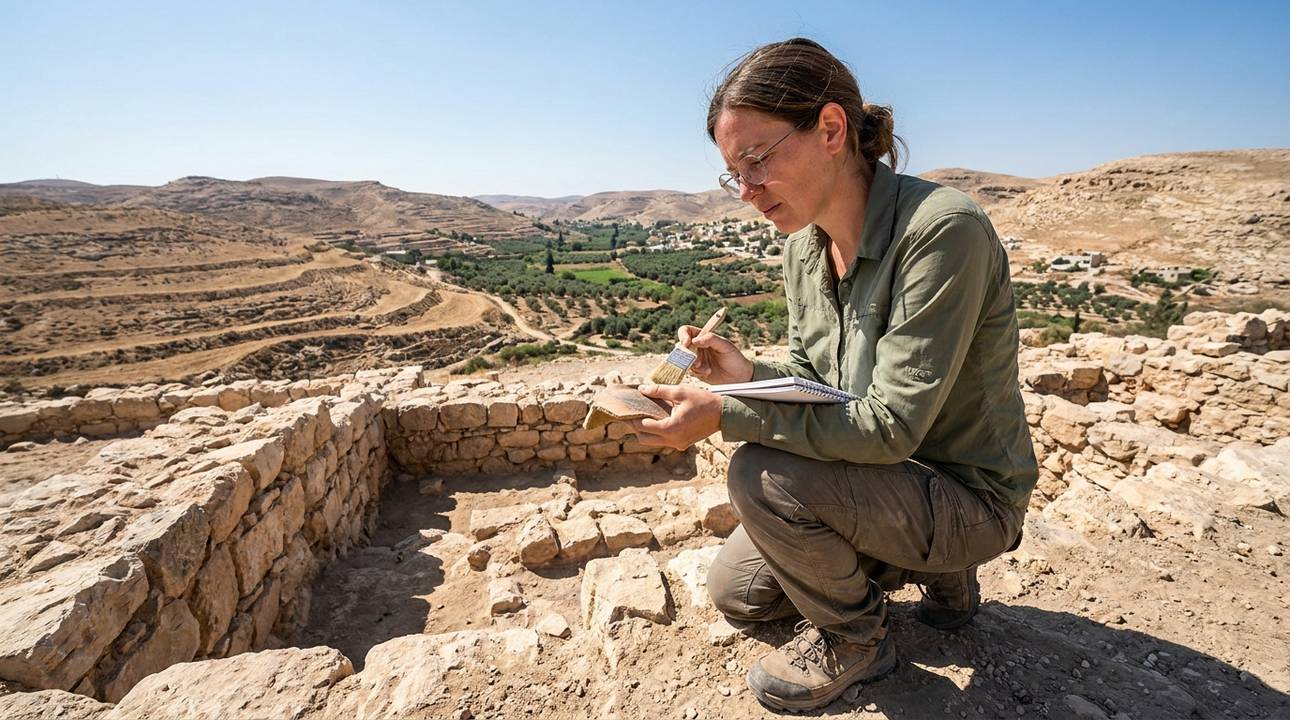
Ophrah’s Role in the Leader’s Story
The story of the leader unfolds dramatically in Ophrah, emphasizing its narrative importance. According to historical texts, the leader builds an altar here, naming it Jehovah-Shalom, meaning ‘The Lord is Peace.’
This altar symbolizes the peace and assurance the leader seeks as he prepares for battle. Such acts reflect the communal practices of the time. Ophrah also becomes a place of victory and leadership, marking its significance in the narrative.
When the leader calls upon men to fight against the Midianites, Ophrah serves as his command center. Its location is key for gathering forces and launching strategic maneuvers. The events surrounding the leader and Ophrah underscore the interconnection between geography and narrative, providing a clearer picture of society at the time. This deeper understanding encourages reflection on how places shape both personal and communal identities, showing the historical context of events.
Archaeological Insights into Ophrah
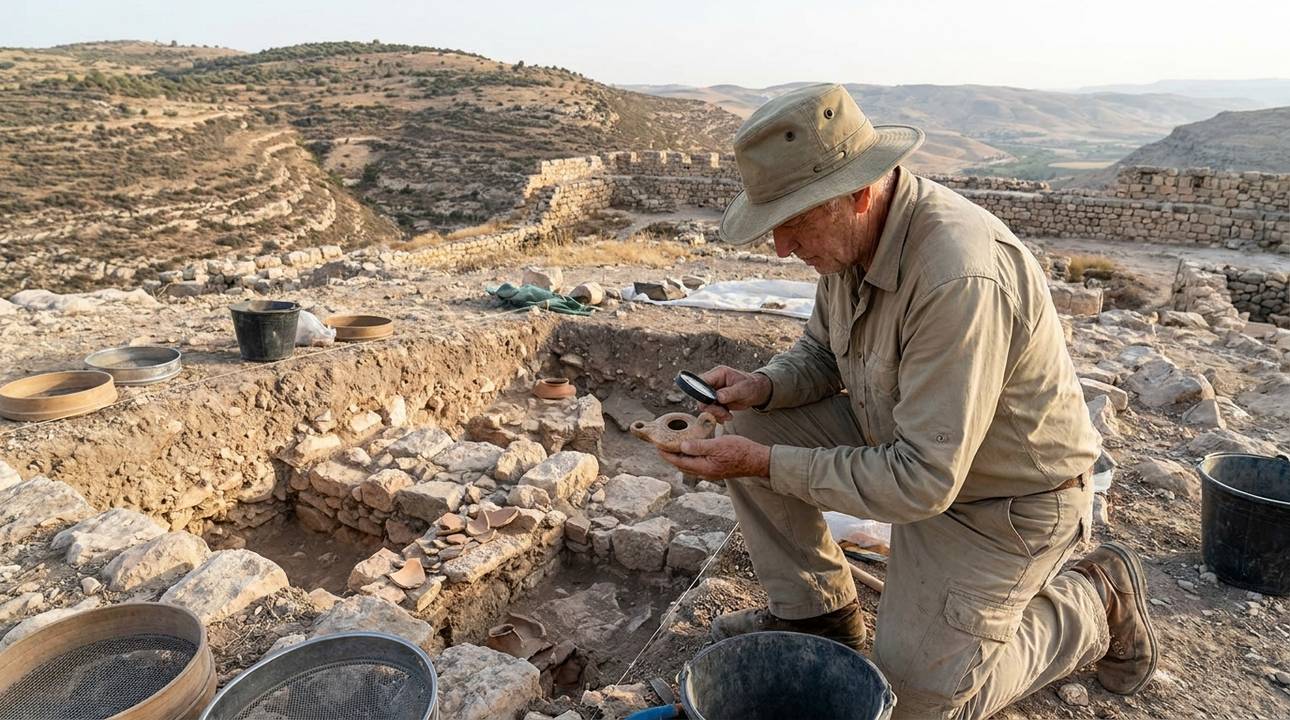
Archaeology offers another perspective on Ophrah, though findings remain limited. Potential sites have been identified, providing hints at its historical existence within the Ephraimite territory.
Artifacts and structures attributed to the era support the depiction of Ophrah as a bustling, significant settlement. Excavations reveal domestic and military structures common in Iron Age settlements.
These findings bridge the narrative and material culture, highlighting the account’s alignment with known history. Archaeologists use these artifacts to understand daily life and warfare during the leader’s time.
Although more discovery is needed, current evidence strengthens the credibility of Ophrah’s historical importance. It serves as a crucial piece in the puzzle of Israelite history.
Engagement with archaeology deepens the appreciation of places like Ophrah, connecting past and present understanding of accounts.
from the Western Wall to Masada.
Ophrah in Later Traditions
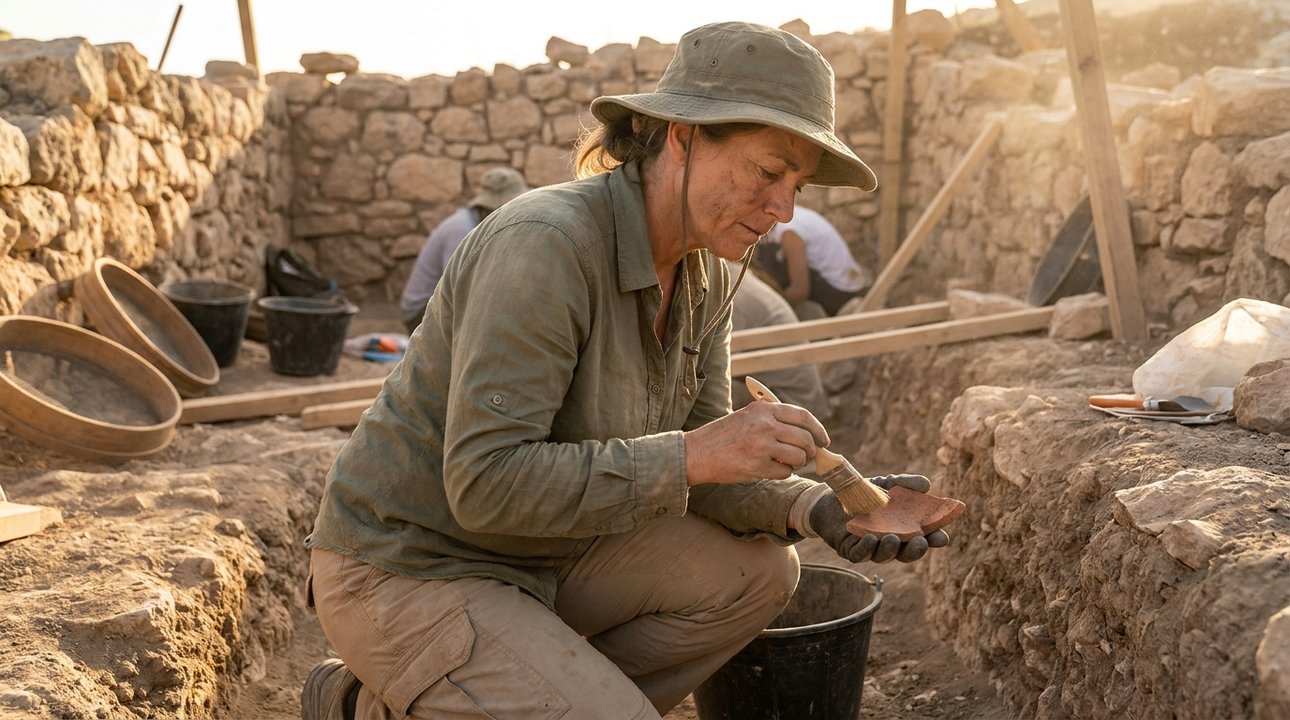
While Ophrah is primarily known for its historical connections, its legacy continued in later Jewish traditions. Referenced by various historical texts, Ophrah’s name endured through rabbinic writings and commentaries.
In the Talmud, discussions often focus on the lessons and moral teachings derived from the leader’s story, emphasizing themes of leadership. Ophrah’s inclusion in these texts highlights its sustained relevance.
Its geographical mentions in Jewish texts serve as reference points for moral teachings, underscoring its role beyond the ancient narratives.
Rabbinic literature often draws from the leader’s story in Ophrah to illustrate the virtues of humility and courage. For instance, the Midrash interprets the leader’s initial hesitance as a lesson in humility, while his eventual leadership is seen as an example of empowerment.
These interpretations have influenced Jewish thought, providing moral guidance and reinforcing Ophrah’s significance. The leader’s story in Ophrah serves as a rich source of ethical teachings, emphasizing the importance of humility and support in leadership.
The story of the leader in Ophrah remains a subject of study and reflection, influencing Jewish thought and education through centuries. The leader’s encounter with the angel in Ophrah marks a pivotal moment in his life and in the history of Israel.
These traditions enhance understanding, allowing the site to be a source of inspiration within Jewish culture and identity.
By examining these texts, one gains insight into how Ophrah’s story has been interpreted and reinterpreted over time, maintaining its significance in Jewish history and education.
Where Is Ophrah Today?
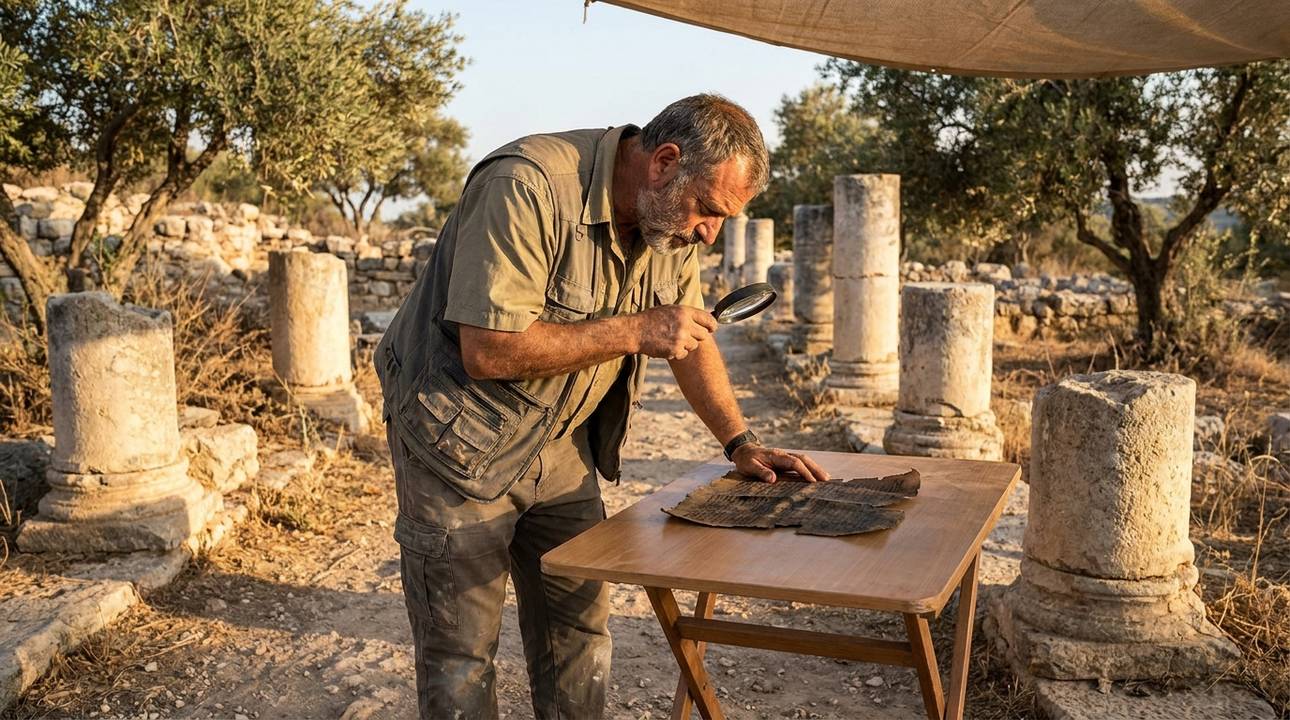
The precise location of Ophrah remains a topic of scholarly debate. Although various sites in the West Bank have been suggested, definitive identification is elusive. Some scholars propose sites such as the modern town of Aqraba or near Tel Asur as possibilities.
These areas align with descriptions of Ephraimite geography found in historical texts. However, the lack of conclusive evidence leaves room for further exploration.
Current archaeological and geographical research continues to seek answers, piecing together artifacts and ancient records to pinpoint Ophrah’s location.
The search for Ophrah’s location is not just an academic endeavor but a journey into the past. Each potential site offers a glimpse into the ancient world, where narratives unfolded. For example, historical texts describe actions in Ophrah, providing a historical context.
The ongoing research in these regions not only seeks to locate Ophrah but also to enrich our understanding of the historical and cultural contexts of the era. Archaeologists and historians collaborate to analyze artifacts and texts, hoping to pinpoint Ophrah’s exact location.
The pursuit of Ophrah’s location involves piecing together historical, textual, and archaeological clues to form a holistic view. Despite this uncertainty, the journey to uncover Ophrah highlights the enduring intrigue and scholarly curiosity surrounding historical places.
Discoveries in nearby regions, such as pottery and inscriptions, offer tantalizing hints but no definitive proof. Ophrah’s elusive nature keeps it a fascinating subject for historians and archaeologists alike, as they strive to connect the dots between ancient texts and physical evidence.
Archaeologists have uncovered artifacts in regions like Tel Asur, which some propose as Ophrah’s location. These findings include pottery shards and tools dating back to the Iron Age, aligning with the historical timeline. However, without conclusive evidence, the exact location remains speculative. Scholars continue to analyze these artifacts, hoping to one day confirm Ophrah’s precise location. The search for Ophrah is a sign of the enduring intrigue surrounding historical sites, as researchers piece together historical clues.
Exploring Ophrah's Significance
