
Uncovering the Location of Beer-lahai-roi Today


Beer-lahai-roi is a significant site known for its appearance in the story of Hagar. Here, Hagar, the maidservant of Sarah, encountered an angel who provided guidance and comfort during her time of distress.
The name Beer-lahai-roi translates to “the well of the Living One who sees me,” reflecting the encounter. Its precise location today is a topic of interest among scholars and historians. This article explores its mention in historical perspectives.
What Is Beer-lahai-roi?
Beer-lahai-roi is where Hagar, the maidservant of Sarah, encountered an angel. This encounter is documented where the angel instructs Hagar to return to Sarah and promises that her descendants will be numerous. This location is important in Hagar’s story. The name translates to ‘well of the Living One who sees me,’ emphasizing its significance. It becomes a sanctuary for Hagar, highlighting themes of care and survival in the wilderness. It serves as a place of refuge and assurance for her.
from the Western Wall to Masada.

Hagar’s story at Beer-lahai-roi underscores the theme of intervention in moments of despair. Her experience is a sign of hope, as she navigates through her challenges with newfound assurance. Hagar names the place Beer-lahai-roi, recognizing the care she received. The name and its narrative context offer a mix of meaning, inviting reflection on the enduring presence of care in human struggles. Her encounter there is a powerful reminder of the strength found during times of trial.
References to Beer-lahai-roi
In the narrative, Beer-lahai-roi appears primarily in two passages. The first mention occurs when Hagar flees from Sarah and encounters an angel. This marks a pivotal moment for Hagar, offering her comfort and guidance.
The site becomes a place of reassurance. The second reference involves a character who dwells near this well after the death of his father, marking a significant moment. These mentions anchor Beer-lahai-roi within a broader narrative. It serves as a site of continuity and reflection.
The well offers insights into its significance by symbolizing care and promise. This location serves as a backdrop for key events, highlighting the interconnectedness of the characters’ journeys.
Hagar meets an angel at the well, receiving promises about her son Ishmael’s future. Through these narratives, Beer-lahai-roi becomes a symbol of hope and continuity, reflecting the enduring themes of faith and perseverance that resonate throughout the text.
It stands as a reminder of the presence in life’s journey, offering solace and strength.
Historical Geography of Beer-lahai-roi
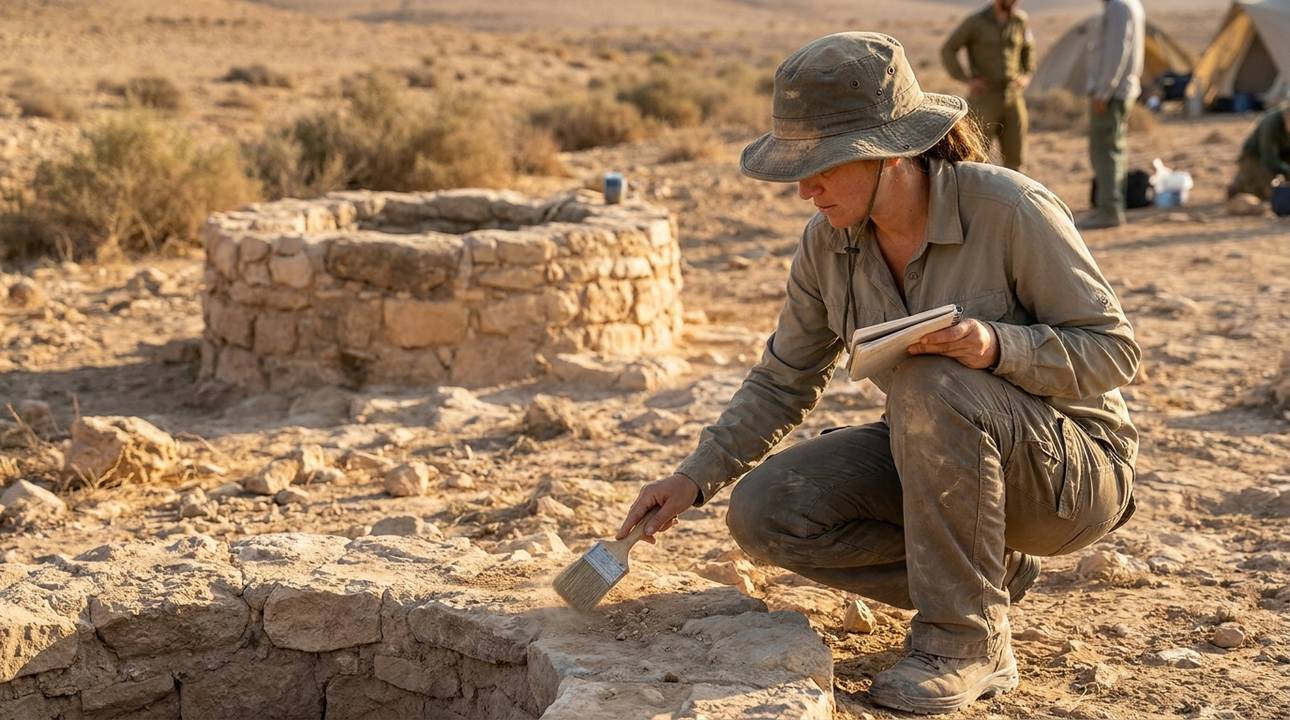
Traditionally thought to be located in the Negev region, the well is in an area rich in history. This region lies south of Beersheba, a city mentioned as a site of covenant.
Scholars often attempt to match modern sites with ancient references, using tools like satellite imagery and historical texts. However, no definitive archaeological evidence has pinpointed its exact location, leaving room for interpretation and speculation.
The search for Beer-lahai-roi continues to intrigue scholars and enthusiasts alike, blending history with study.
The desert landscape, characterized by its arid climate and shifting sands, makes exact identification challenging yet keeps the mystery alive. This region is crisscrossed by ancient paths, where many historical events unfolded.
This rugged terrain reflects the trials faced by figures. The elusive nature of Beer-lahai-roi adds to its allure, inviting both scholars and enthusiasts to explore its historical context and significance.
The search for its location continues to captivate, blending archaeology with study.
Beer-lahai-roi’s Role in Historical Context
A character’s dwelling in Beer-lahai-roi ties him to familial experiences. This location serves as a landmark bridging different familial narratives, where a character returns from Beer-lahai-roi to meet another.
This connection underscores the continuity of the family line and the fulfillment of promises made. The accounts suggest it was a resting place and a site of contemplation, where reflection on the family’s journey and personal path could occur.
Here, one could meditate on the legacy and the future that lay ahead.
These connections add depth to understanding a character’s life and journey, highlighting the site’s importance in the broader context. Beer-lahai-roi serves as a place of reflection and continuity, linking to the stories of ancestors. A character dwells near the well after a significant death, marking a significant moment in life. Through these narratives, the well becomes a symbol of heritage, showing the enduring themes of family and legacy. Presence at Beer-lahai-roi reflects the ongoing journey and the fulfillment of promises.
Modern Understanding of Beer-lahai-roi’s Location
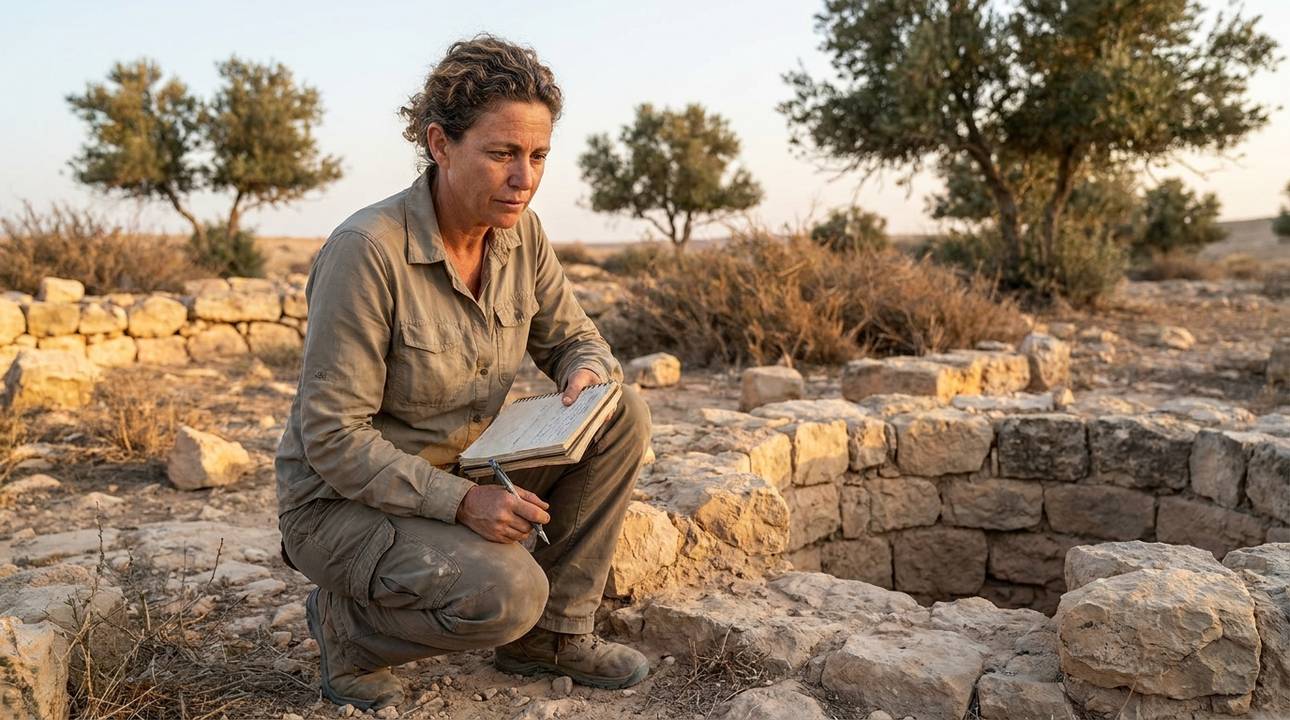
Today, Beer-lahai-roi’s exact spot remains speculative. Some suggest it’s near modern-day Bir Lahai Roi, located southwest of Beersheba, a city in the Negev desert of Israel. This area is historically significant, with Beersheba being a site of covenant.
Others propose further south, closer to the Sinai Peninsula. These conclusions mainly rely on educated guesses based on descriptions and ancient maps.
from the Western Wall to Masada.
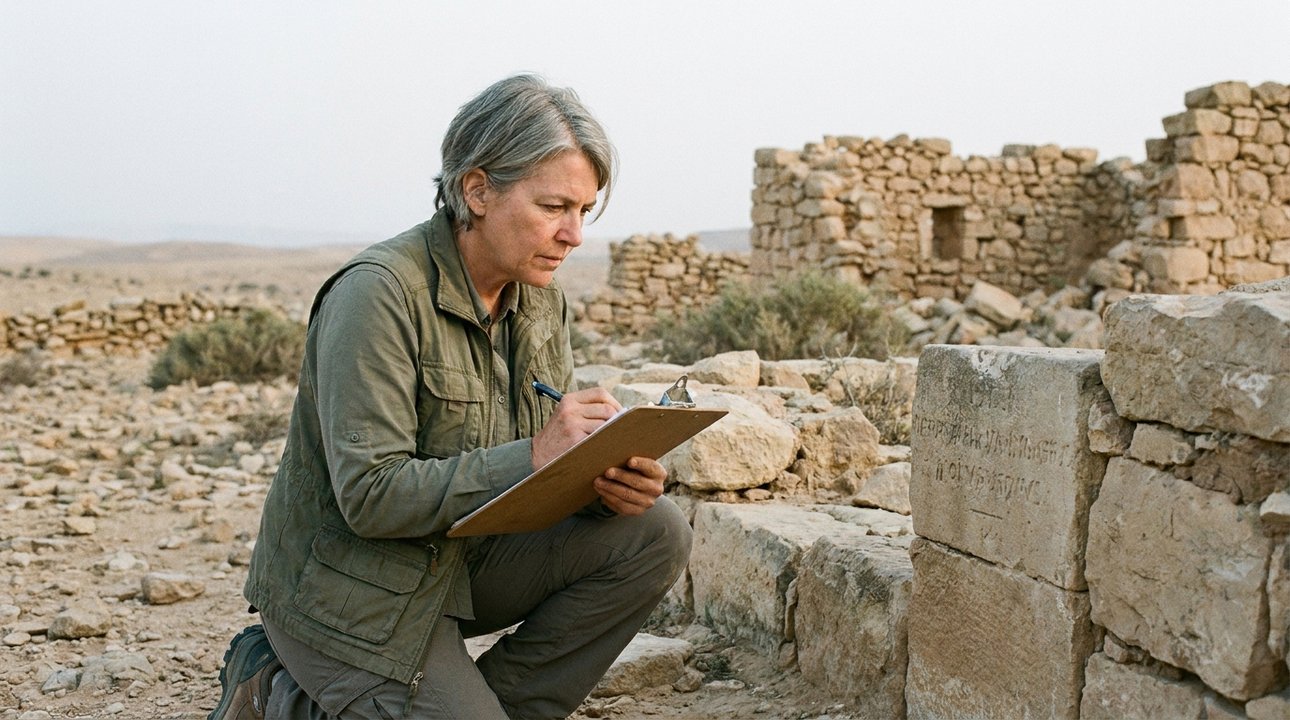
Scholars continue to study ancient texts and regional geography for enhanced understanding, hoping to pinpoint its location with more accuracy. The use of archaeological findings and historical geography aids in piecing together the puzzle of Beer-lahai-roi’s location. Ongoing research not only seeks to uncover the well’s physical location but also enriches our understanding of its cultural impact. The quest for Beer-lahai-roi is a sign of the enduring interest in history and its lessons.
Cultural Impact of Beer-lahai-roi
Culturally, Beer-lahai-roi resonates as a symbol of intervention. It represents themes of hope and survival in the midst of adversity, as seen in Hagar’s story. This site stands as a sign of the care she received, offering a place of refuge. Many view it as a sign of faith and resilience found within stories, illustrating how presence can provide comfort and guidance. This narrative is still remembered by those who face challenges, offering a reminder of the strength found in faith. It symbolizes hope and perseverance.
Its legacy impacts not only religious texts but also secular interpretations, showing human perseverance and the search for meaning. The story of Beer-lahai-roi invites reflection on the universal themes of hope and resilience. Hagar names the well, symbolizing her encounter with care. Through its narrative, the well becomes a symbol of the human spirit, bridging the ancient and modern worlds with its timeless message of care and survival. This narrative is still remembered, offering comfort and guidance to those facing life’s challenges.
Connections to Modern Life
While its location is uncertain, Beer-lahai-roi sparks reflection on today’s values. The story encourages resilience, offering comfort to those in difficult situations, much like Hagar’s experience in the wilderness. Hagar’s encounter at the well is a profound moment of assurance. Its themes are universal, crossing boundaries and resonating beyond religious contexts. The narrative symbolizes hope and the human spirit, reminding us of the strength found in faith and the importance of perseverance. It invites us to find solace in times of adversity.
This connection to modern life underscores its timeless relevance. The story of Beer-lahai-roi invites us to reflect on our own journeys, encouraging us to find strength in adversity and to seek out moments of care and guidance. Hagar names the well Beer-lahai-roi, meaning ‘the well of the Living One who sees me,’ highlighting the personal encounter she had and the assurance she received. In a world filled with challenges, the narrative of Hagar at the well offers a beacon of hope and a reminder of the enduring power of faith. Her story is a sign of resilience, showing how faith can provide comfort and direction even in the most trying circumstances.
Beer-lahai-roi in Scholarship
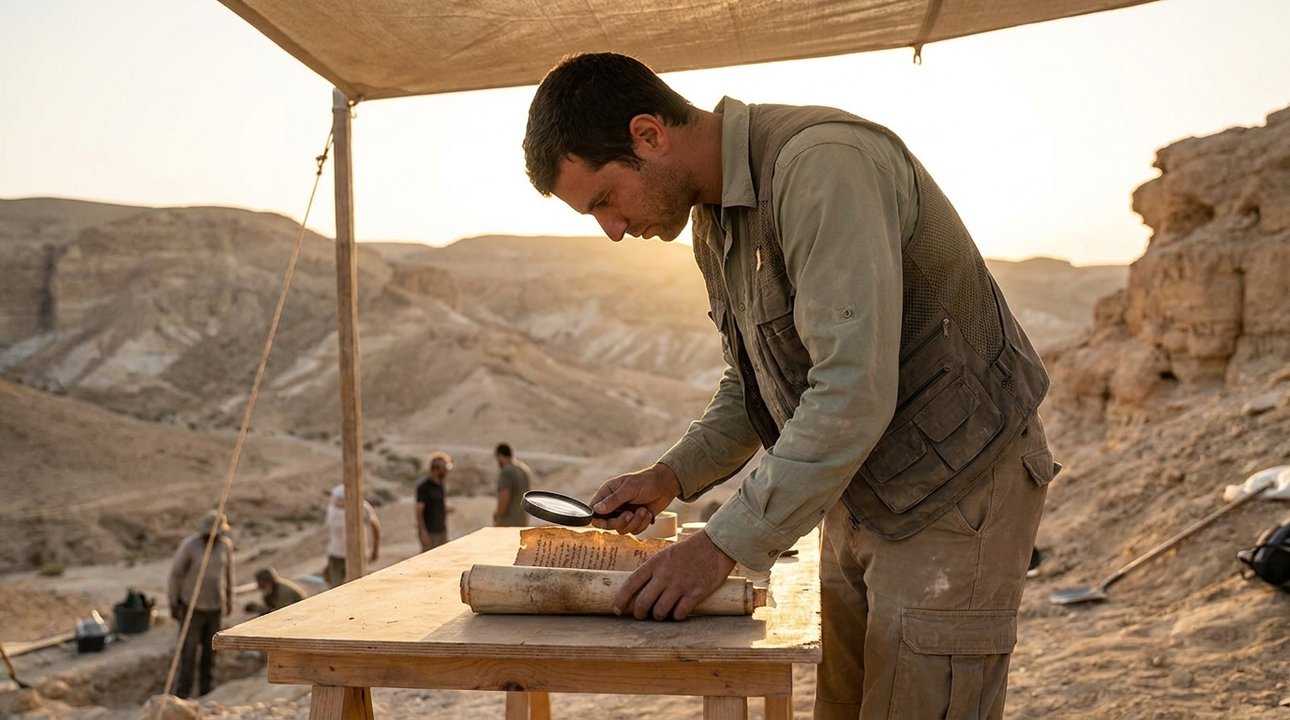
Scholars continue to debate Beer-lahai-roi’s geographical and historical importance. Interdisciplinary methods, including archaeology and historical geography, provide insights into its possible location and impact.
These efforts aim to deepen understanding of its role within the narrative, especially concerning figures like Hagar. The story of the well continues to captivate those interested in history and its enduring themes.
While certainty remains elusive, the quest for knowledge enriches history and offers a deeper appreciation of ancient stories. The ongoing research into Beer-lahai-roi’s location and significance reflects the enduring fascination with its narrative.
Scholars study texts to uncover its mysteries. This scholarly pursuit not only seeks to uncover historical truths but also invites reflection on the universal themes of hope, resilience, and care that resonate through the ages.
The search for Beer-lahai-roi is a journey into the heart of history.
Beer-lahai-roi Details
